About
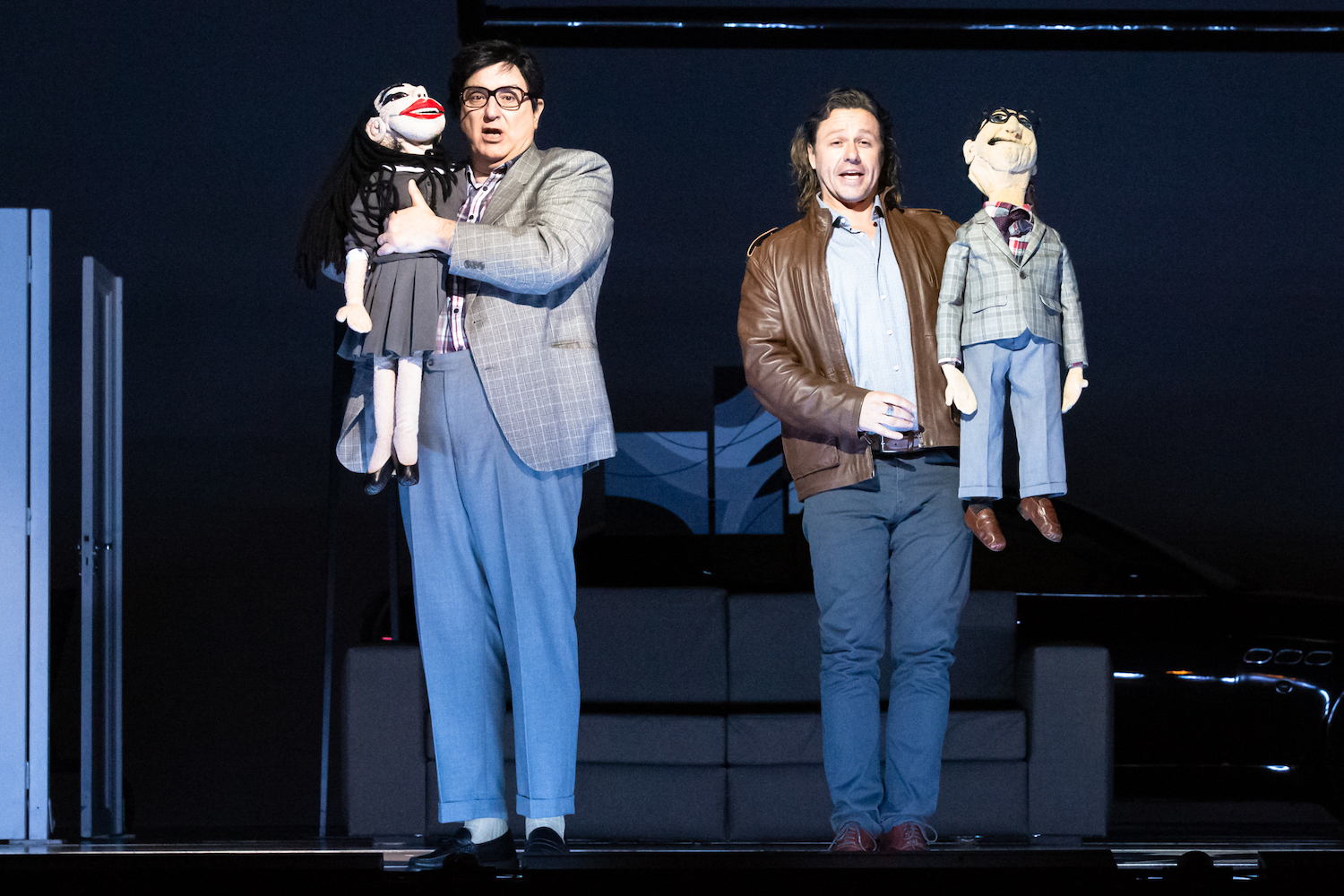
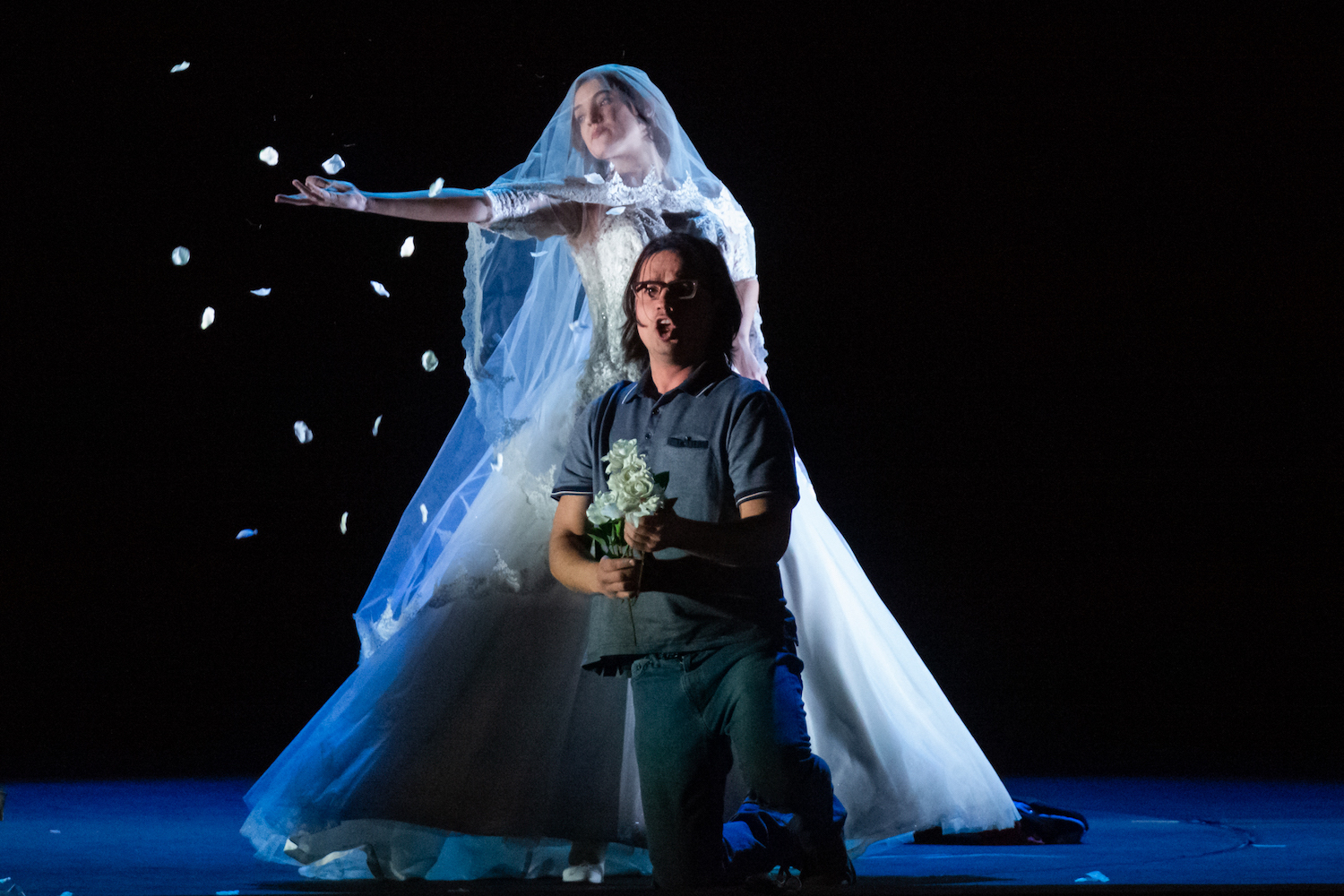
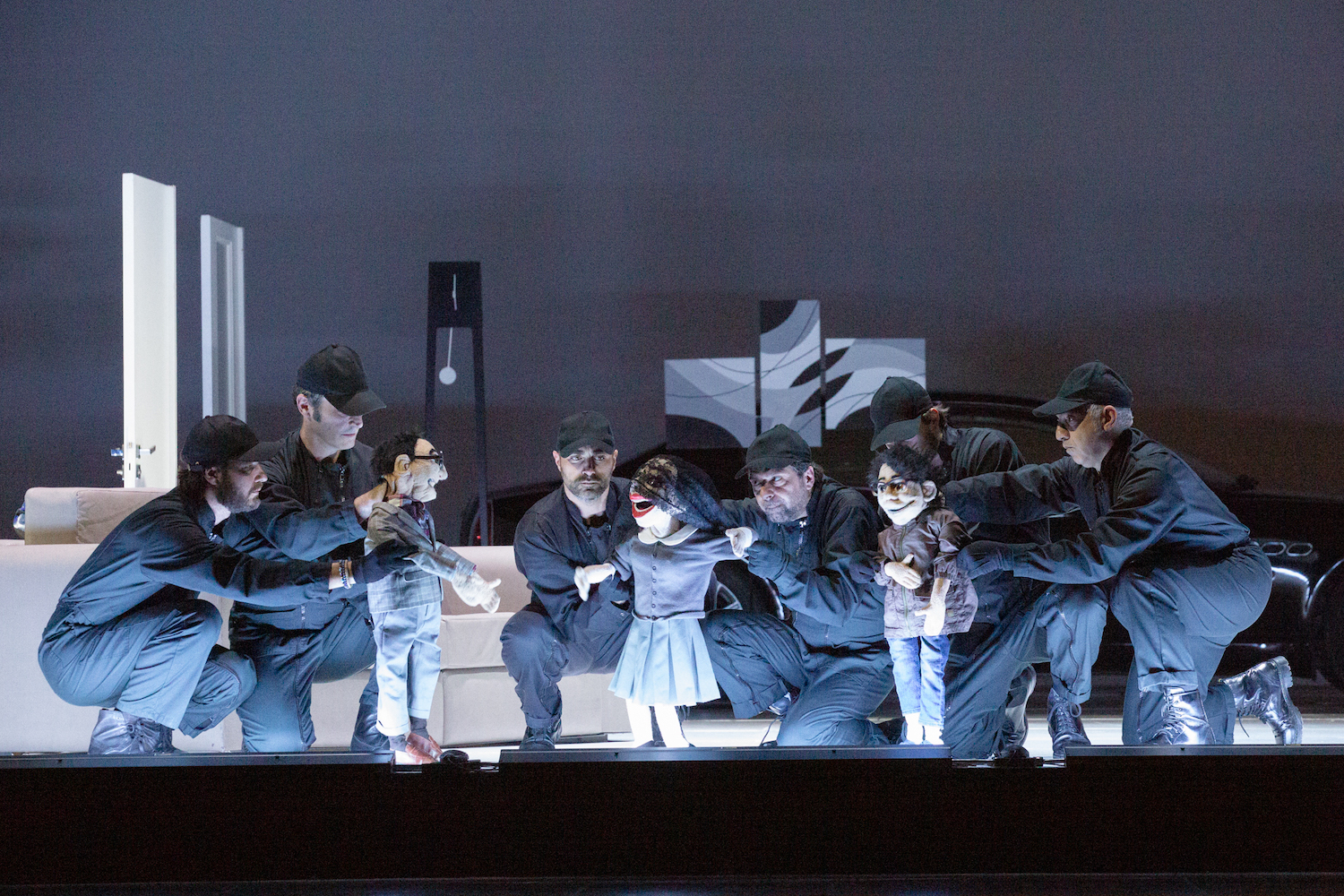
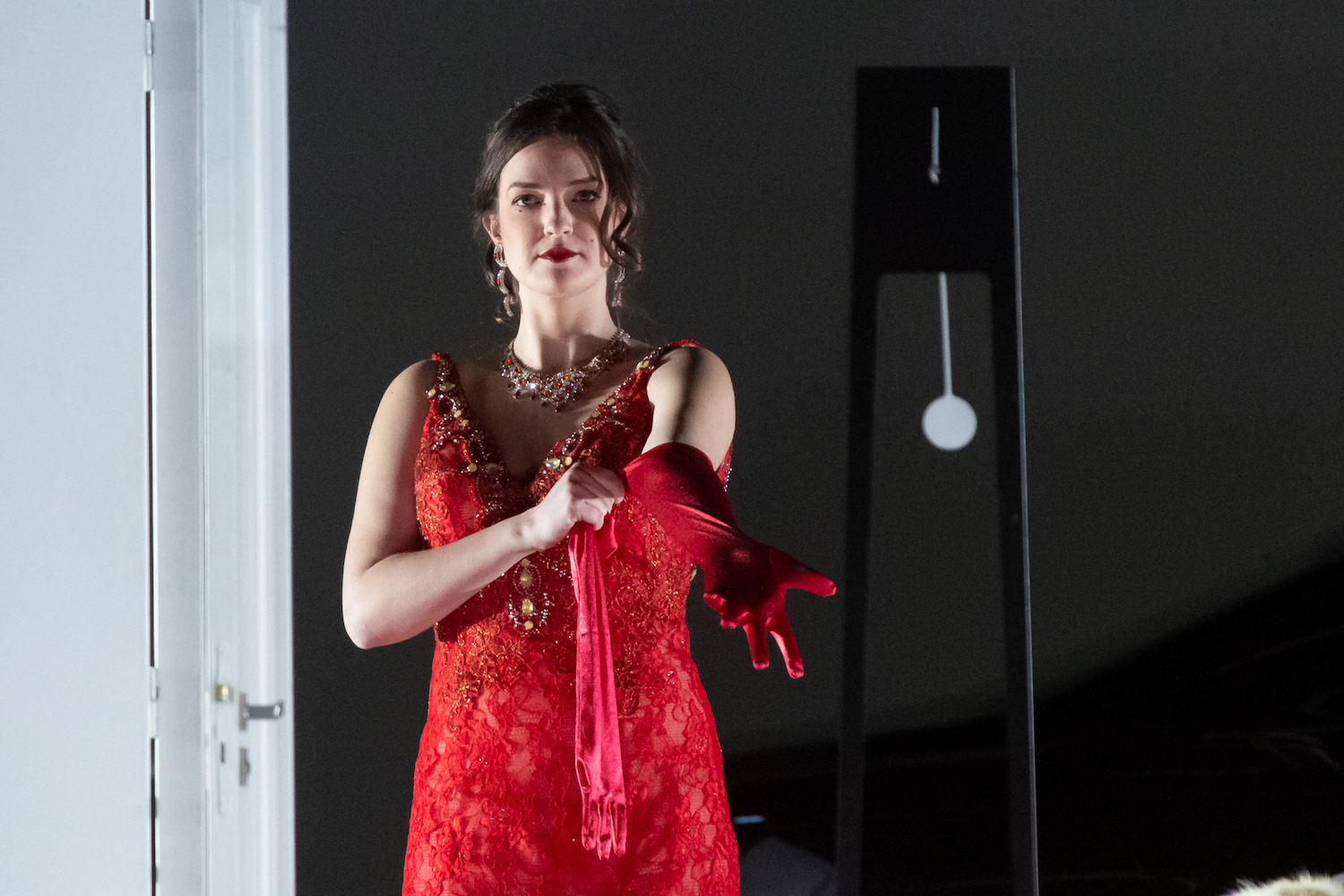
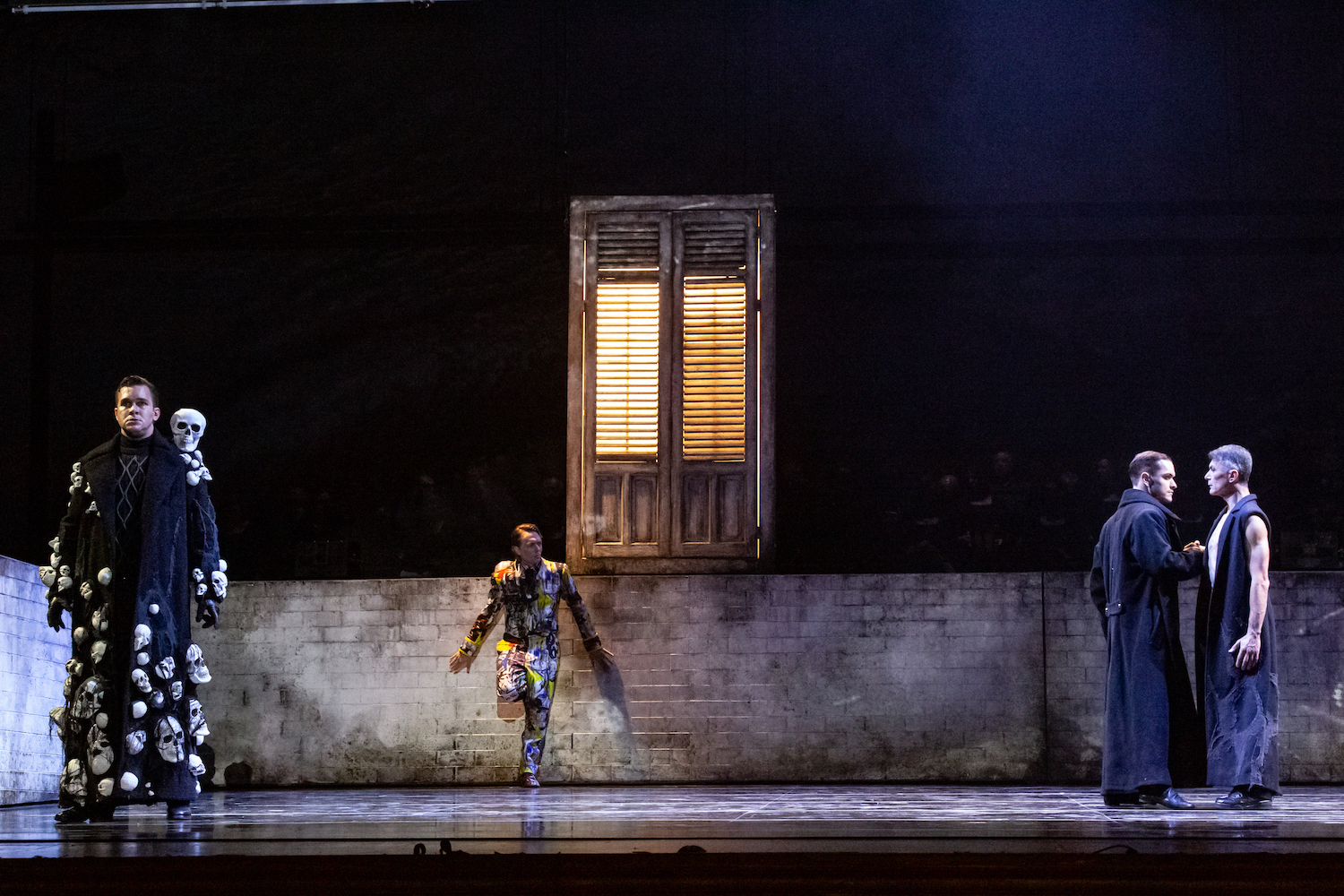
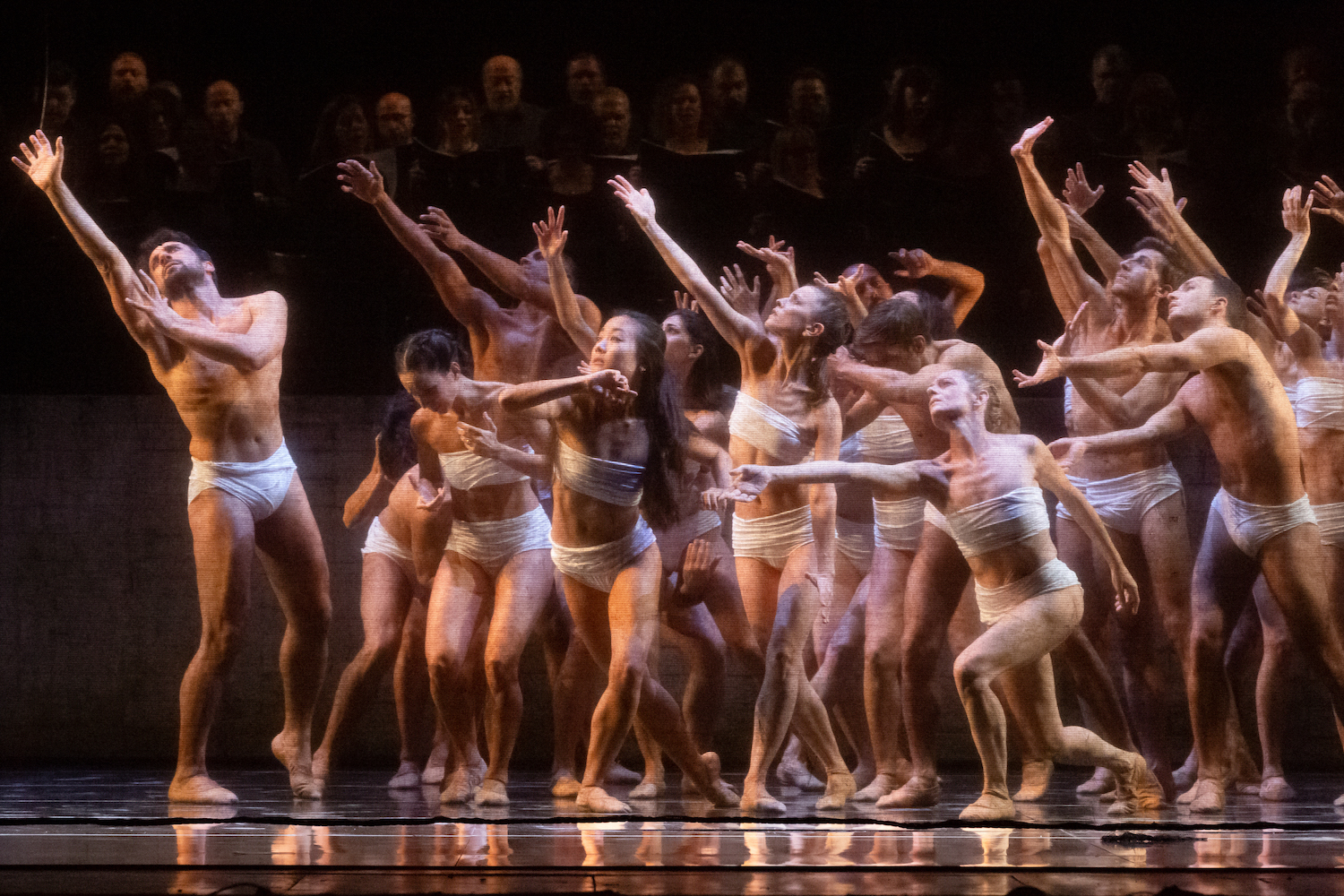
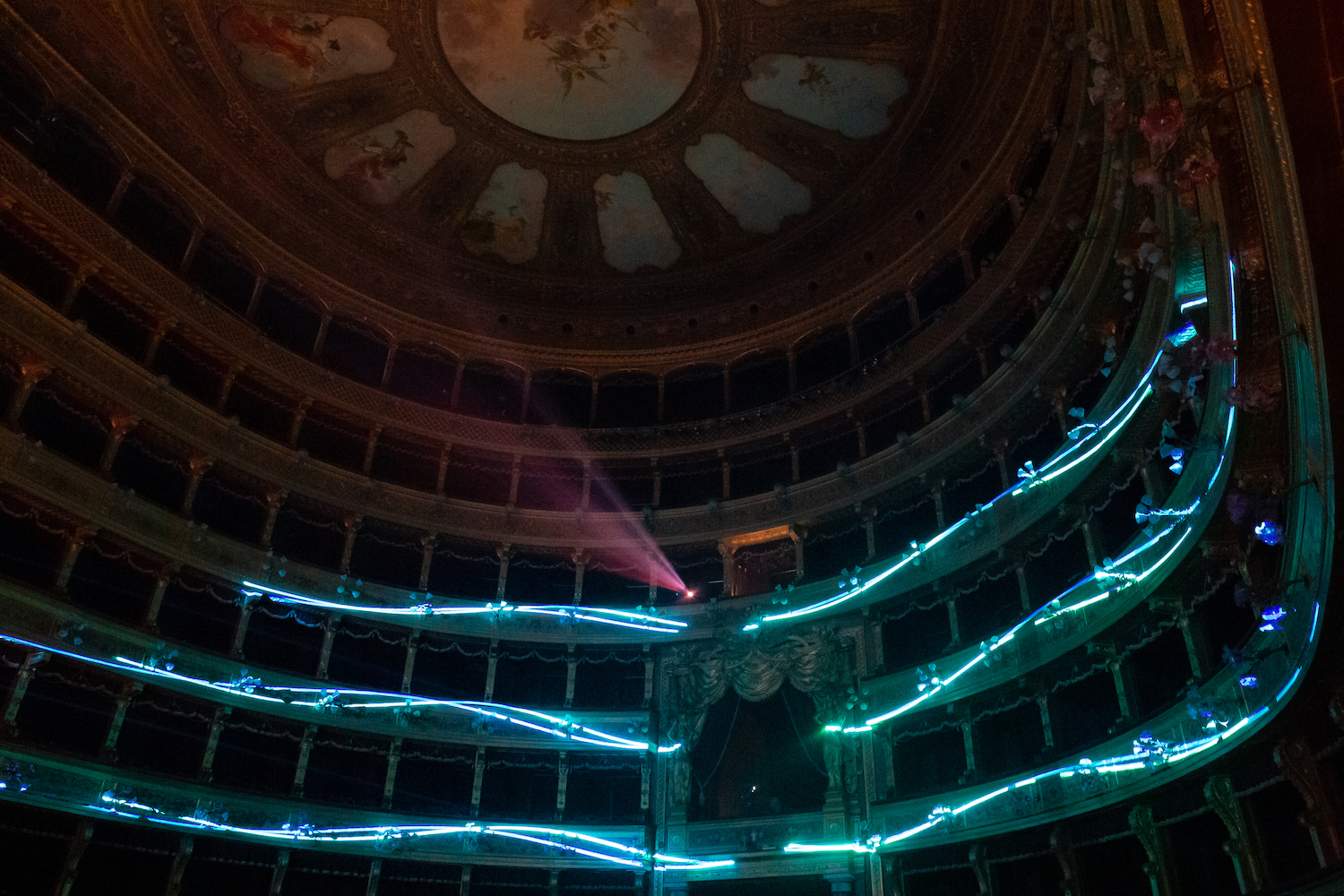
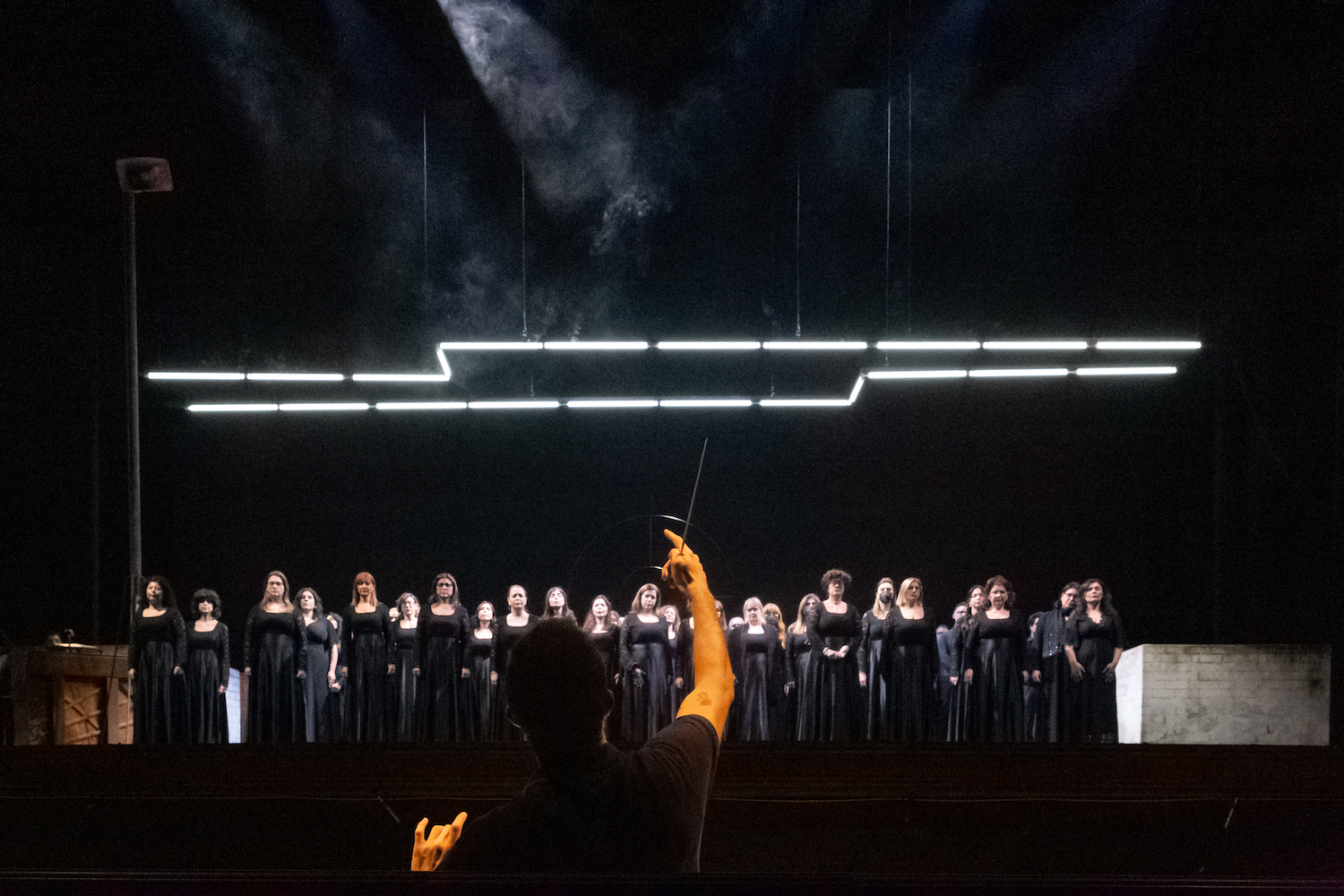
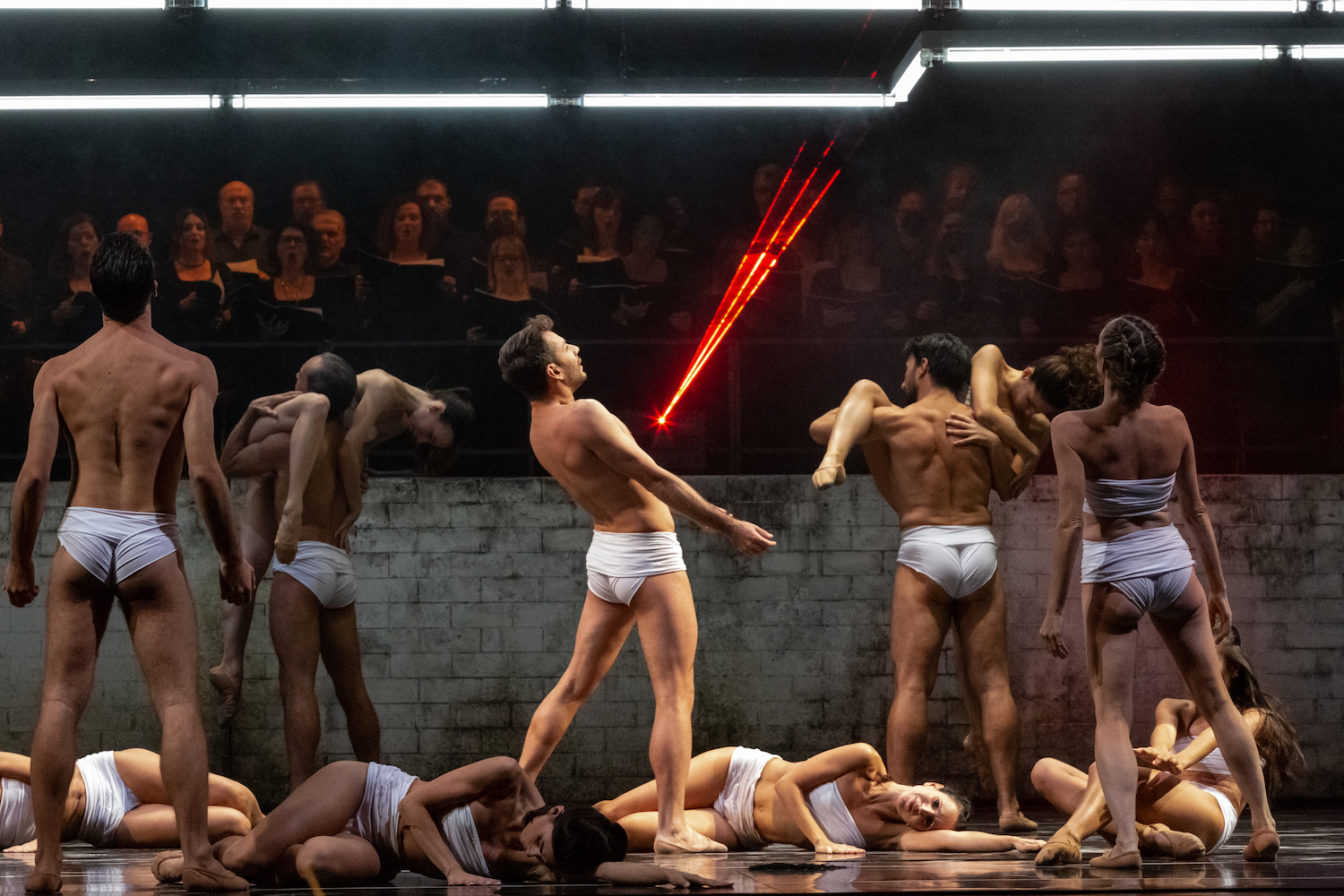
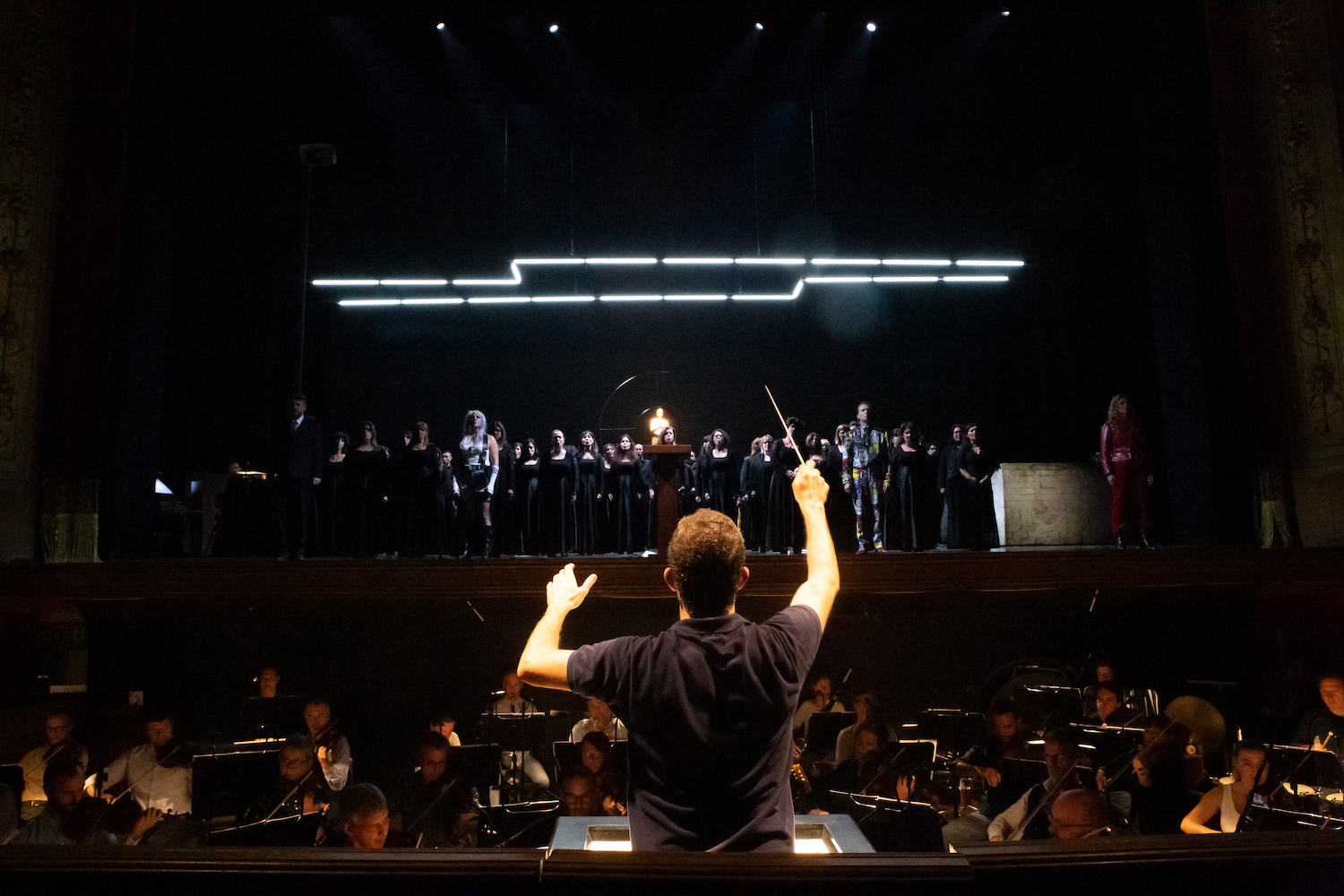
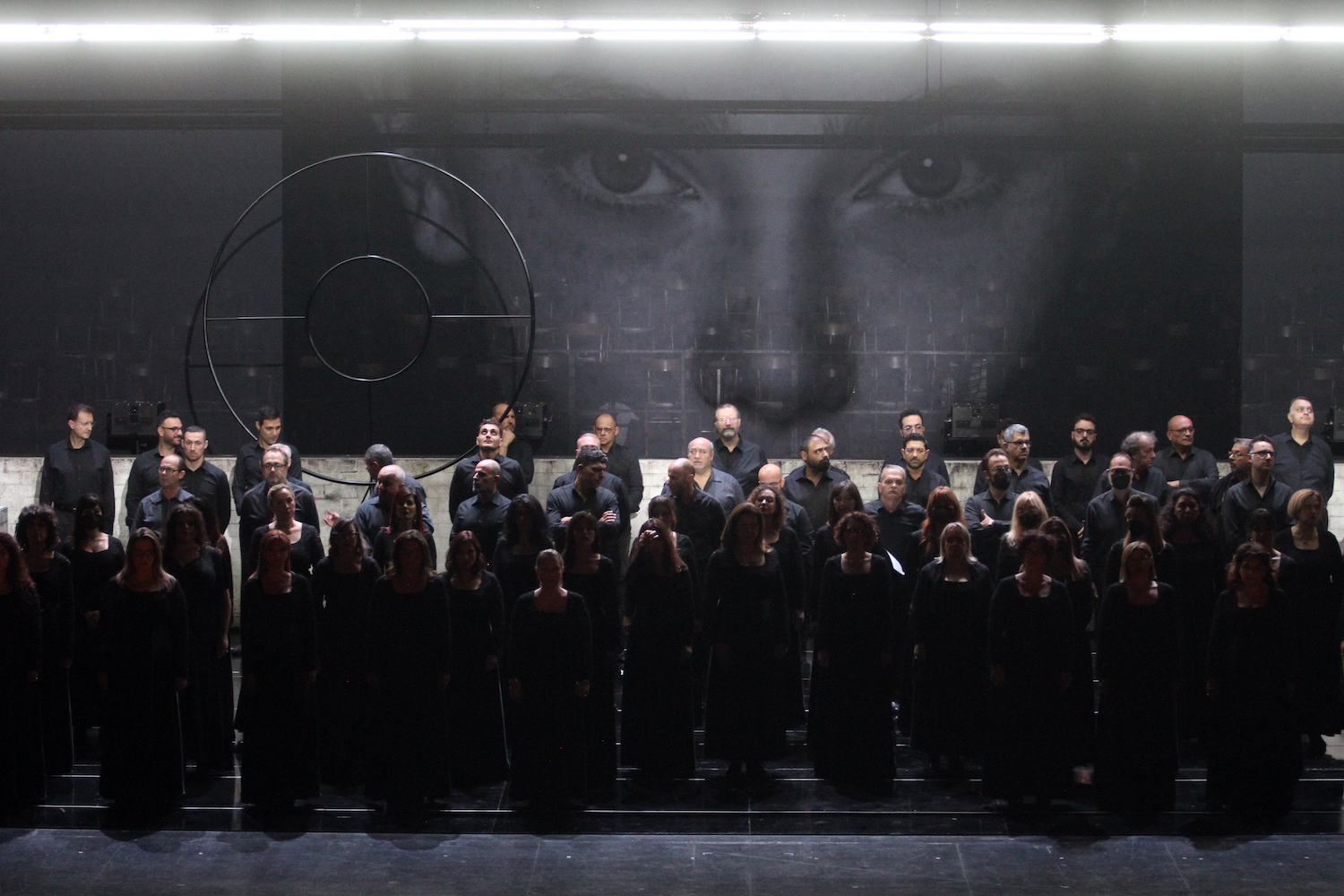
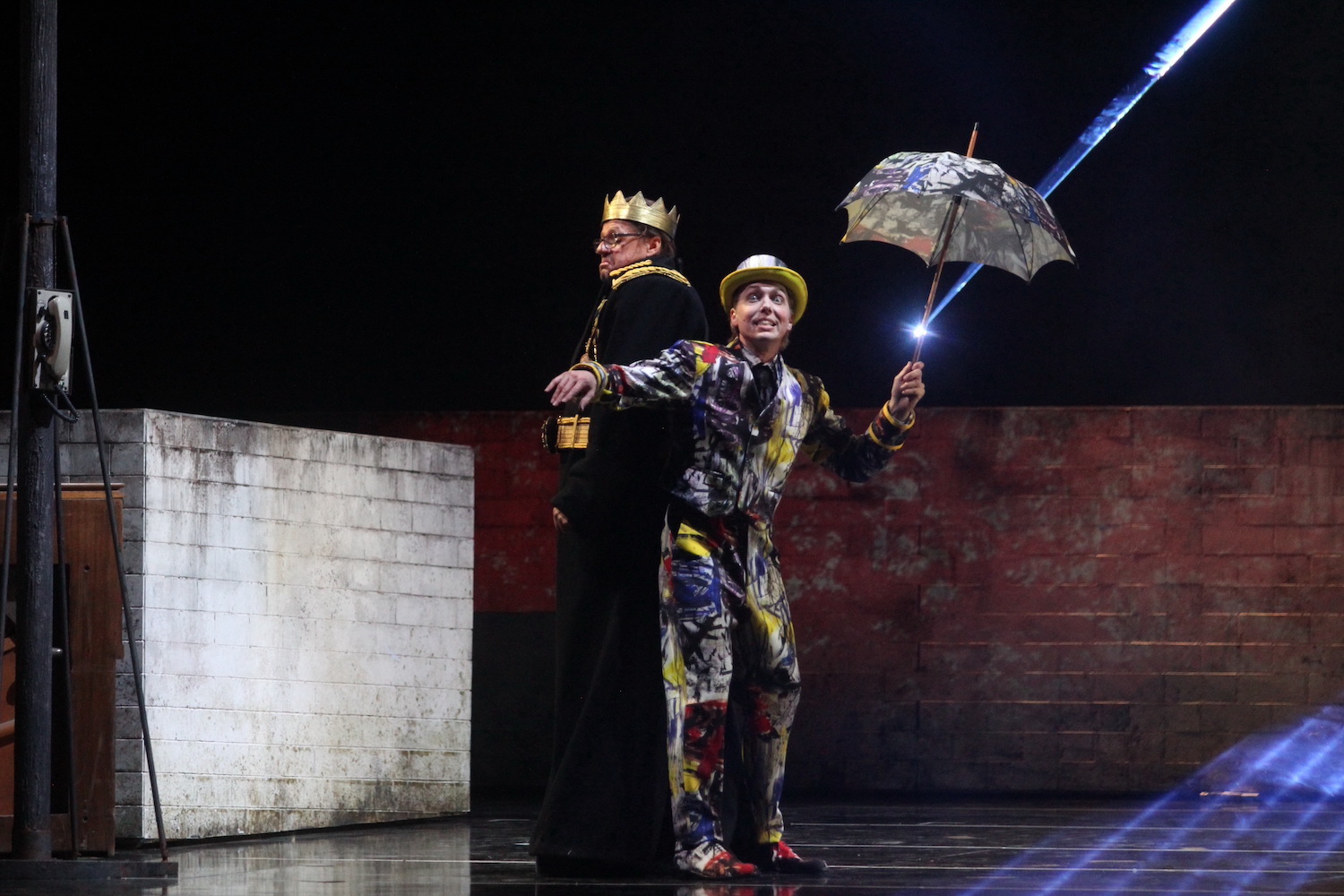
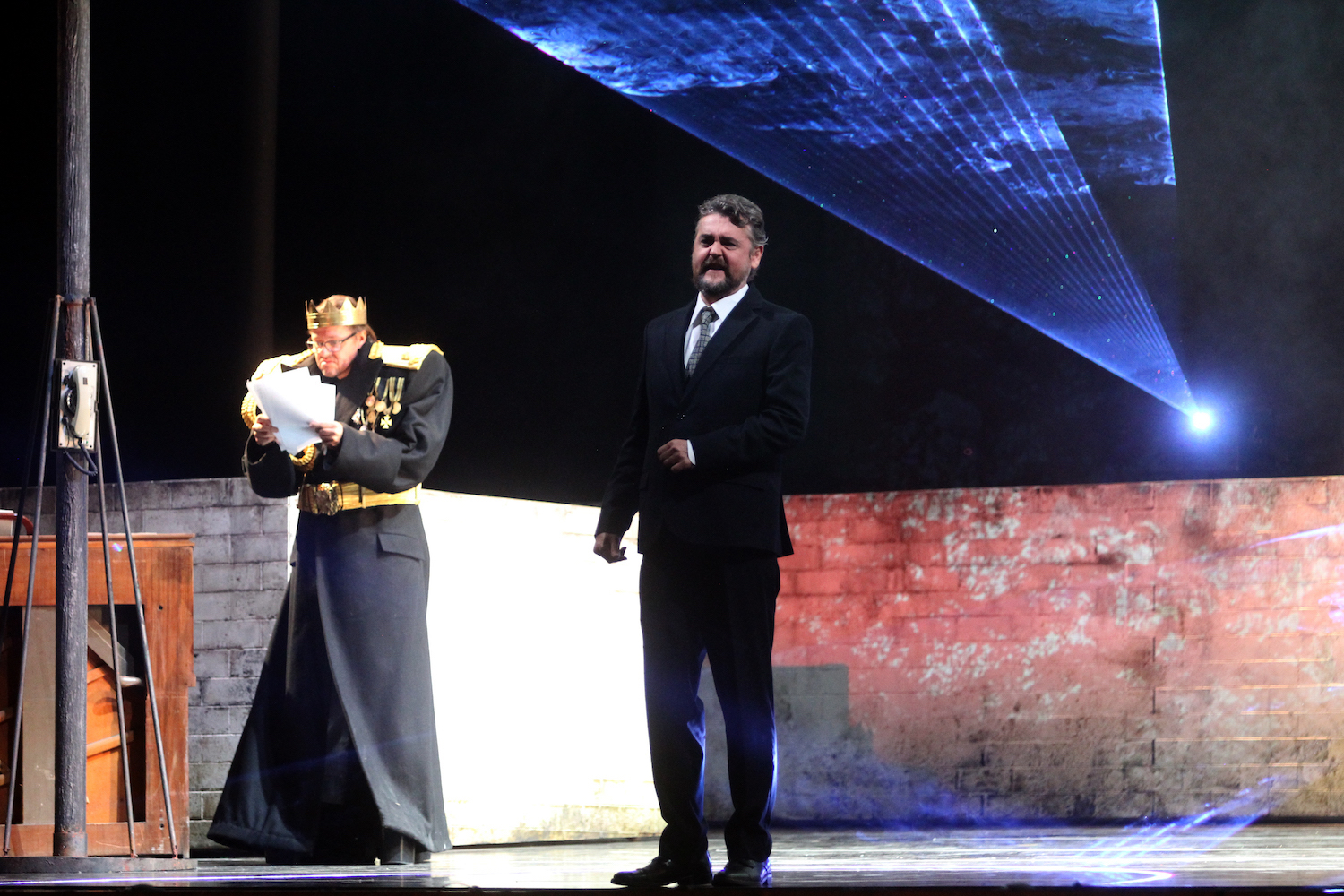
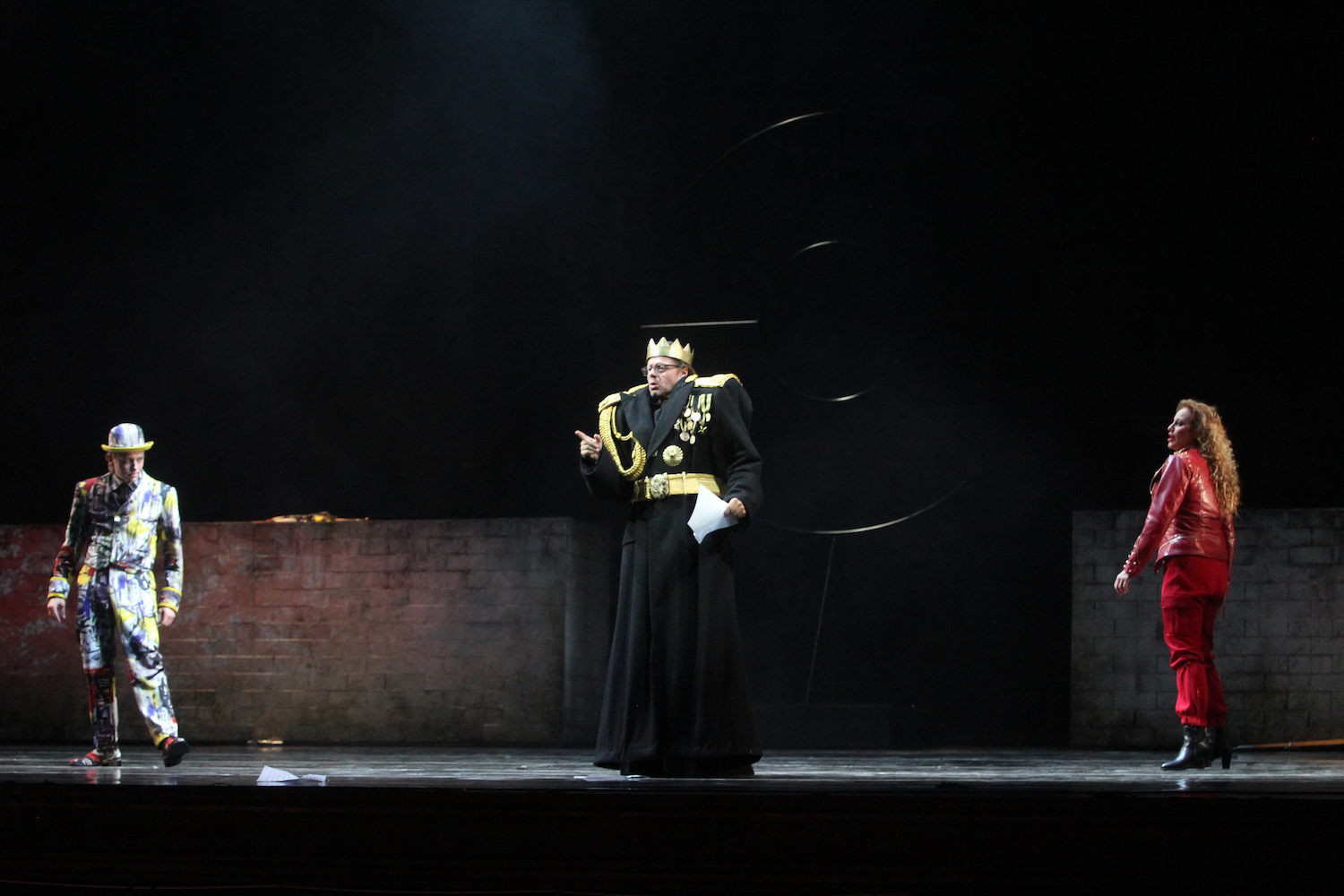
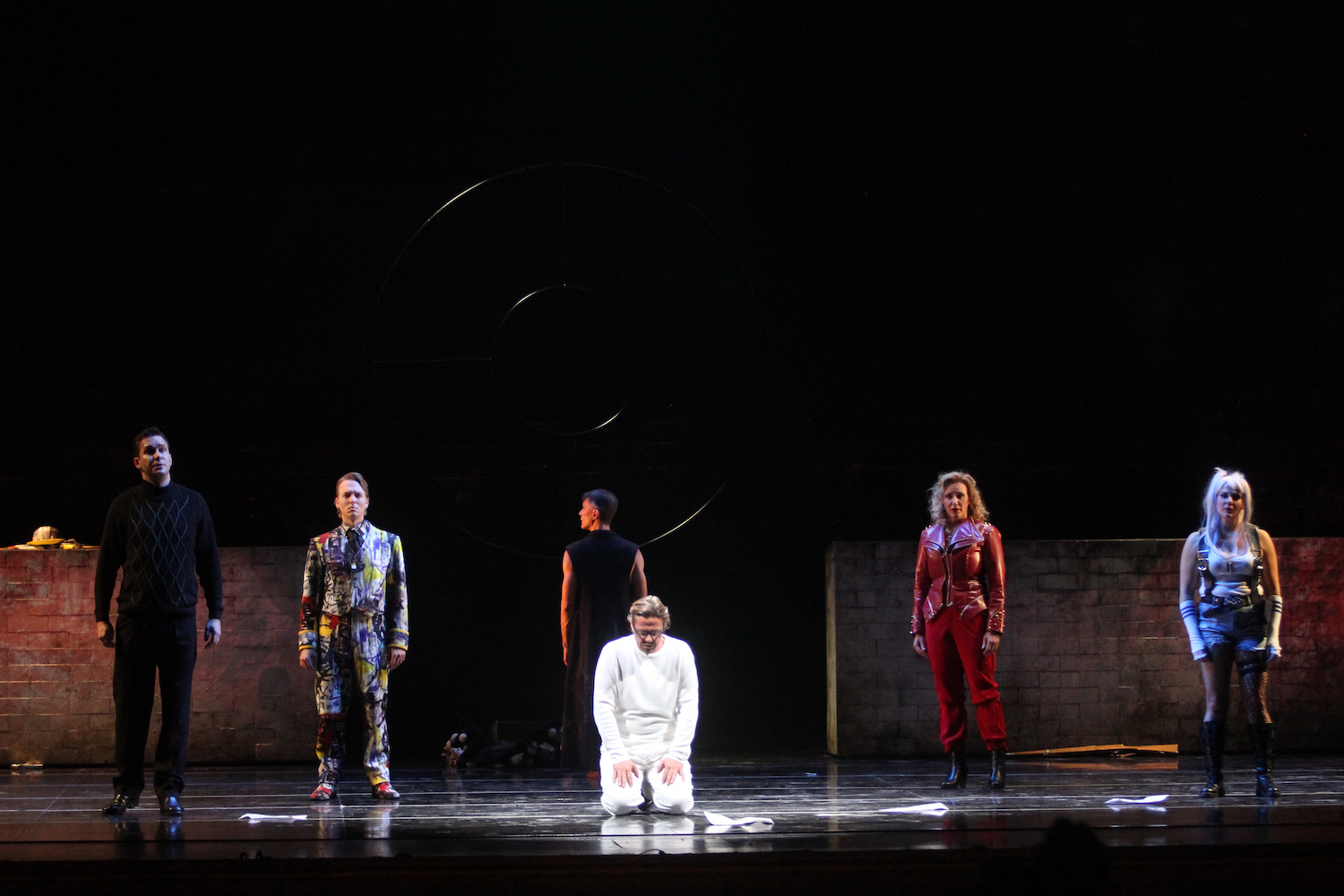
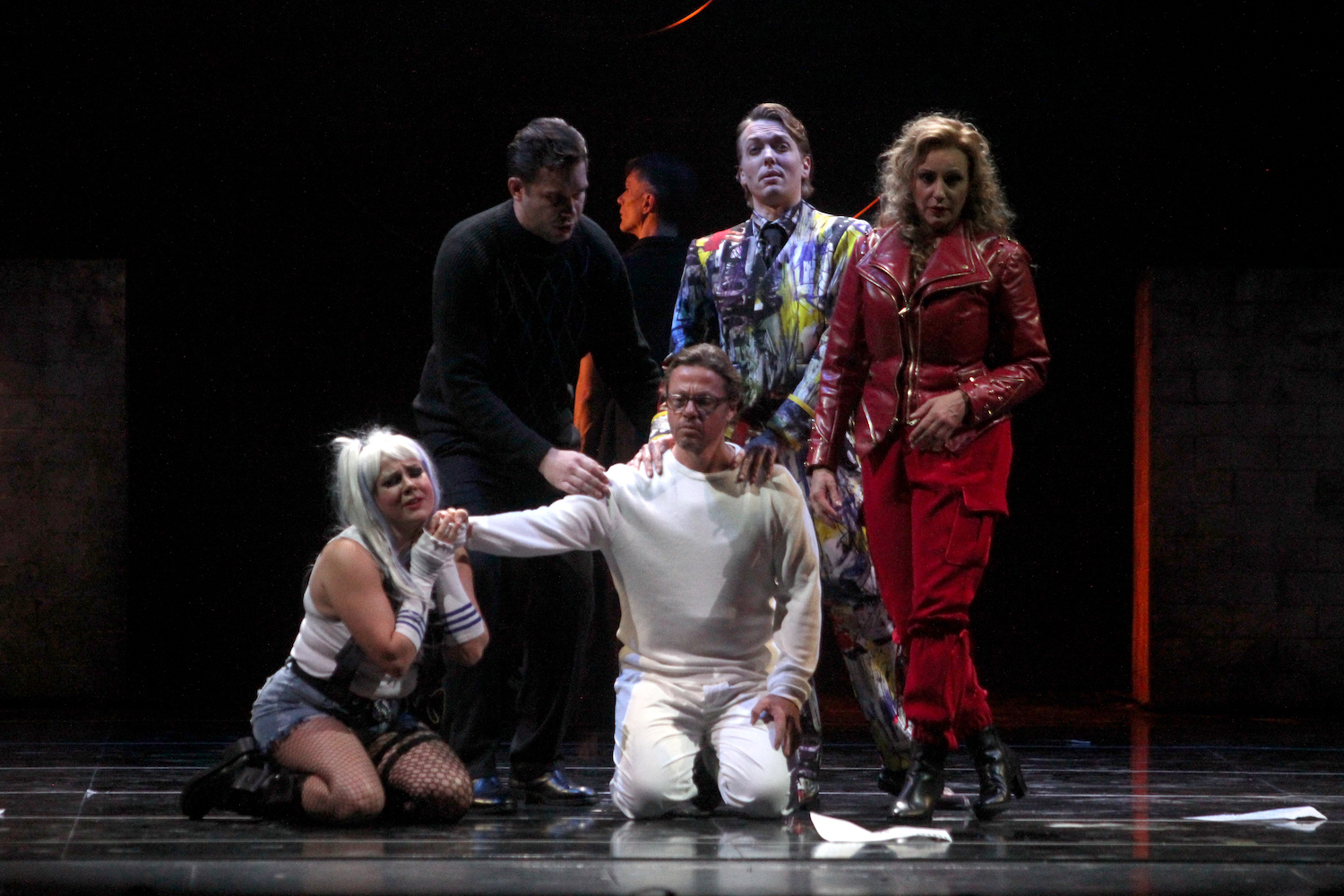
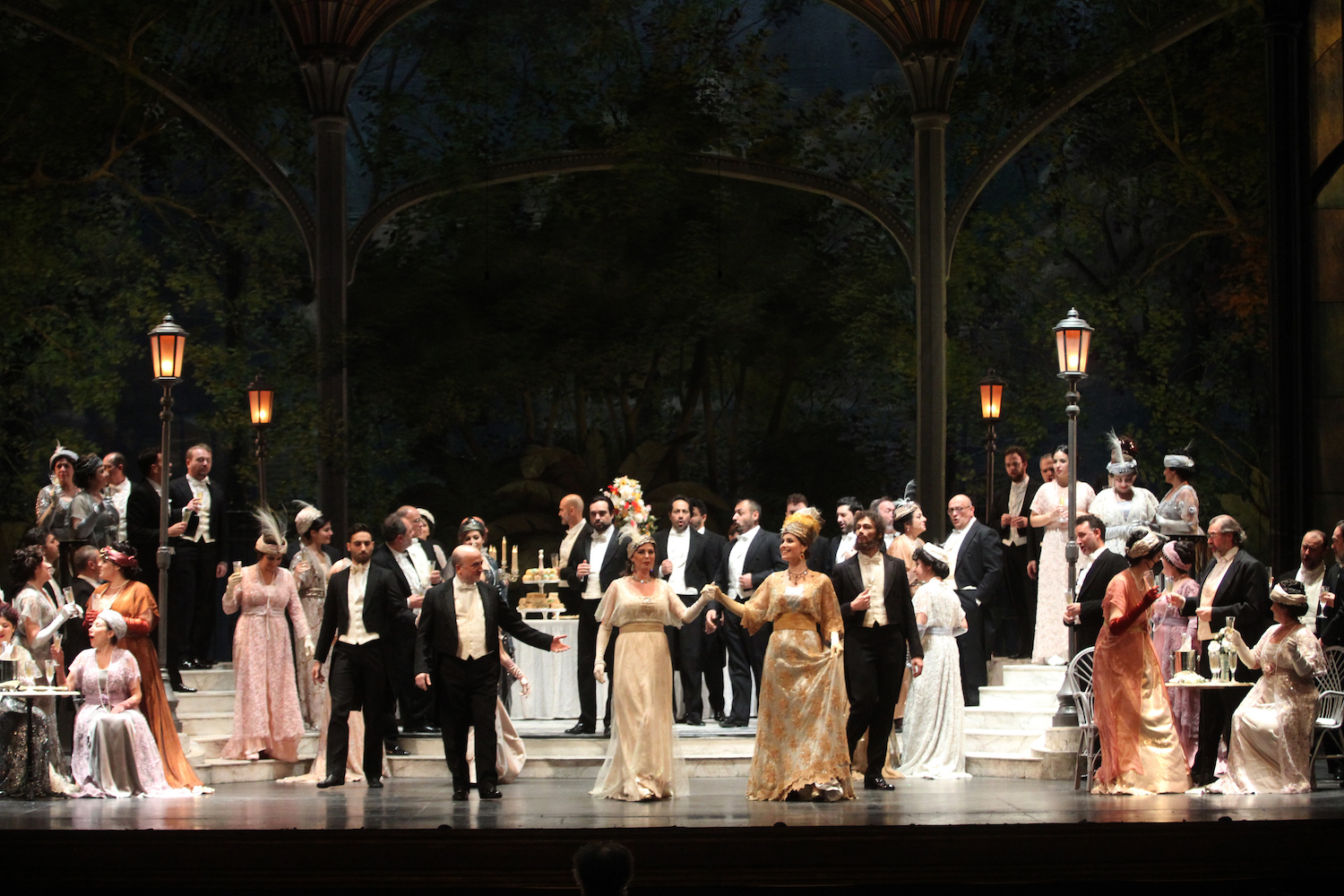
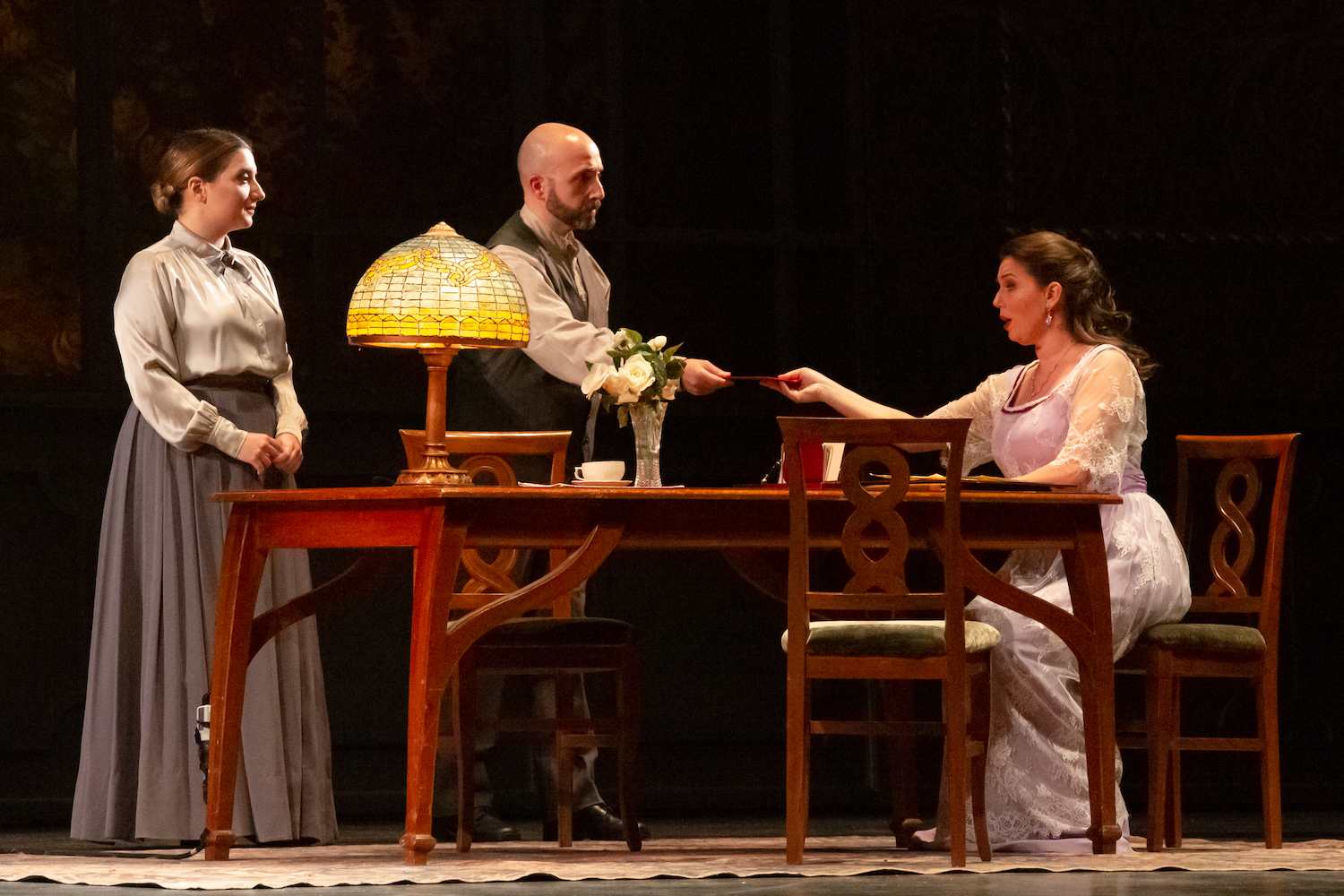
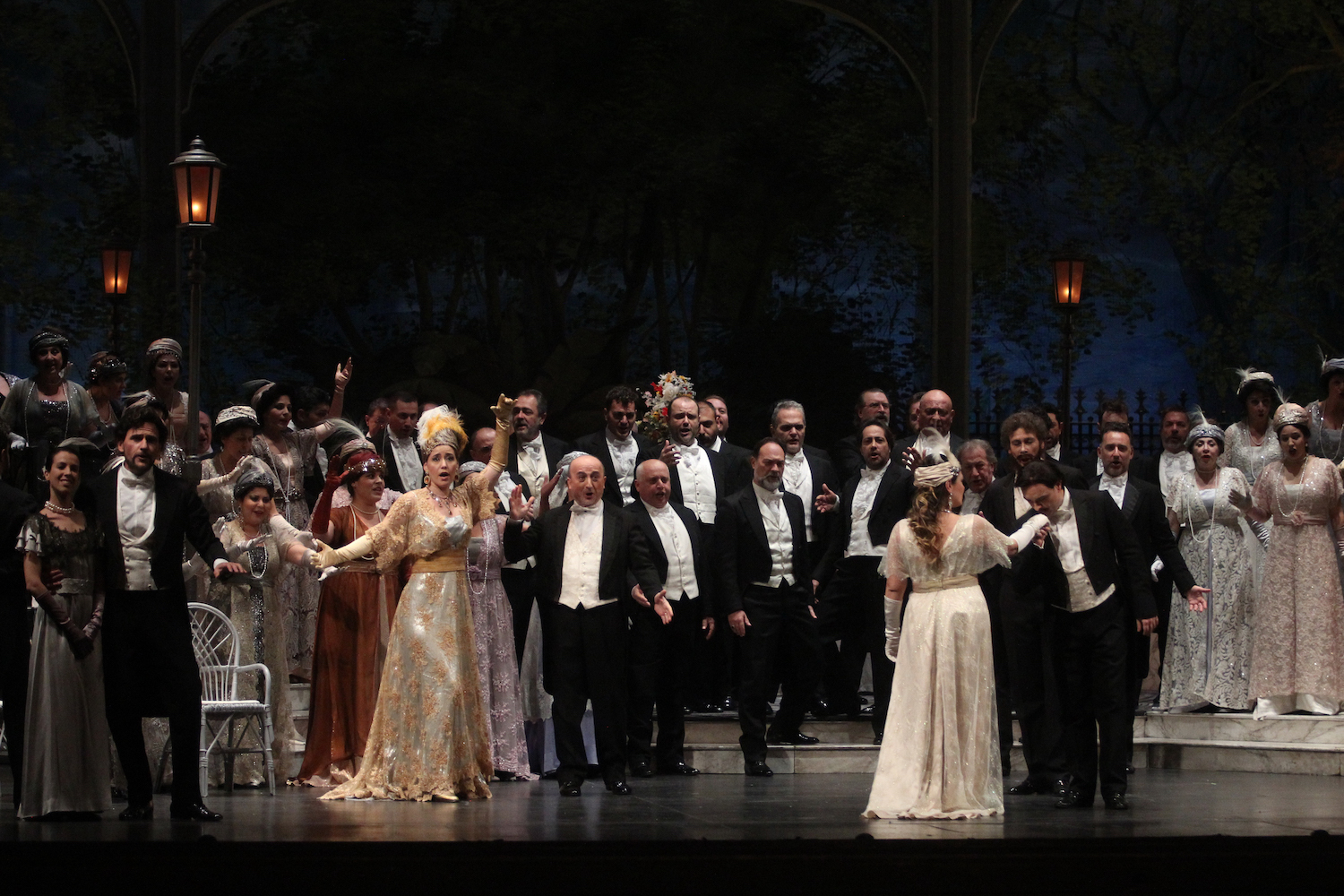
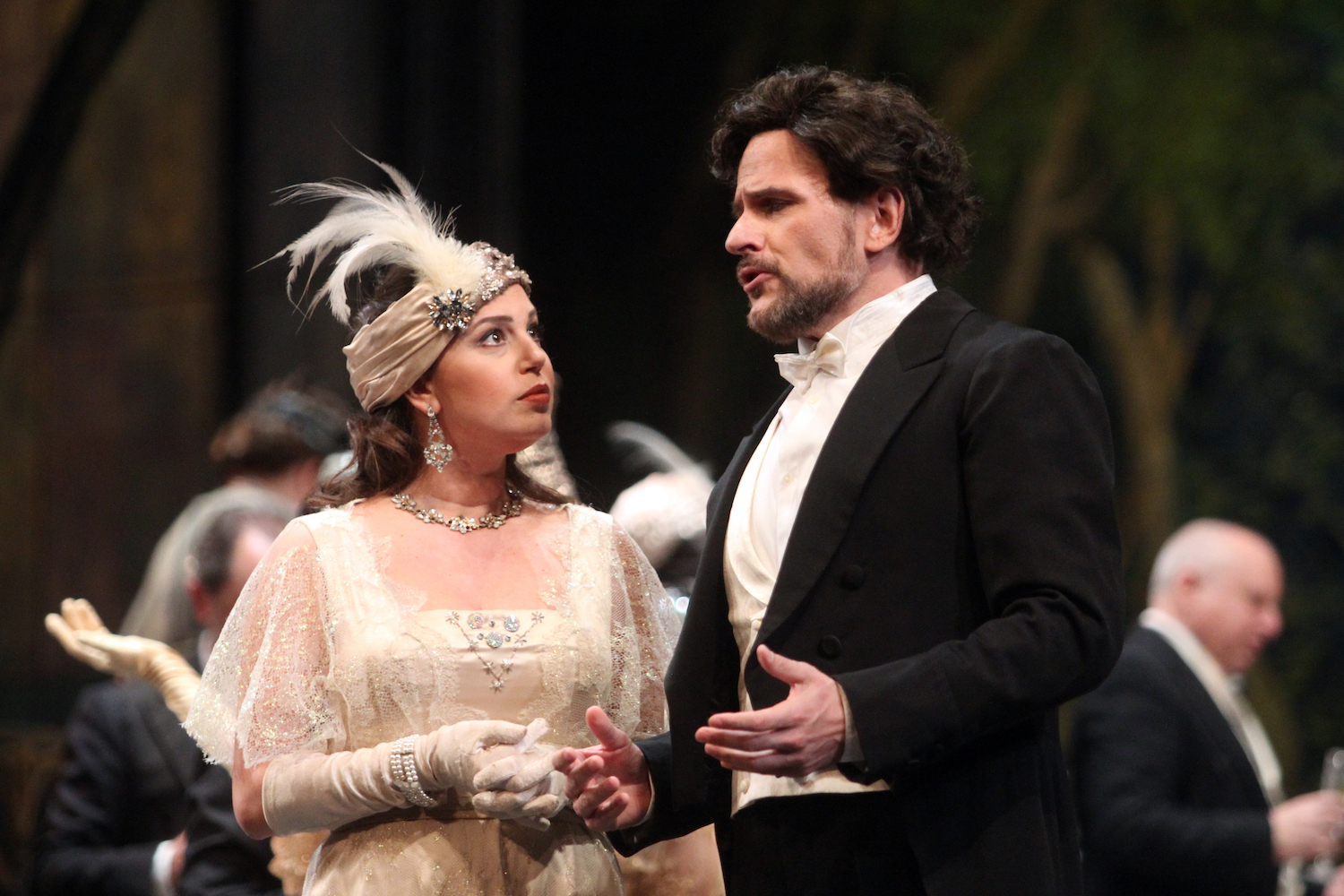
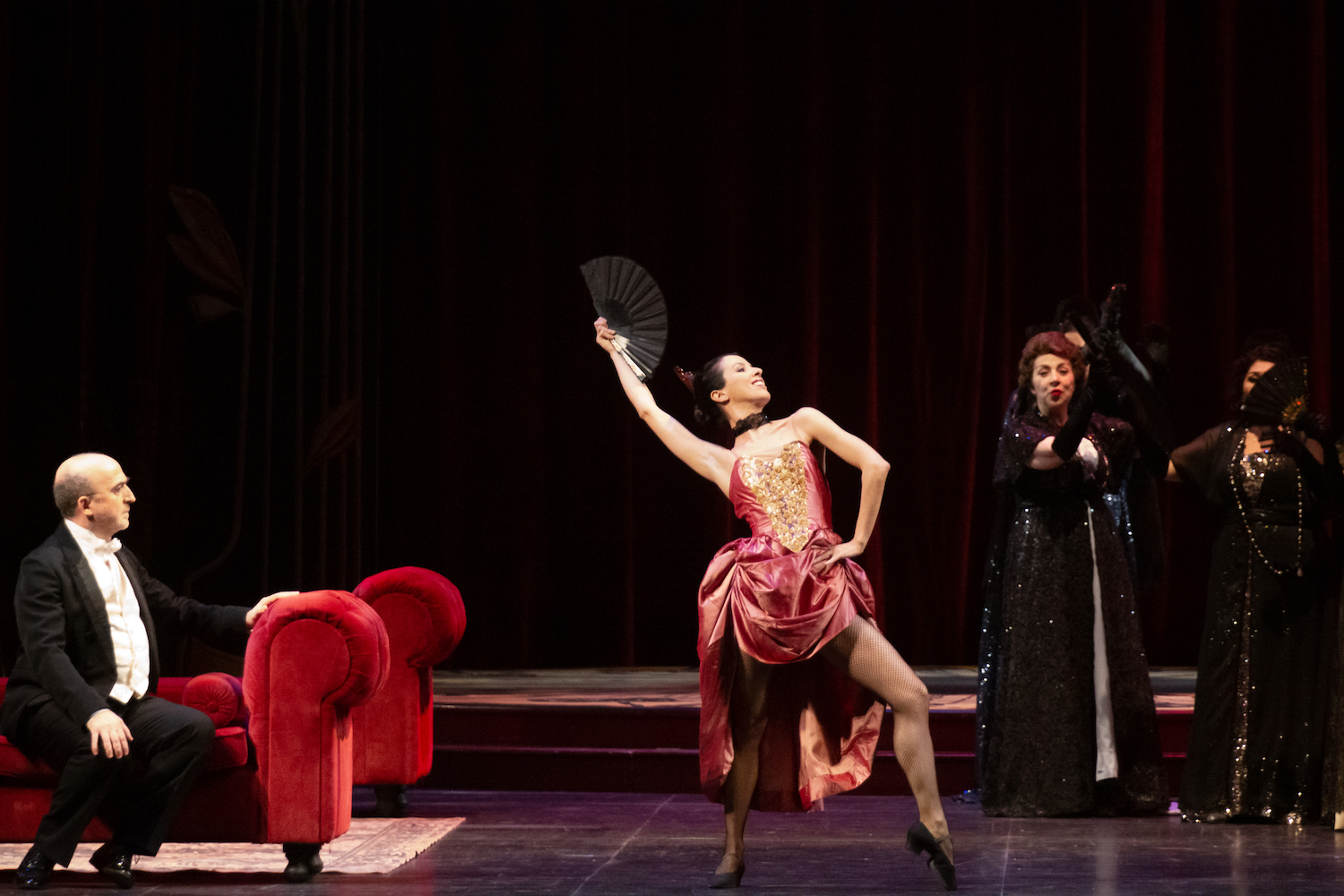
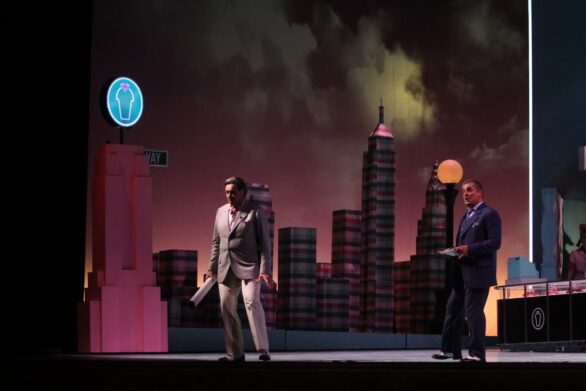
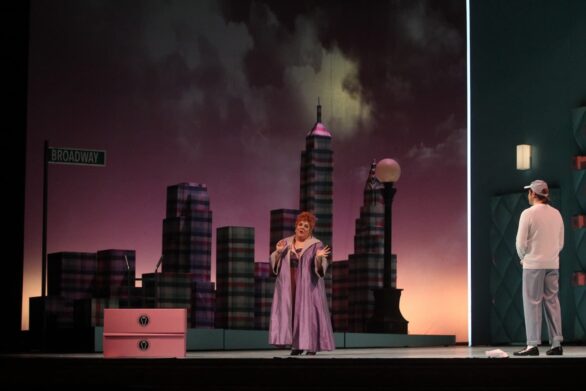
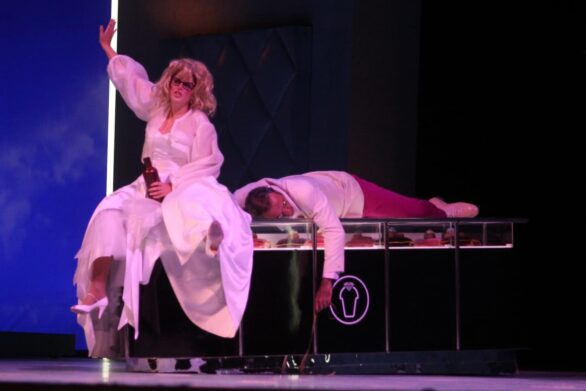
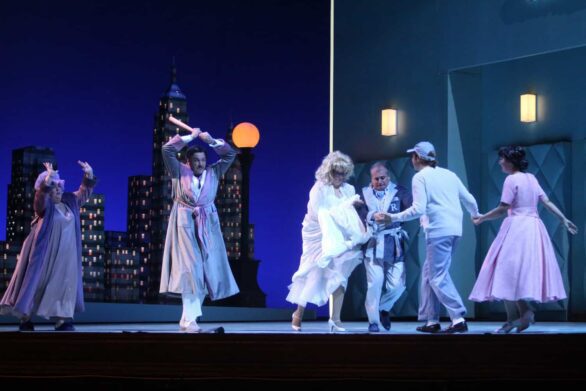
From 17 to 24 January 2023 | Main Stage, Teatro Massimo
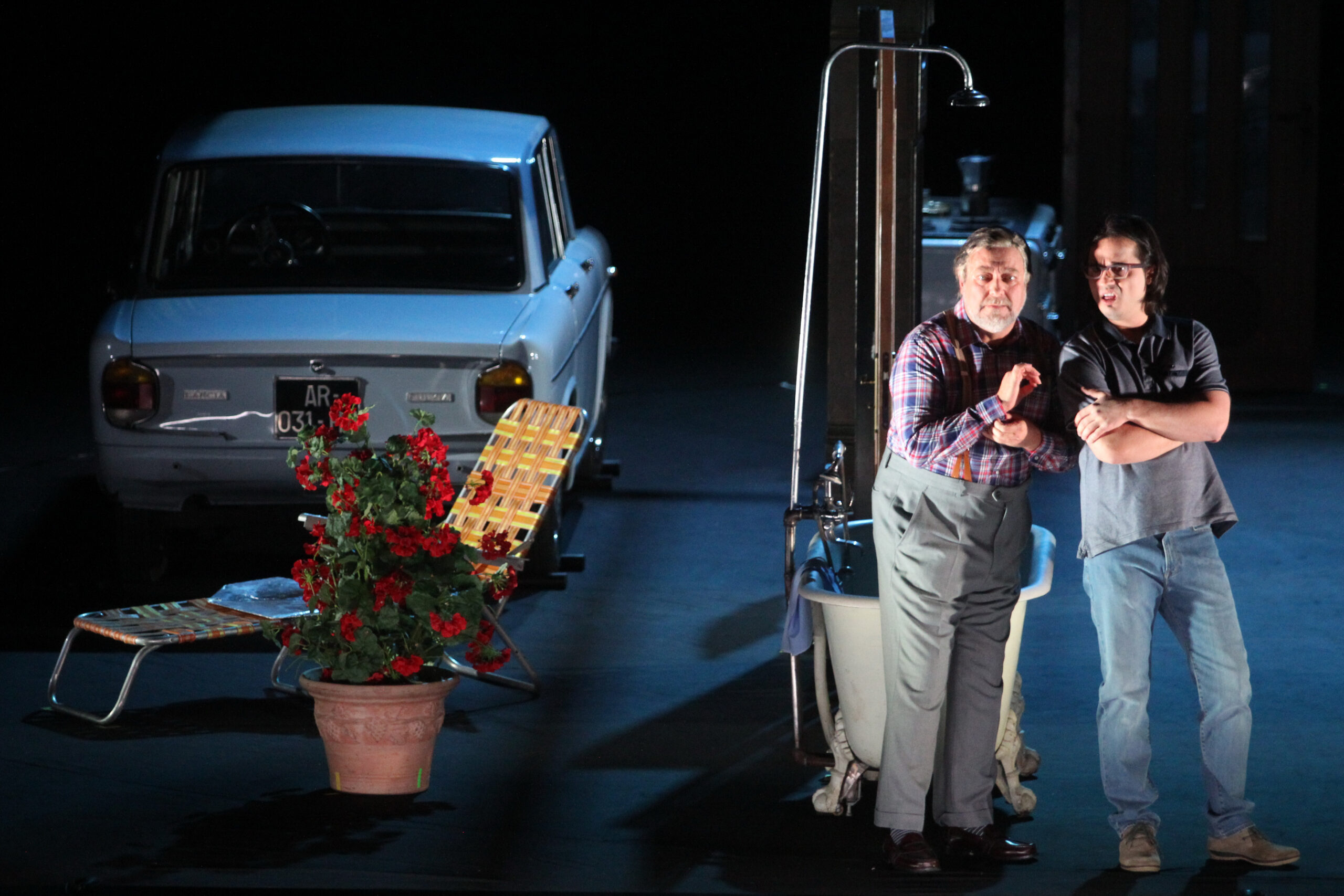
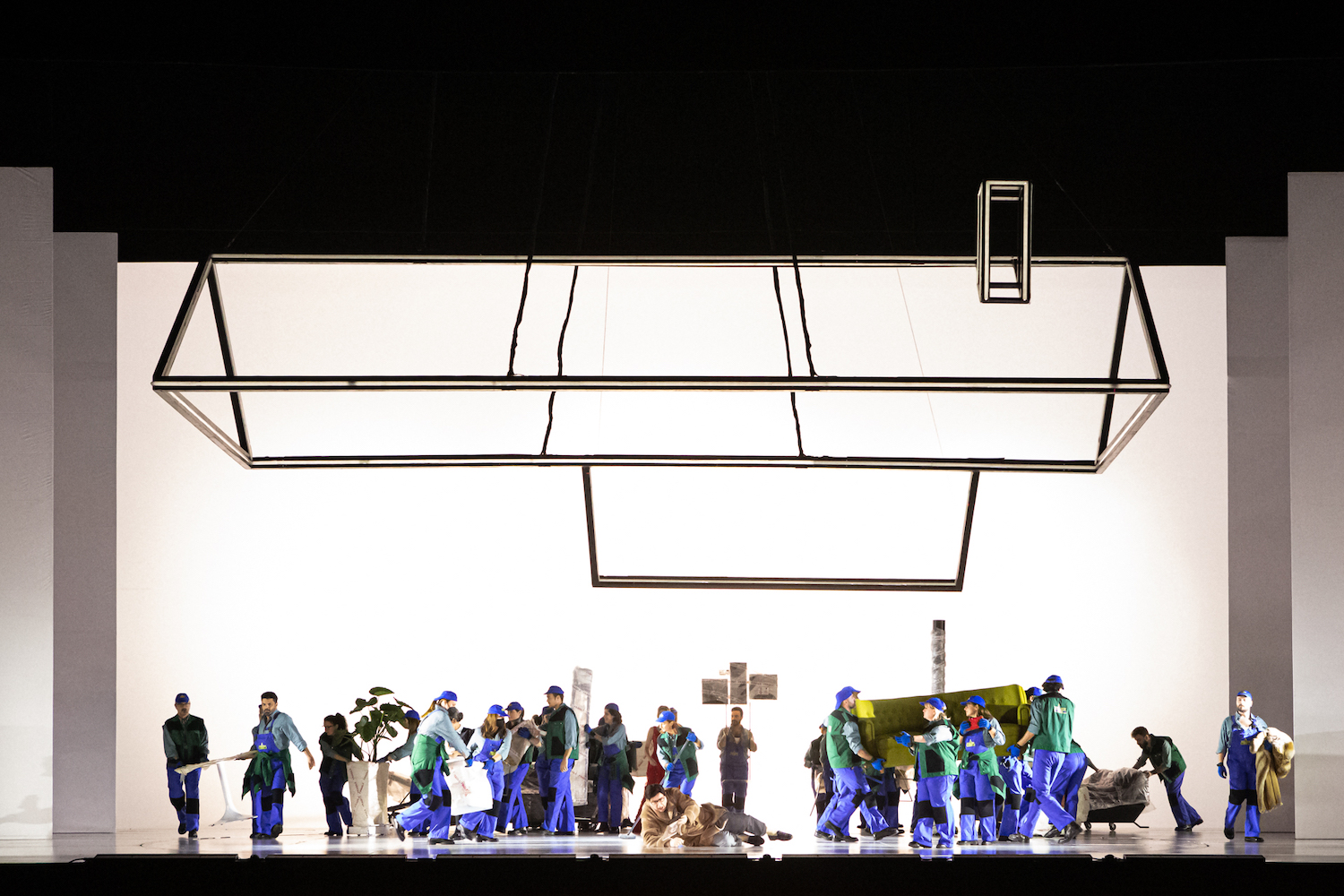
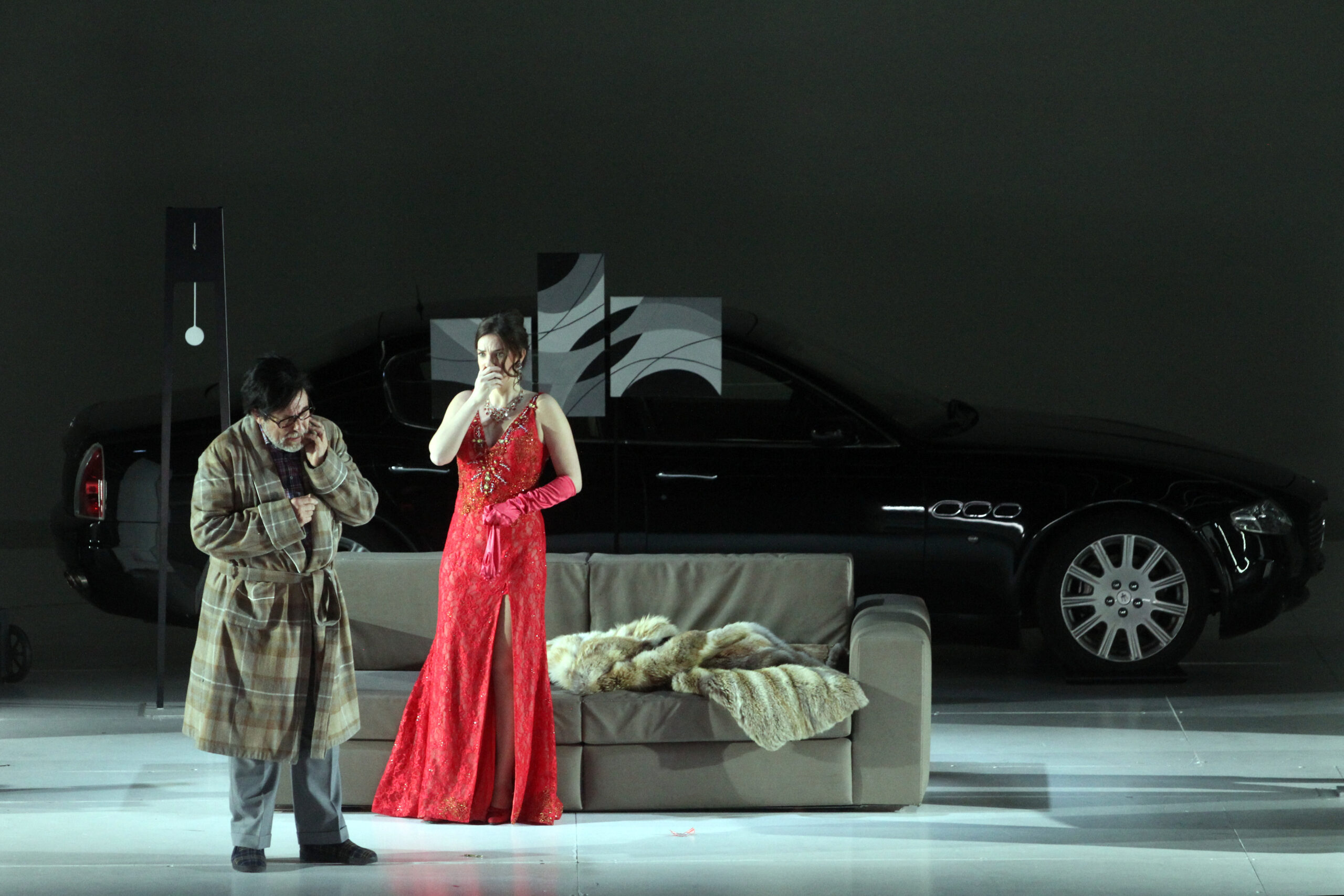
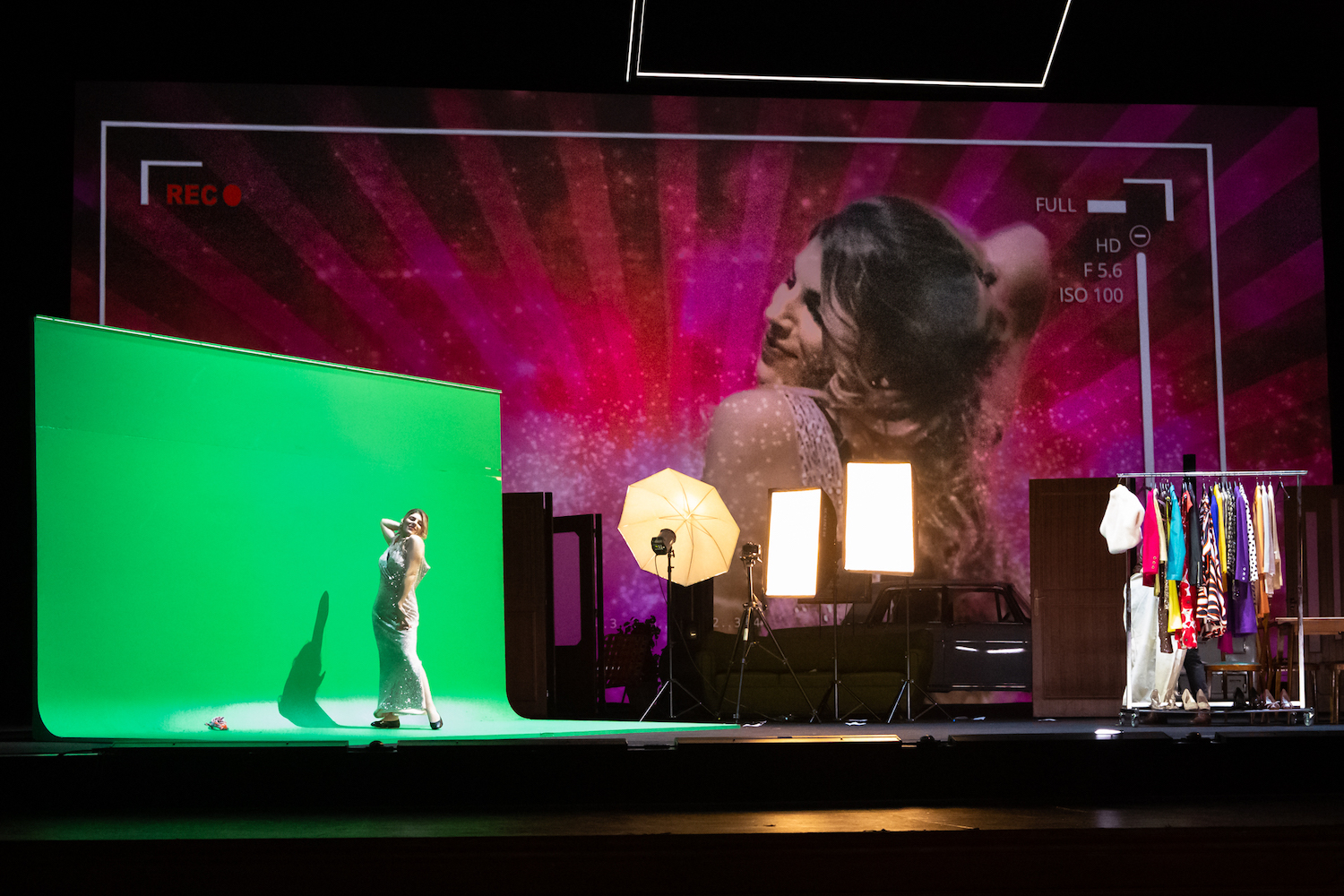
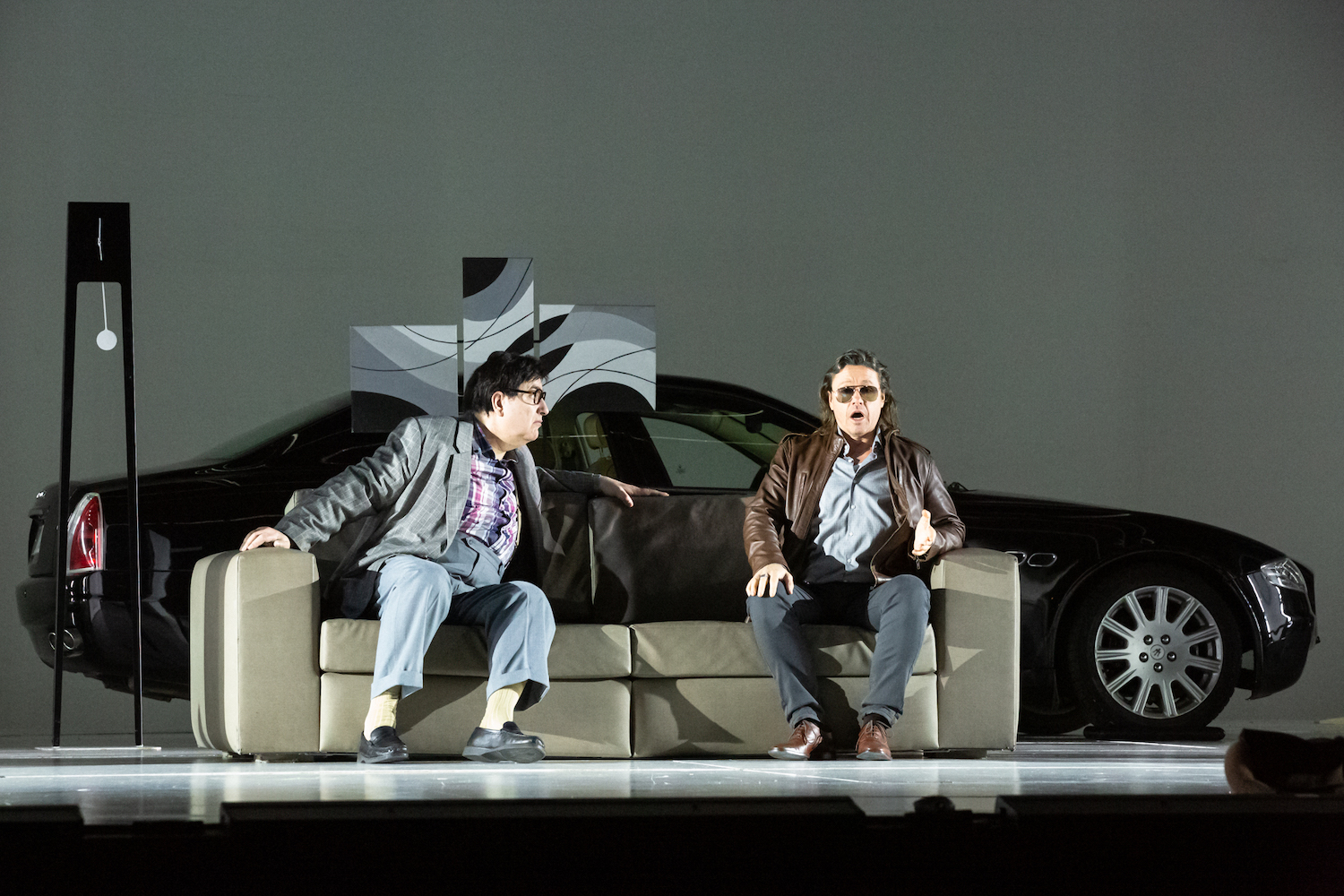
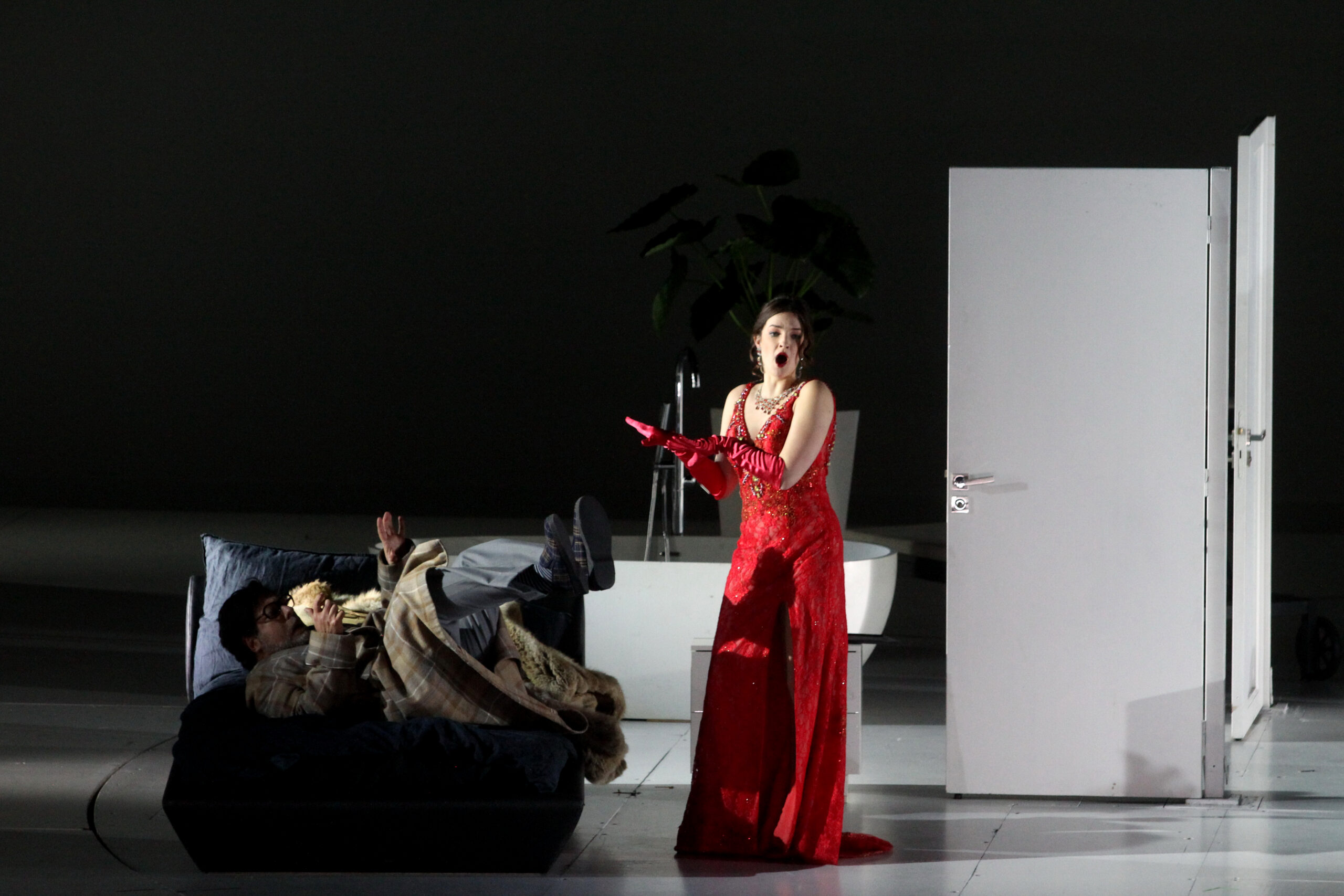
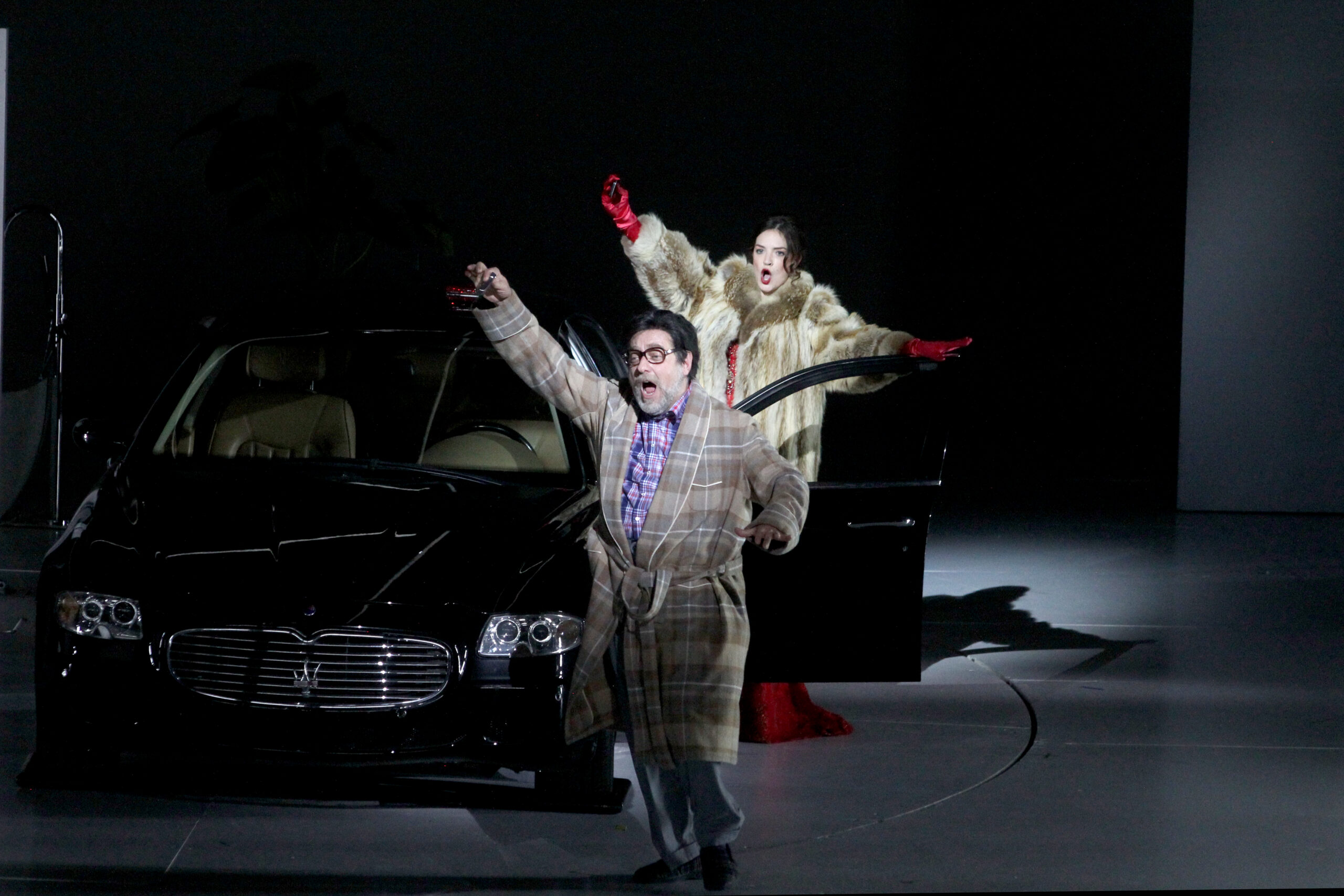
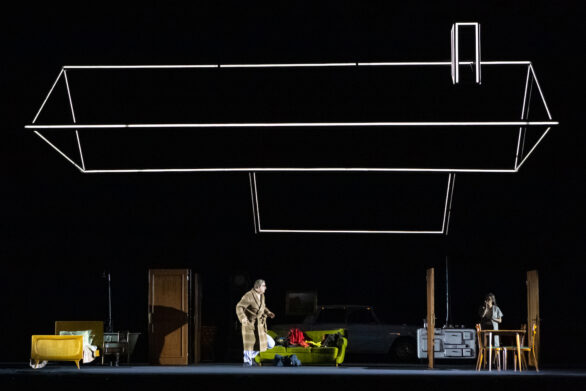
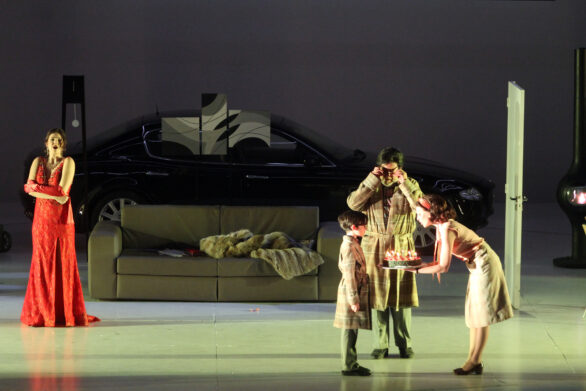
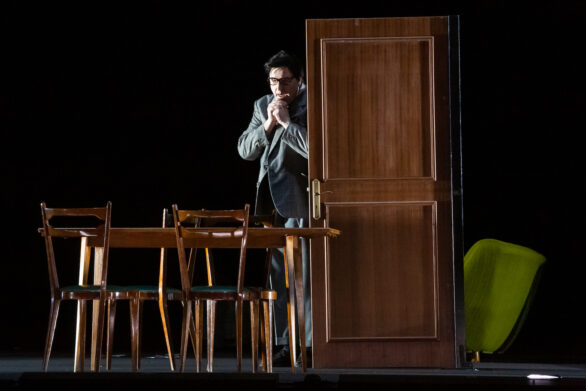
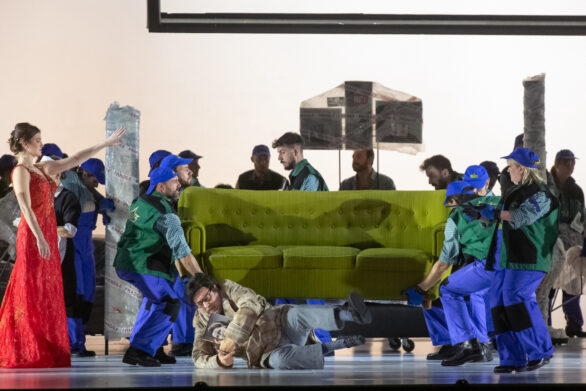
Music by Giuseppe Verdi
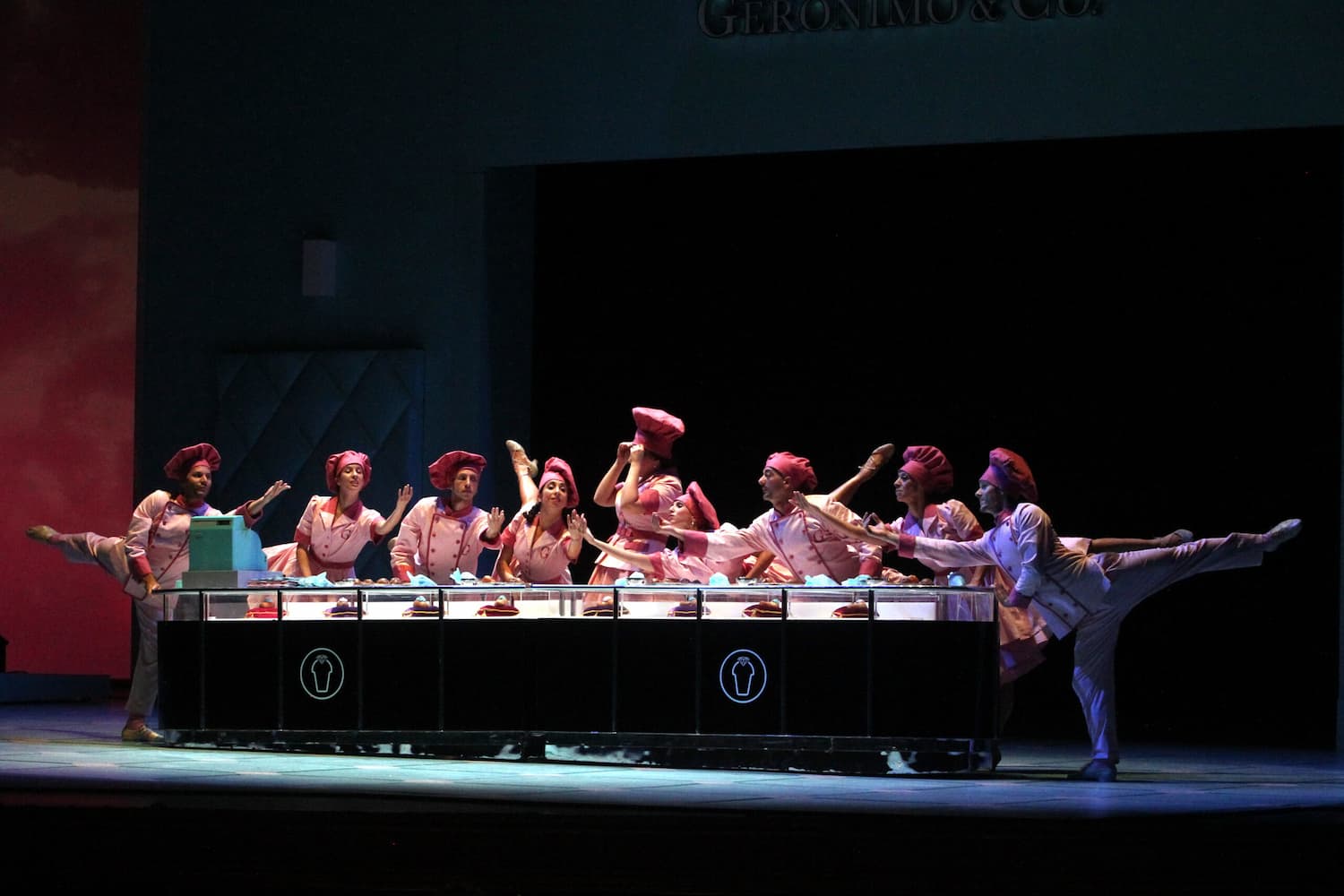
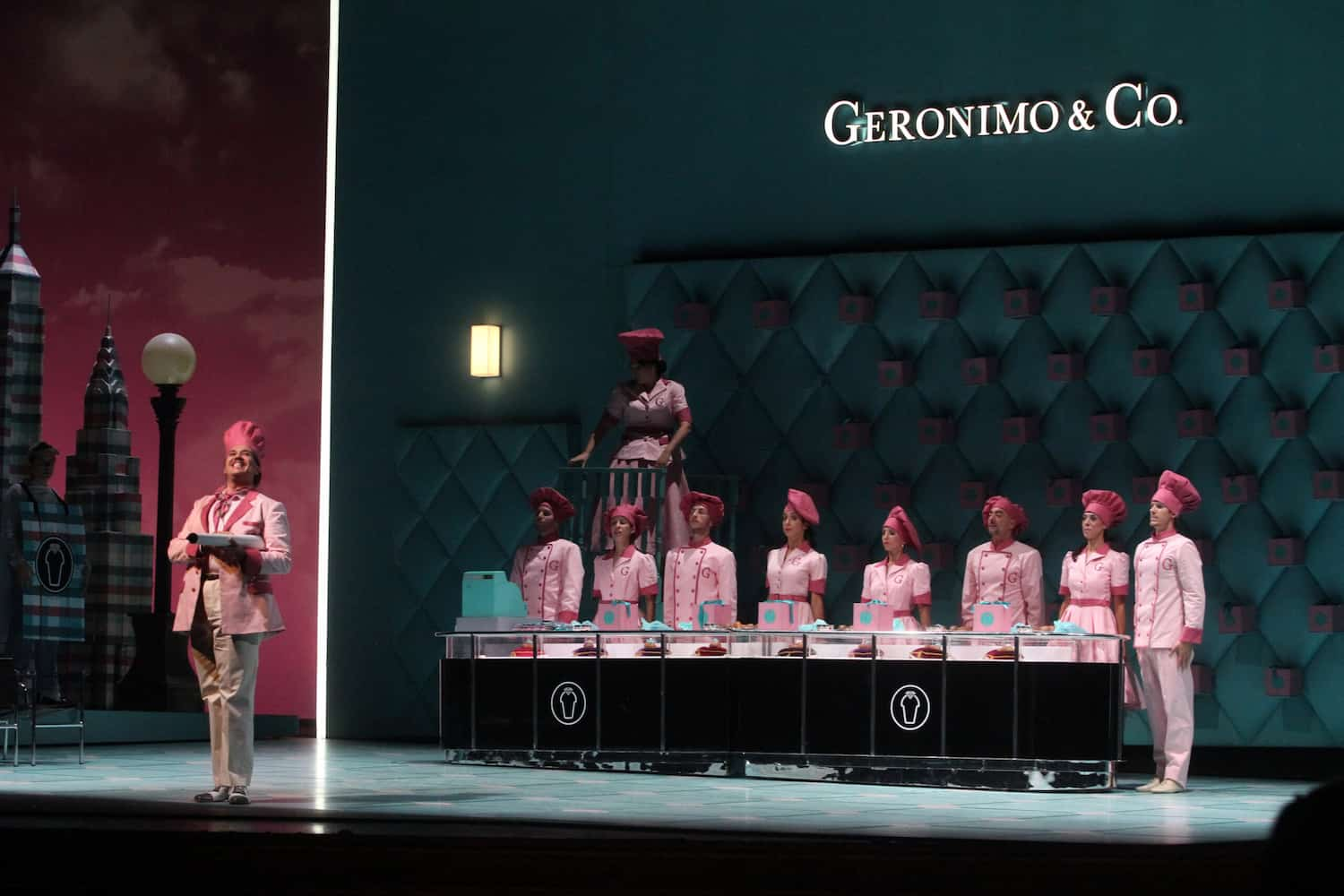
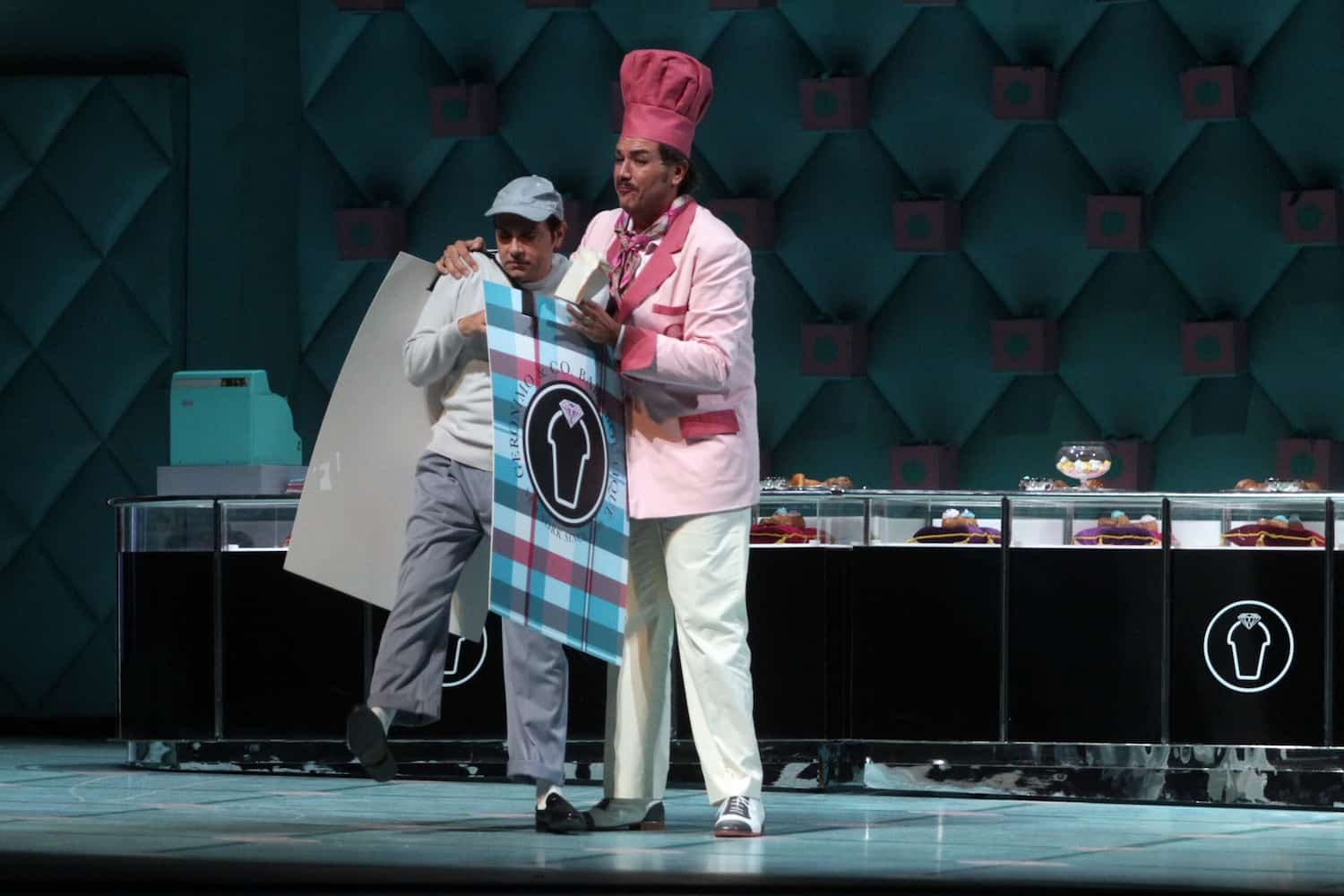
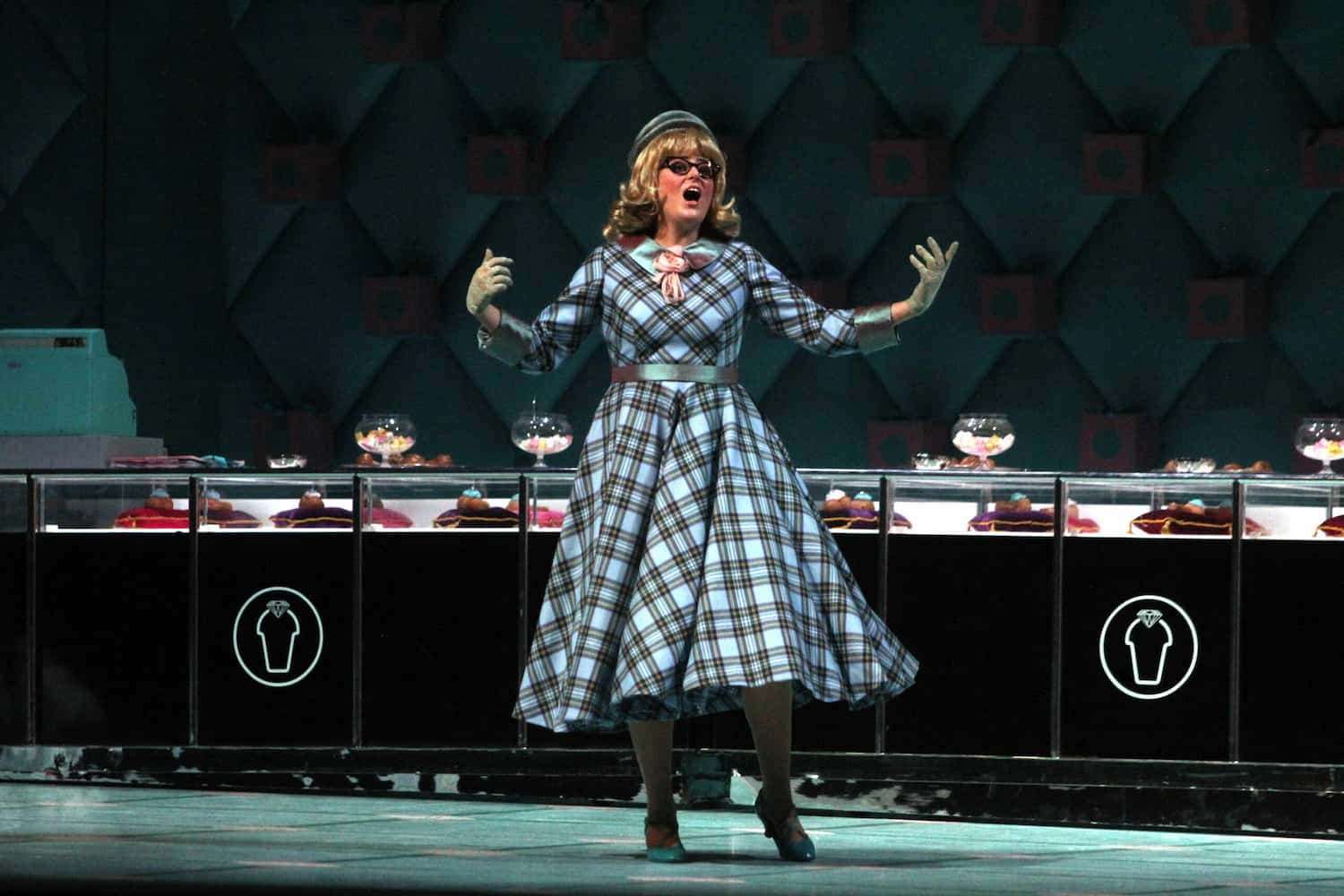
Conductor Carlo Goldstein
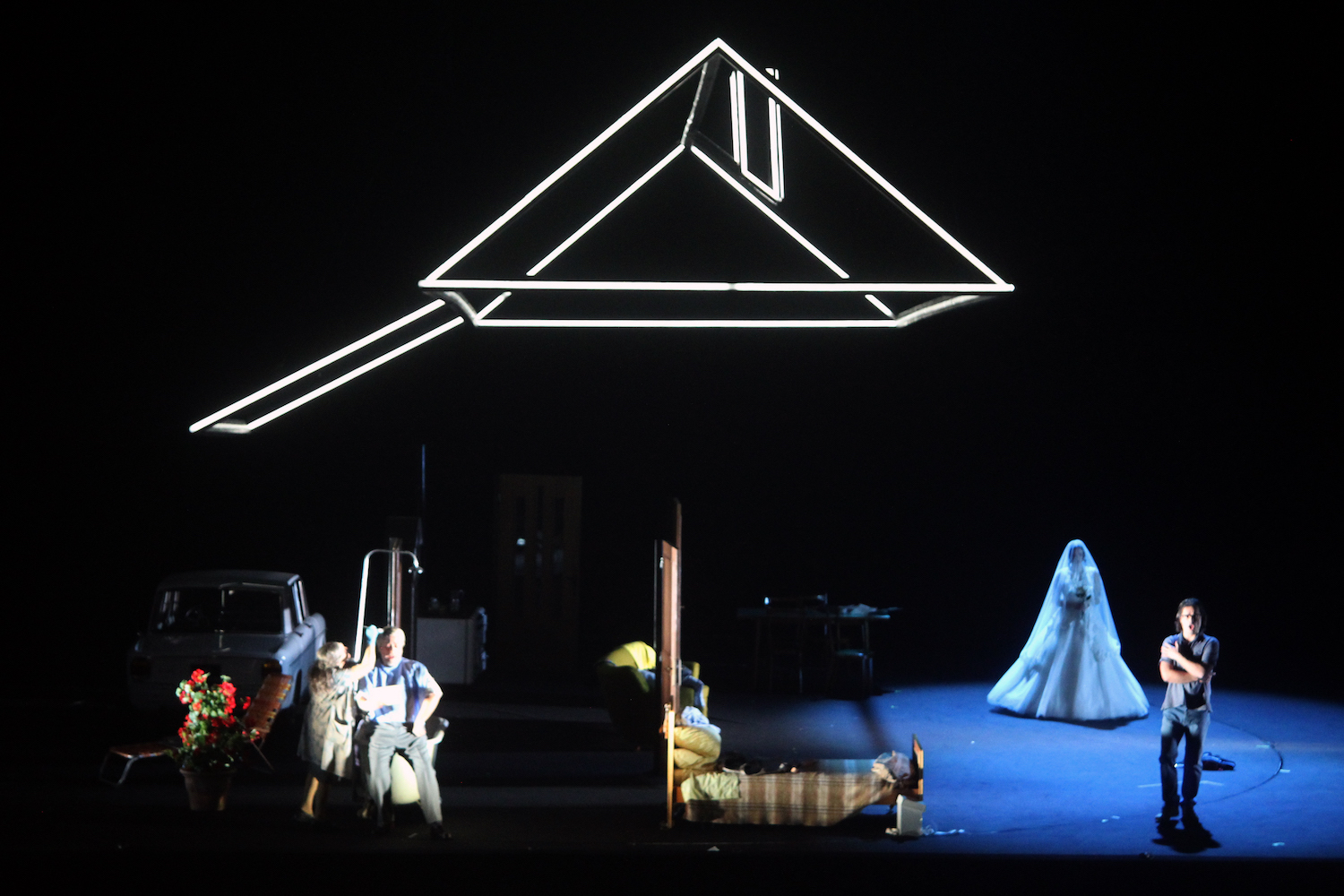
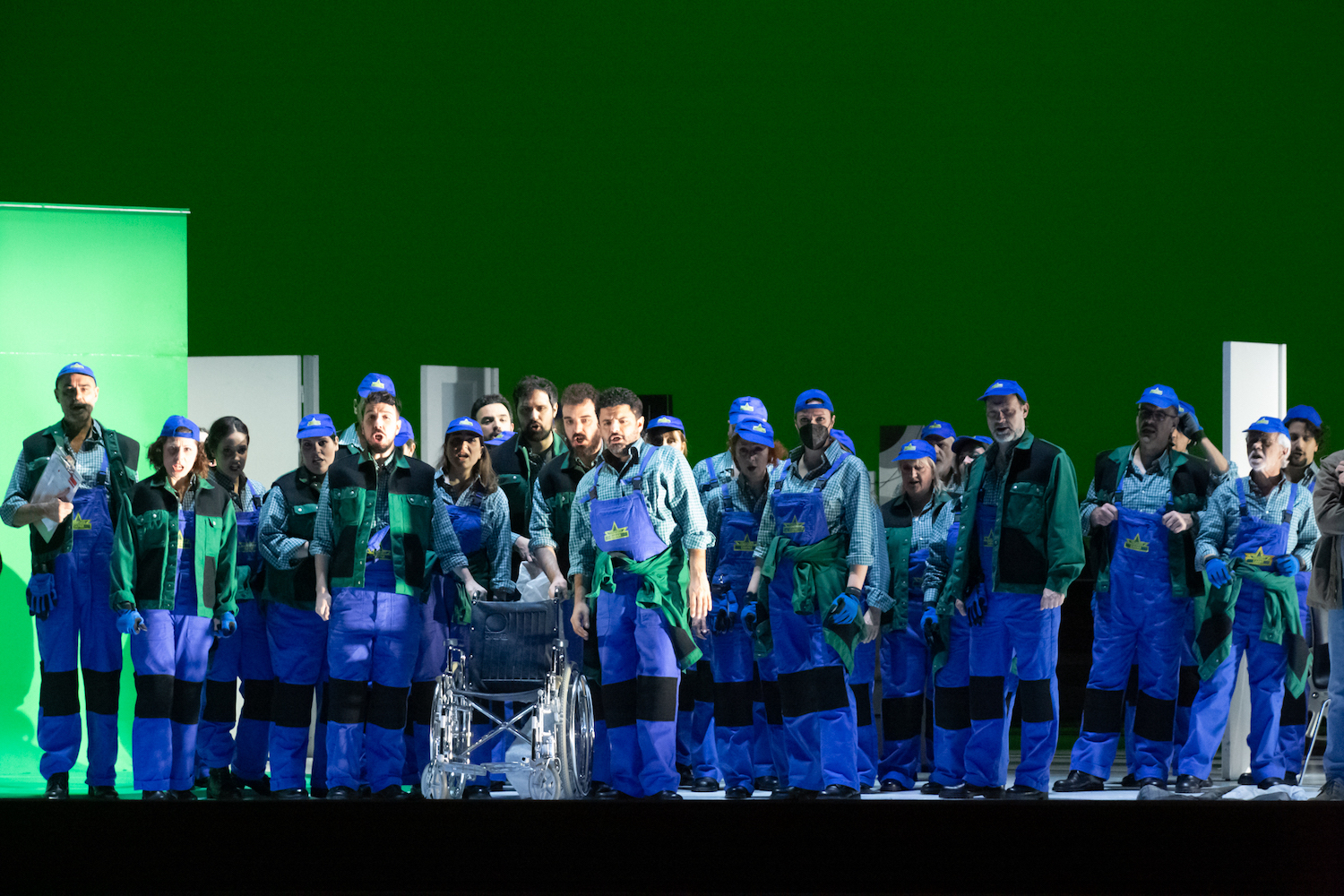
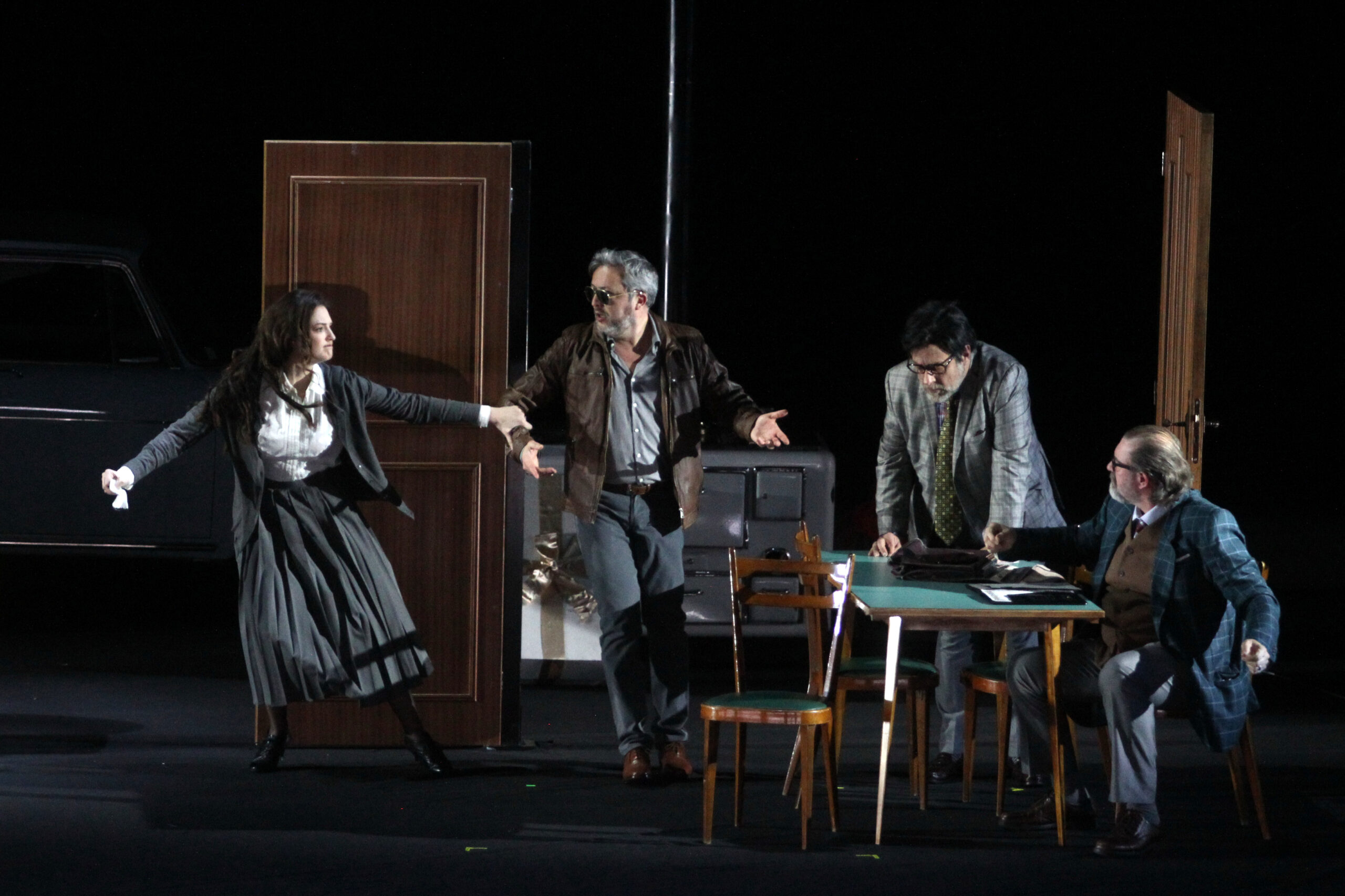
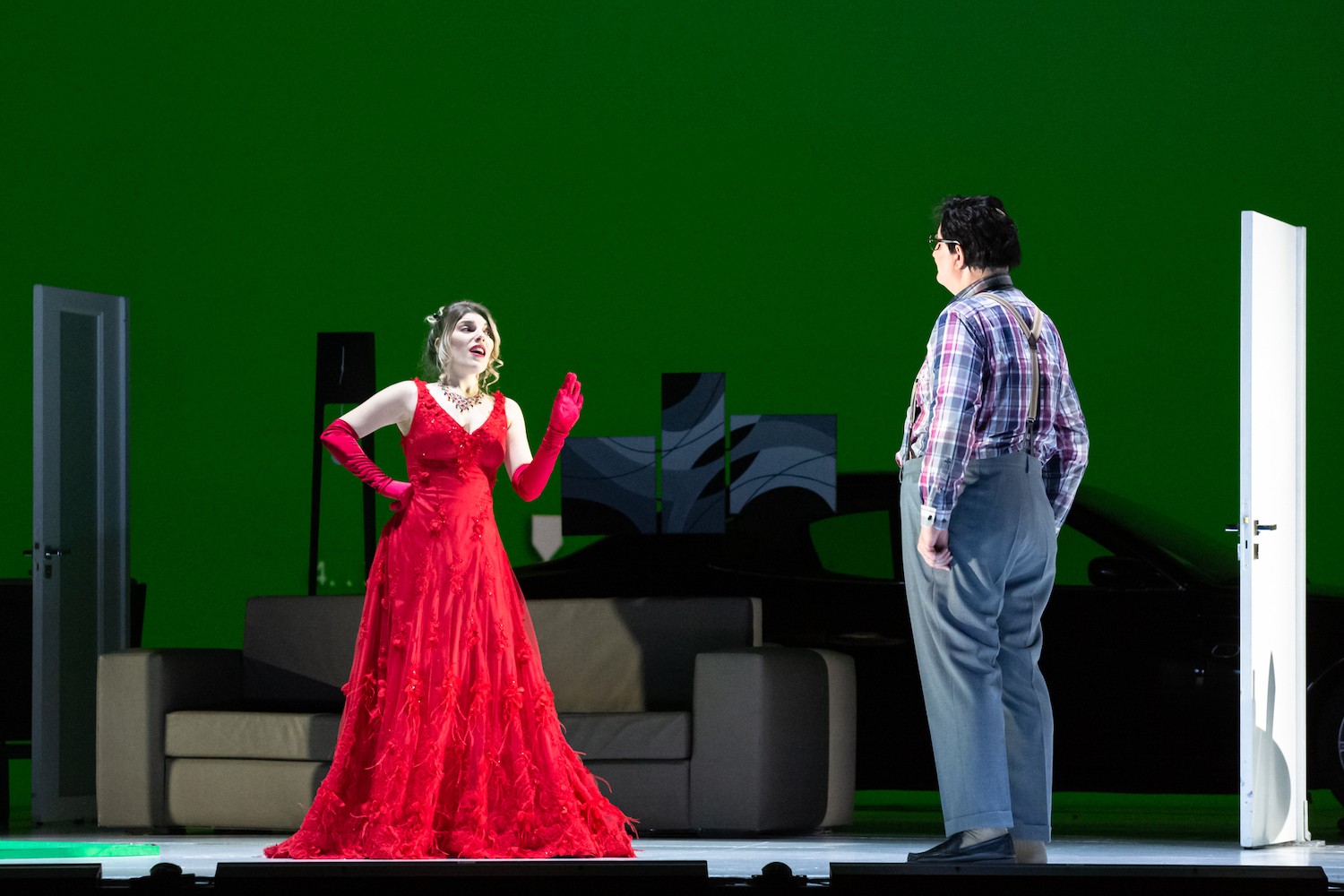
Director Mario Pontiggia
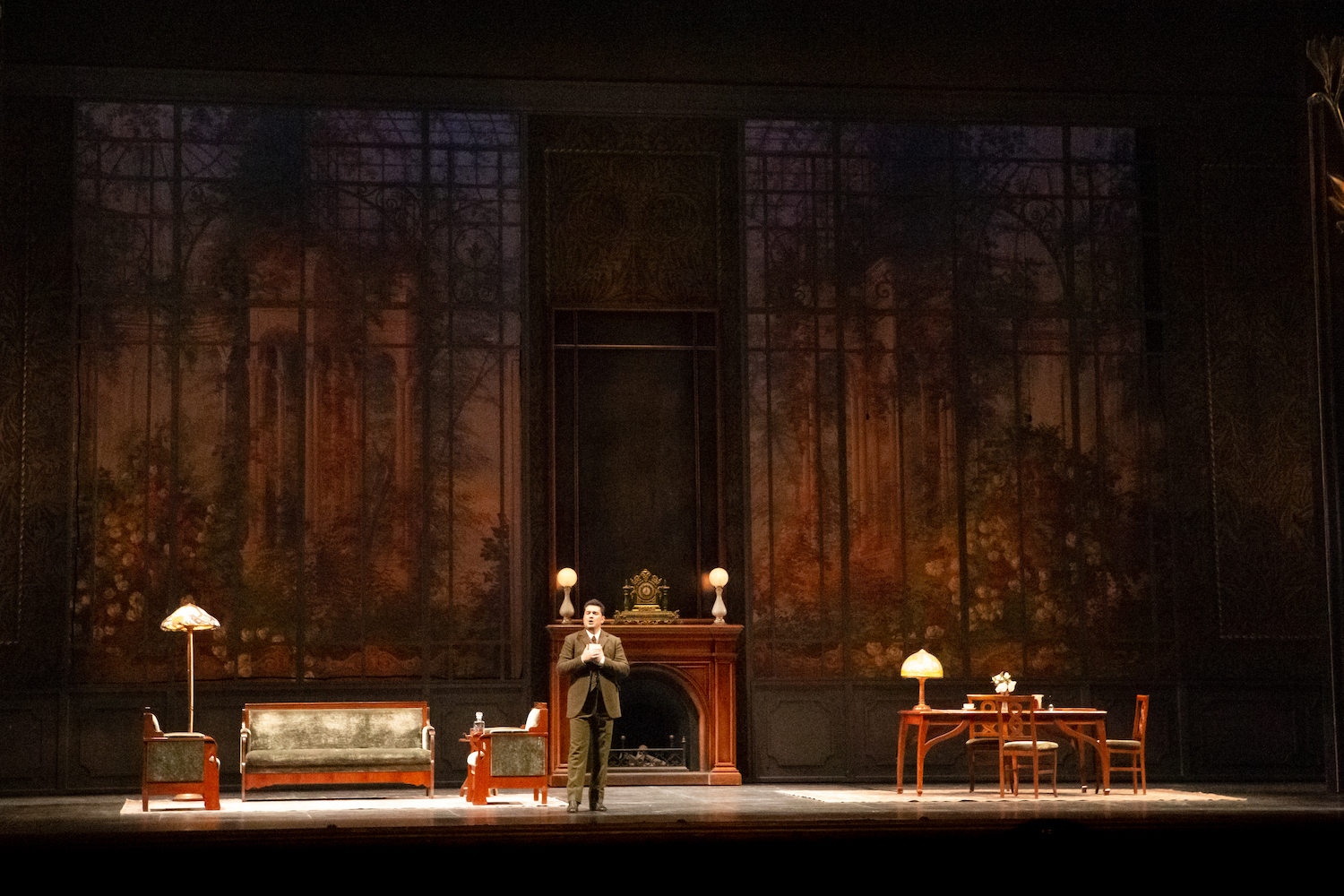
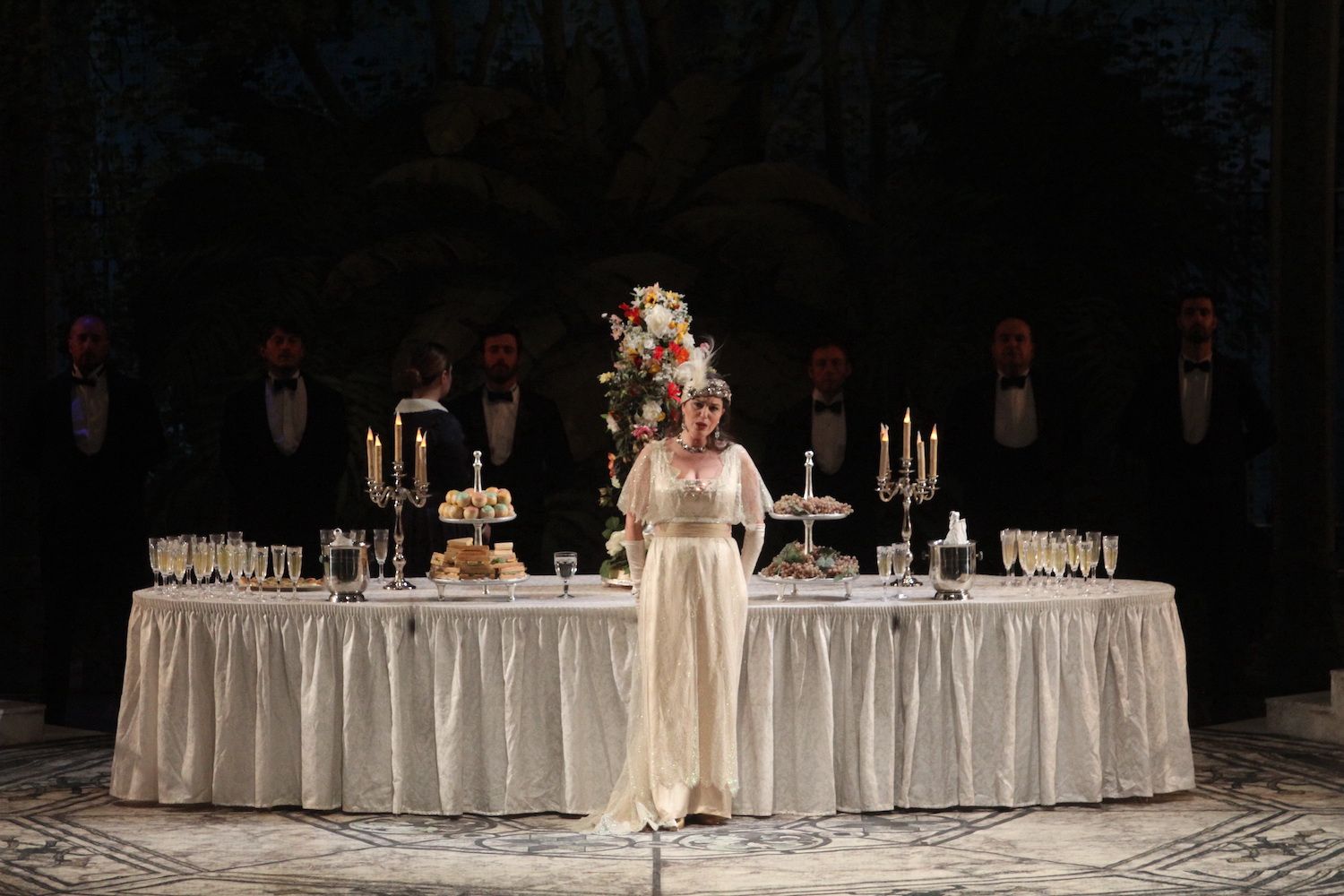
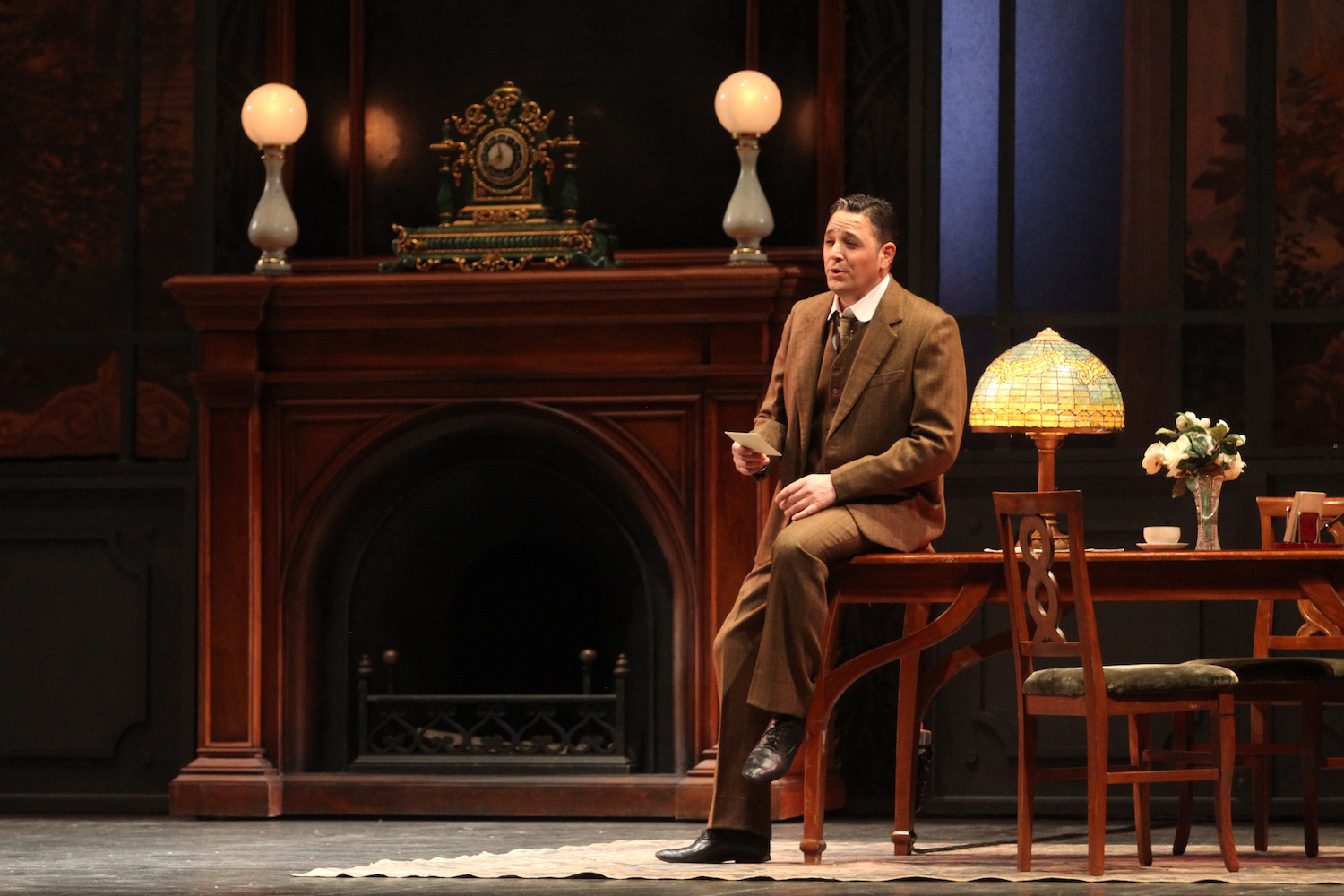
Scene Designs Francesco Zito and Antonella Conte
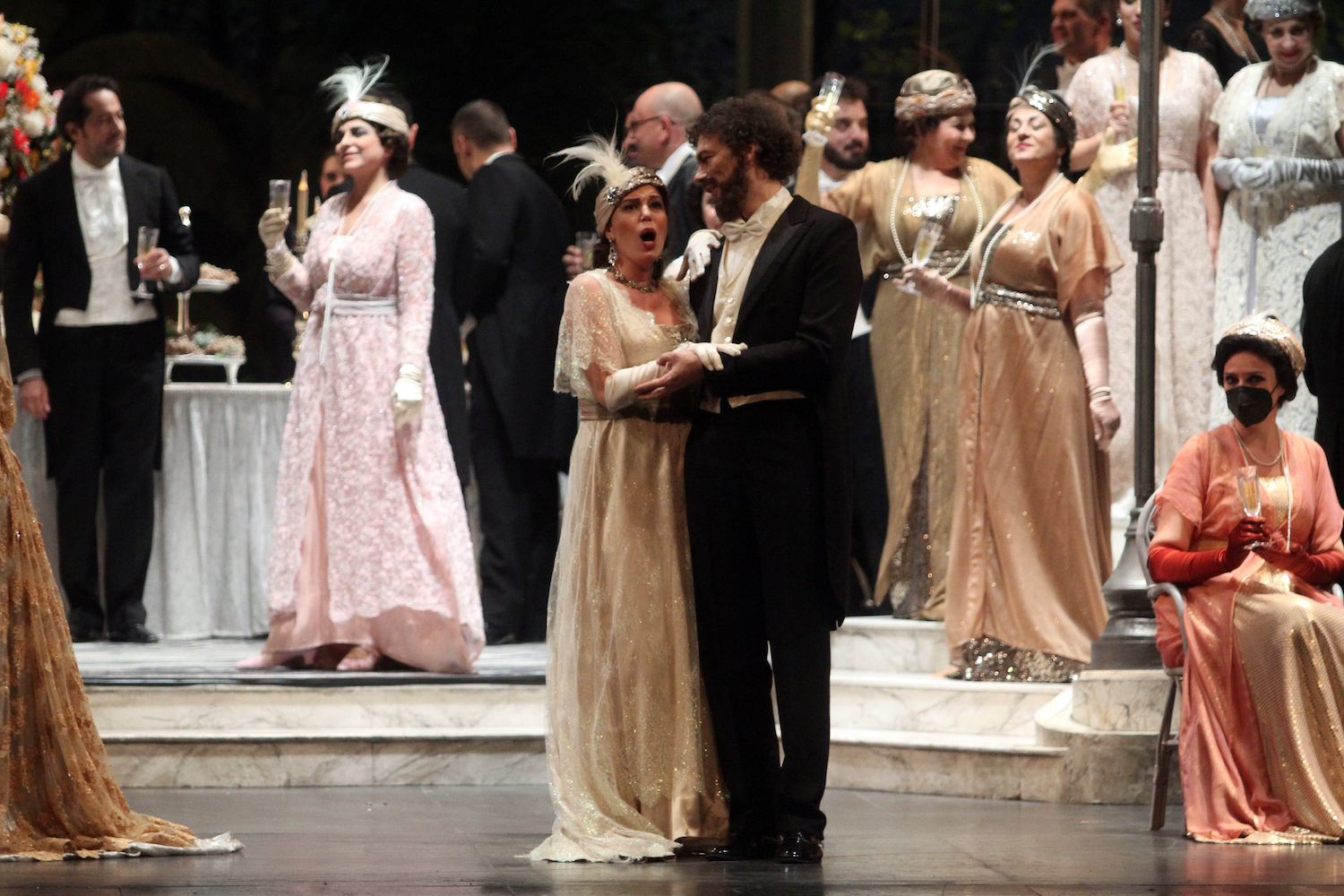
Costume Designs Francesco Zito
Lighting Designs Bruno Ciulli
Coreographer Gaetano La Mantia
Assistant Director Angelica Dettori
A production of the Teatro Massimo
Cast
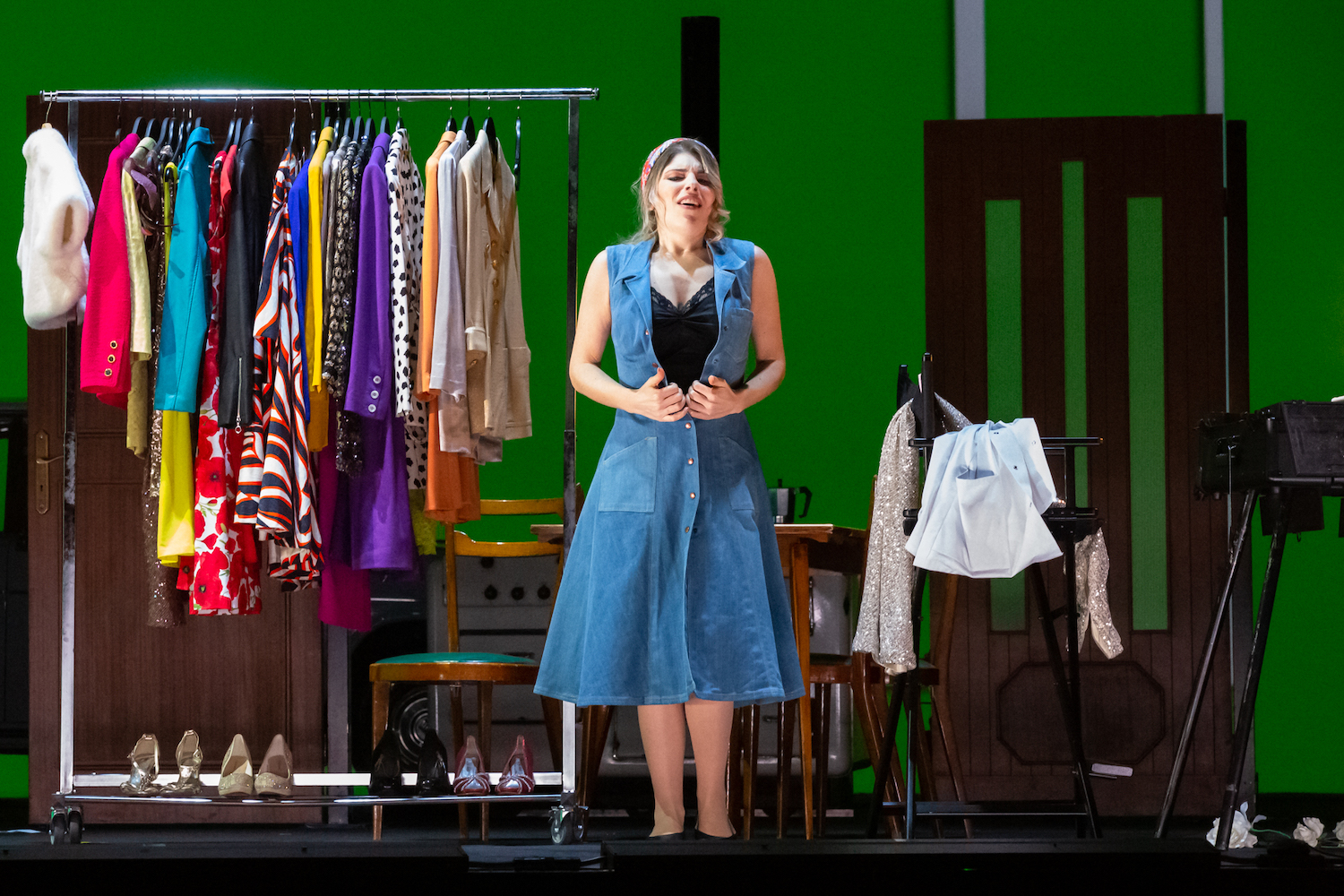
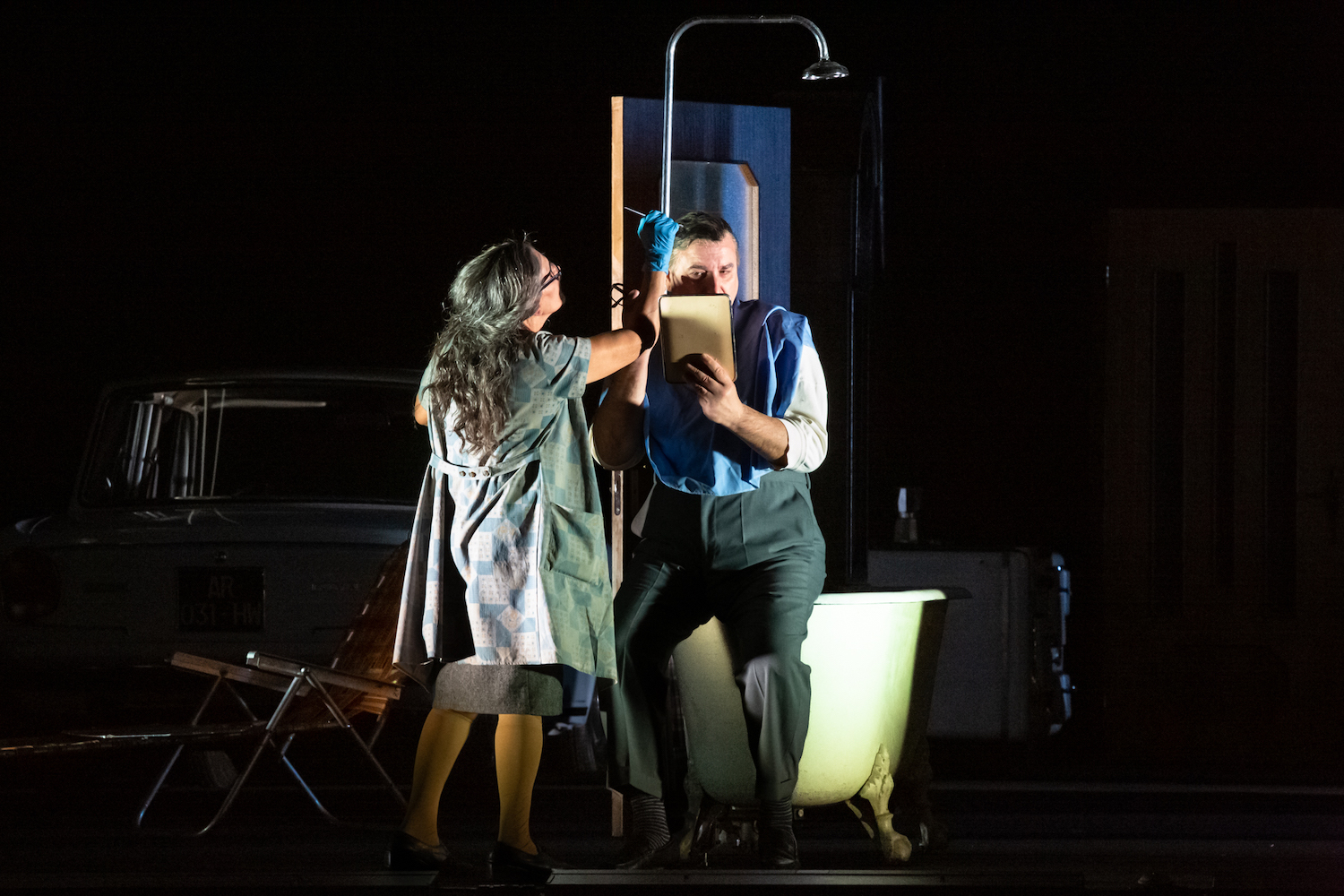
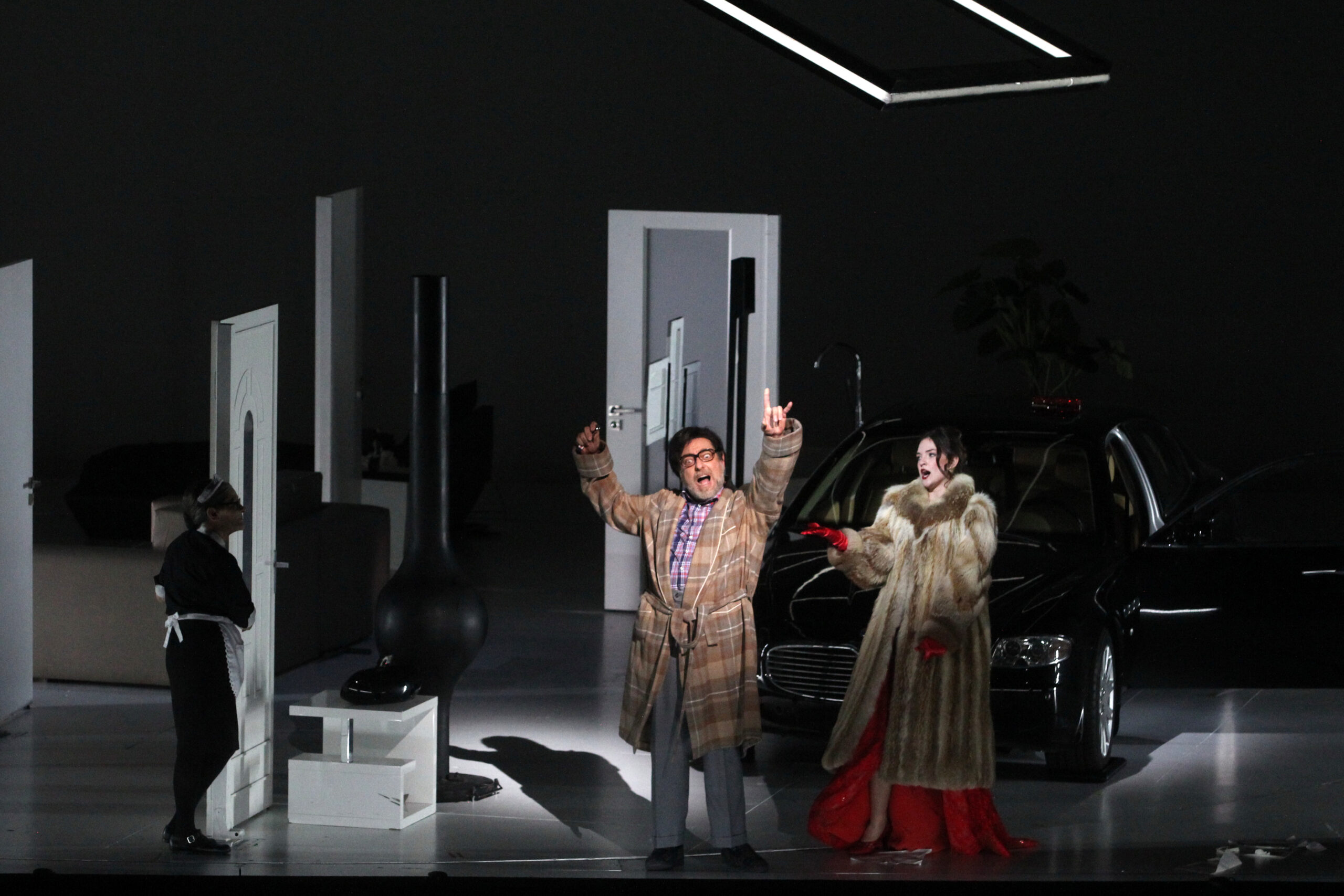
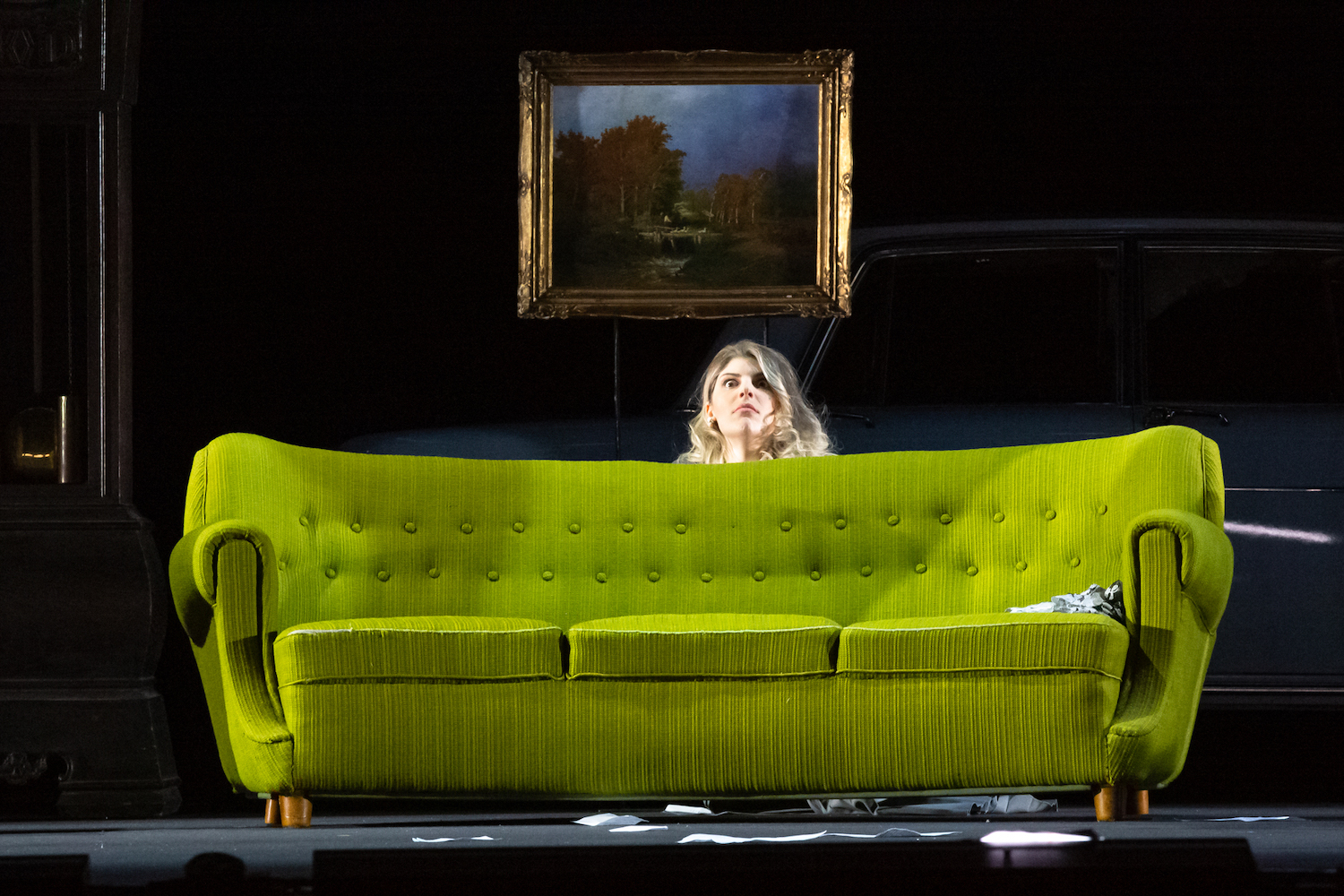
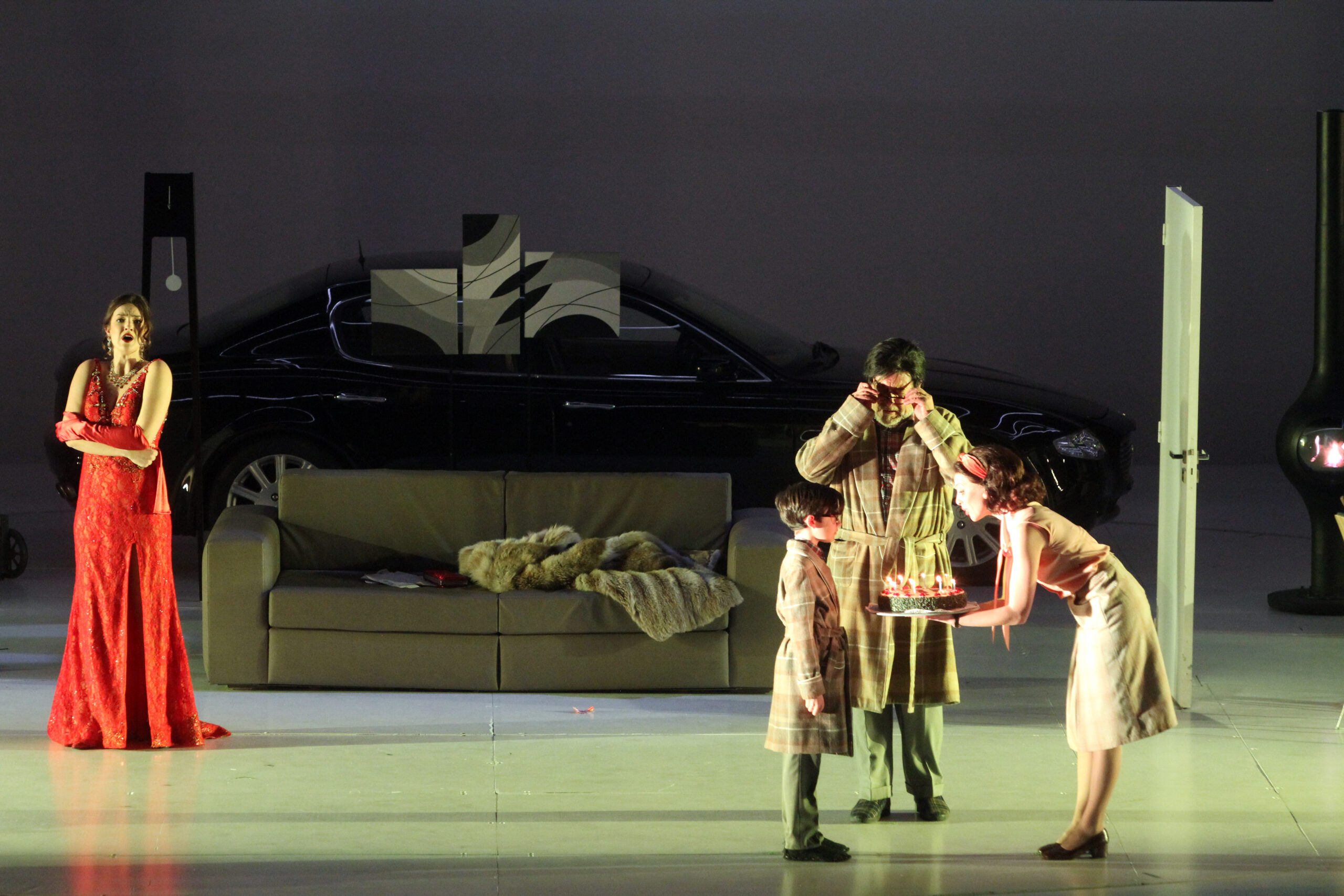
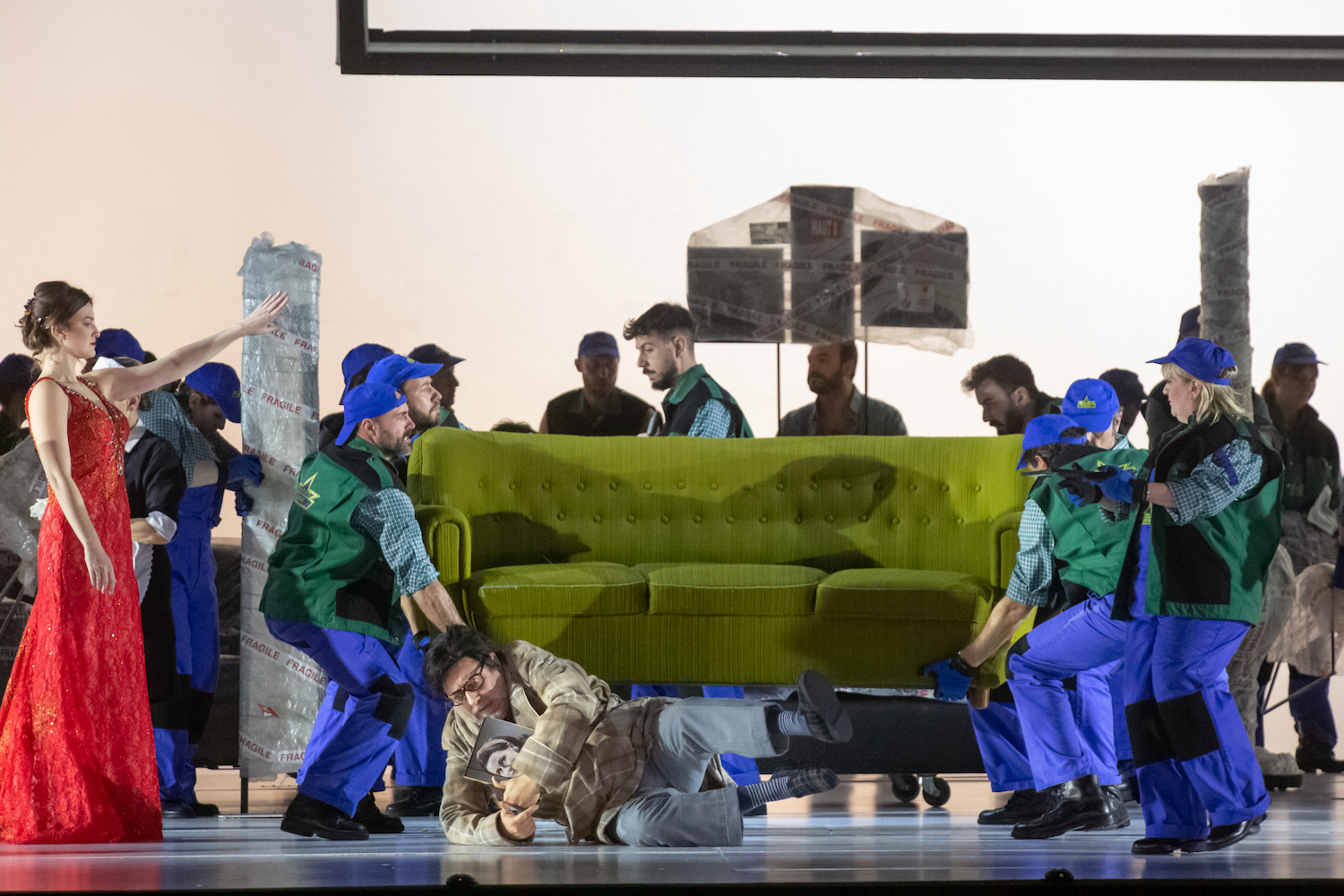
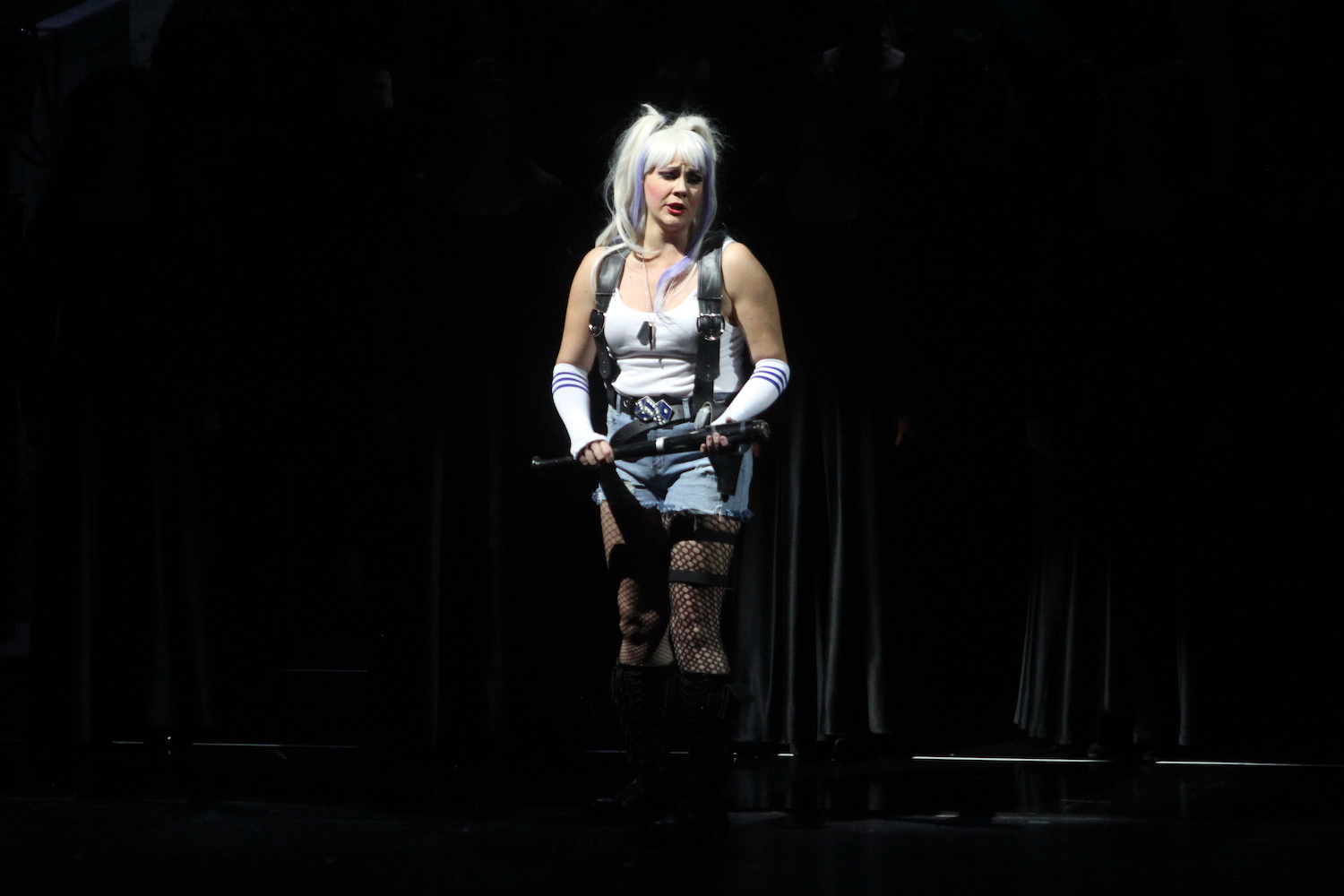
Violetta Nino Machaidze (17, 20, 22, 24) / Jessica Nuccio (18, 19, 21)
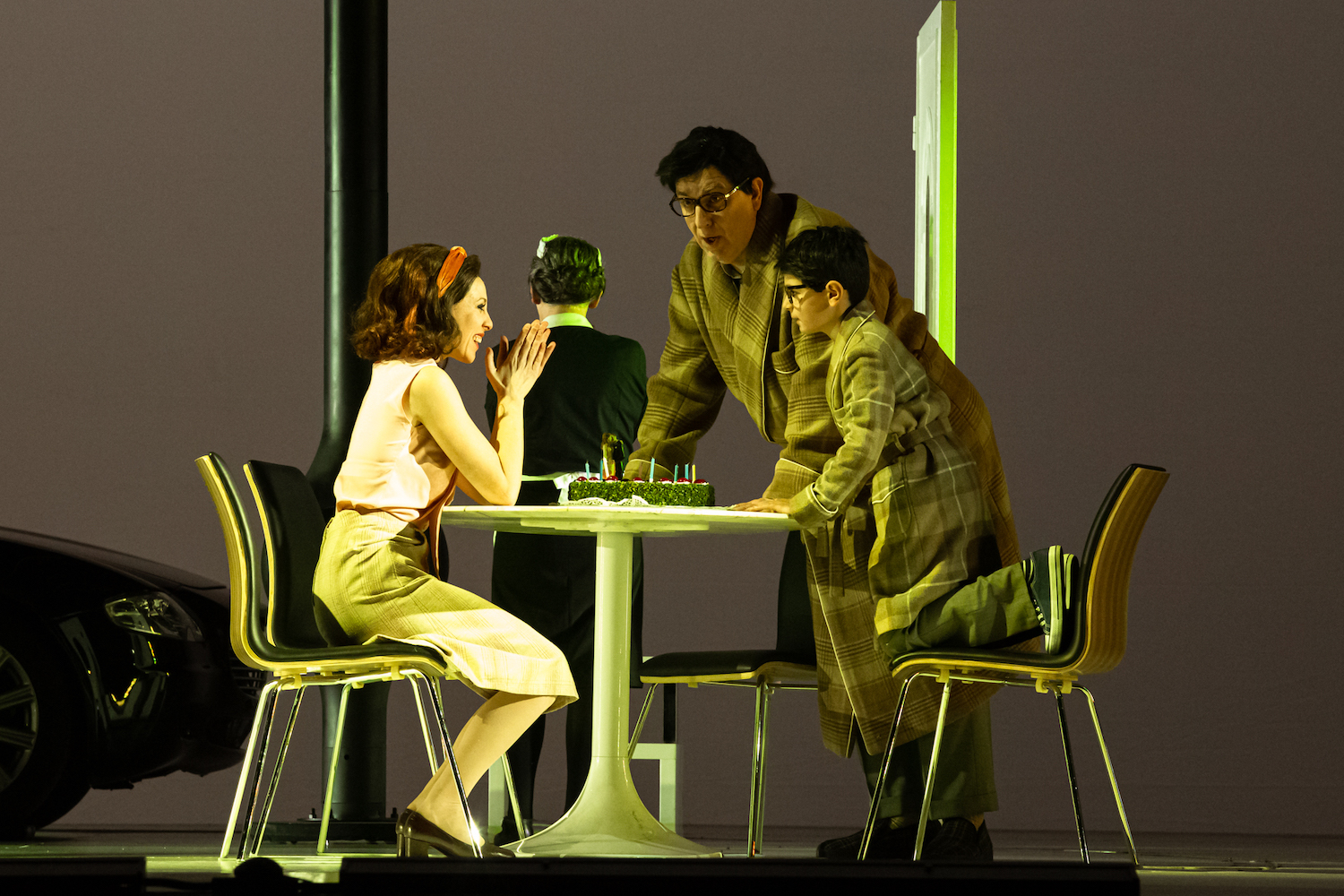
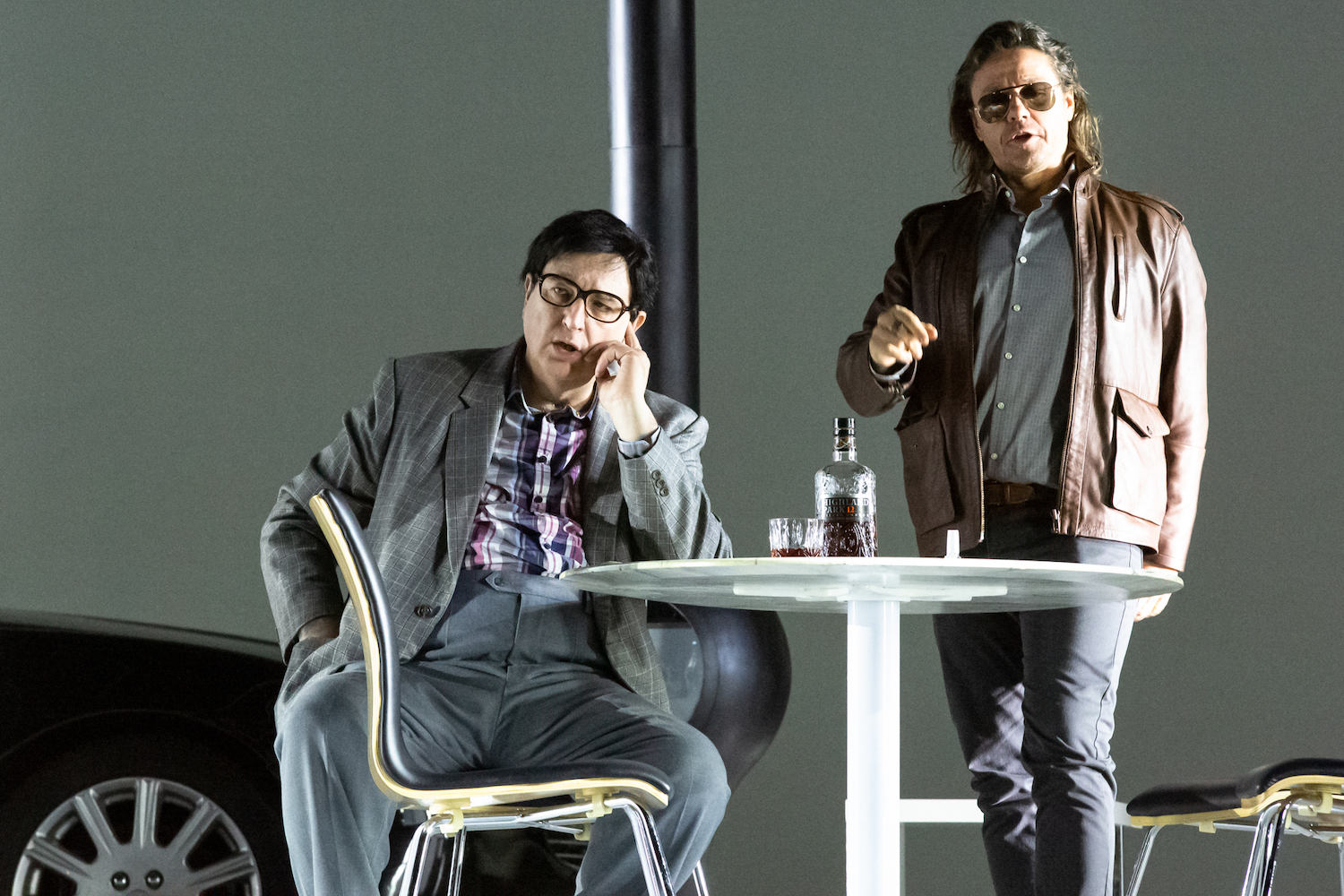
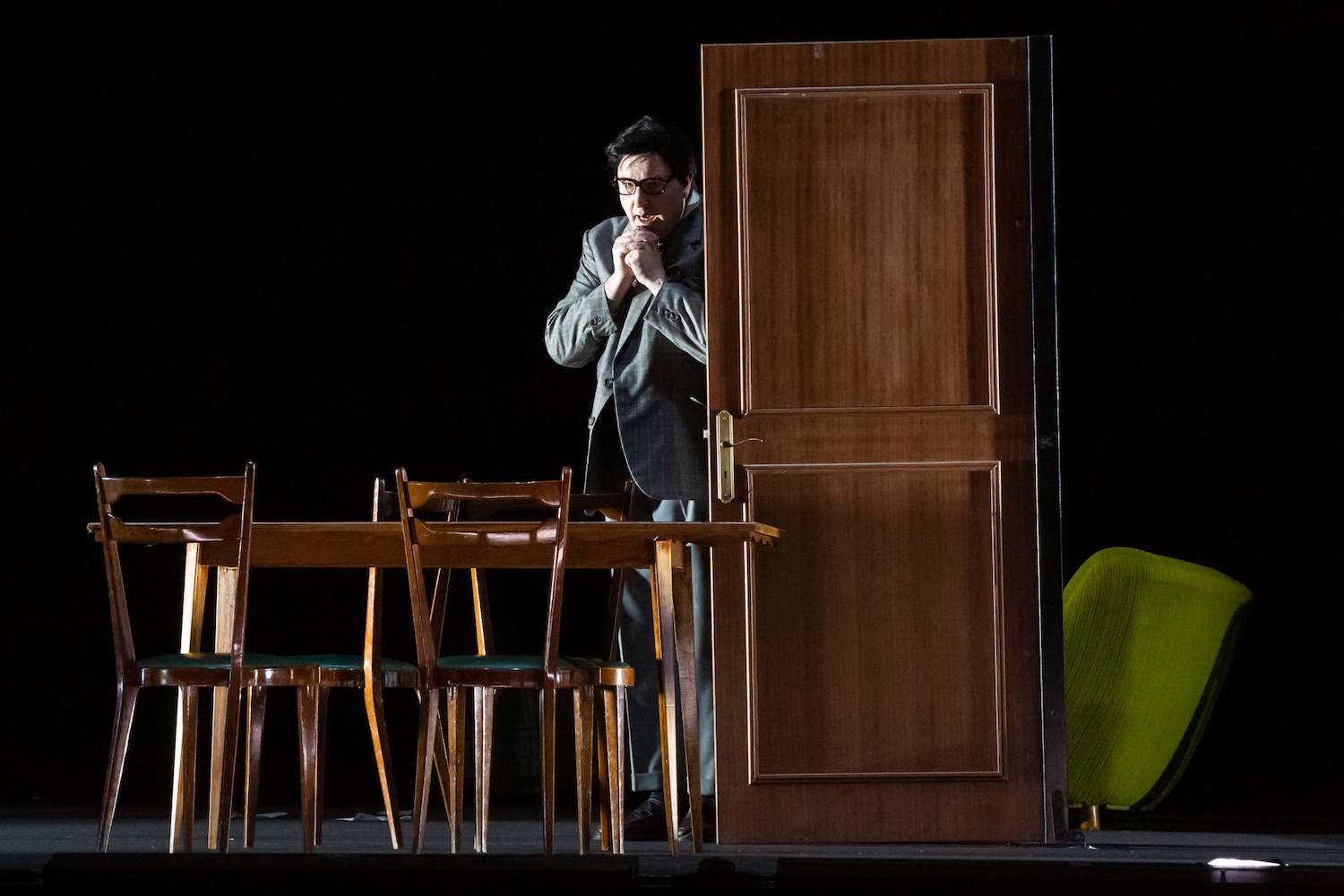
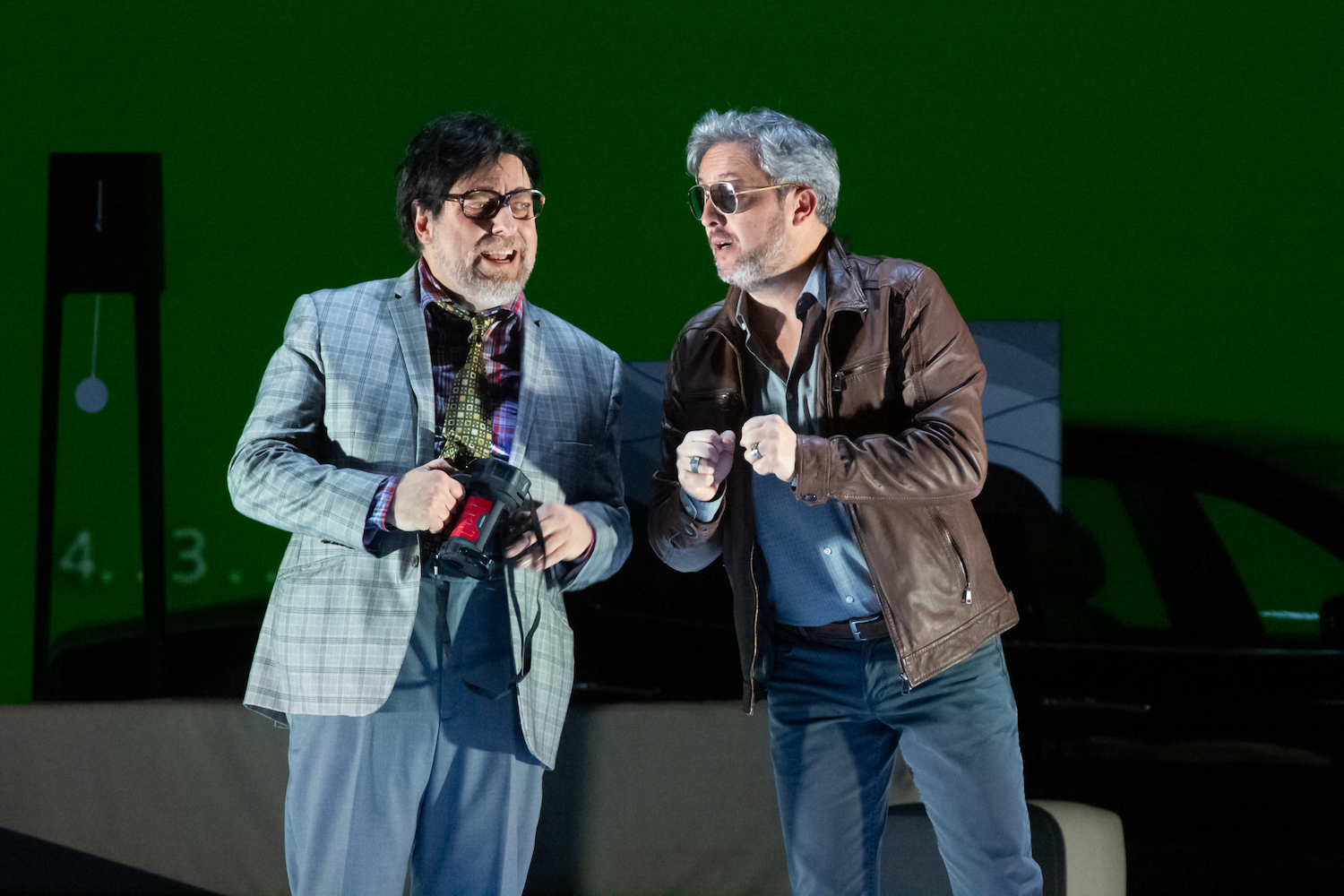
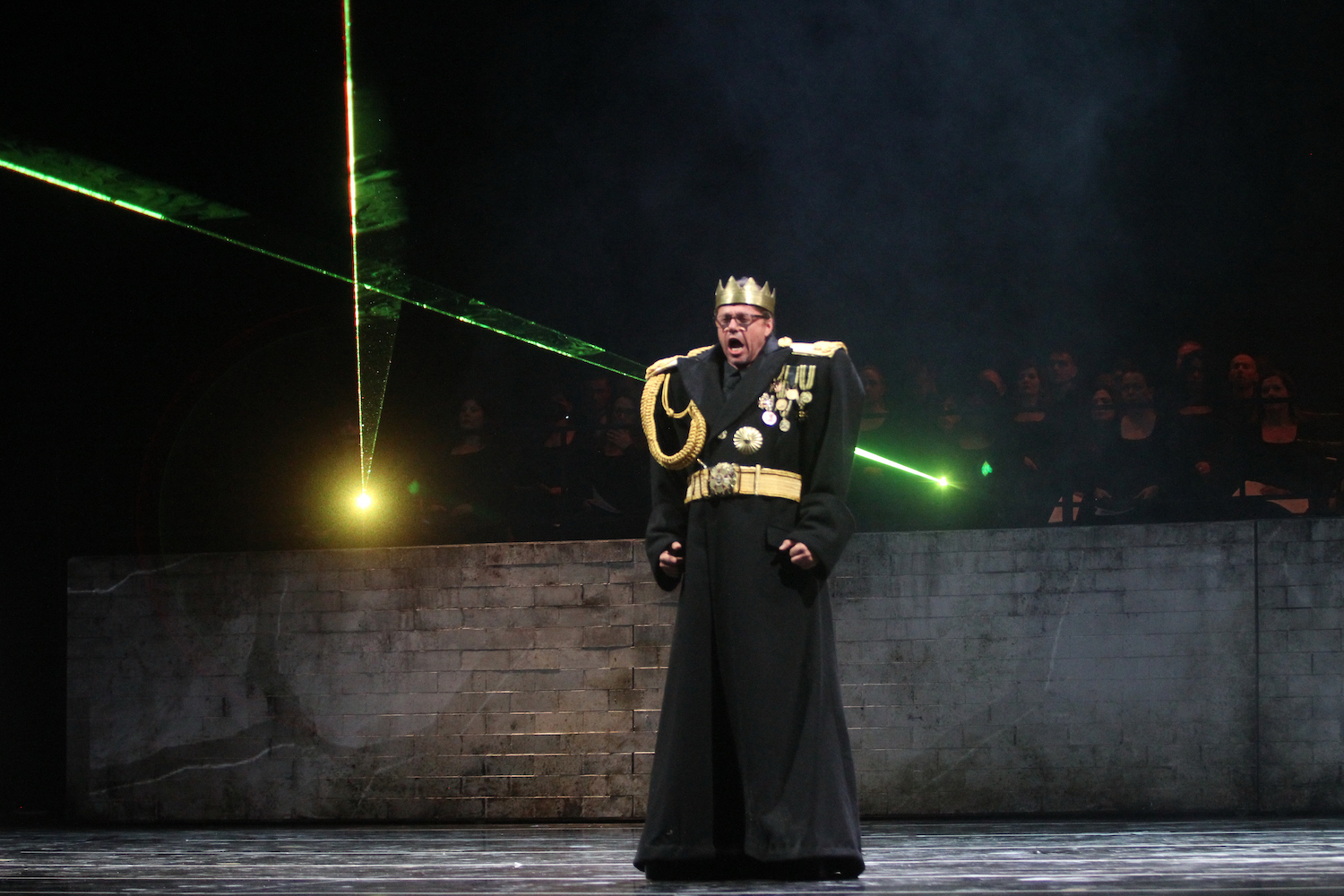
Giorgio Germont Roberto Frontali (17, 20, 22) / Francesco Vultaggio (18, 19, 21, 24)
Alfredo Saimir Pirgu (17, 20, 22) / Giulio Pelligra (19, 24) / Alessandro Scotto Di Luzio (18, 21)
Flora Tonia Langella
Gastone Blagoj Nacoski
Il Barone Douphol Italo Proferisce
Il marchese d’Obigny Luciano Roberti
Il dottor Grenvil Andrea Comelli
Annina Francesca Manzo
Giuseppe Alfio Vacanti (17, 20, 22, 24) / Carlo Morgante (18, 19, 21)
Un domestico di Flora / Un commissionario Antonio Barbagallo (17, 20, 22, 24) / Enrico Cossutta (18, 19, 21)
Zingarella Francesca Davoli (17, 18, 21, 22) / Lucia Ermetto (19, 20, 24)
Matador Michele Morelli (17, 18, 21, 22) / Diego Millesimo (19, 20, 24)
Teatro Massimo Orchestra, Chorus and Ballet
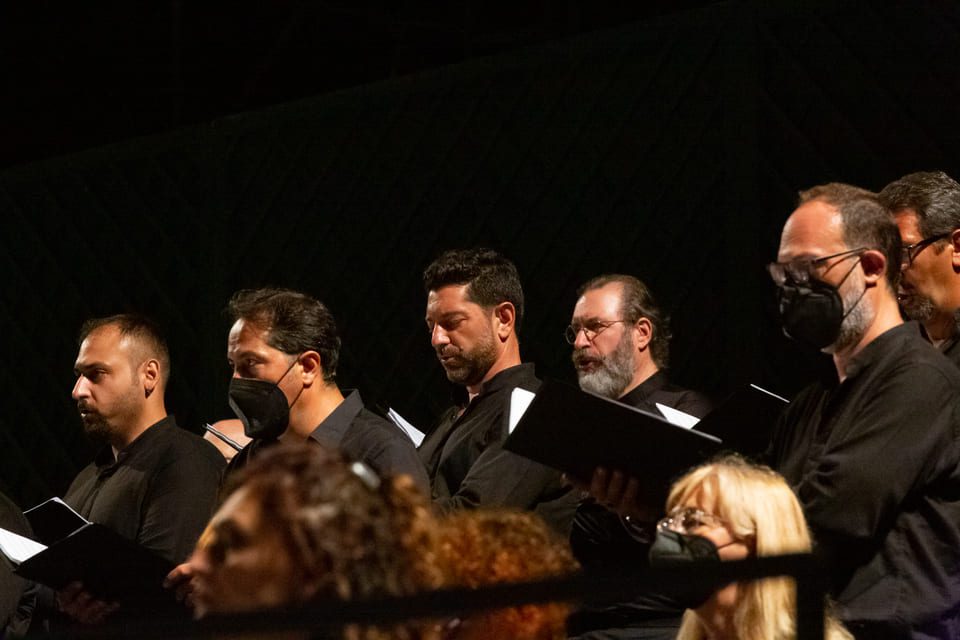
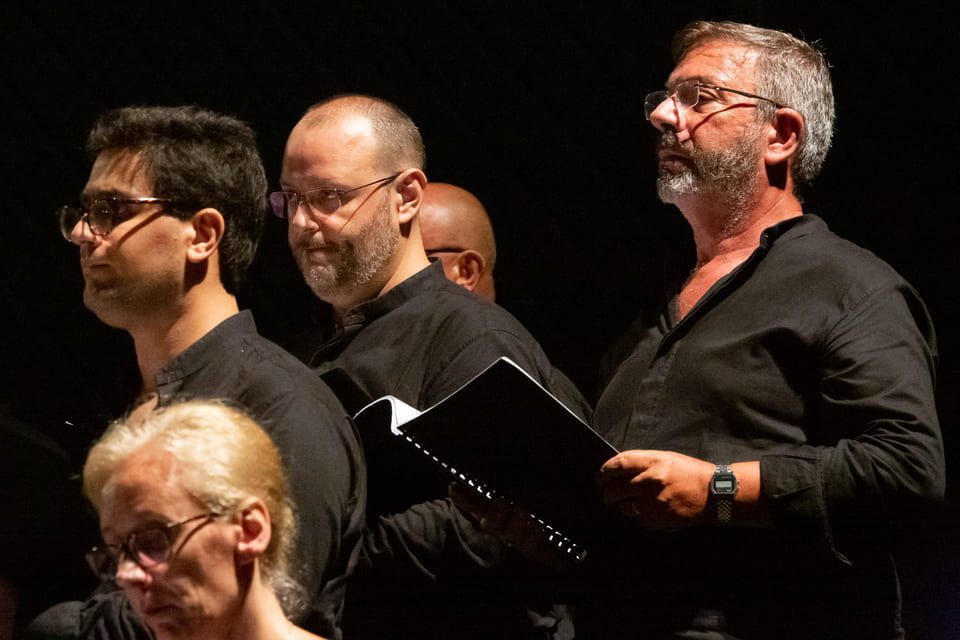
Chorus Master Salvatore Punturo
Ballet Director Jean-Sébastien Colau
Synopsis
ACT I
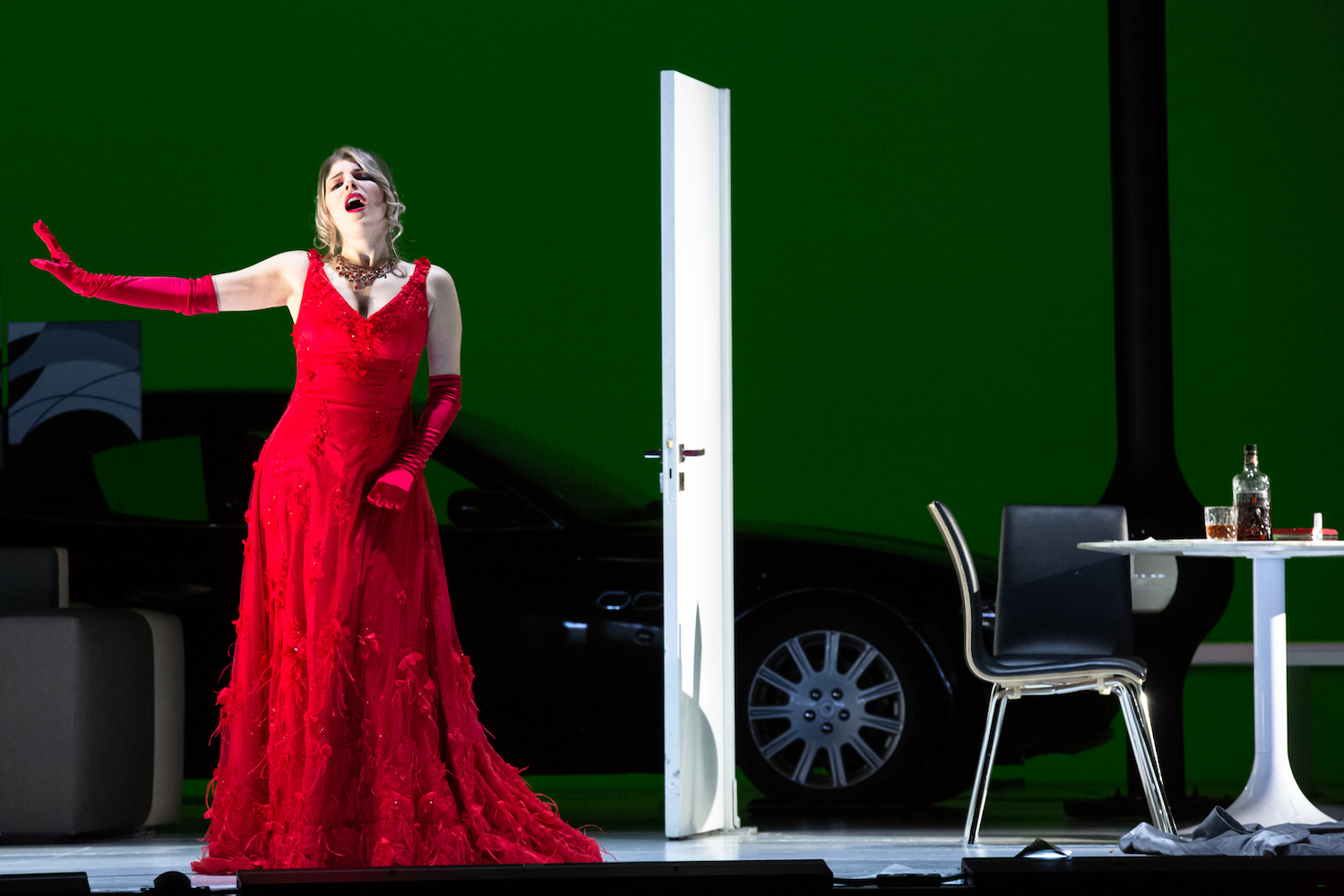
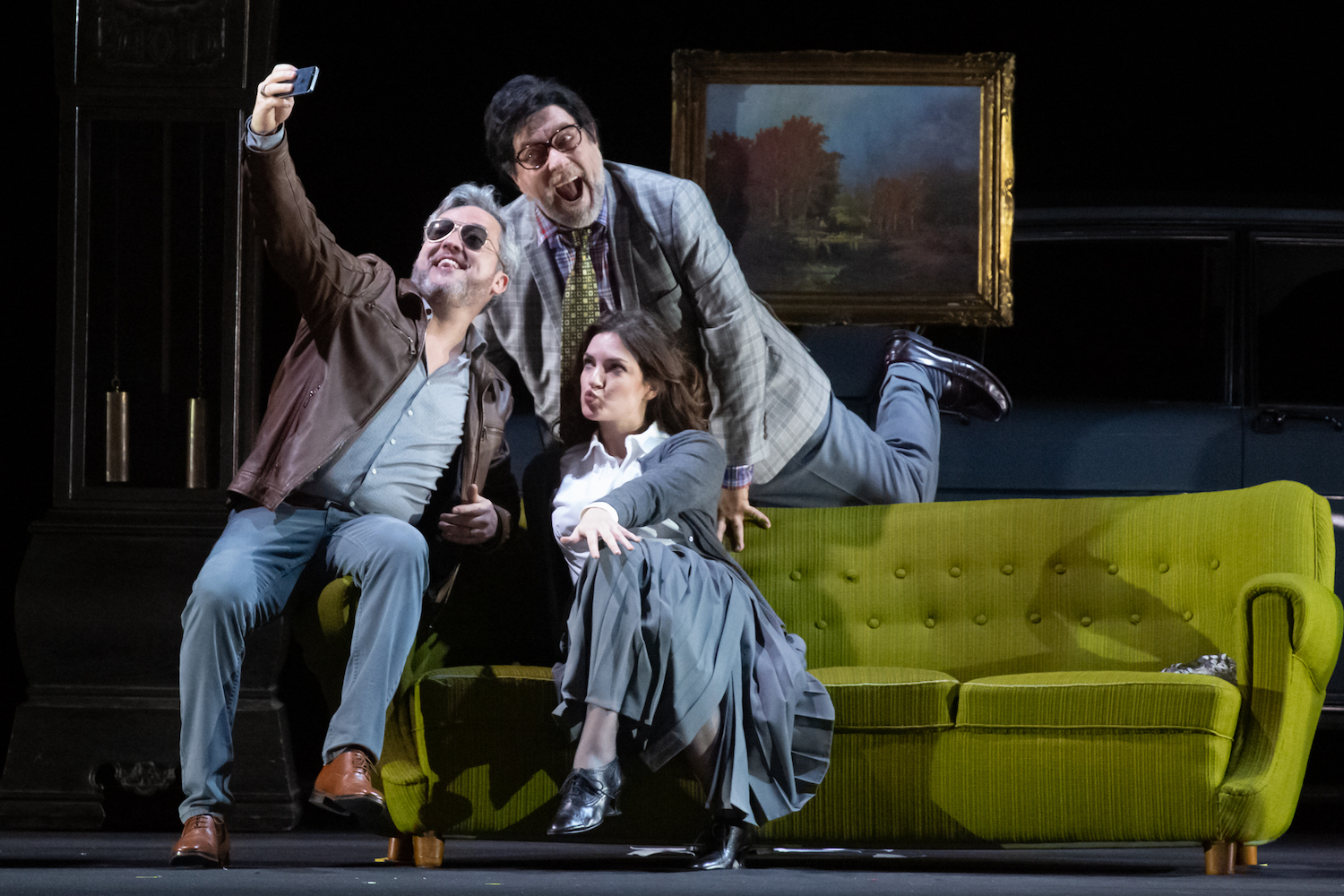
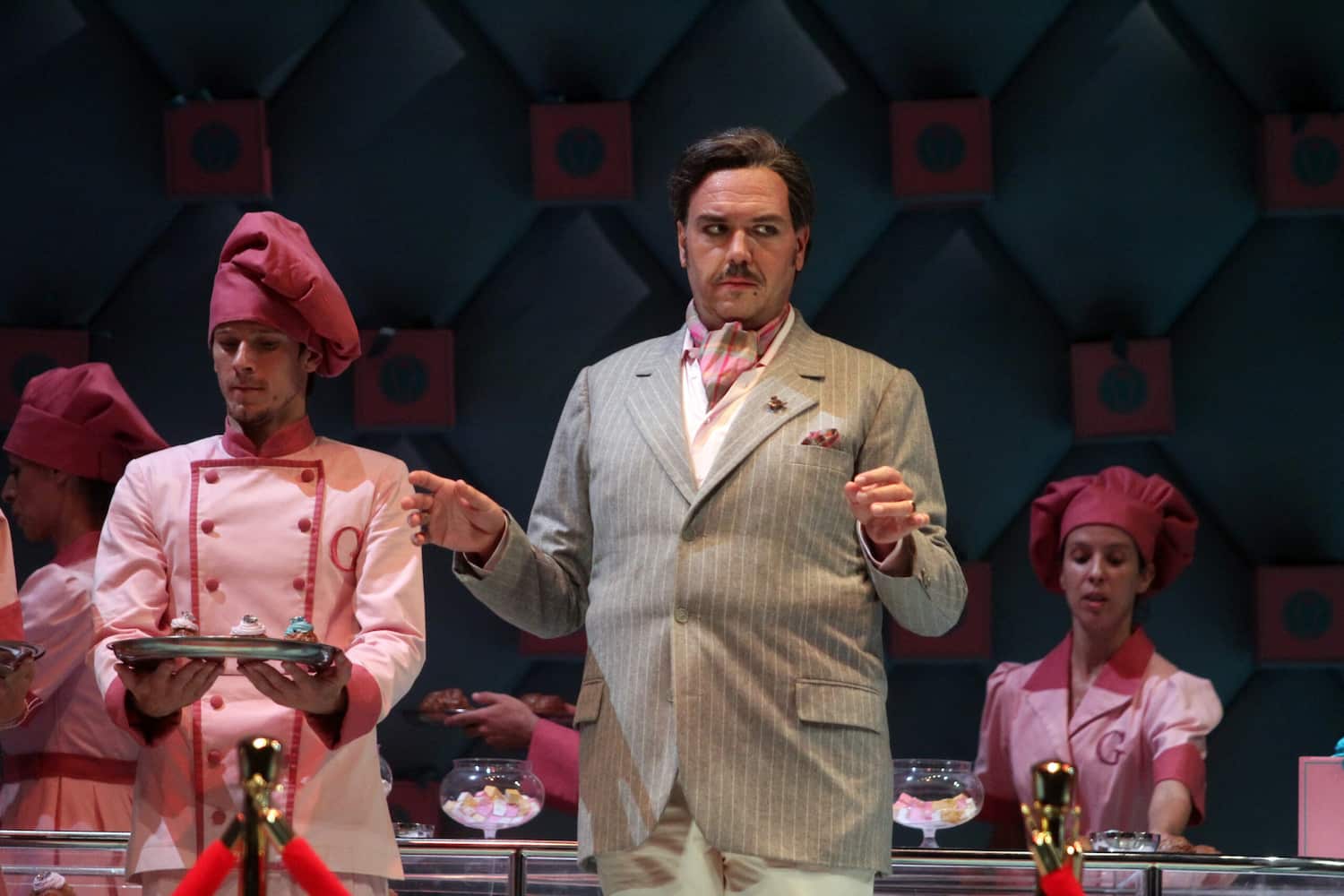
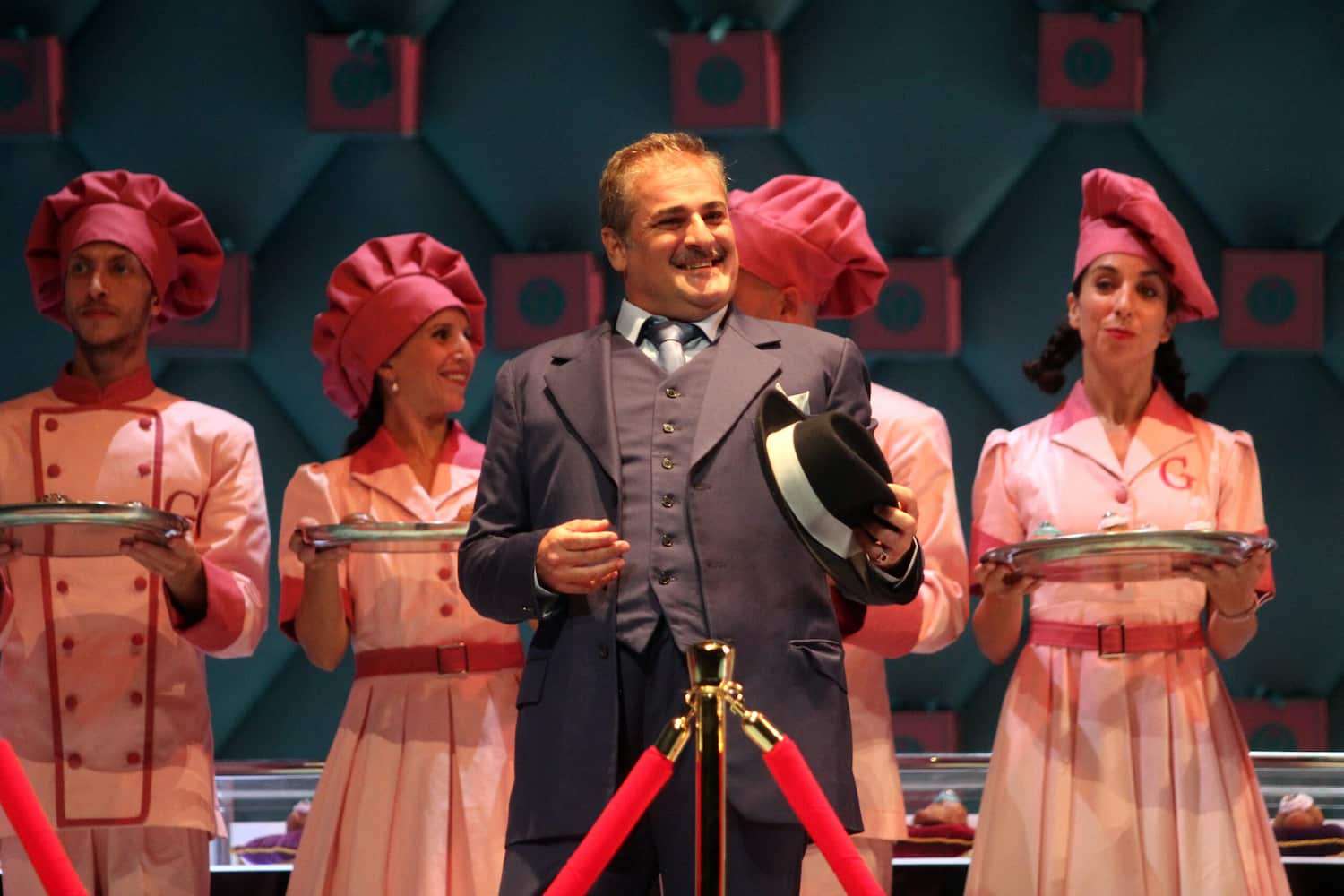
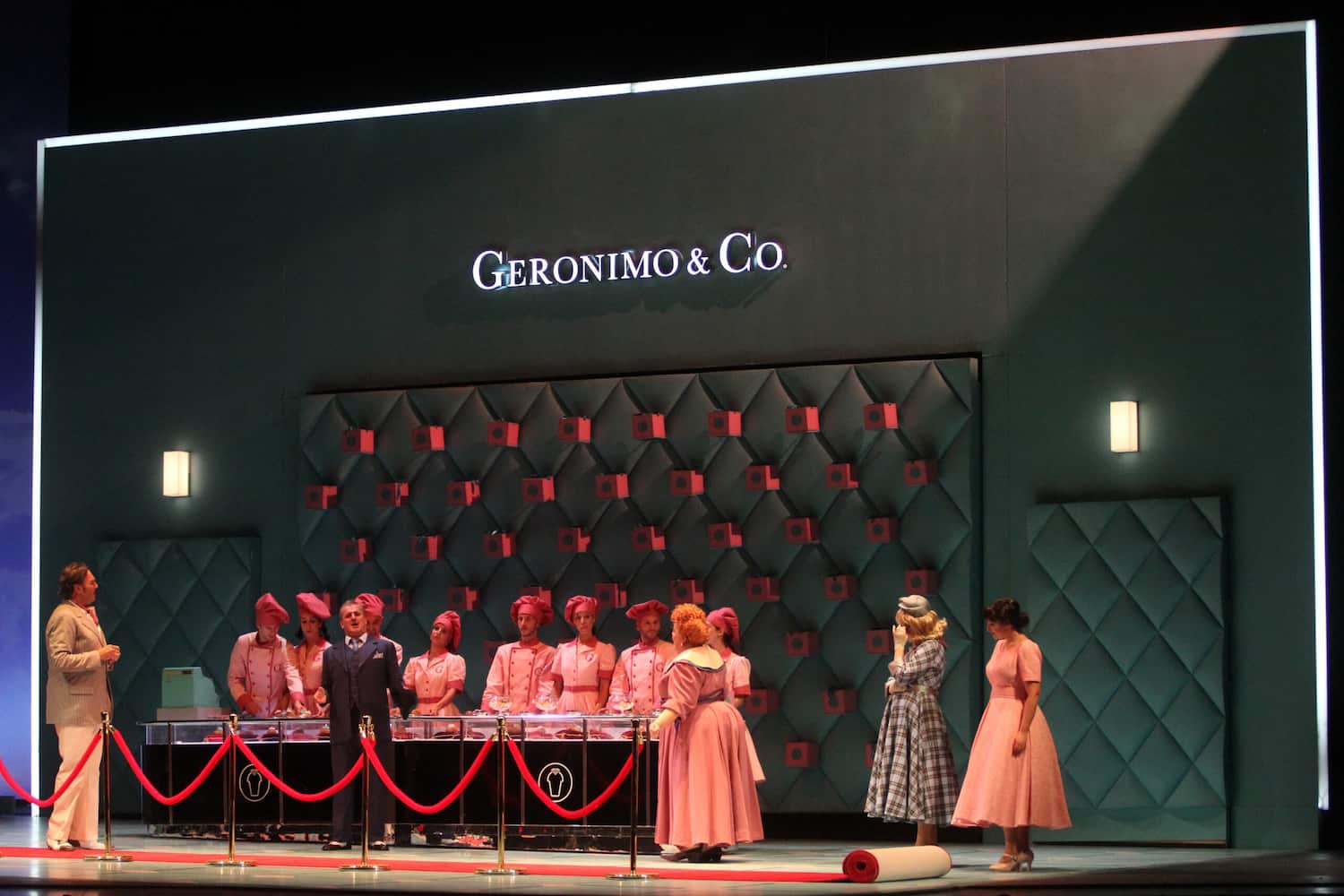
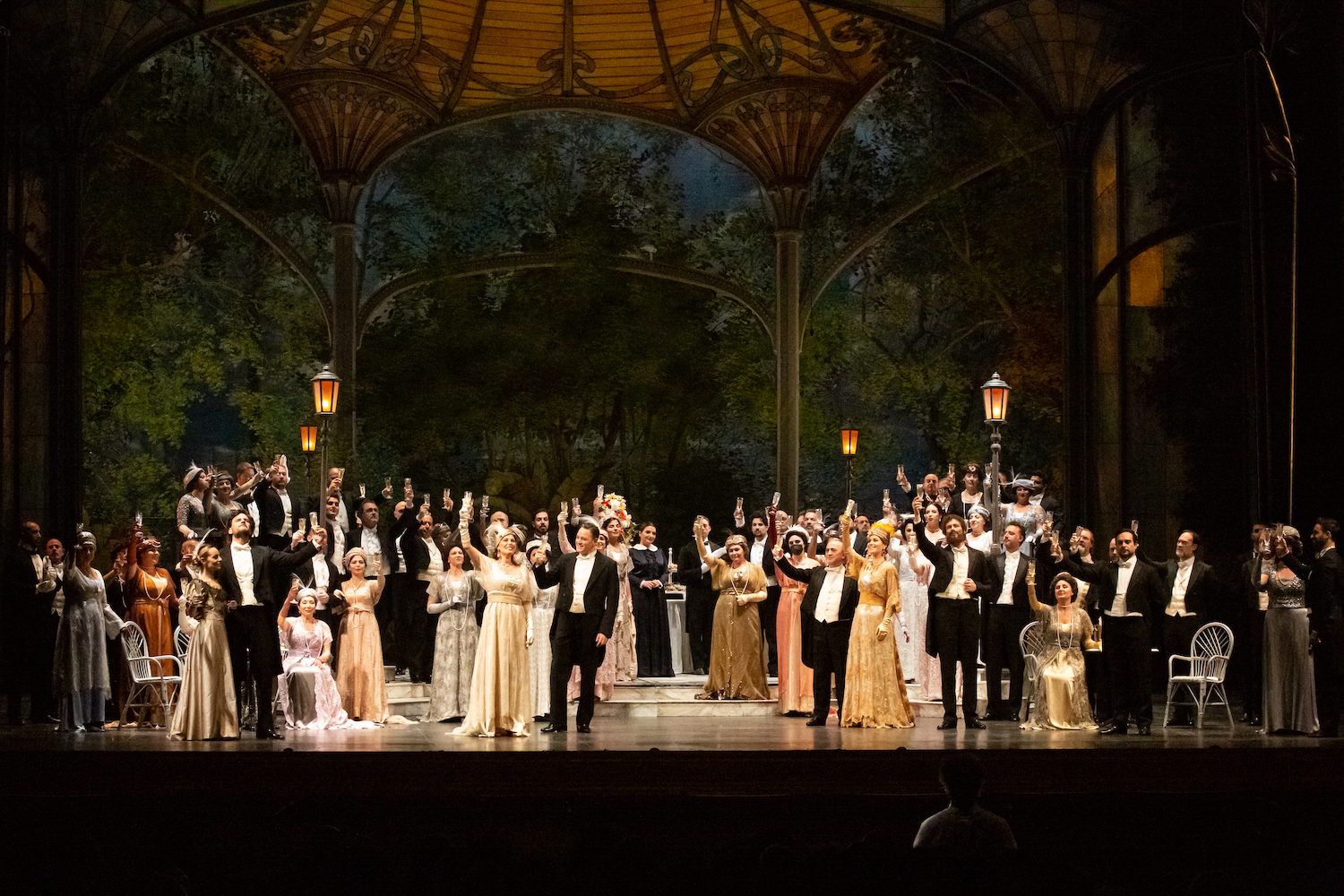
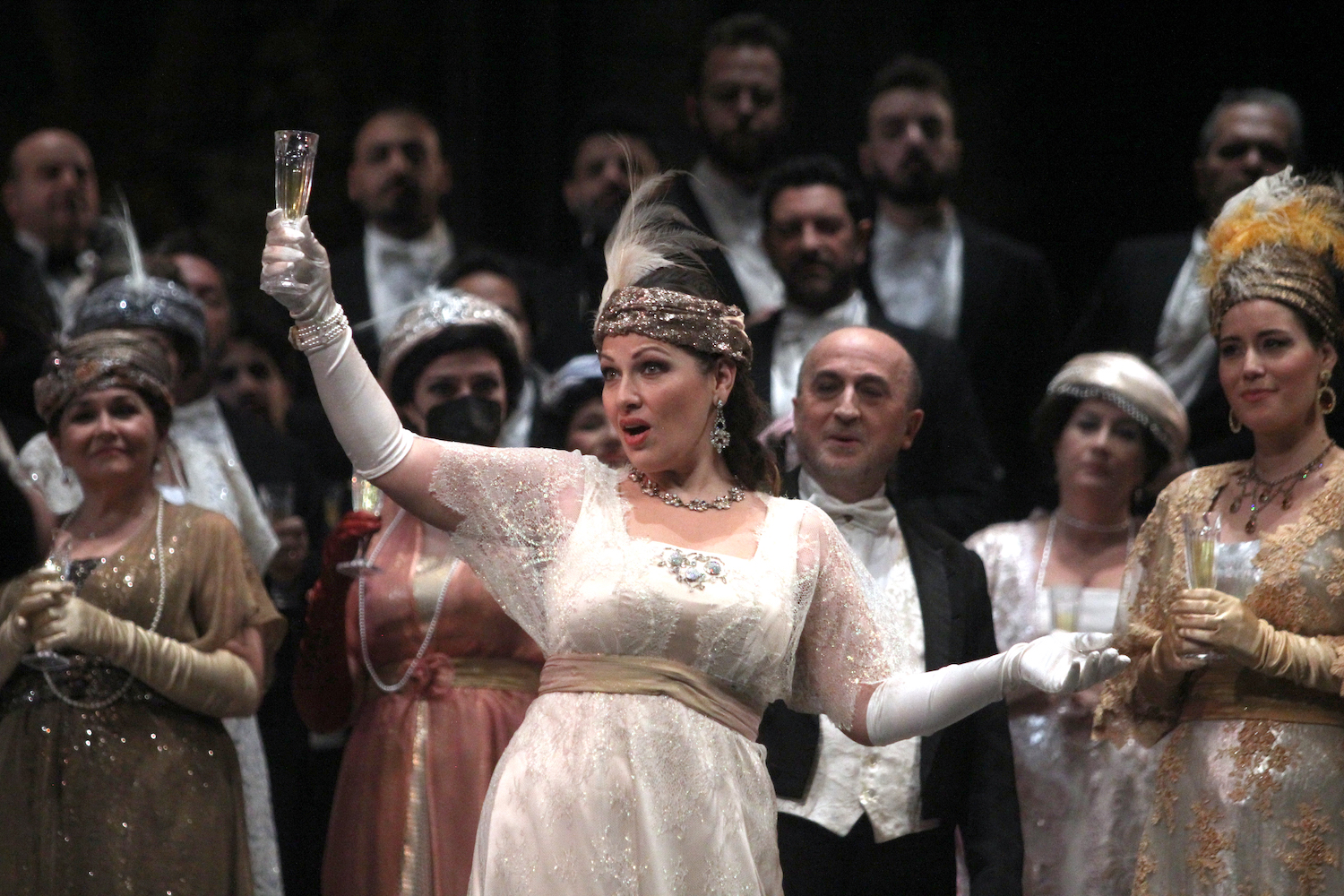
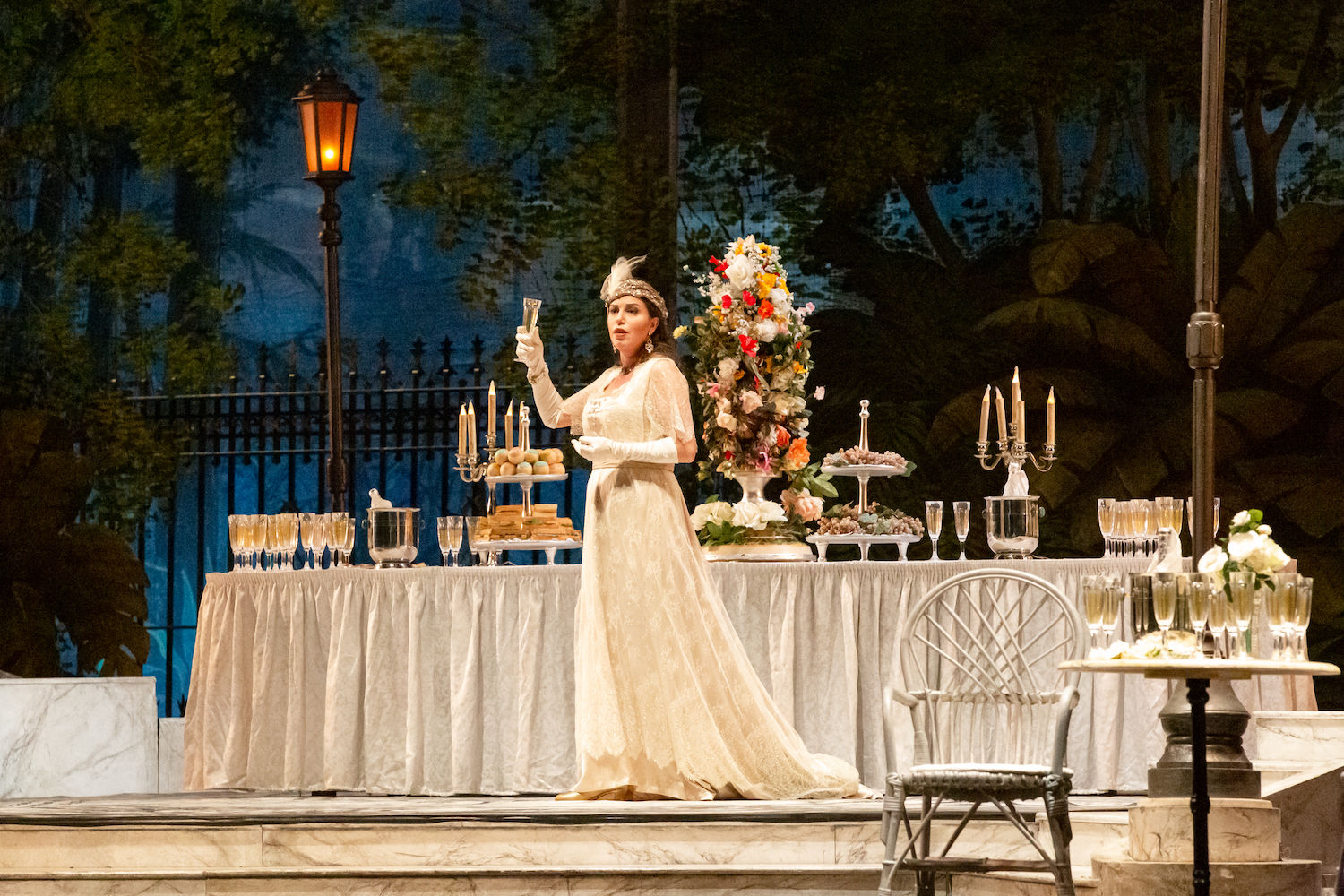
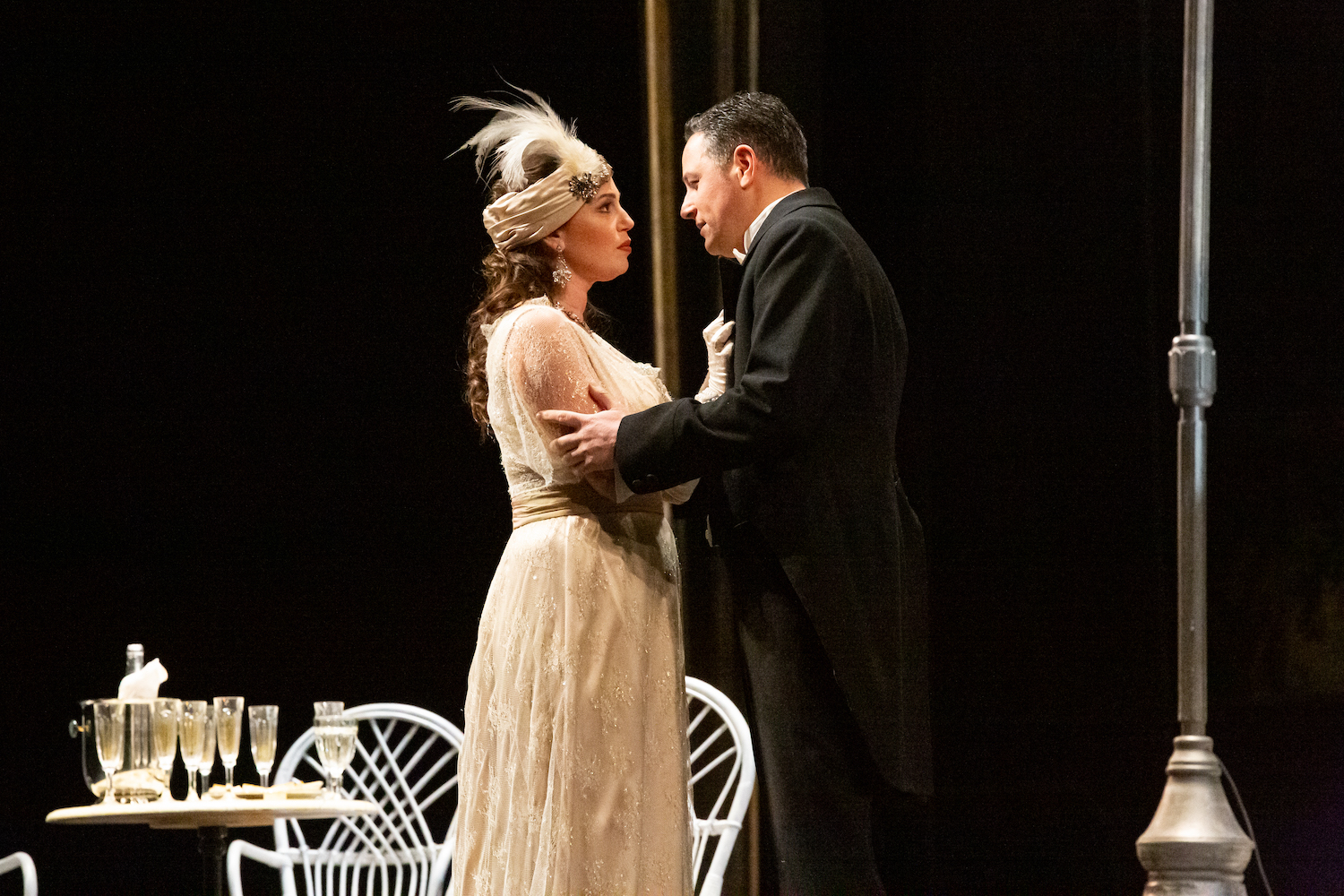
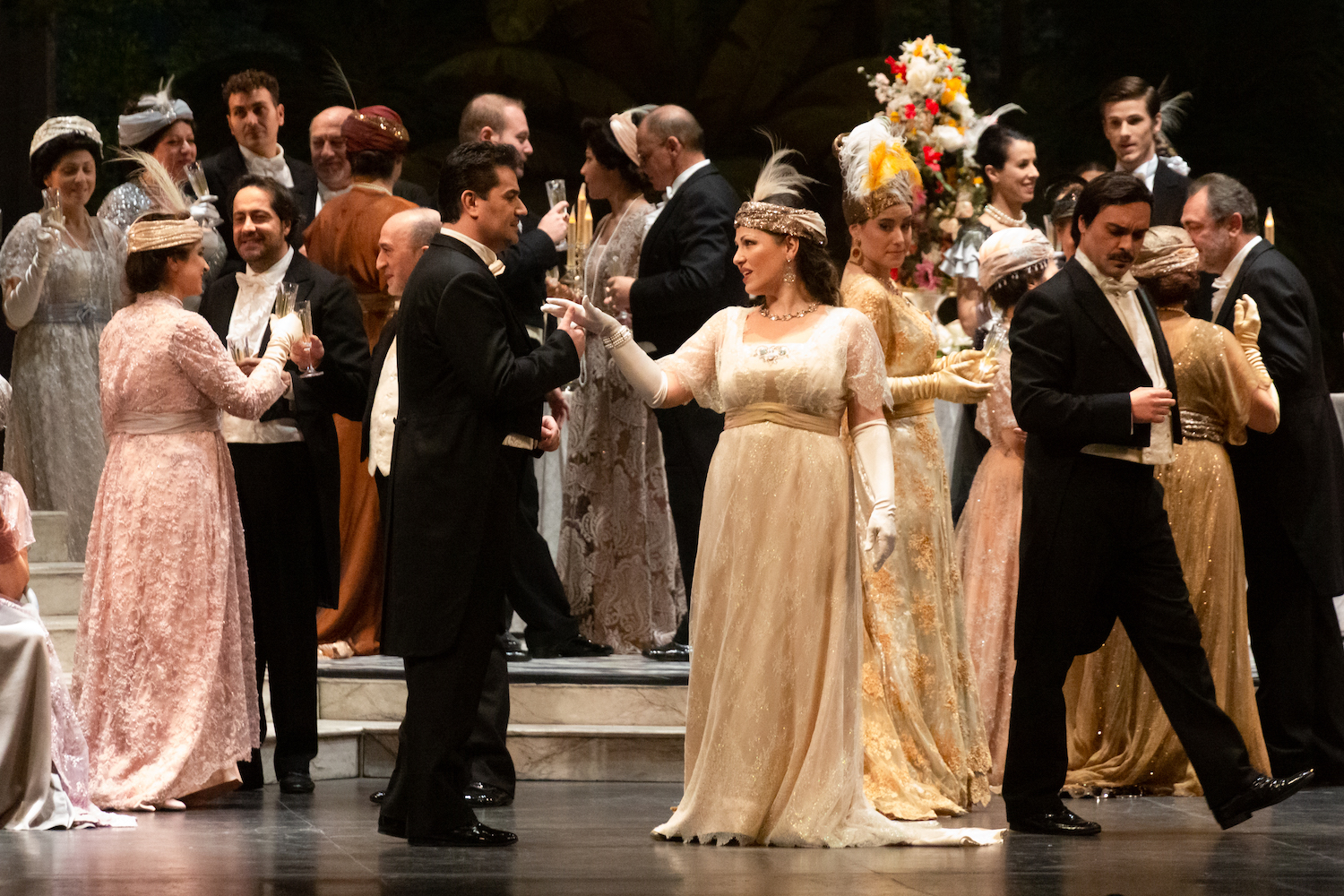
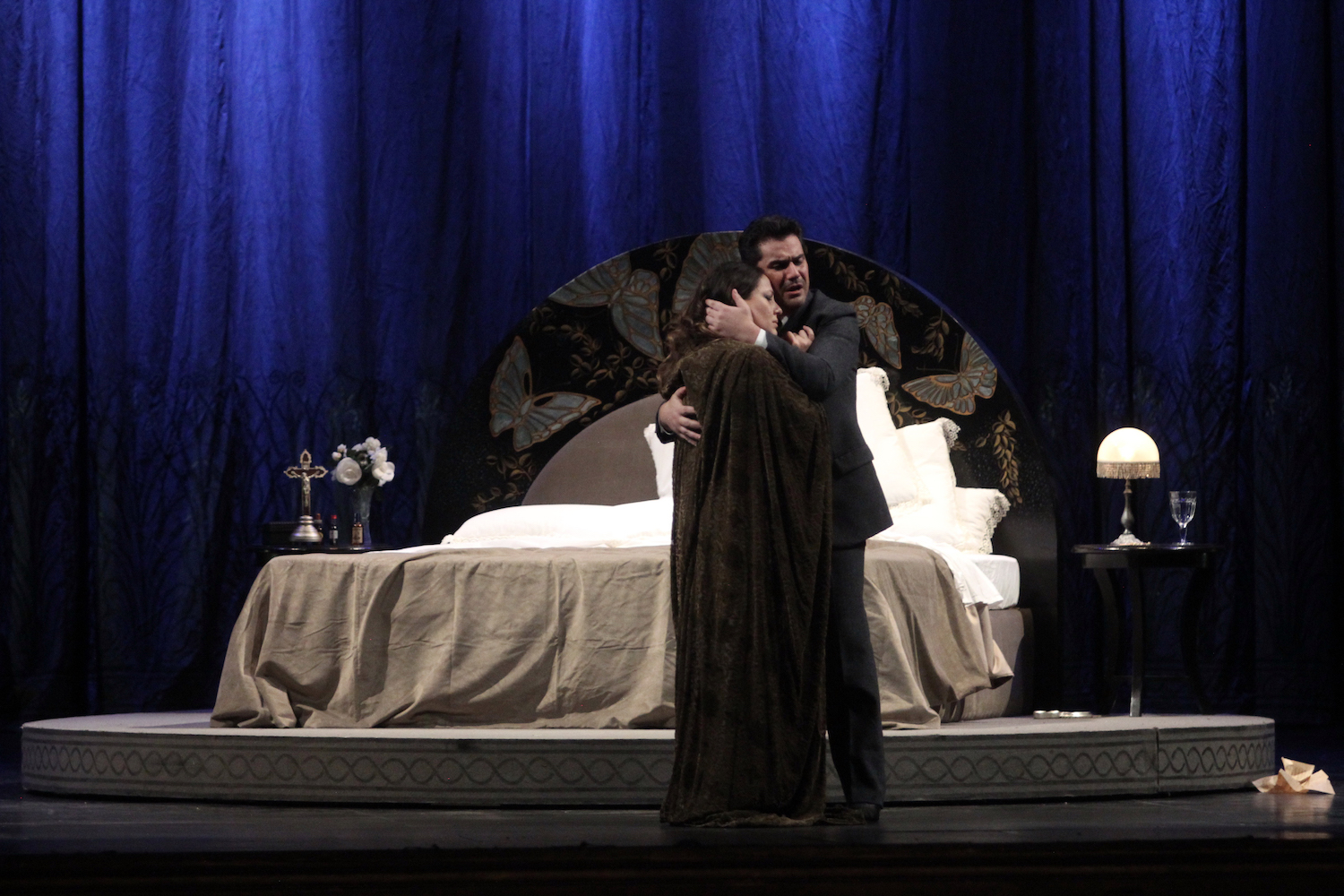
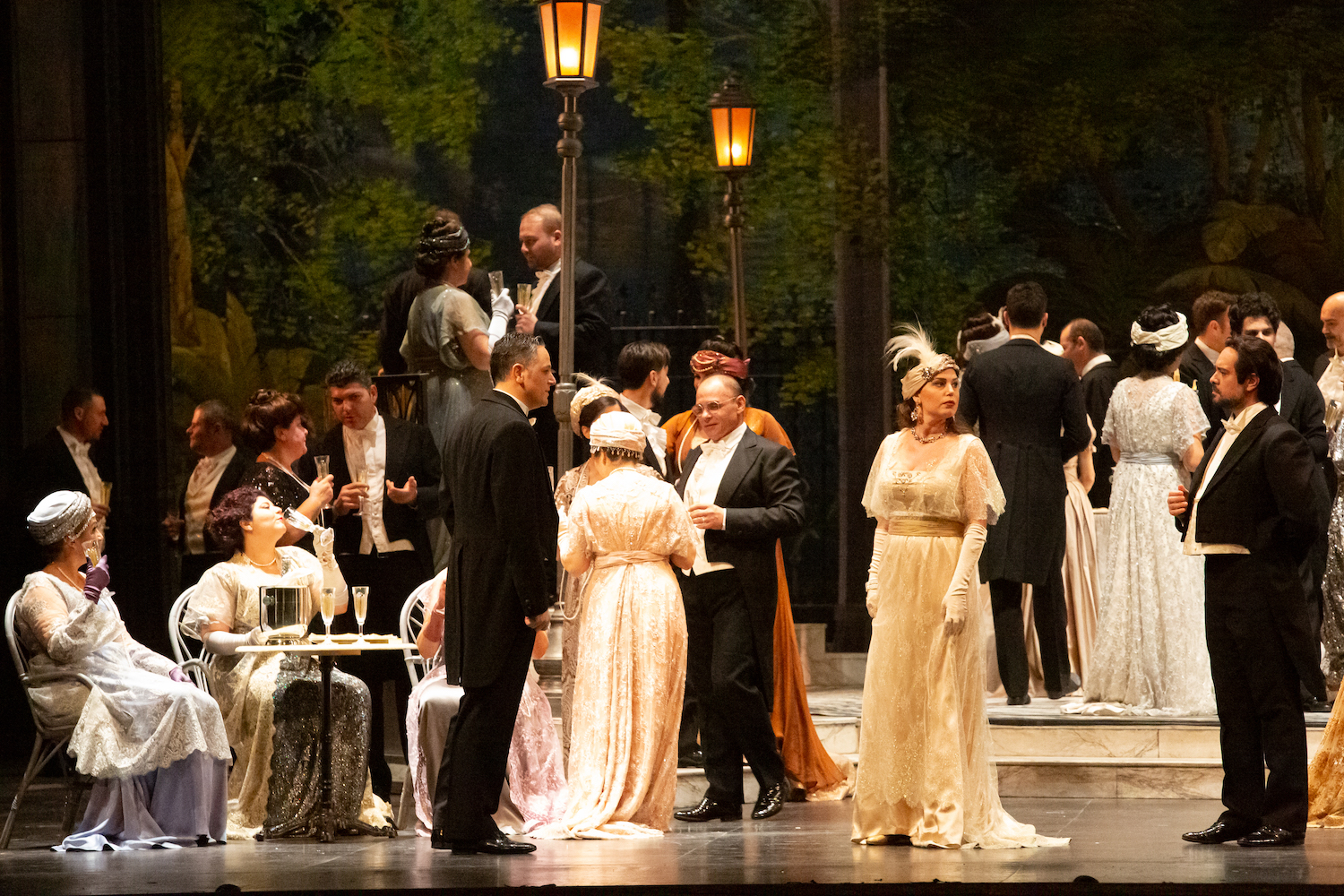
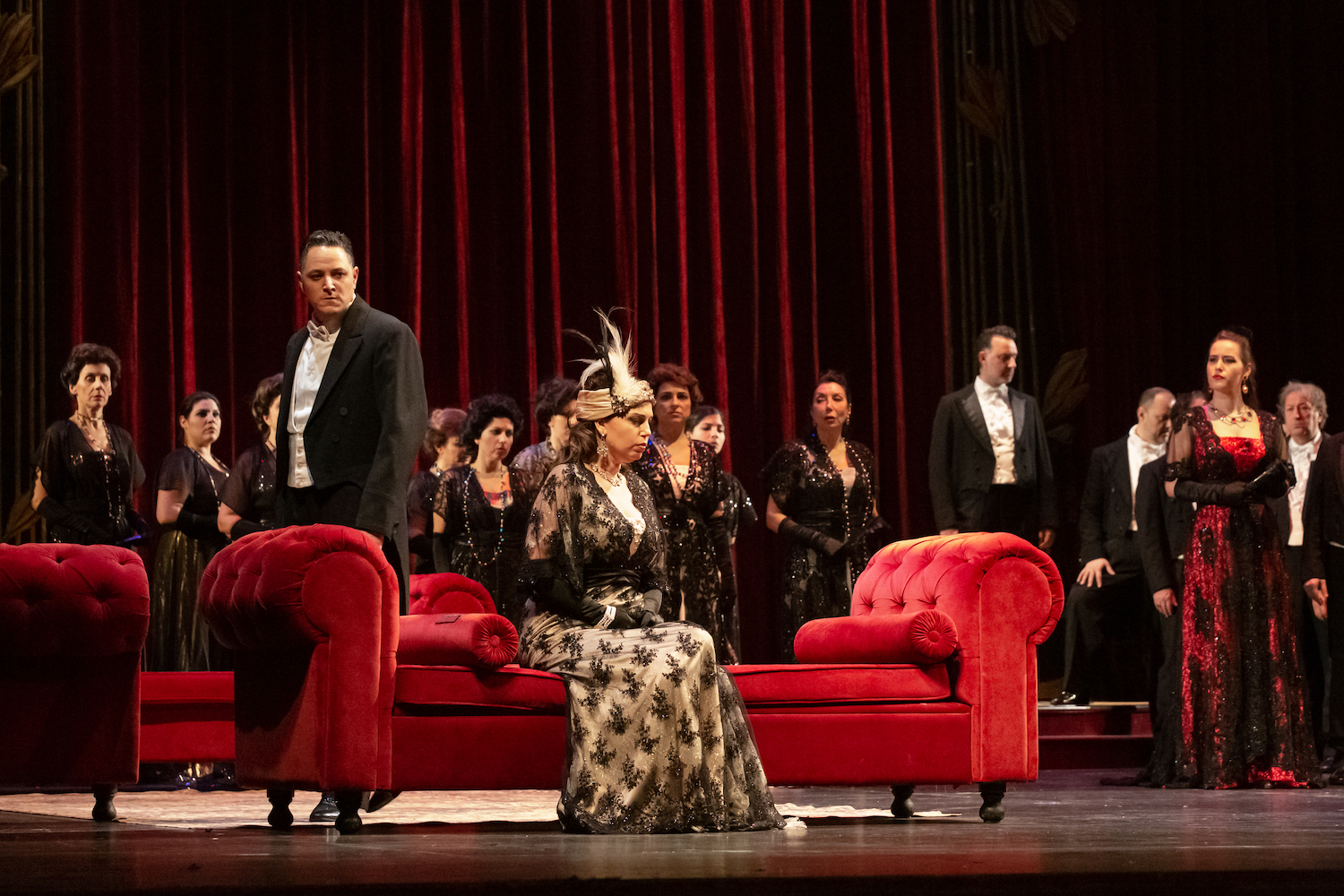
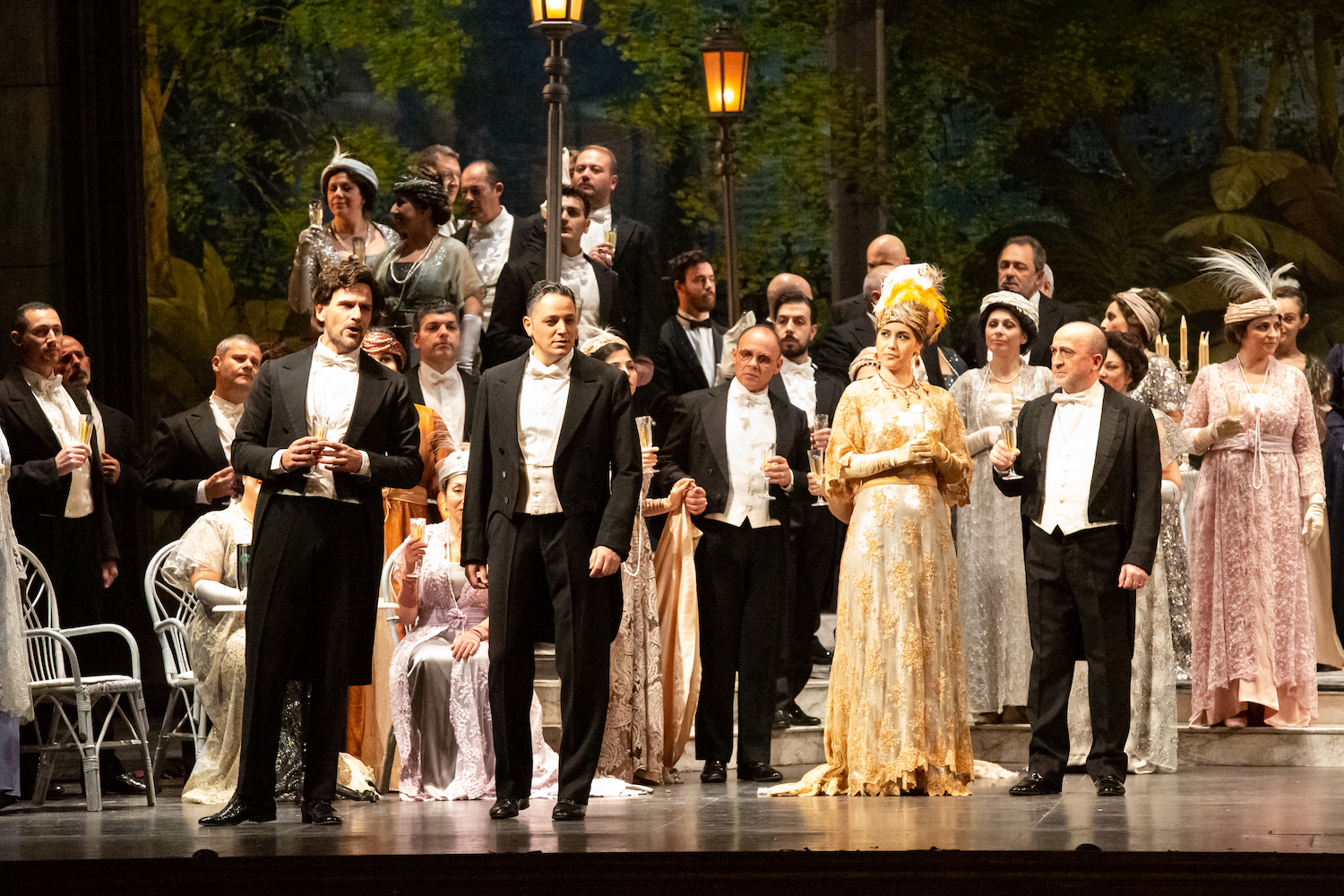
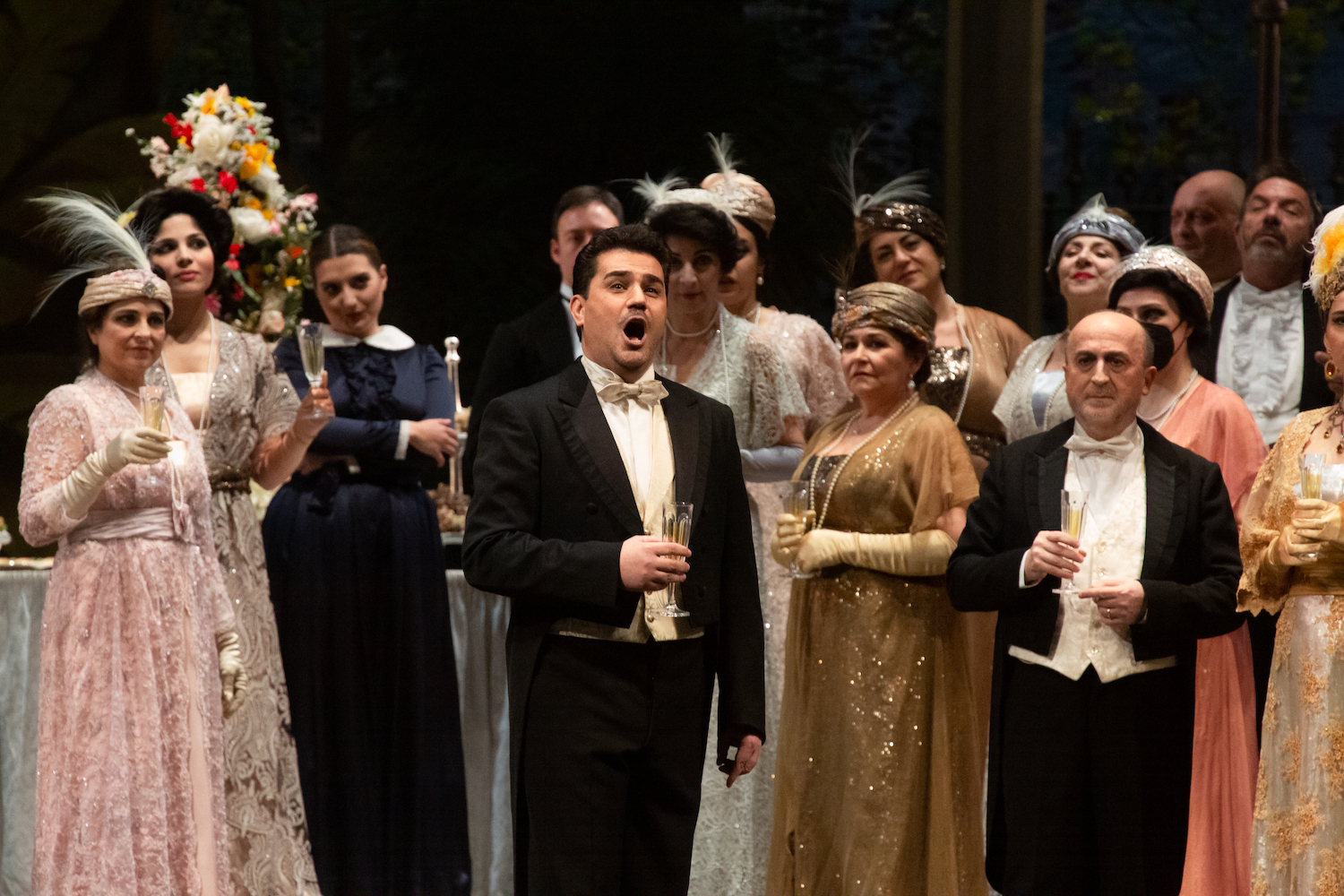
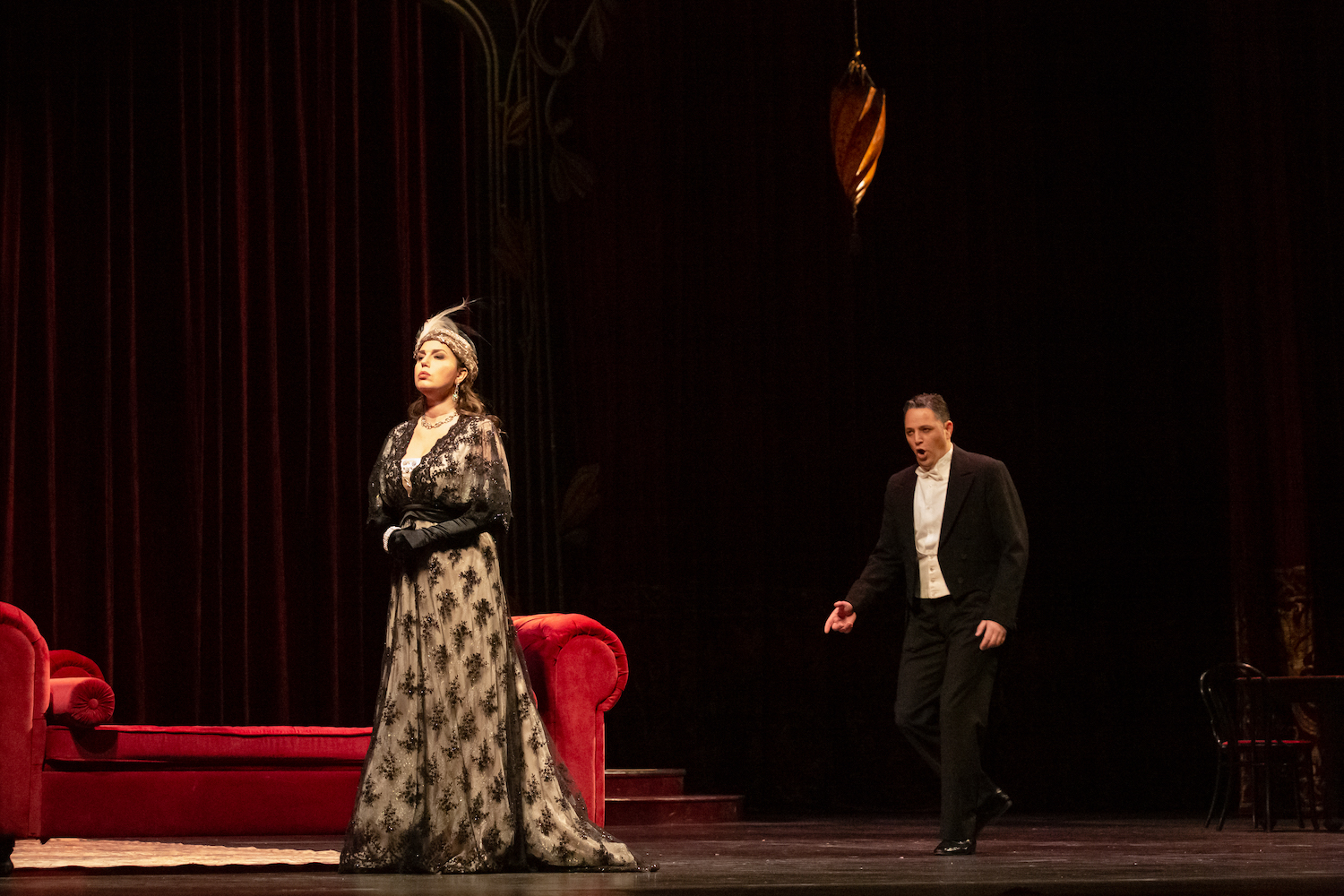
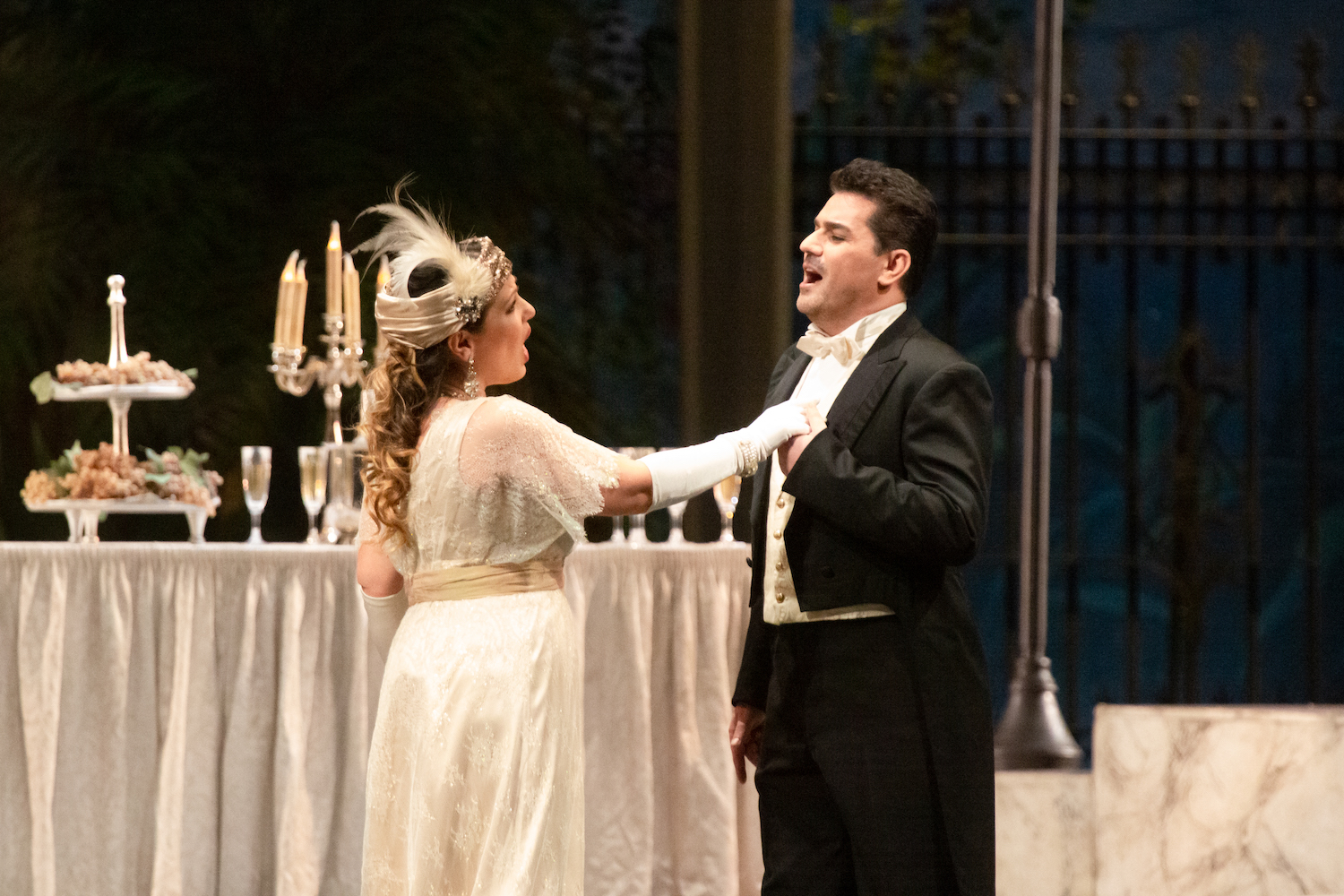
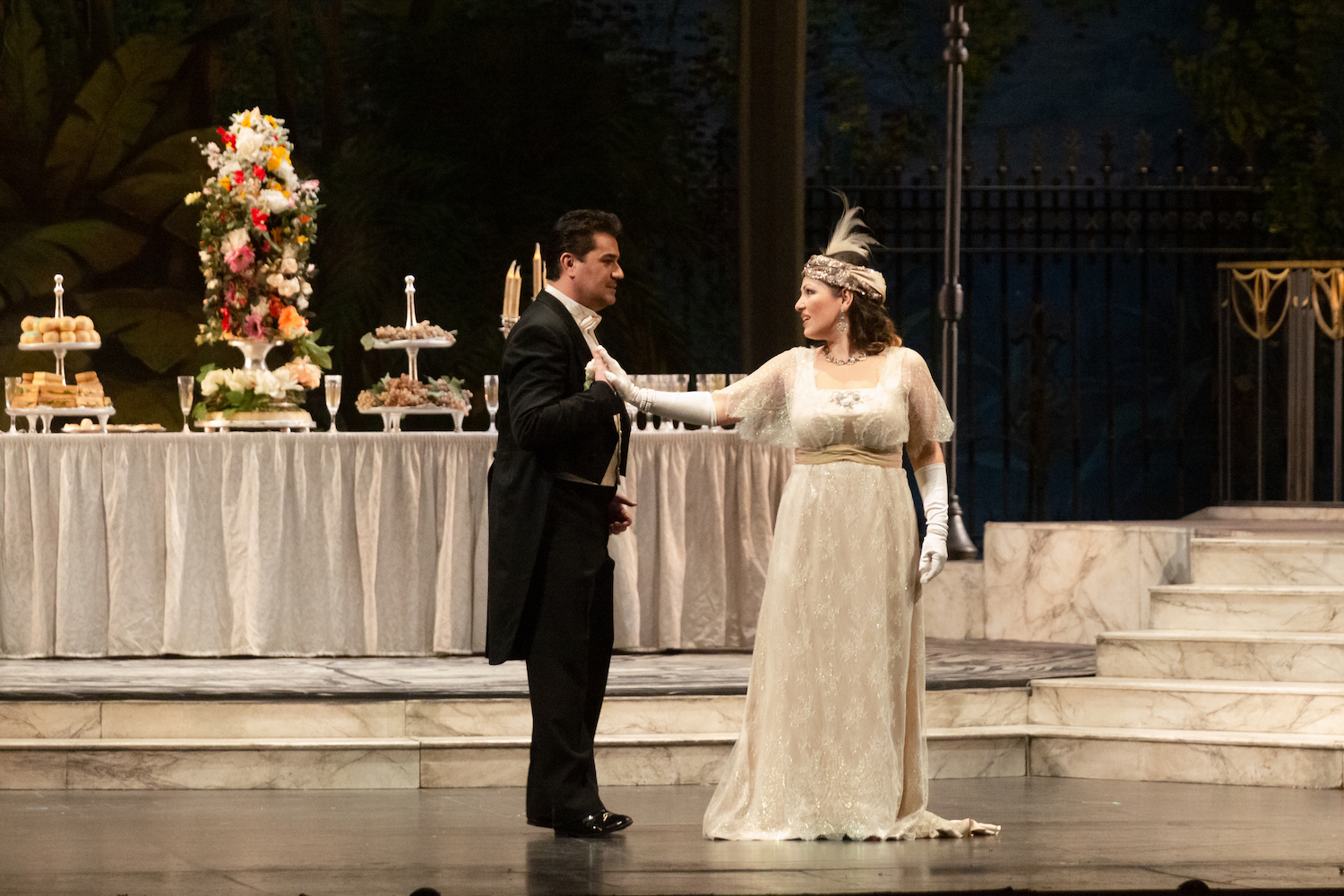
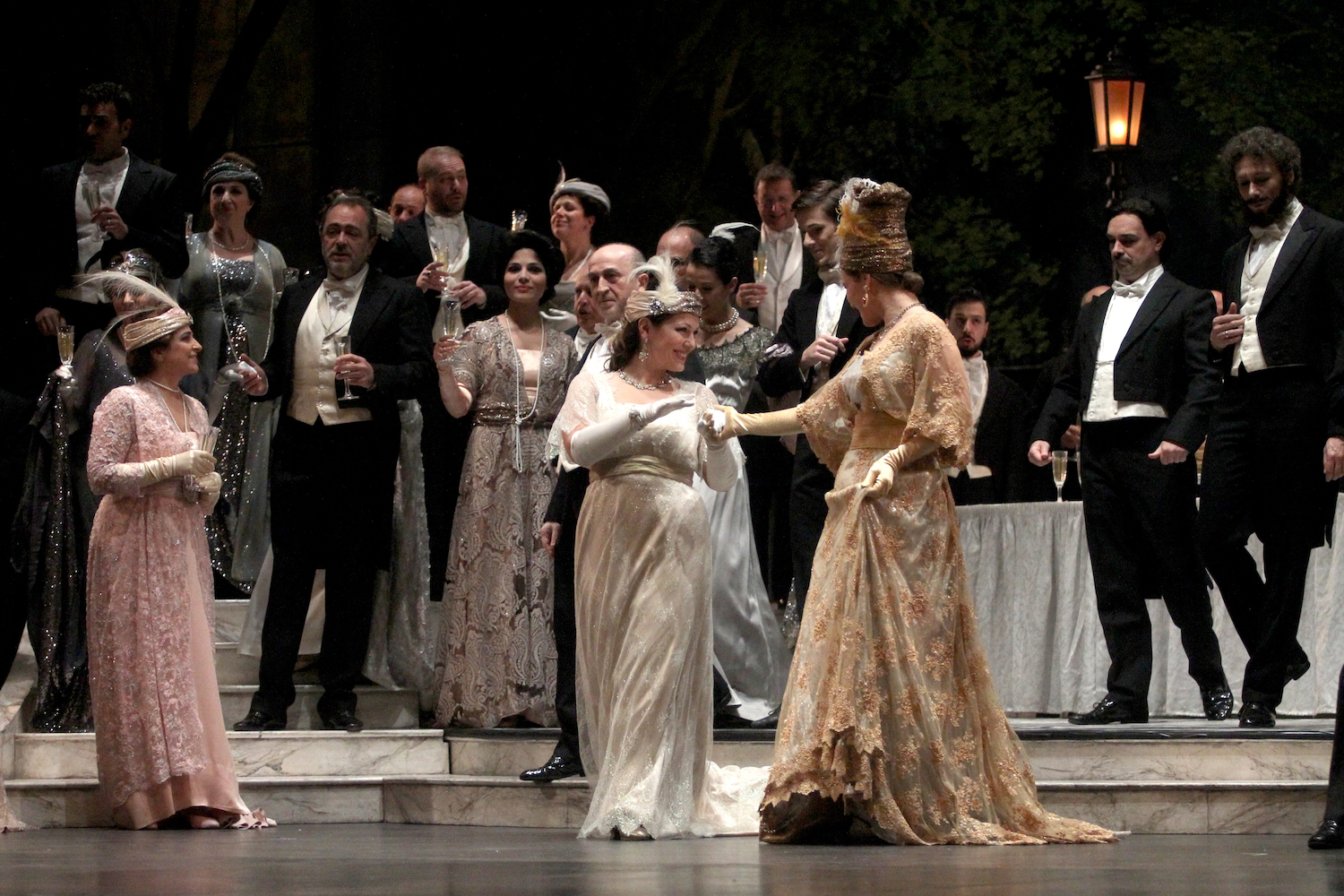
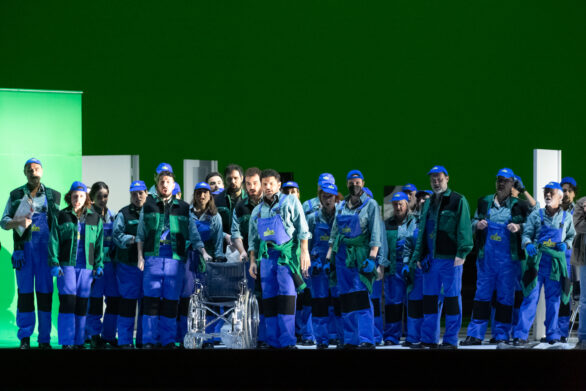
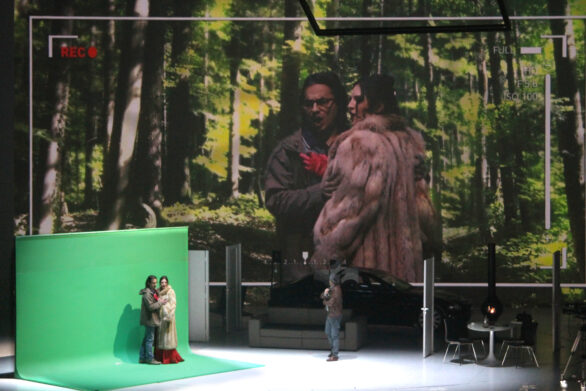
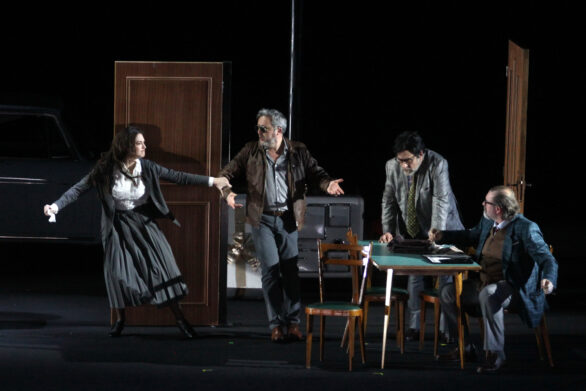
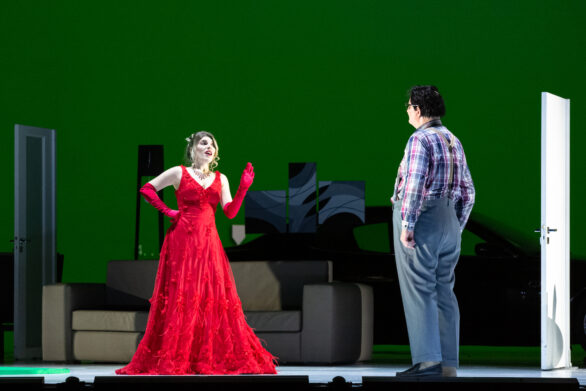
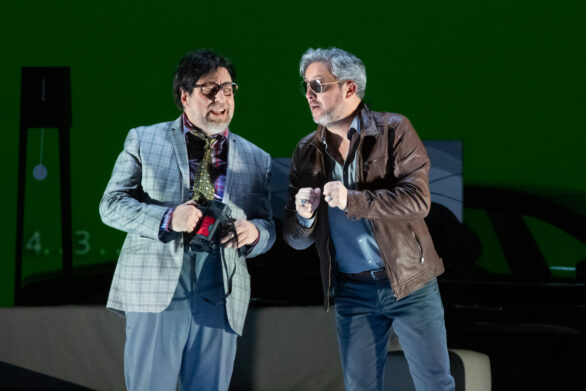
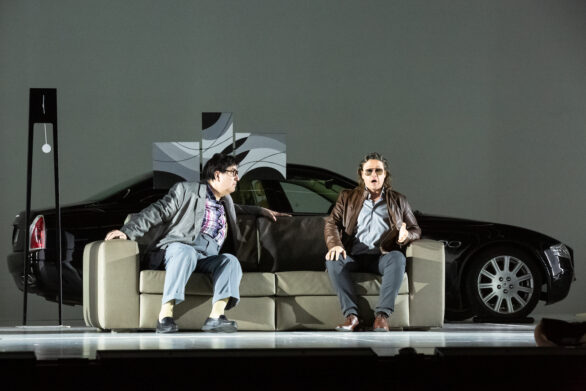
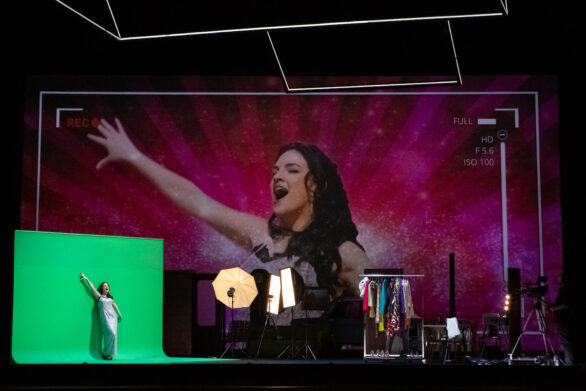
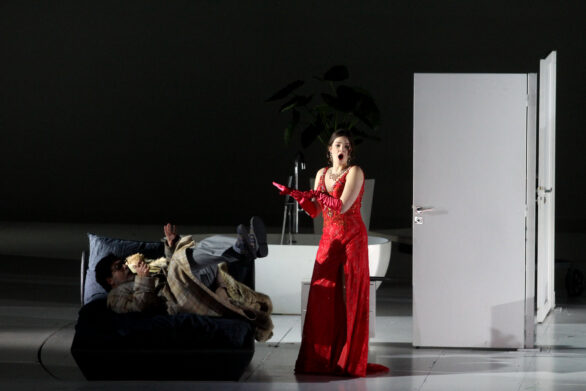
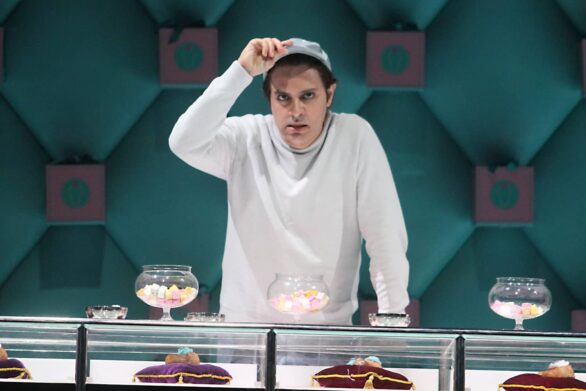
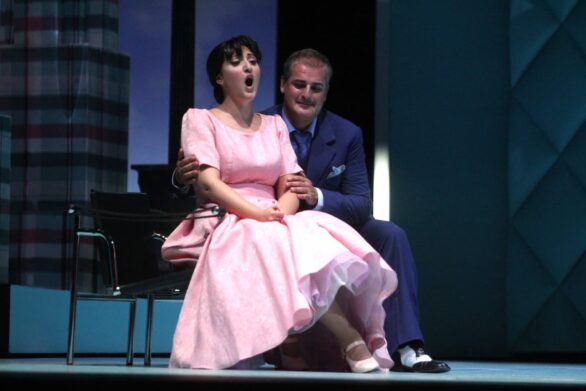
Violetta Valéry knows that she will die soon, exhausted by her restless life as a courtesan. At a party she is introduced to Alfredo Germont, who has been fascinated by her for a long time. The guests ask Alfredo to propose a toast. He celebrates true love, while Violetta responds in praise of free love (“Libiamo ne’ lieti calici”).
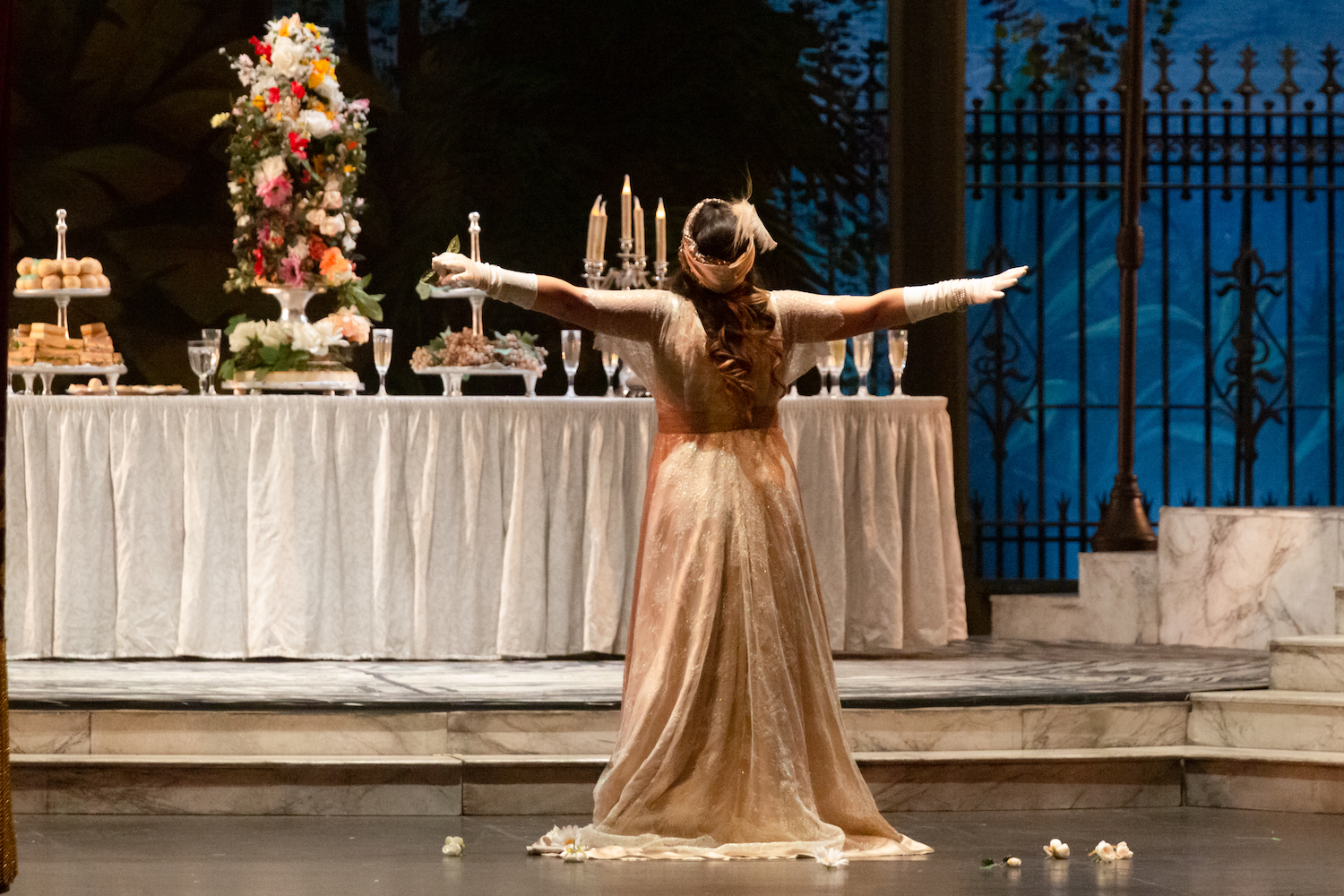
Suddenly Violetta faints, and the guests withdraw. Only Alfredo remains with her and reveals his love (“Un dì, felice, eterea”). Violetta replies there is no room for such feel- ings in her life. But she gives him a camellia, asking him to return when the flower has faded. He realizes this means he will see her again the following day.
When alone, Violetta is torn by conflicting emotions — she doesn’t want to give up the way she lives, but at the same time she feels that Alfredo has awakened her desire to be truly loved (“Ah, forse è lui che l’anima”).
ACT II
Violetta has chosen a life with Alfredo, and they enjoy their love in the country, far from society (“De’ miei bollenti spiriti”). When Alfredo finds out that this is only possible because Violetta has been selling her property, he immediately leaves for Paris to procure money. Violetta has received an invitation to a masked ball, but she no longer cares for such distractions.
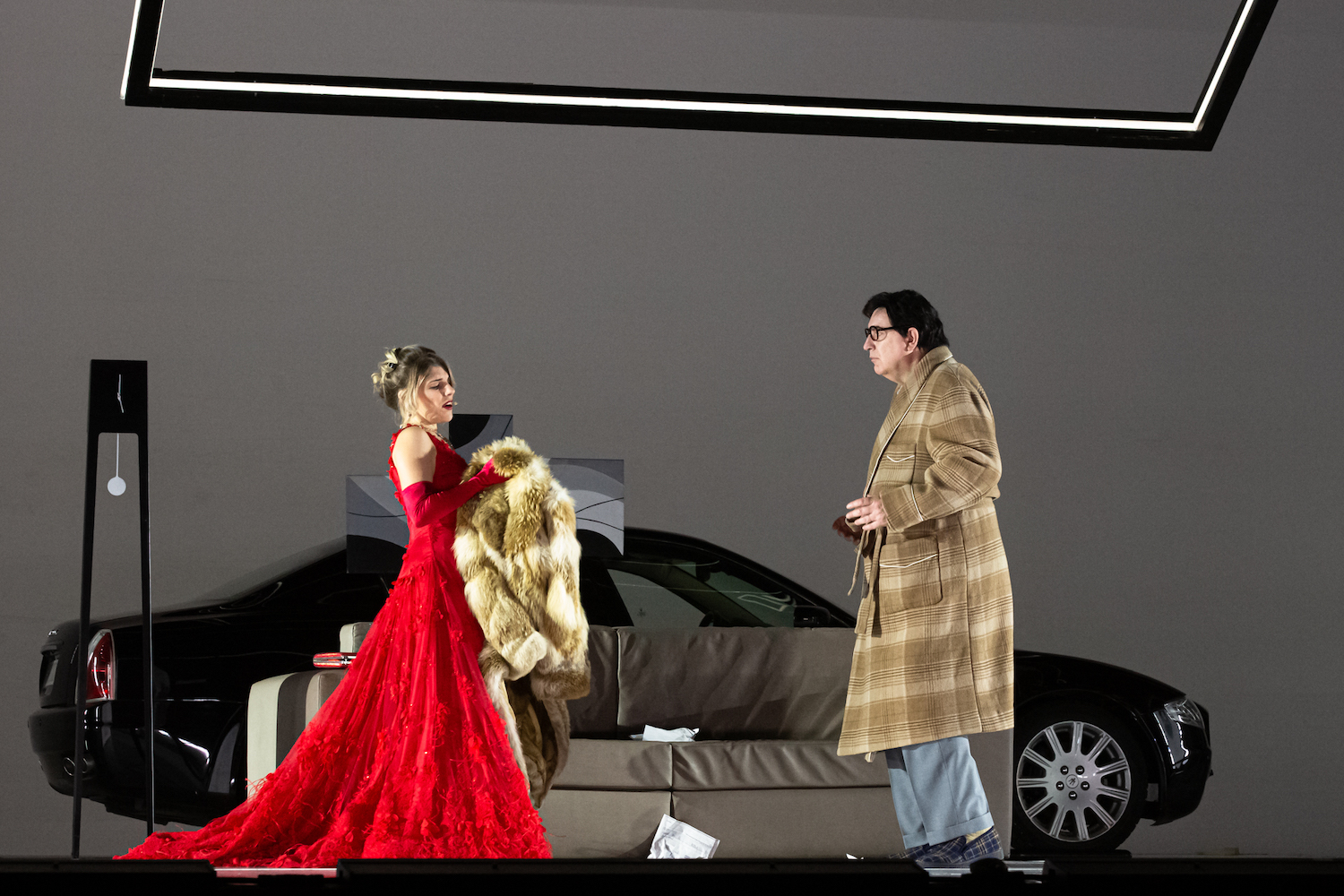
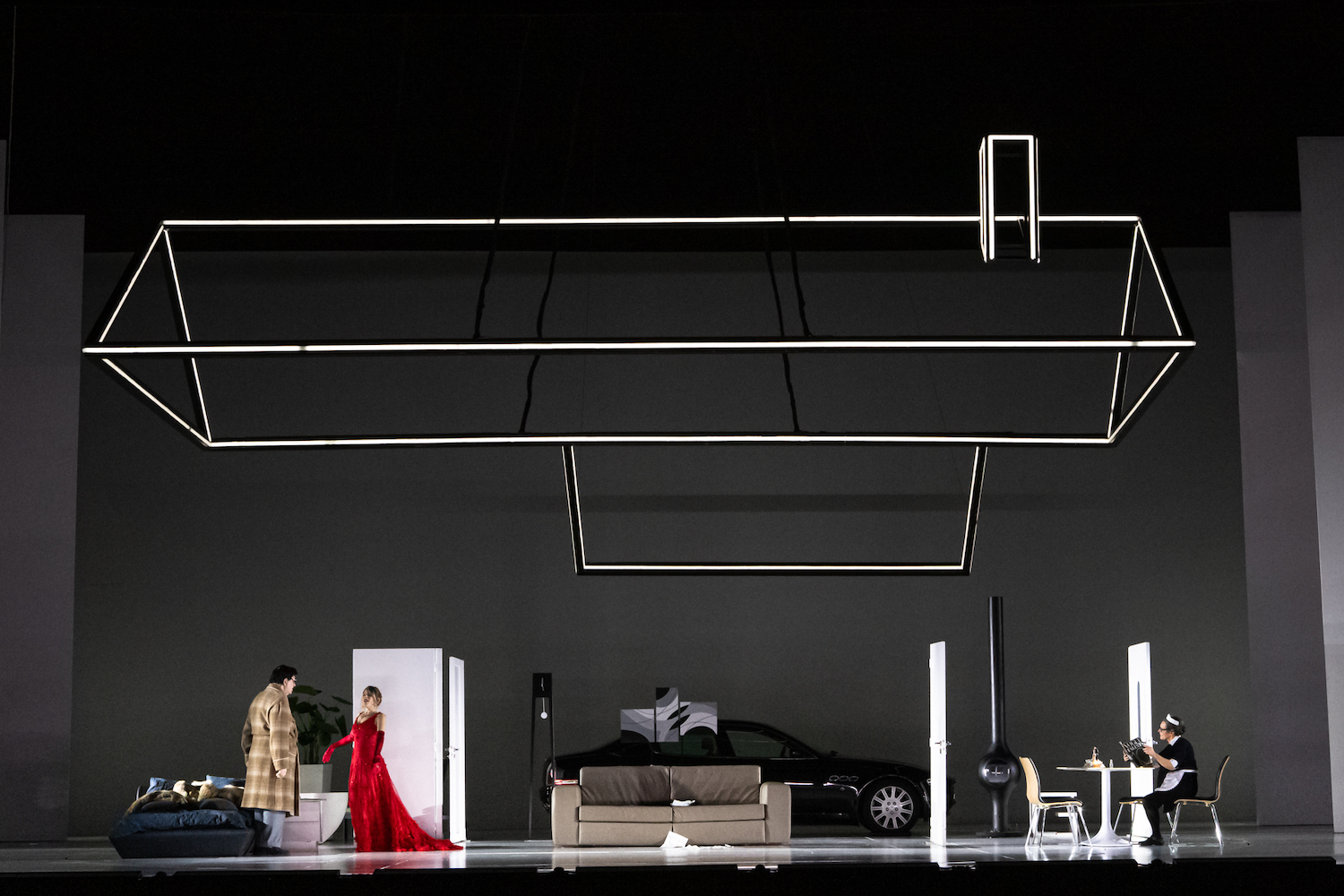
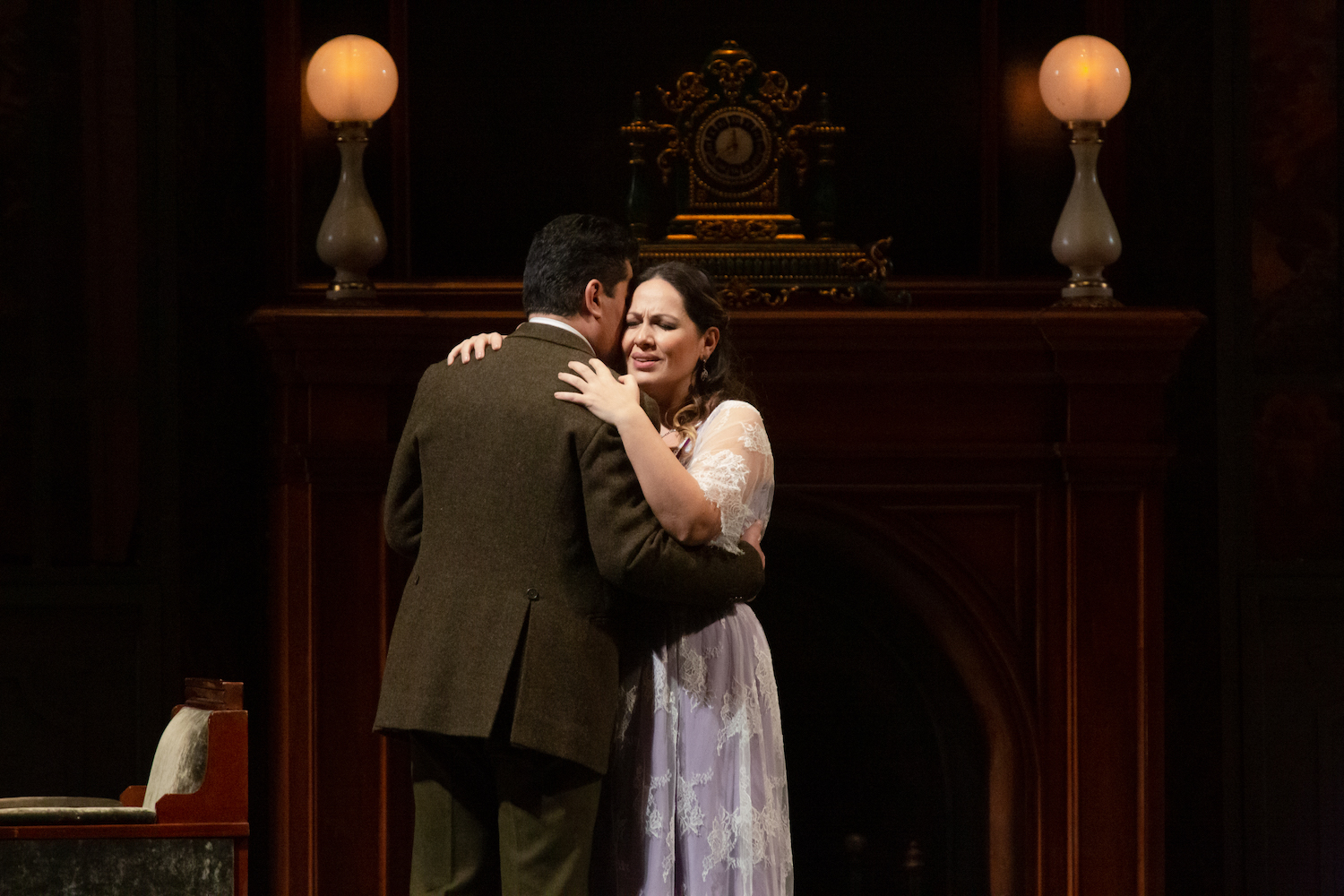
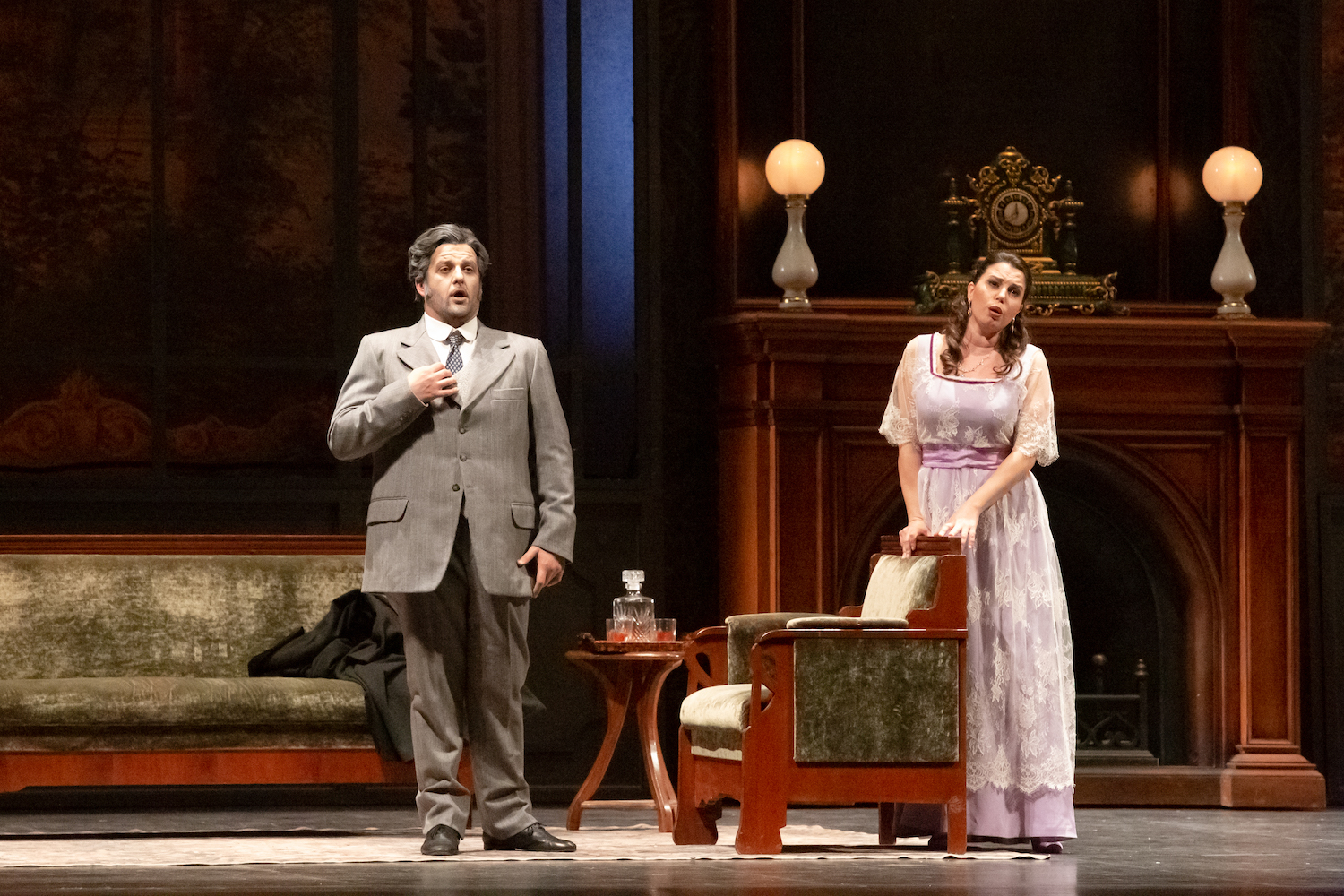
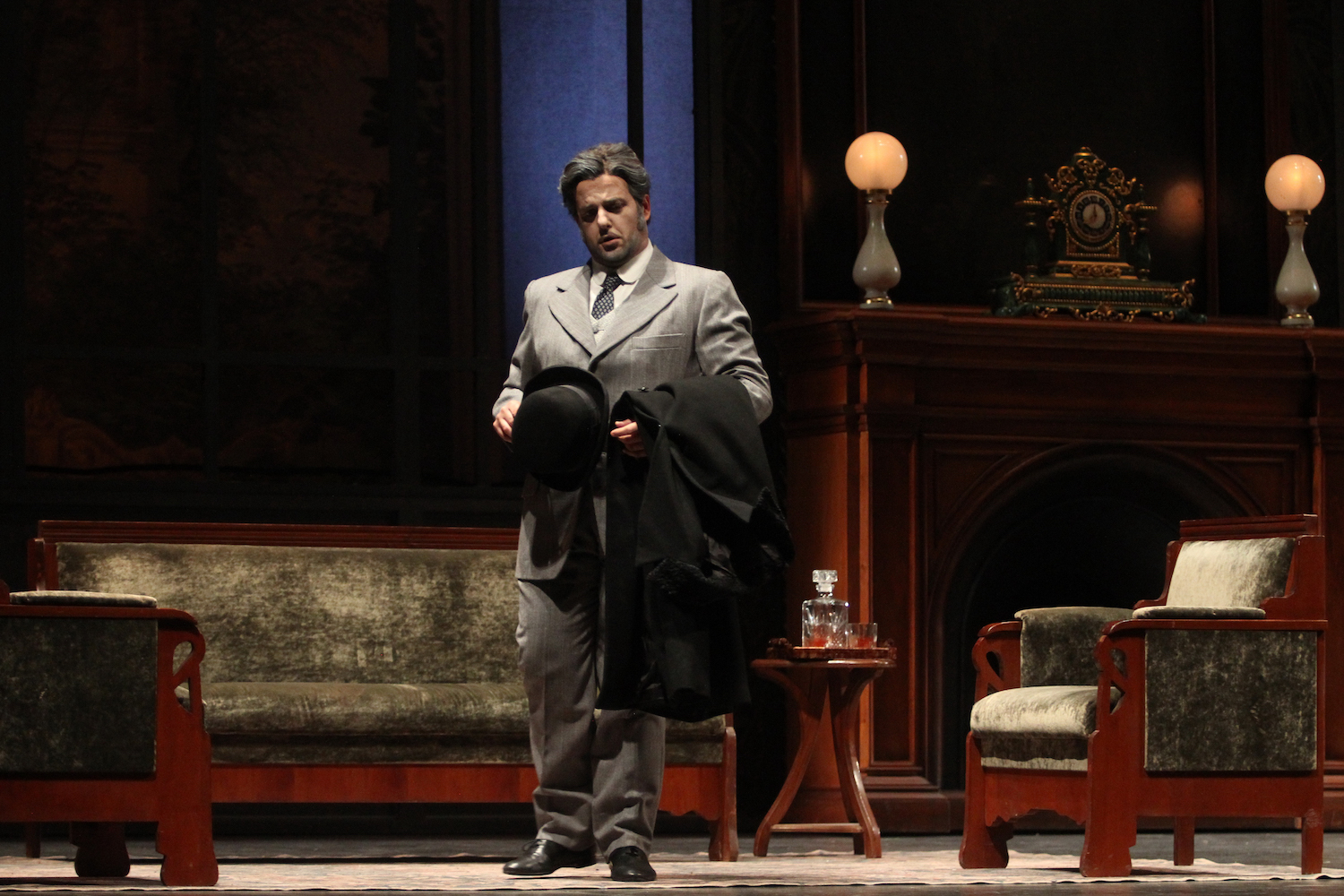
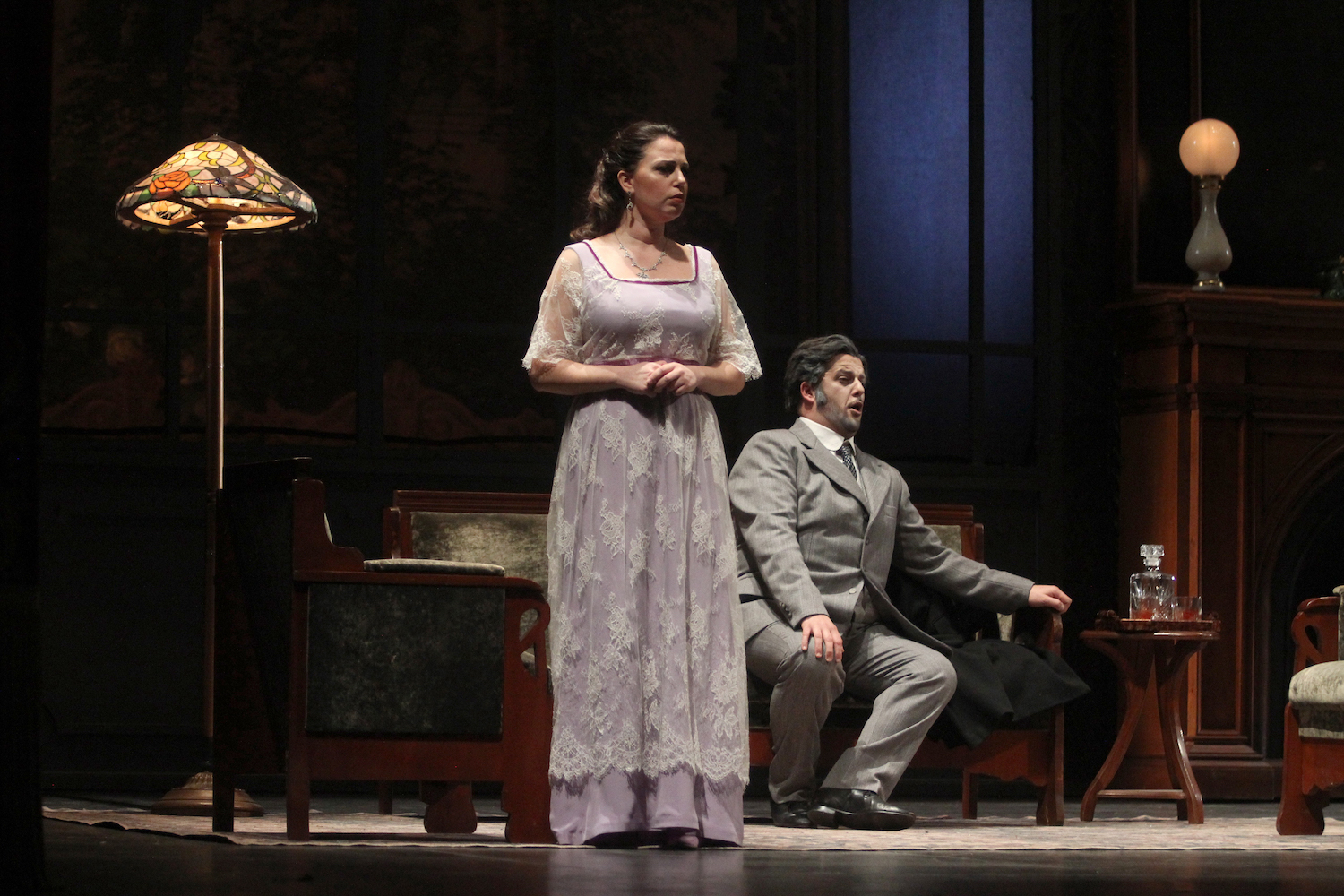
While Alfredo is in Paris, his father, Giorgio Germont, visits Violetta. He demands that she separate from his son, as their relationship threatens his daughter’s impending marriage (“Pura siccome un angelo”). Over the course of their conversation, Germont comes to realize Violetta’s unselfish love. Violetta’s resistance dwindles and she finally agrees to leave Alfredo forever, asking that after her death he shall learn the truth (“Mor- rò! La mia memoria”).
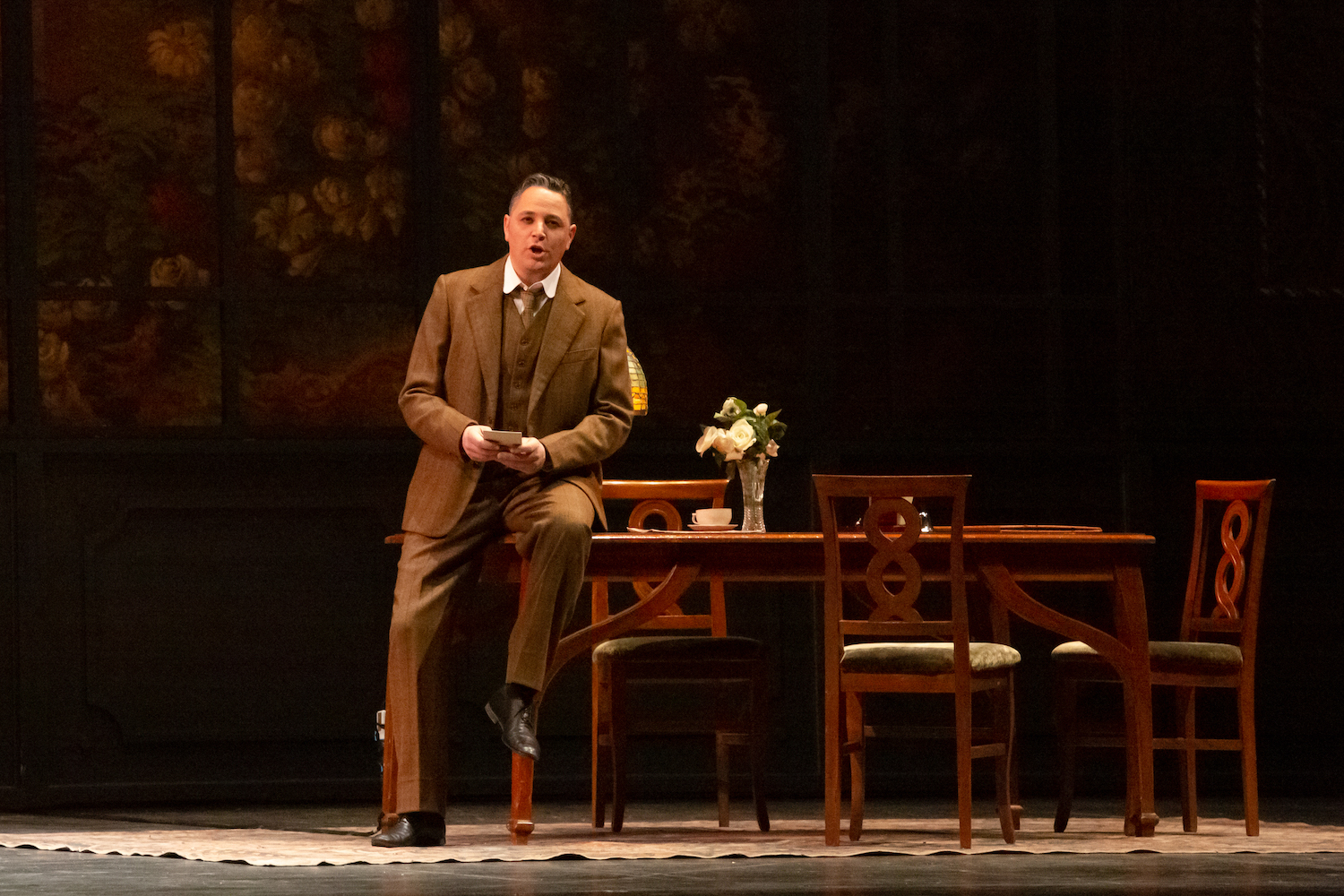
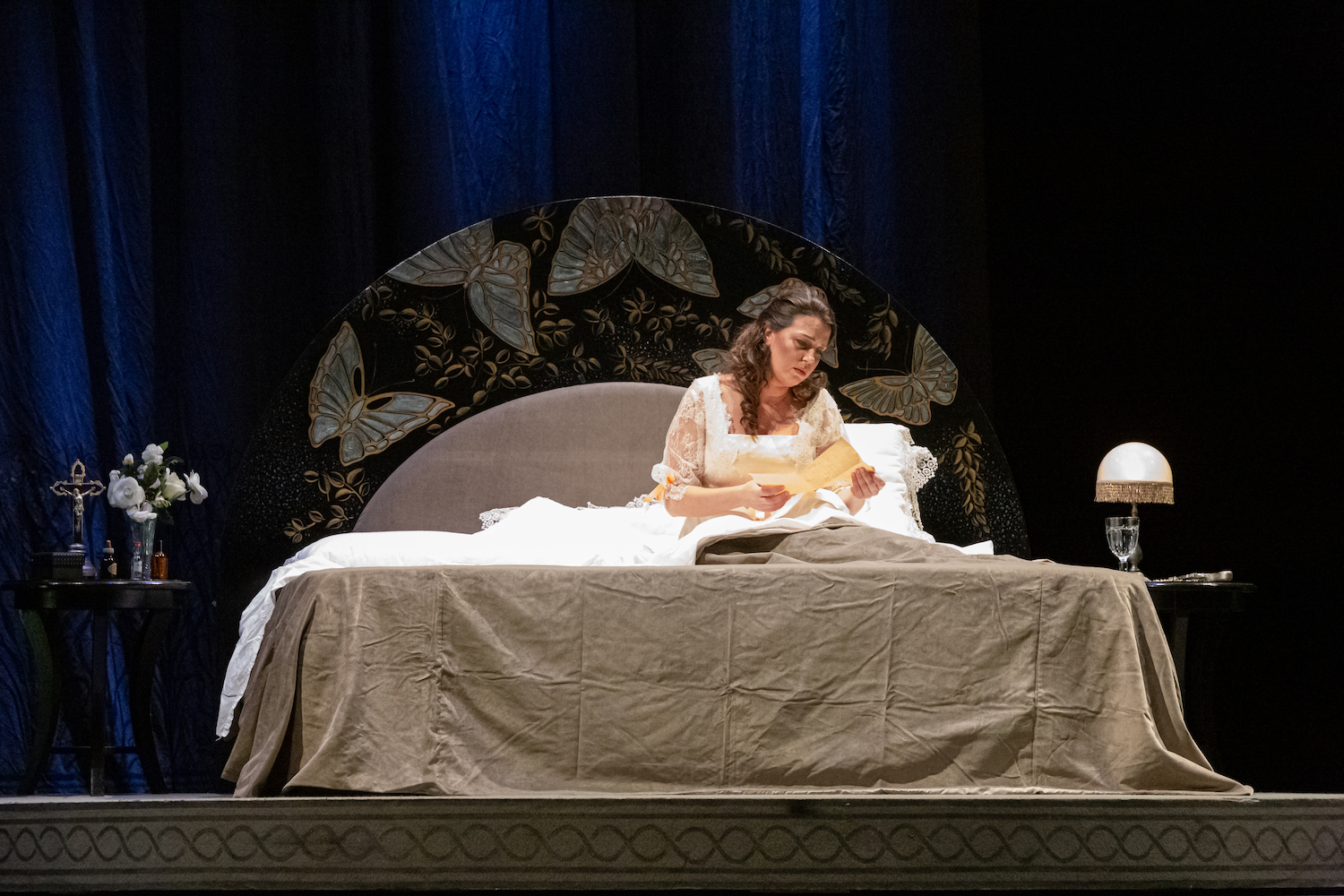
Violetta accepts the invitation to the ball and writes a goodbye letter to her lover. Alfredo returns, and while he is reading the letter, his father appears to console him (“Di Provenza il mar, il suol”). But all the memories of his home and his happy family can’t prevent the furious and jealous Alfredo from seeking revenge for Violetta’s apparent betrayal.
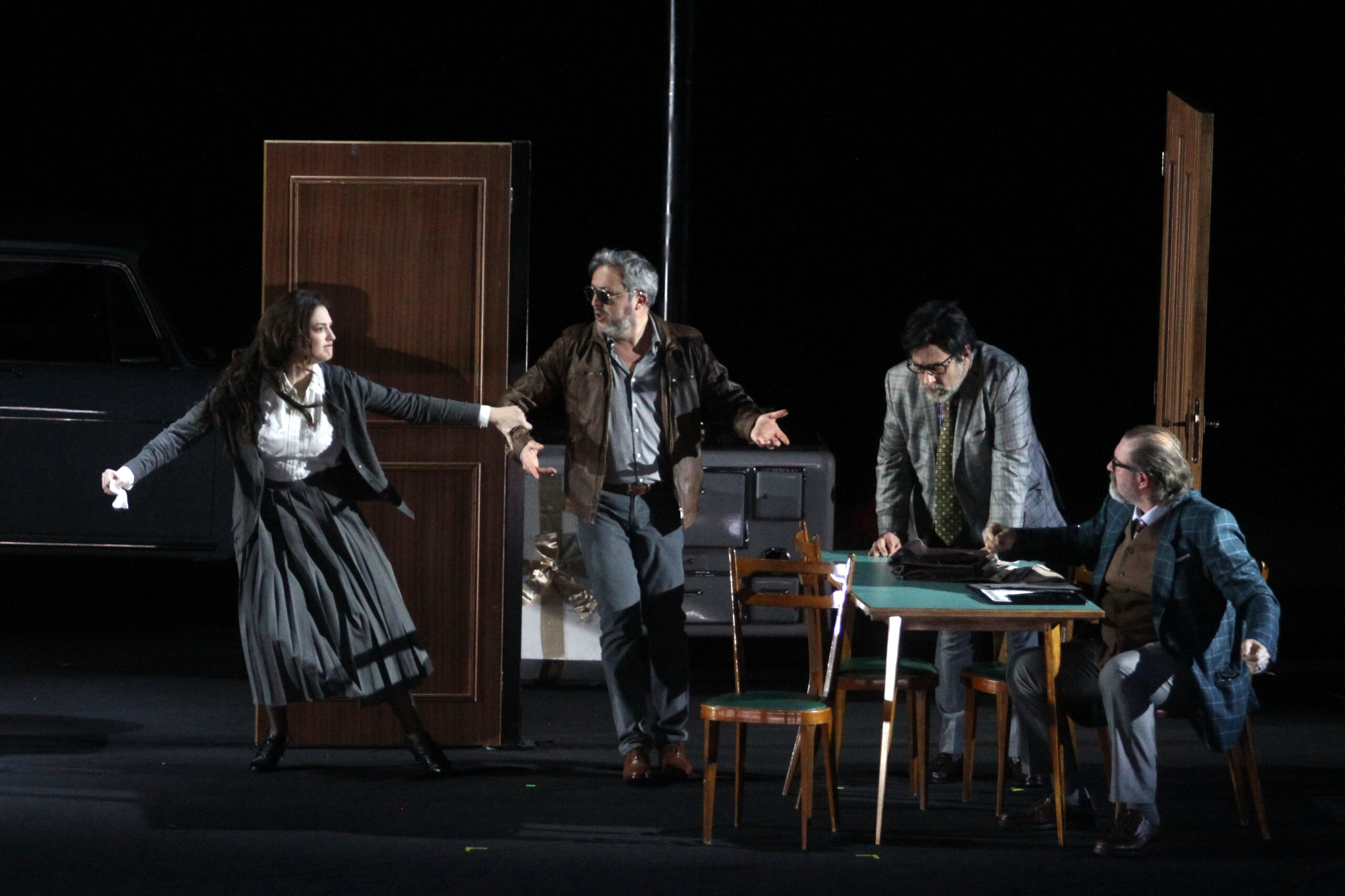
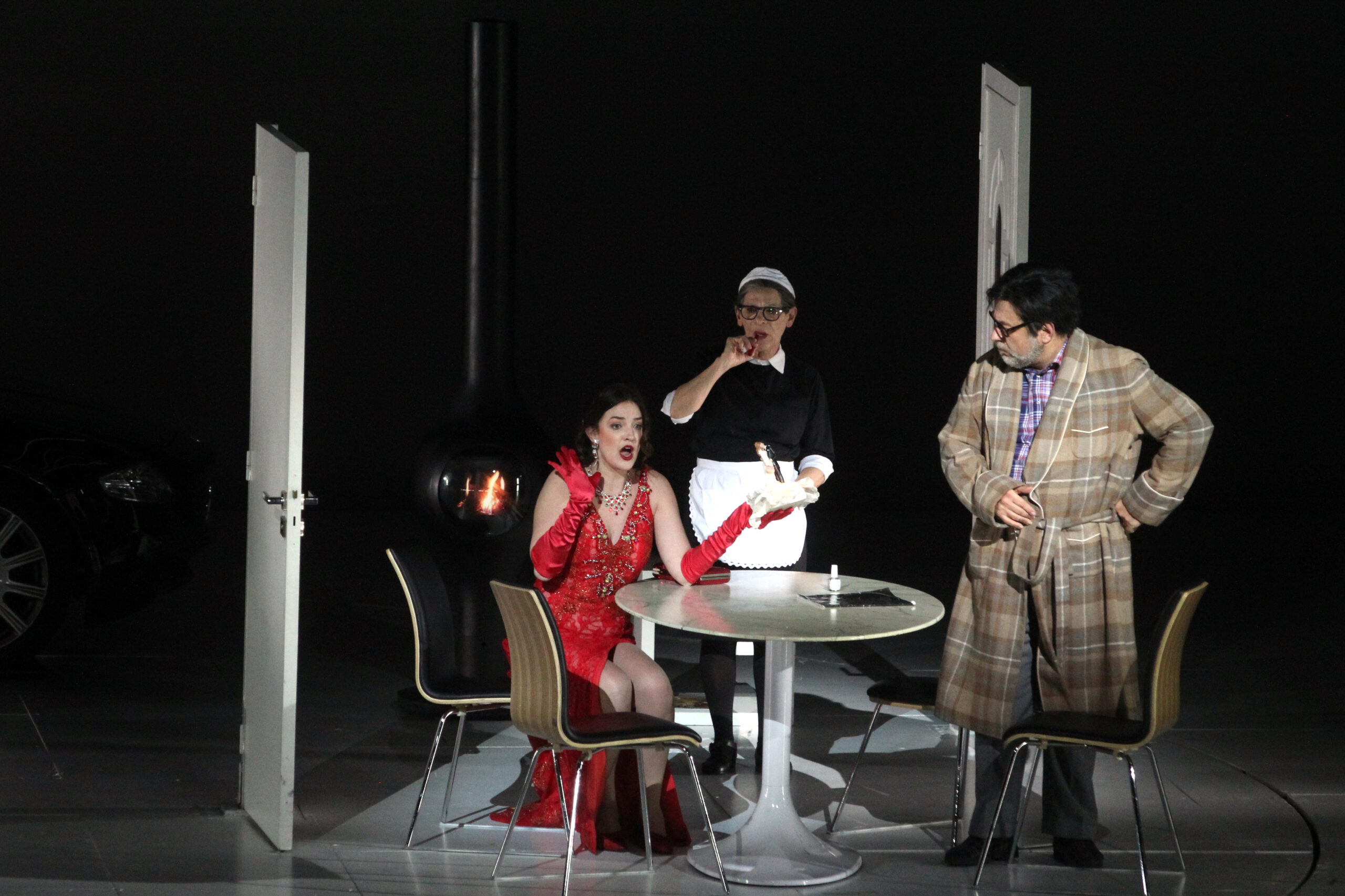
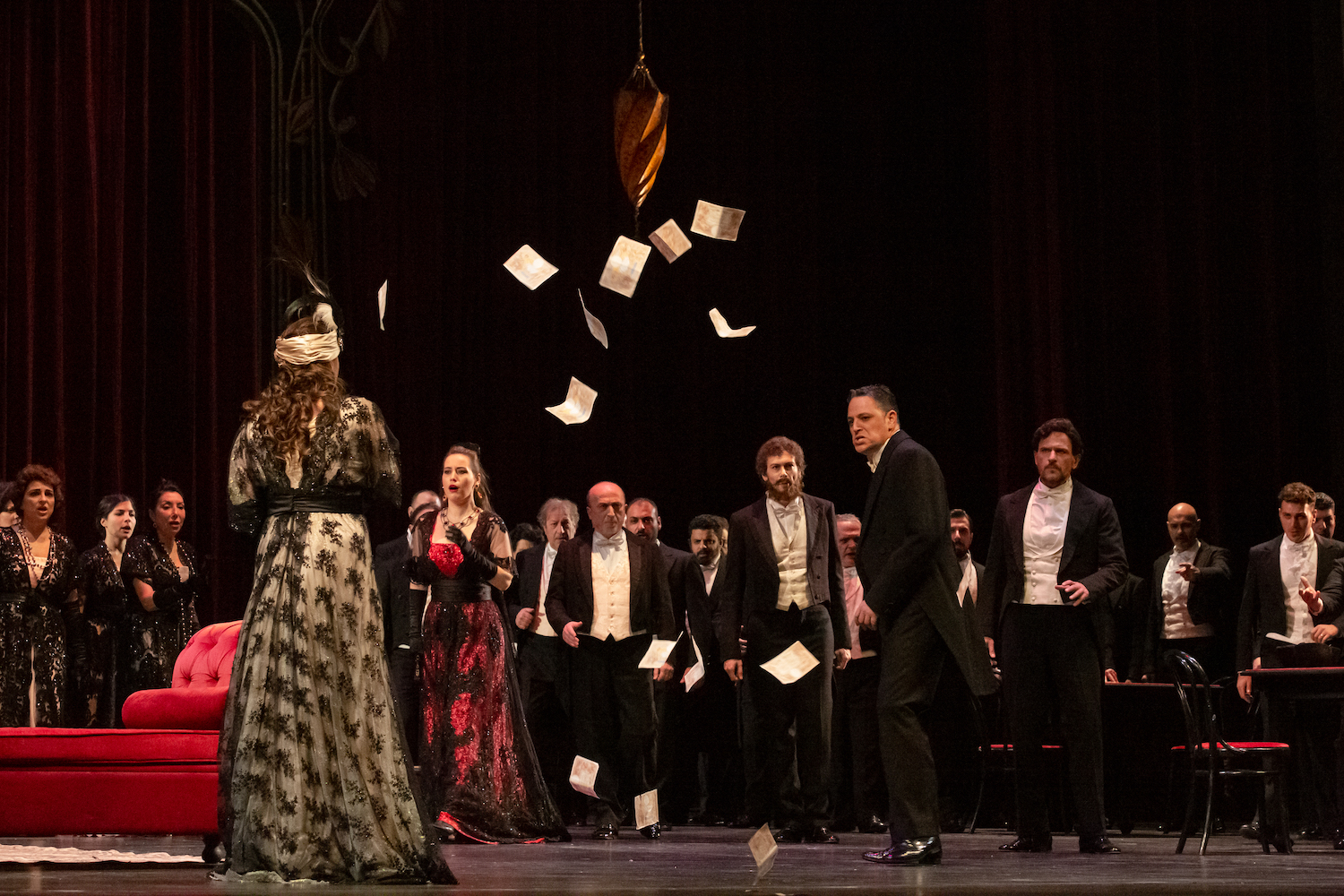
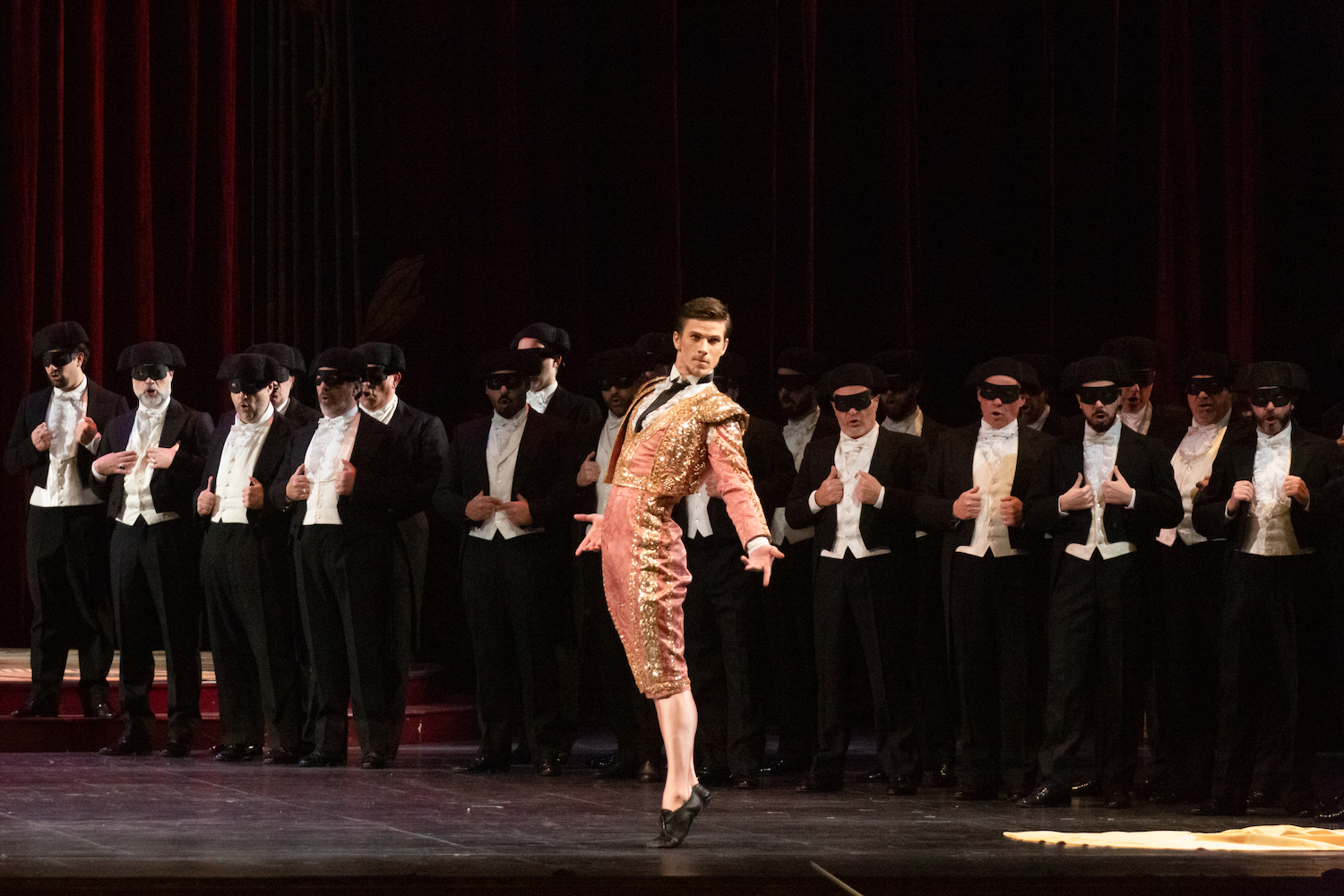
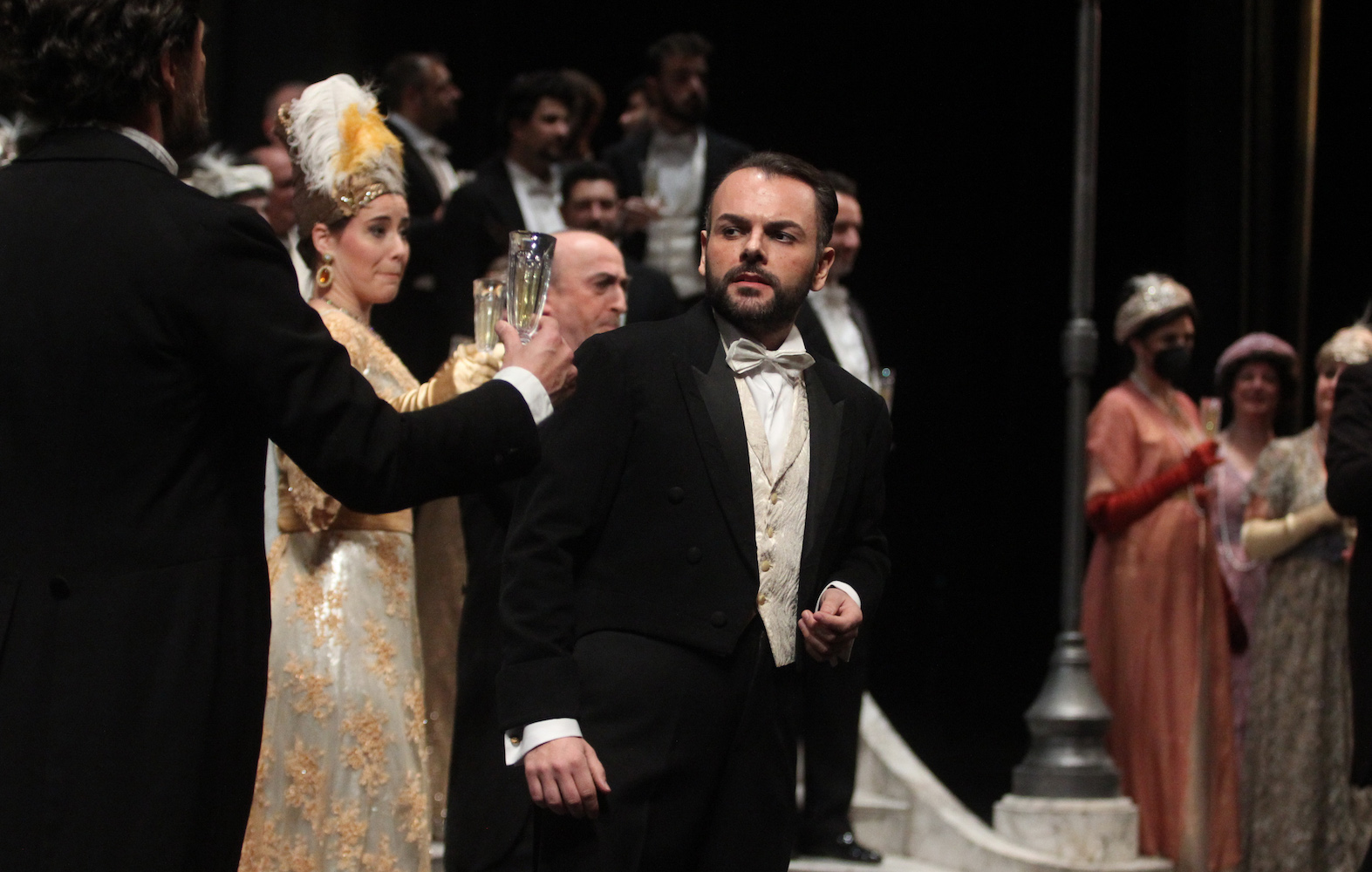
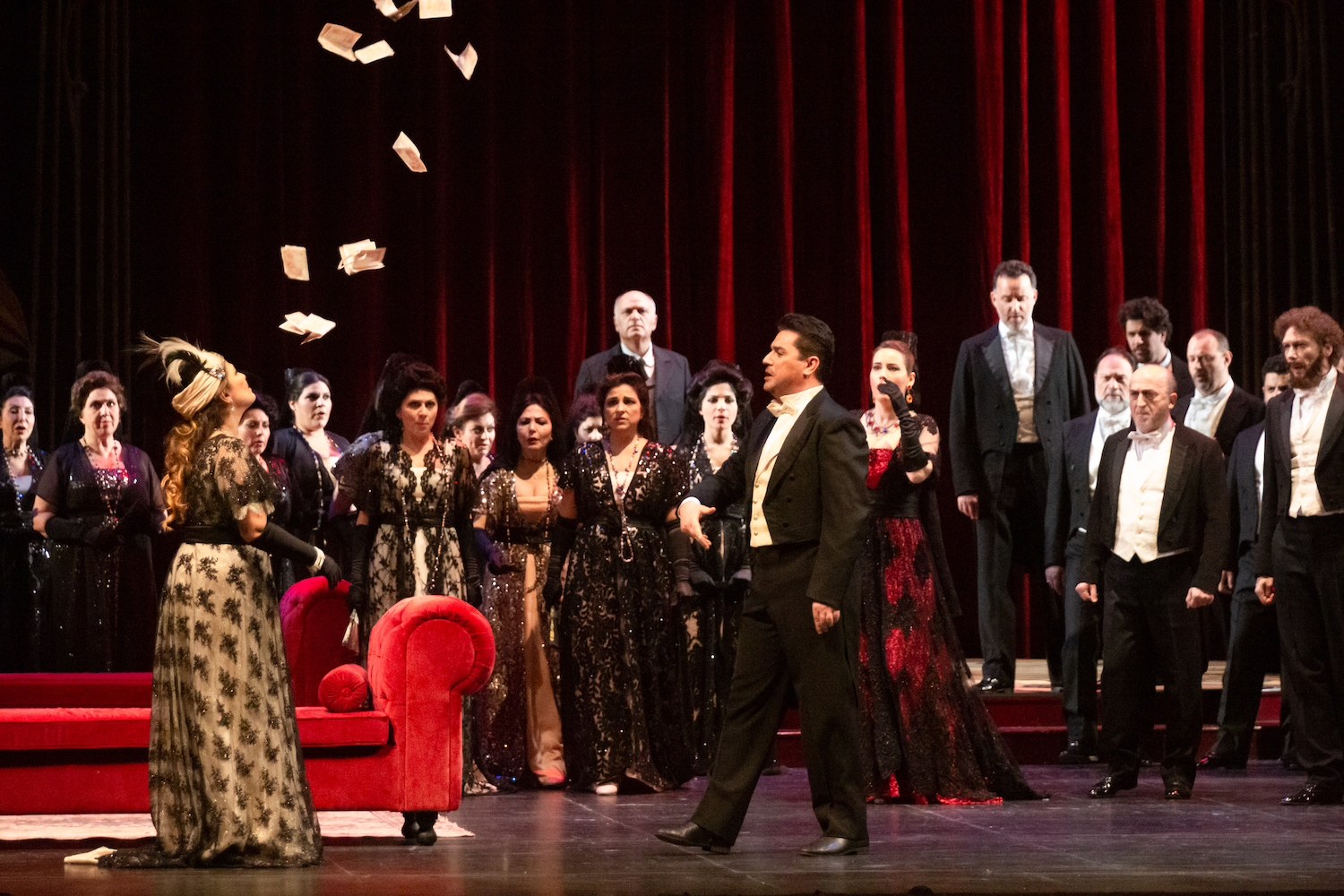
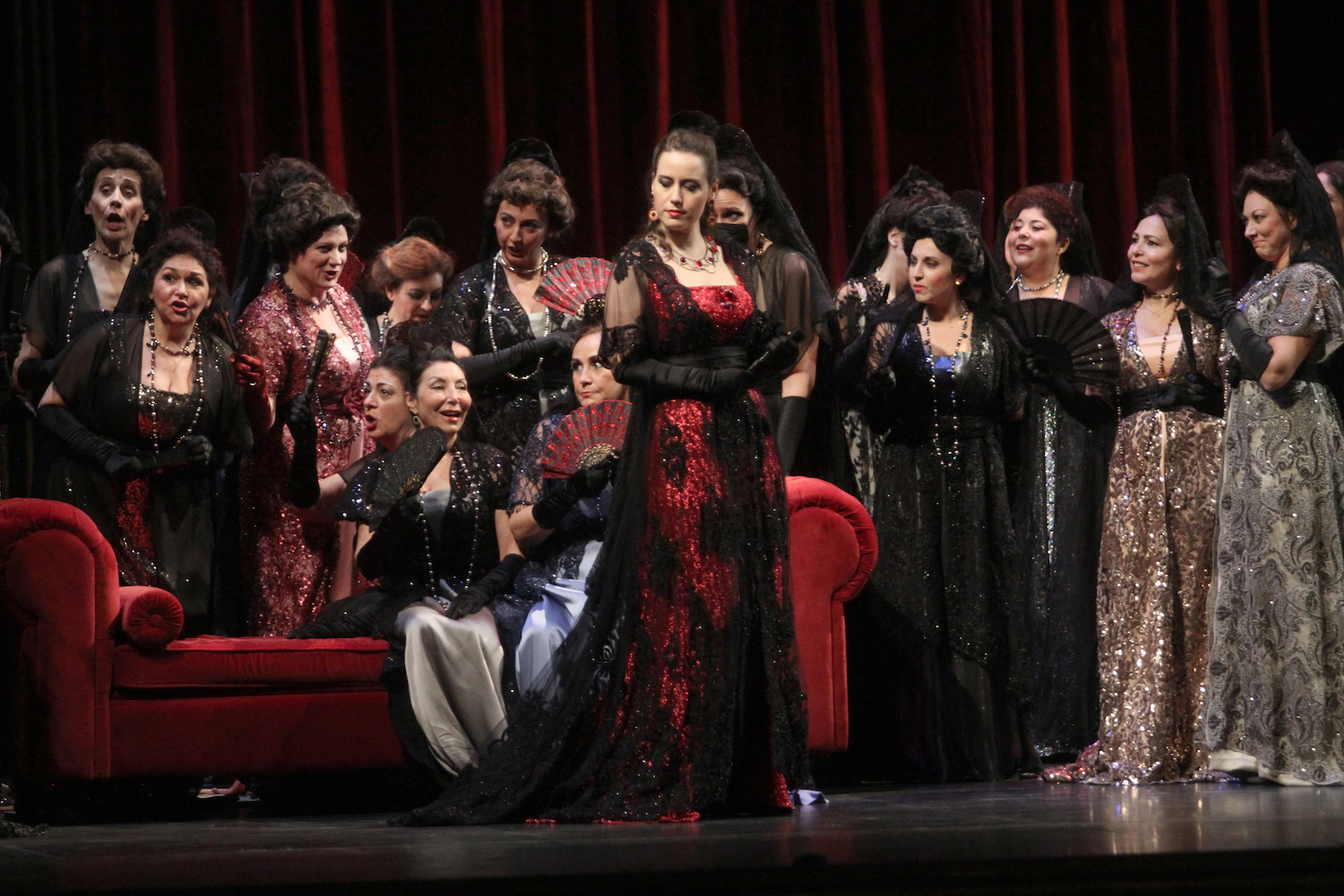
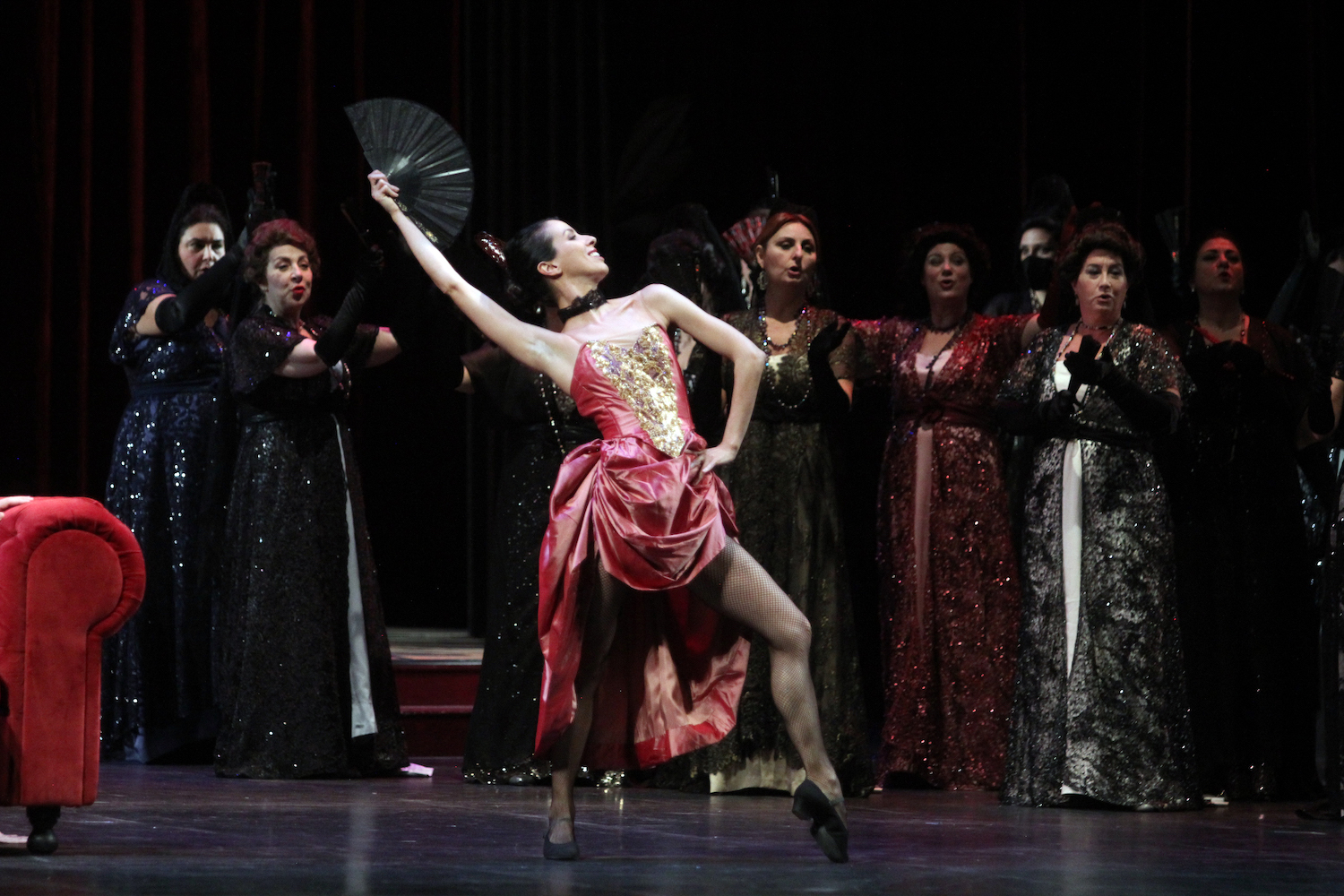
At the masked ball, news has spread of Violetta and Alfredo’s separation. Meanwhile, Violetta and her new lover, Baron Douphol, have arrived. Alfredo and the Baron battle at the gaming table and Alfredo wins. When everybody has withdrawn, Alfredo confronts Violetta, who claims to be truly in love with the Baron. In his rage Alfredo calls the guests as witnesses and declares that he doesn’t owe Violetta anything (“Ogni suo aver tal femmina”). He throws his winnings at her. Giorgio Germont, who has witnessed the scene, rebukes his son for his behavior. The Baron challenges his rival to a duel.
ACT III
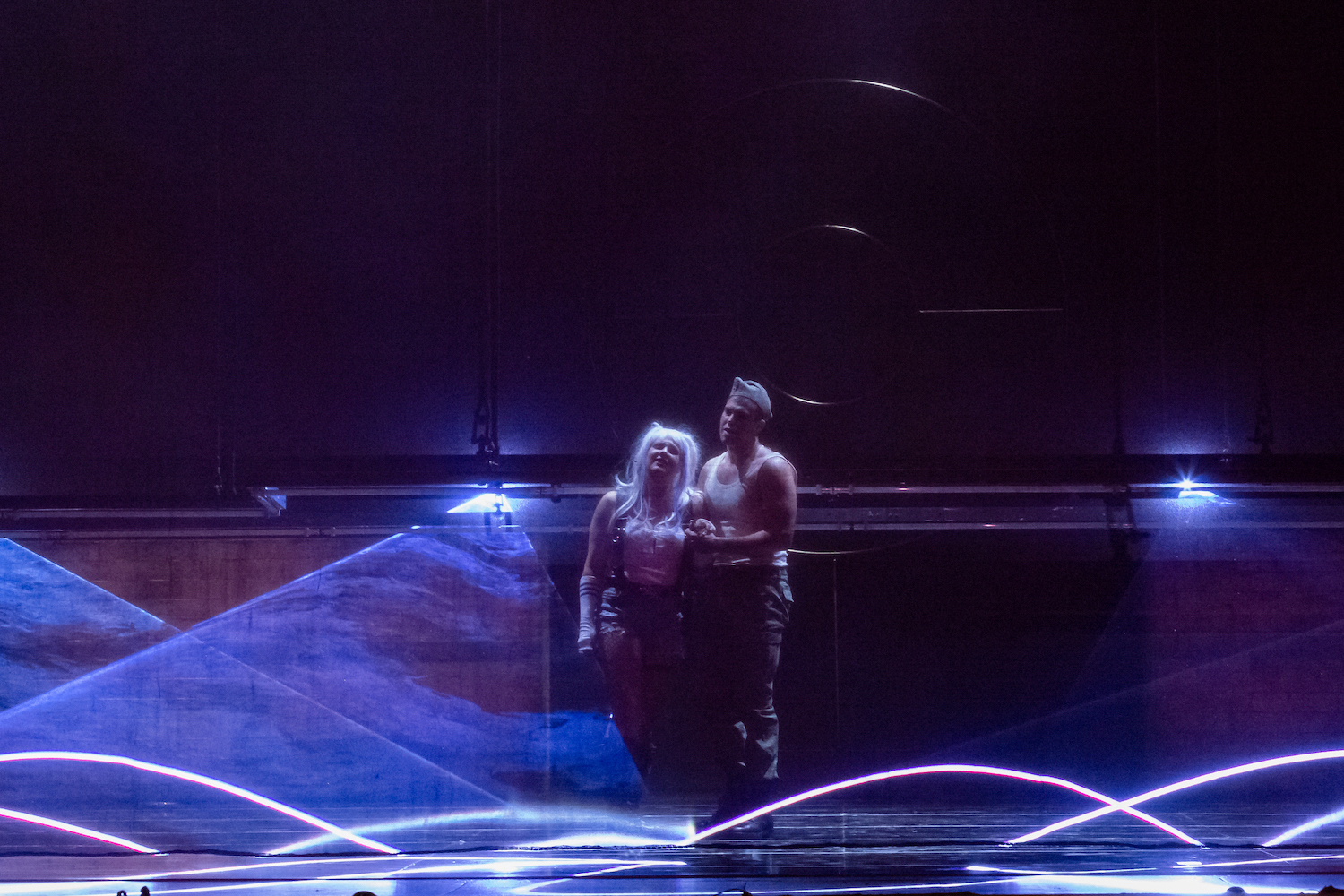
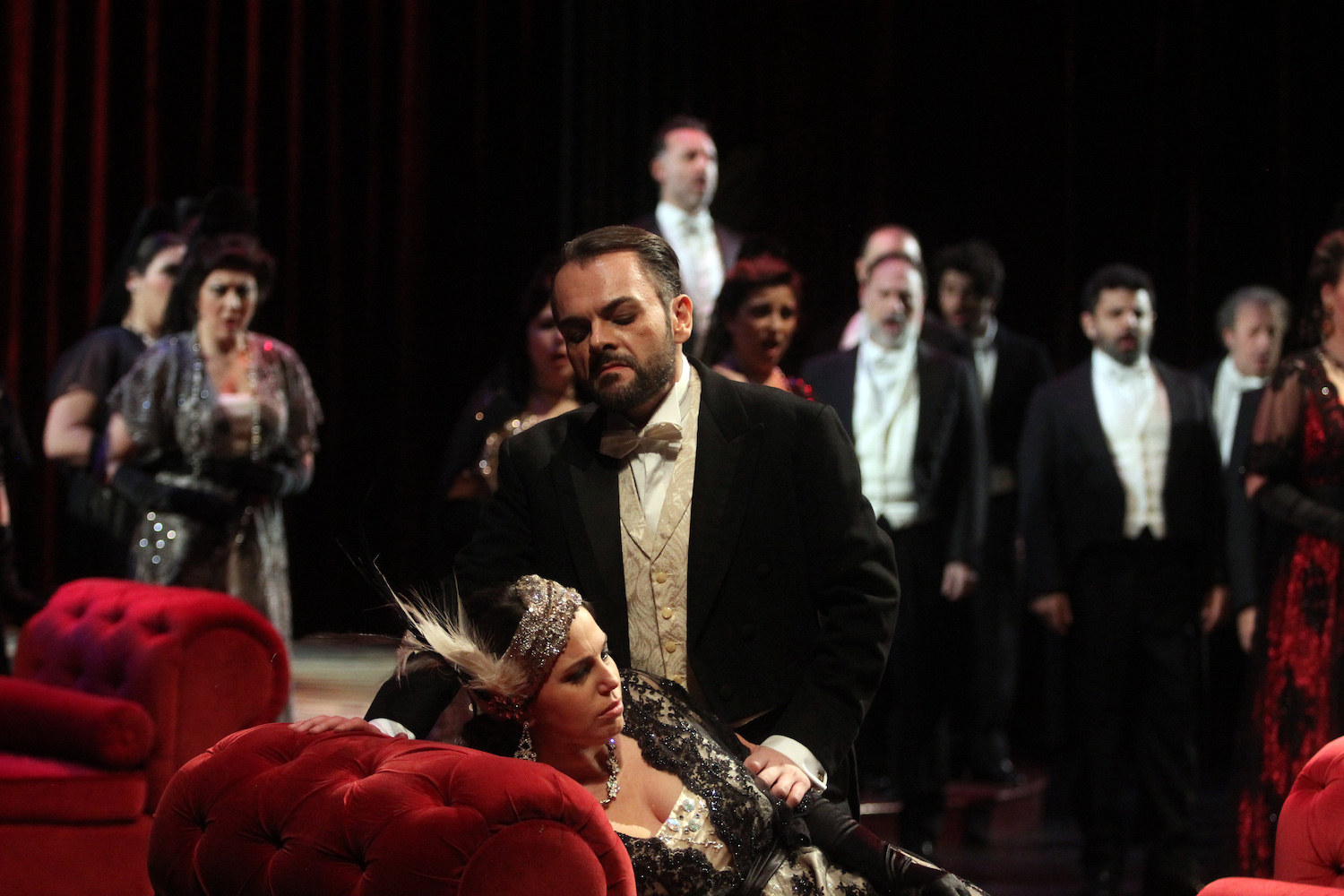
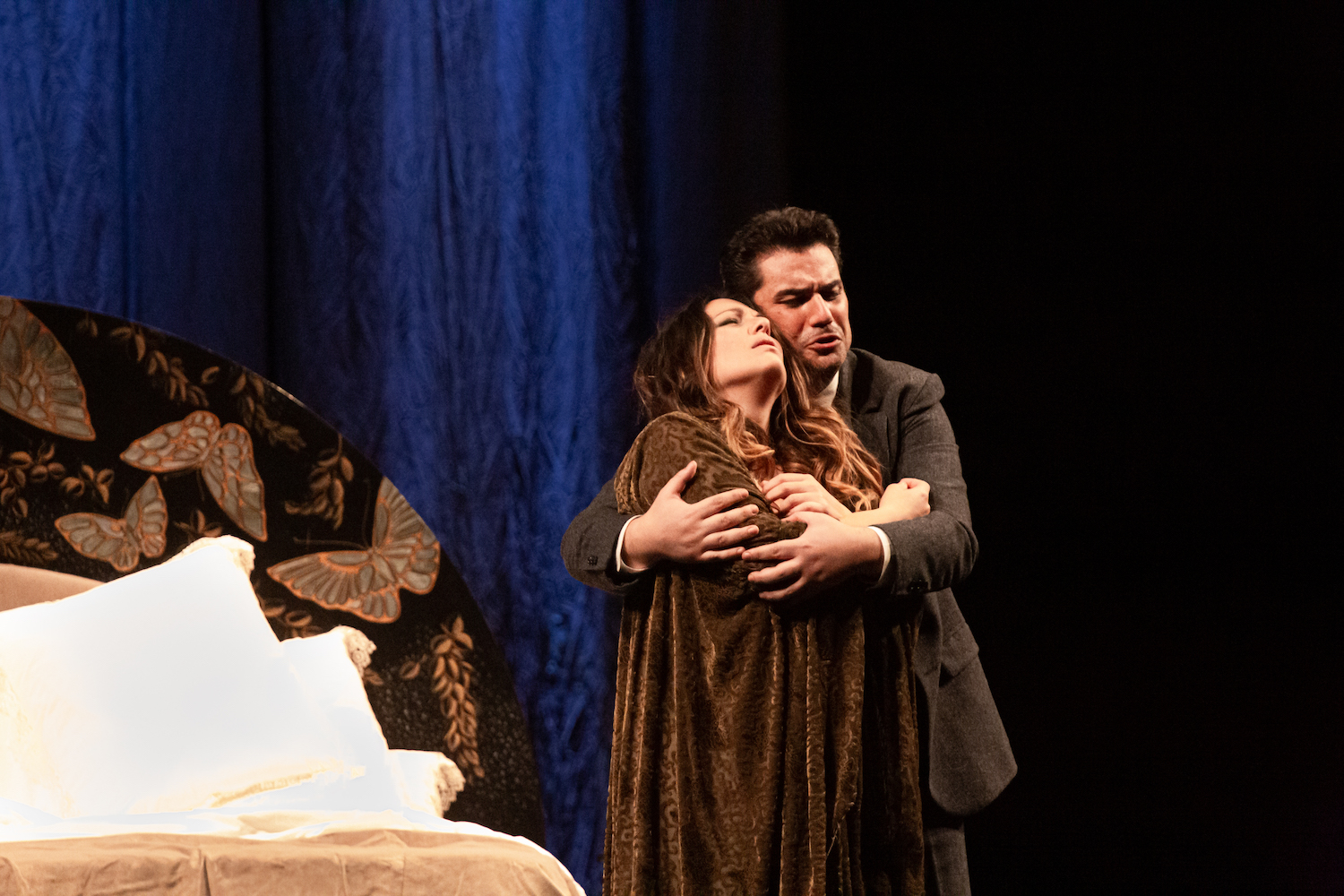
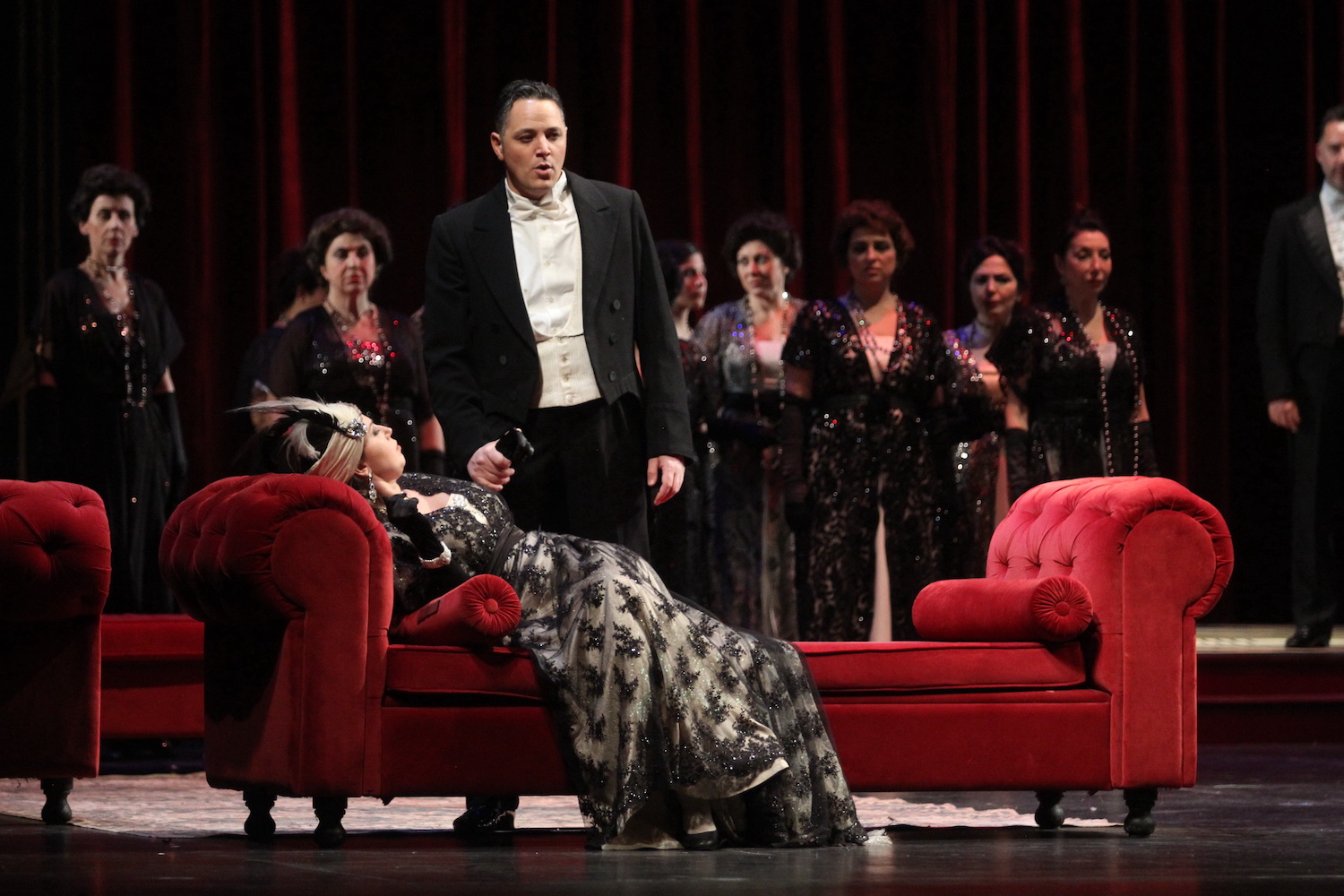
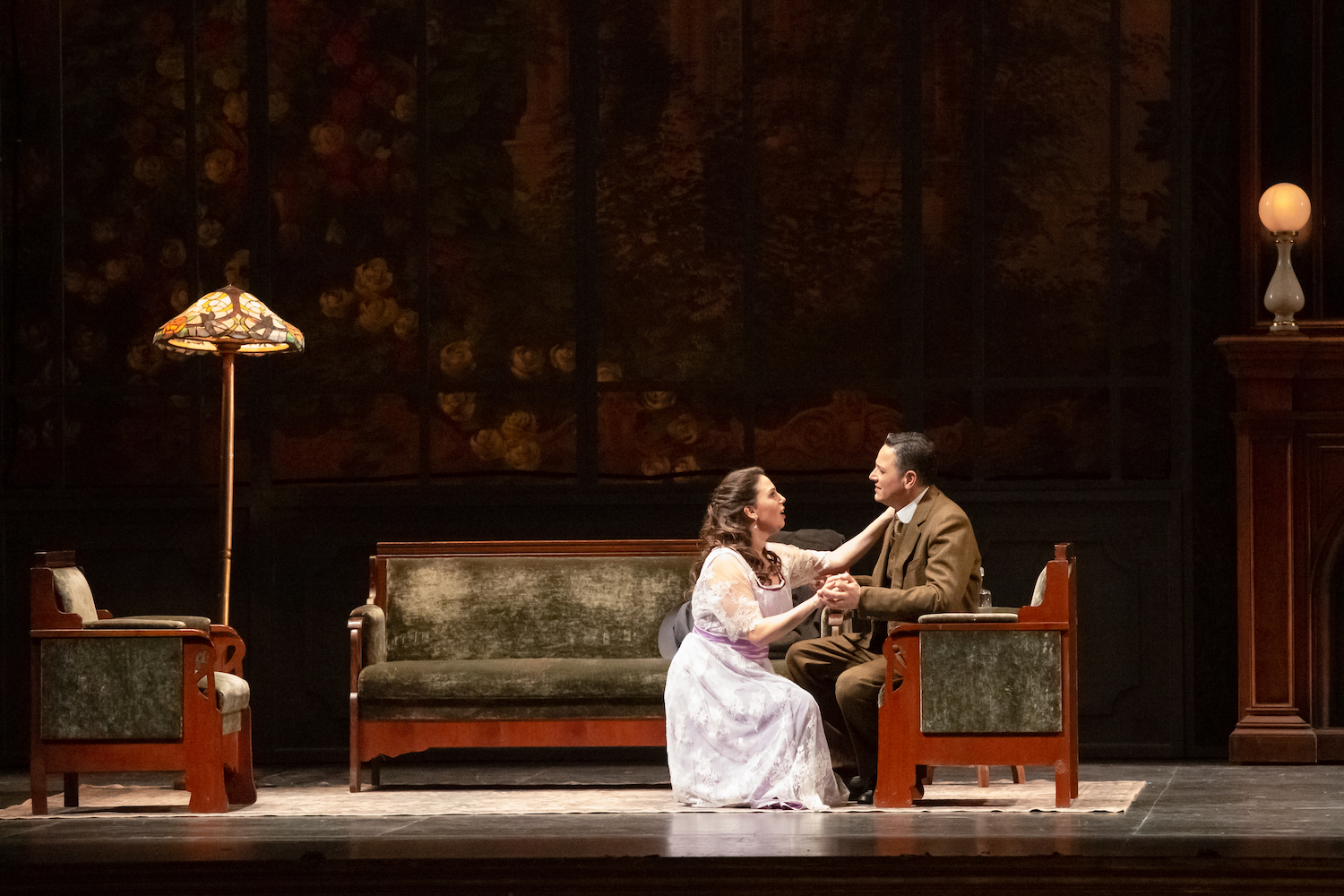
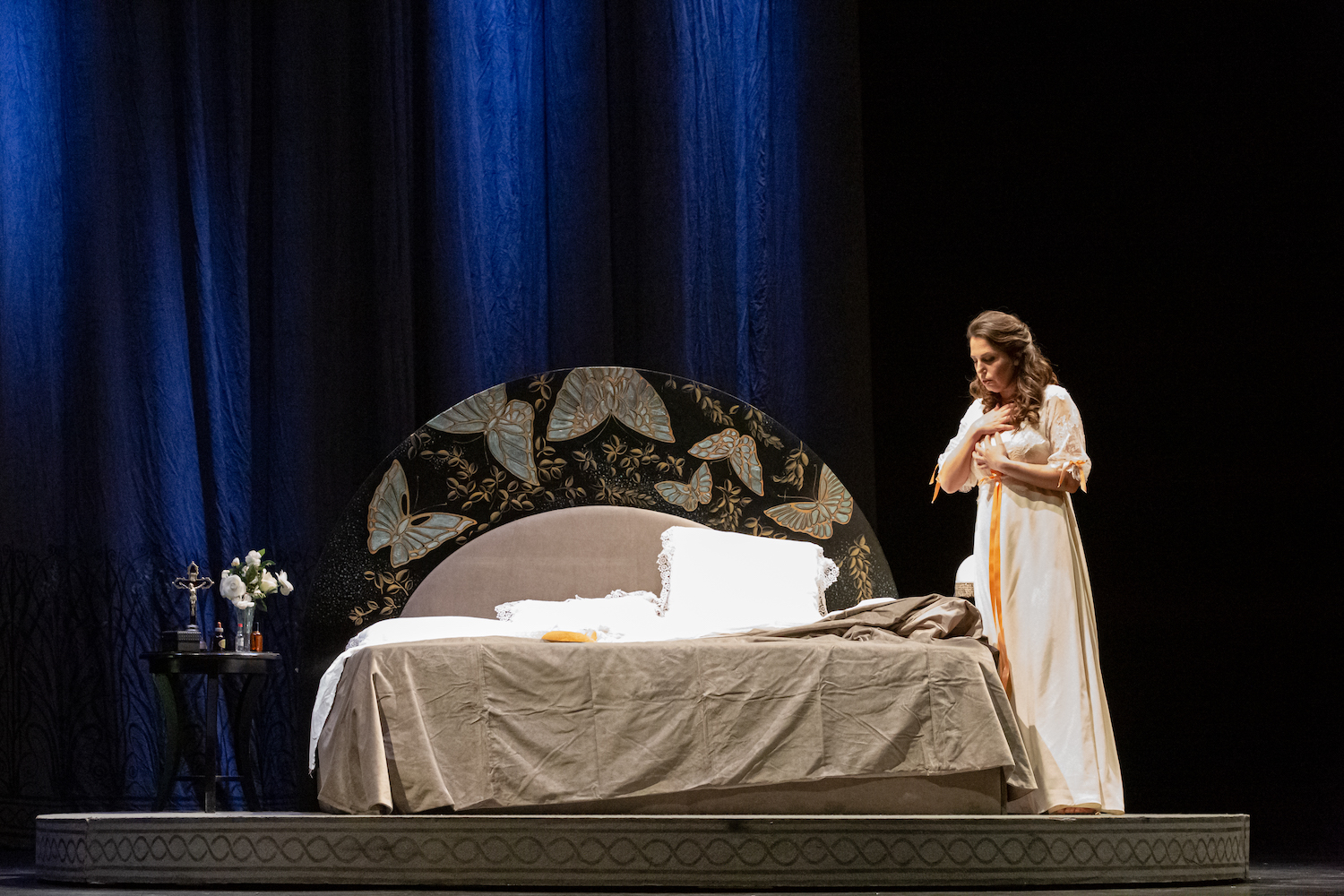
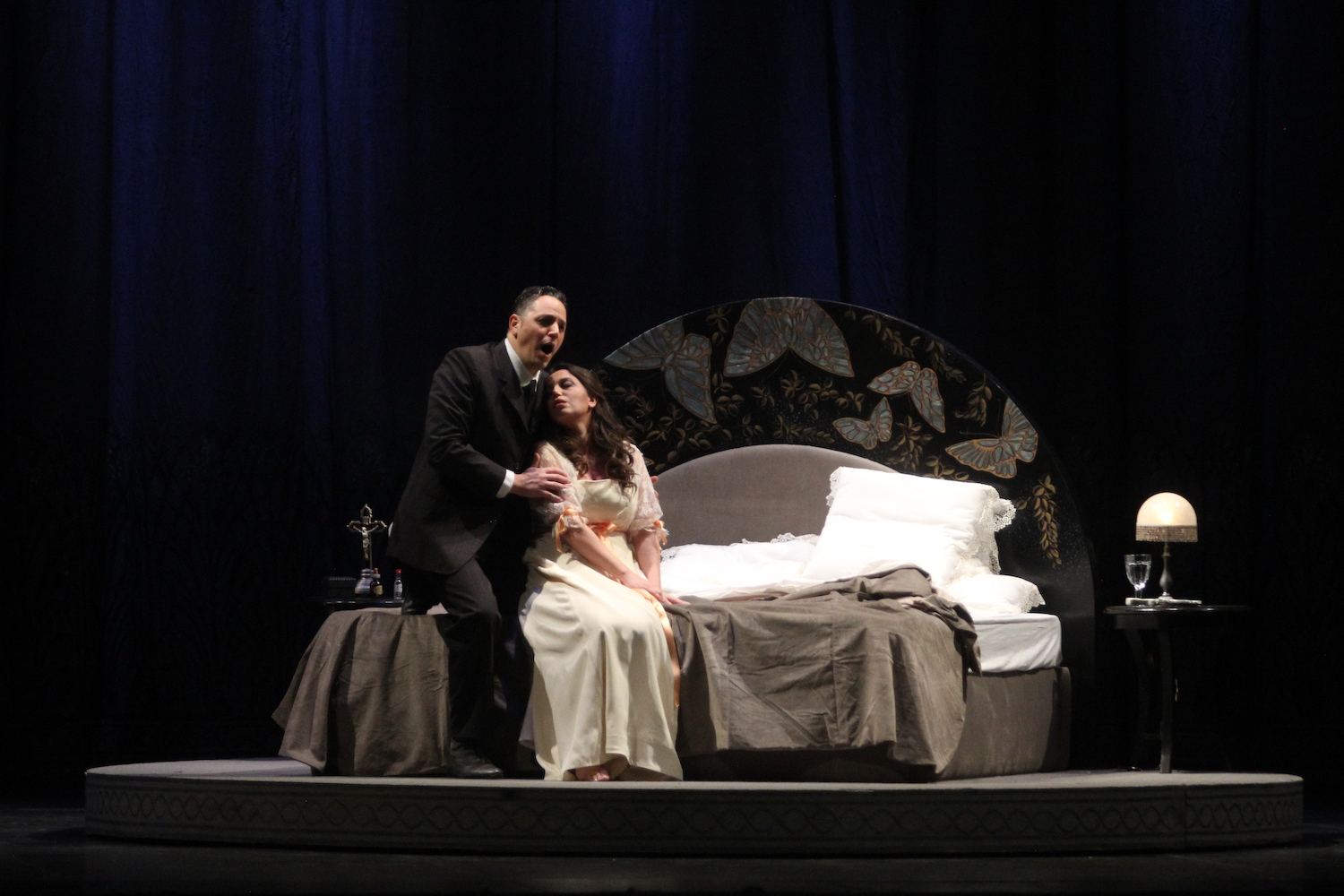
Violetta is dying. Alfredo’s father has written to Violetta, informing her that his son was not injured in the duel. Full of remorse, Germont has told his son about Violetta’s sacrifice. Alfredo wants to rejoin her as soon as possible. Violetta is afraid that he might be too late (“Addio, del passato bei sogni ridenti”). The sound of rampant celebrations are heard outside. But Alfredo does arrive (“Parigi, o cara, noi lasceremo”). Violetta’s energy and exuberant joy of life return. All sorrow and suffering seem to have left her — a final illusion, before death claims her.
Gallery









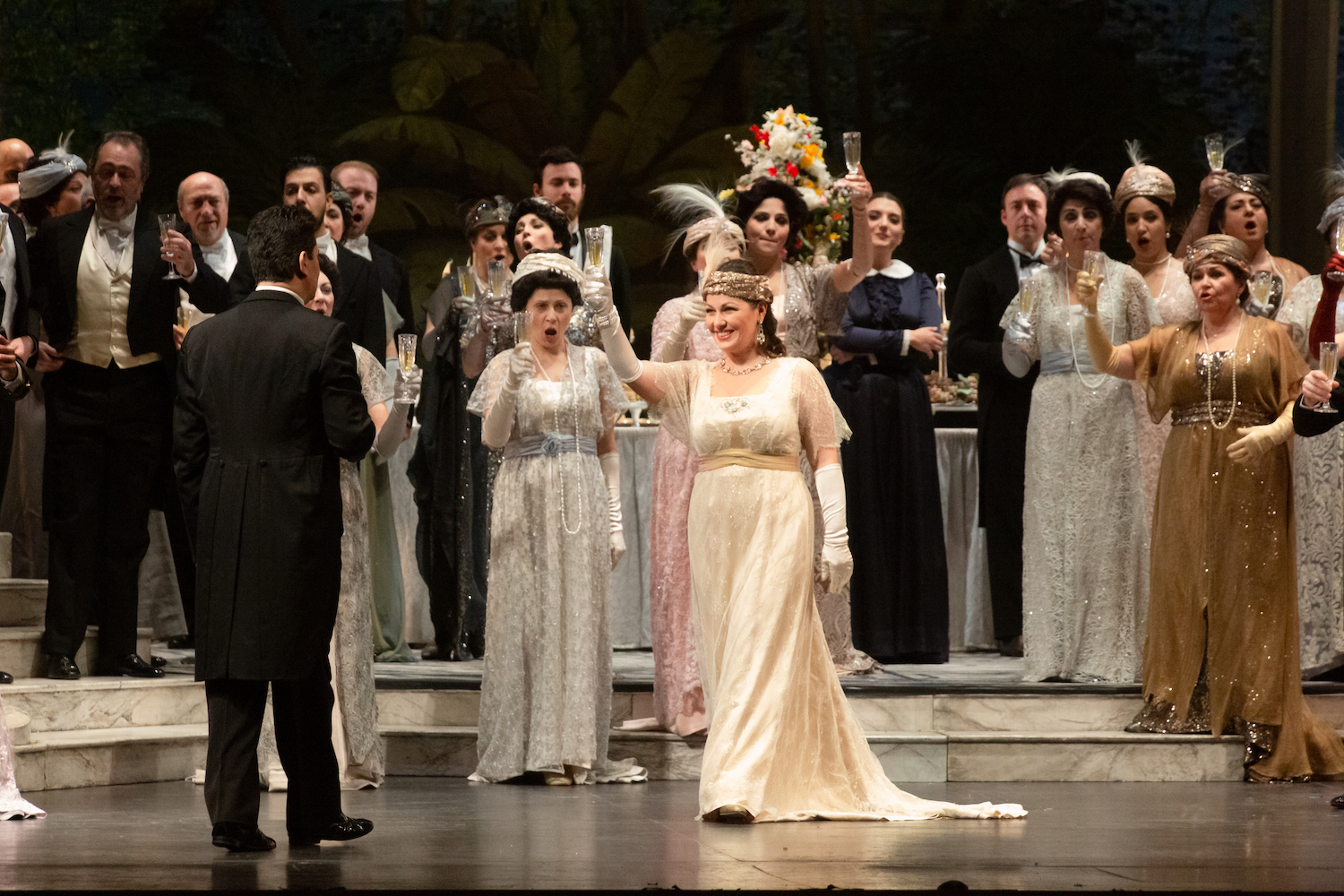
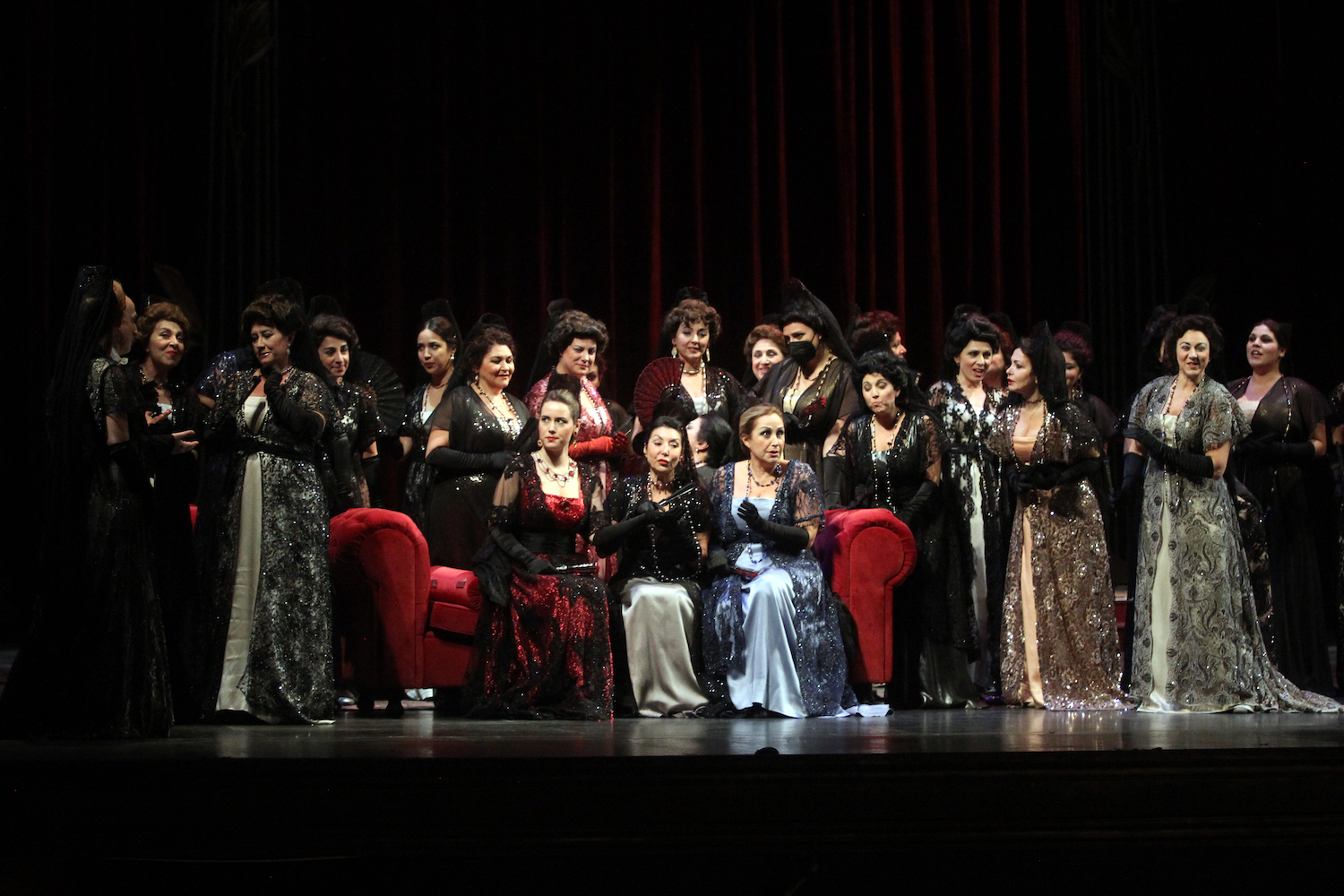
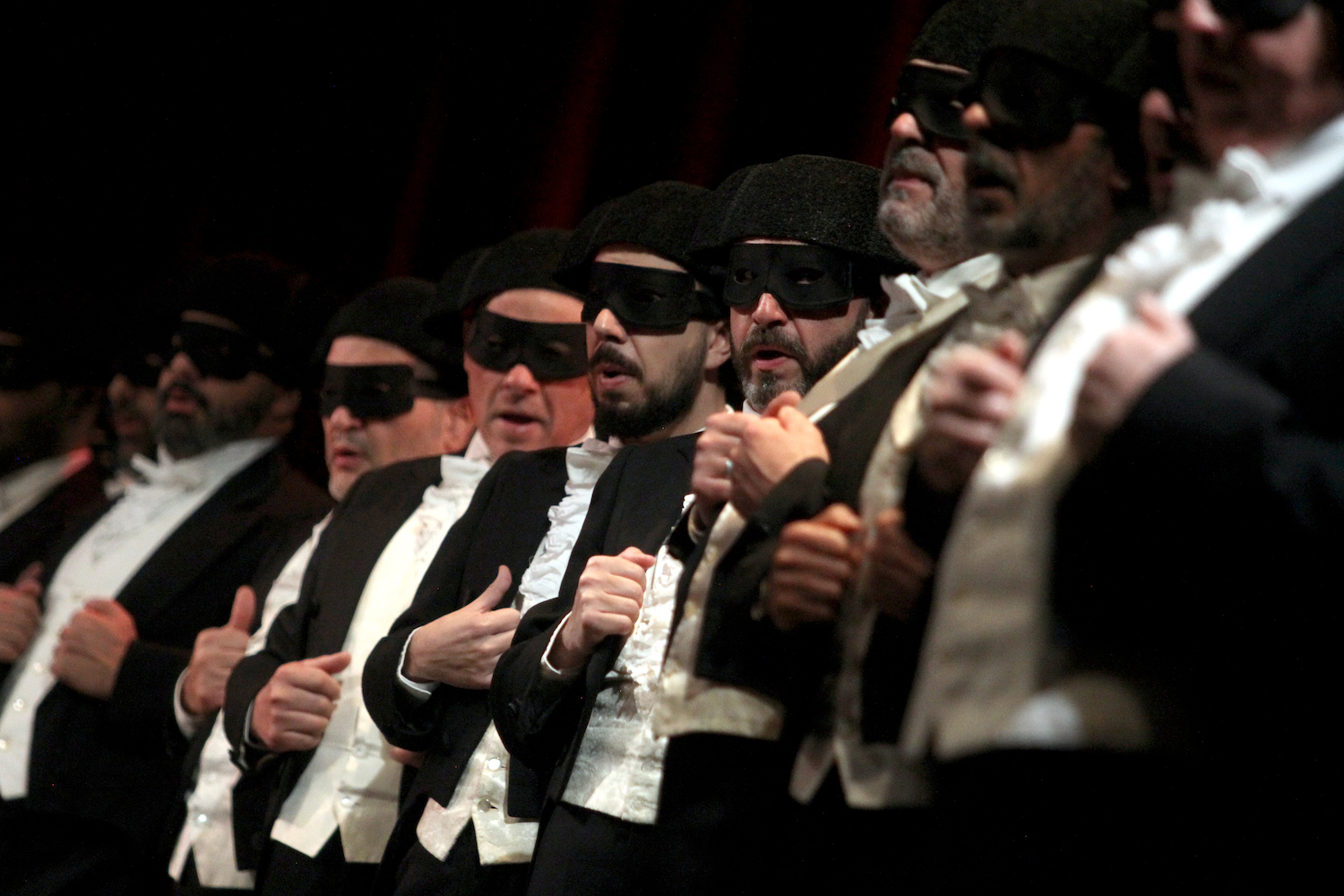
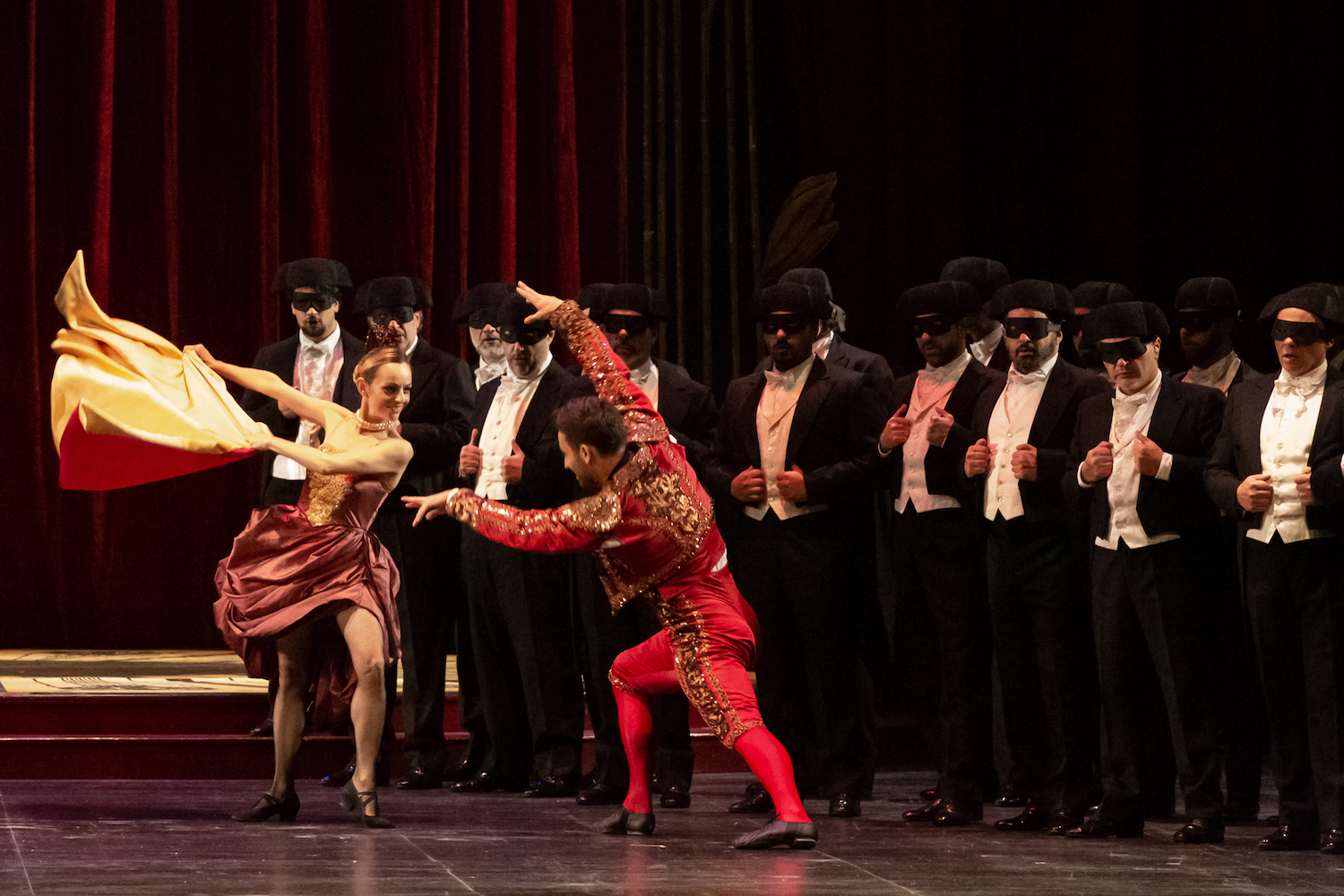
-
Dates
- 17 January8:00 PMPremiere18 January6:30 PMOpera Turn19 January6:30 PMSchools Turn20 January8:00 PMF Turn21 January6:30 PMDanza Turn22 January5:30 PMD Turn24 January6:30 PMB Turn
About
15, 17, 21, 22 and 24 June 2023 |Main Stage, Teatro Massimo
2023 Japan Tour
Director Mario Pontiggia
Restaged by Angelica Dettori
Scene Designs Antonella Conte
Costume Designs Francesco Zito and Antonella Conte
Lighting Designs Angelica DettoriCast
Mimì Angela Gheorghiu
Musetta Jessica Nuccio
Rodolfo Vittorio Grigolo
Marcello Francesco Vultaggio
Schaunard Italo Proferisce
Colline Giovanni Augelli
Un venditore di prugneFrancesco Polizzi
Parpignol Piero Luppina / Carlo Morgante
Benoit, Alcindoro Luciano Roberti
Sergente dei doganieri Alessio Gatto Goldstein / Gianfranco Giordano
Un doganiere Federico Cucinotta / Cosimo Diano
Teatro Massimo Chorus and Orchestra
Chorus Master Salvatore PunturoInfo
Teatro Massimo Tour in Japan
June 15 – 25 2023
About
18, 20 and 25 June 2023 |Main Stage, Teatro Massimo
2023 Japan Tour
Conductor Francesco Ivan Ciampa
Director Mario Pontiggia
Restaged by Angelica Dettori
Scene Designs Francesco Zito and Antonella Conte
Costume Designs Francesco Zito
Lighting Designs Salvatore SpataroCast
Violetta Ermonela Jaho
Giorgio Germont Alberto Gazale
Alfredo Germont Francesco Meli
Flora Tonia Langella
Gastone Blagoj Nacoski
Il Barone Douphol Italo Proferisce
Il marchese d’Obigny Luciano Roberti
Il dottor Grenvil Giovanni Augelli
Annina Francesca Manzo
Giuseppe Alfio Vacanti / Carlo Morgante
Un domestico di Flora / Un commissionario Antonio Barbagallo / Enrico CossuttaTeatro Massimo Orchestra and Chorus
Chorus Master Salvatore PunturoInfo
Teatro Massimo Tour in Japan
June 15 – 25 2023
Informazioni
Presented today the new Opera, Ballet and Concert Season of the Teatro Massimo di Palermo
Opening on November 22 with Vincenzo Bellini’s I Capuleti e i Montecchi, conductor Omer Meir Wellber, director Idan Cohen
Eight operas, thirteen concerts and three ballets inspired to fairy-tale characters
Season Tickets Sale will begin on September 8
Go to the full press release (in Italian)
Check the Season Calendar of 2023/2024 Operas, Ballets and Concerts
Season Tickets
Season Tickets Sale
Starting on September 8
Watch the press conference video
About
From 17 to 23 february 2023 |Main Stage, Teatro Massimo
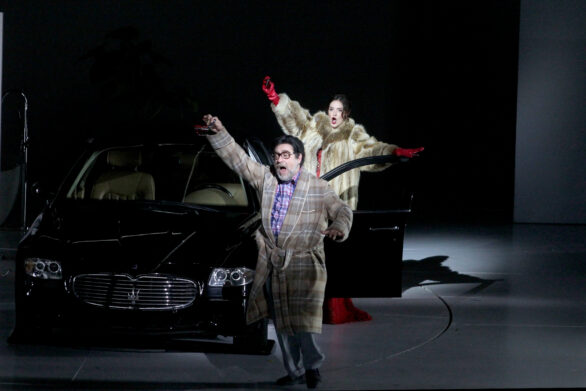
Dramma buffo in three acts
by Gaetano DonizettiConductor Michele Spotti
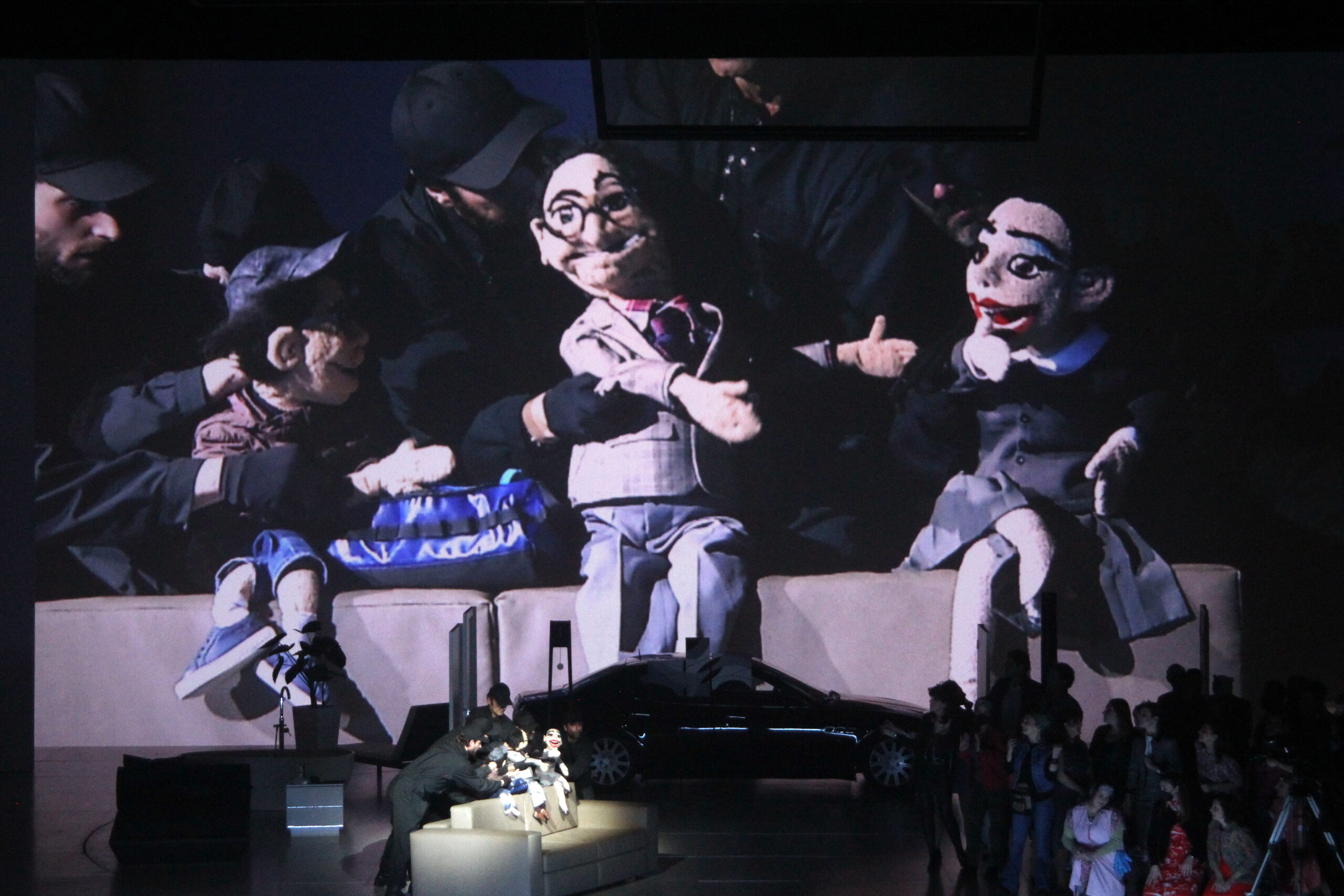
Director Damiano Michieletto
restaged by da Daniel Dooner
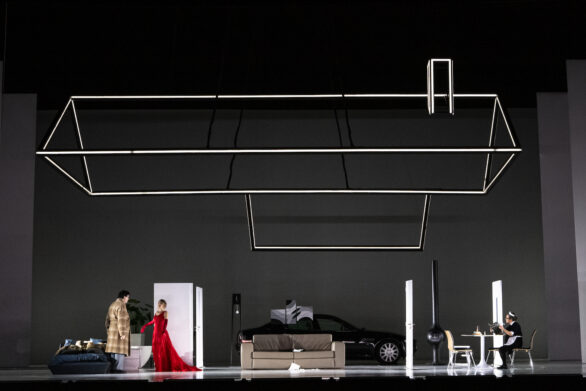
Scene Design Paolo Fantin
Costume Design Agostino Cavalca
Lighting Design Alessandro Carletti
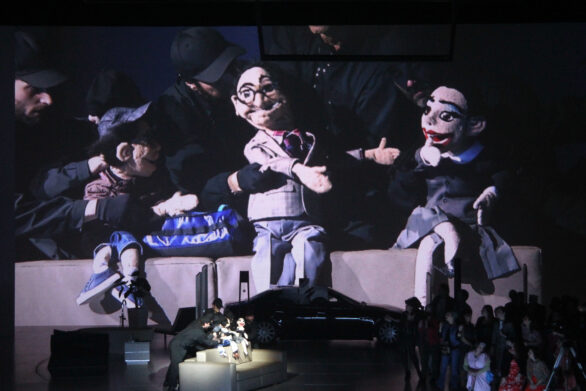
Video Design Roland Horvath/Roca Film
Conductor Assistant Danila Grassi
Assistant Scene Design Piero De Francesco
Assistant Costume Design Camilla Masellis
Assistant Lighting Design Ludovico Gobbi
A new production of the Teatro Massimo in co-production with ROH Covent Garden and Opéra de Paris
Cast
Don Pasquale Michele Pertusi (17, 19, 21, 23) / Carlo Lepore (18, 22)
ErnestoRené Barbera (17, 19, 21, 23) / Ioan Hotea (18, 22)
Norina Giuliana Gianfaldoni (17, 19, 21, 23) / Marina Monzò (18, 22)
Dottor Malatesta Markus Werba (17, 19, 21, 23) / Christian Senn (18, 22)
Notaio Enrico CossuttaTeatro Massimo Orchestra and Chorus
Maestro del Coro Salvatore Punturo
More info
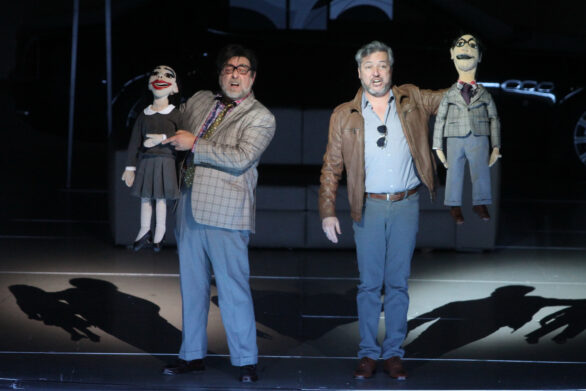
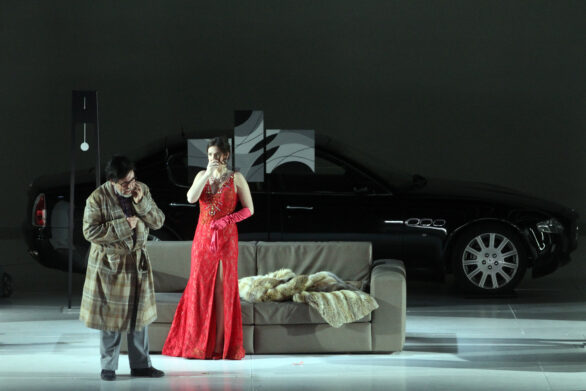
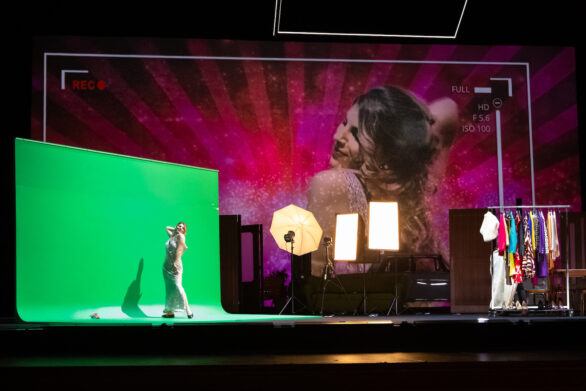
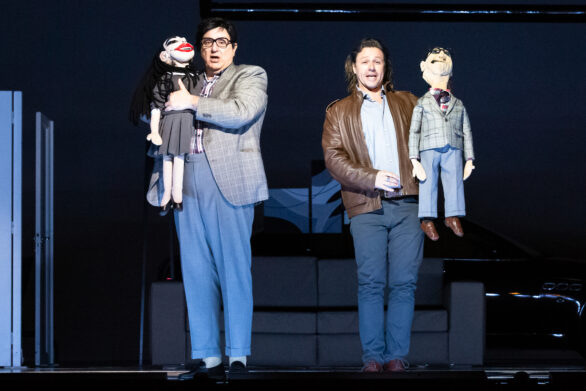
ATTO I
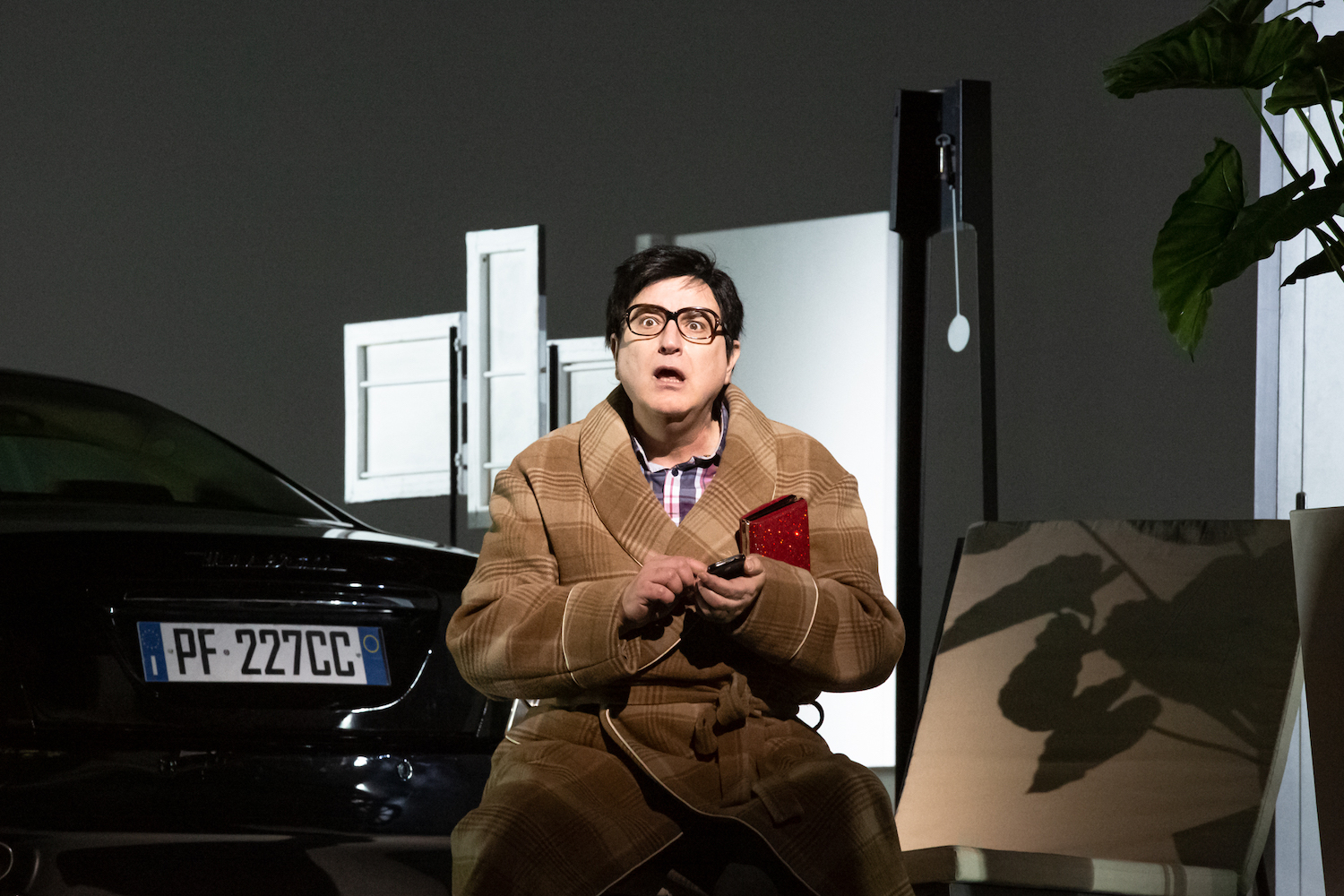
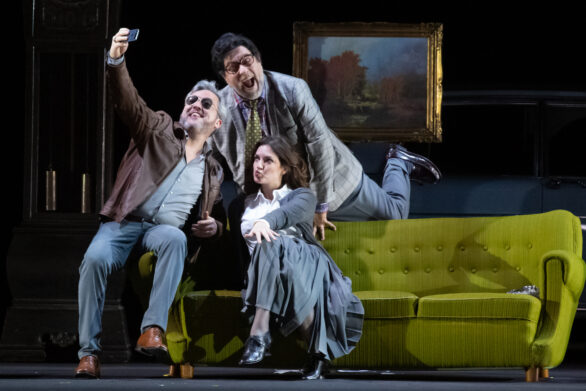
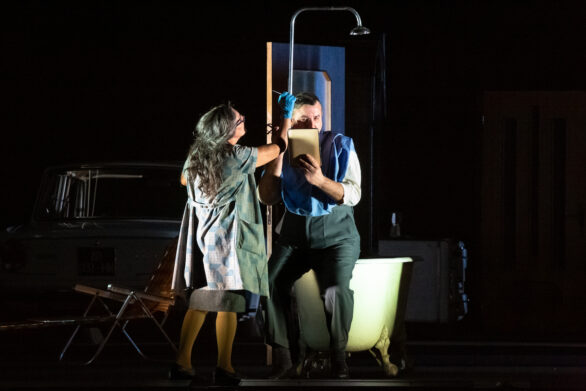
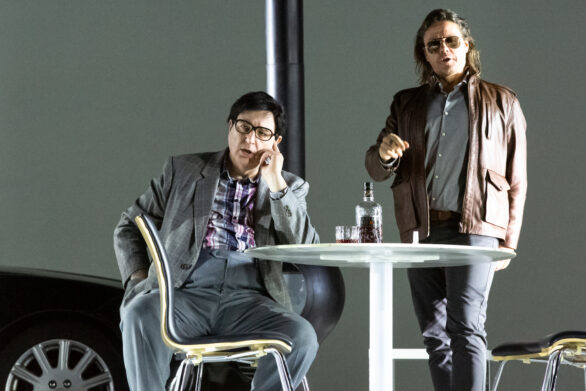
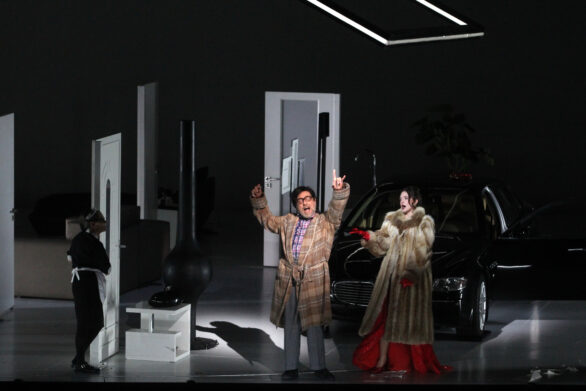
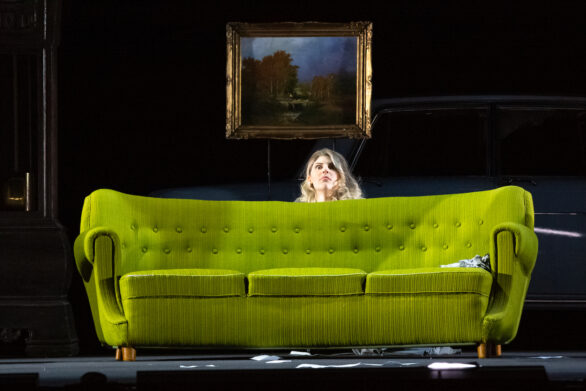
The old bachelor Don Pasquale plans to marry in order to punish his rebellious nephew, Ernesto, who is in love with the young widow Norina. Pasquale wants an heir so he can cut the young man off without a penny. He consults Dr. Malatesta, who suggests as a bride his own beautiful younger sister. Feeling rejuvenated, the delighted Pasquale asks Malatesta to arrange a meeting at once. Ernesto arrives and again refuses to marry a woman of his uncle’s choice. Pasquale tells him that he will have to leave the house, then announces his own marriage plans to his astonished nephew. With no inheritance, Ernesto sees his dreams evaporating. To make matters worse, he learns that his friend Malatesta has arranged Pasquale’s marriage. On her terrace, Norina laughs over a silly romantic story she’s reading. She is certain of her own ability to charm a man. Malatesta arrives. He is in fact plotting on her and Ernesto’s behalf and explains his plan: Norina is to impersonate his sister, marry Pasquale in a mock ceremony, and drive him to such desperation that he will be at their mercy. Norina is eager to play the role if it will help her and Ernesto to be together.
ATTO II
Ernesto, who knows nothing of Malatesta’s scheme, is desperate about the ap- parent loss of Norina and imagines his future as an exile. Pasquale, on the other hand, is impatient to meet his bride-to-be and enchanted when Malatesta introduces the timid “Sofronia.” Pasquale decides to get married at once. During the wedding ceremony, Ernesto bursts in. Malatesta quickly and quietly explains to him what is going on and Ernesto plays witness to the wedding contract. As soon as the document is sealed and Pasquale has signed over his fortune to his bride, Norina changes her act from demure girl to willful shrew. The shocked Pasquale protests, to the delight of Norina, Ernesto, and Malatesta.
ATTO III
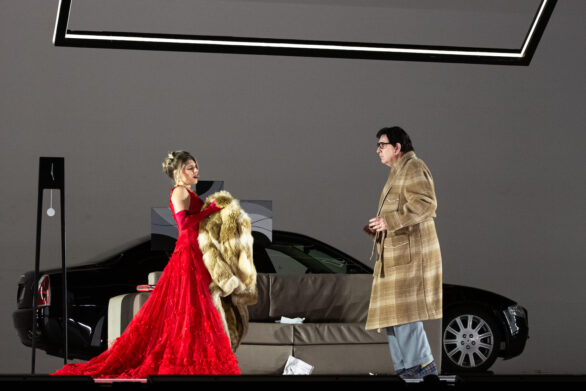
Pasquale’s new “wife” has continued her extravagant ways and amassed a stack of bills. When servants arrive carrying more purchases, Pasquale furiously resolves to assert his rights as husband. Norina, dressed elegantly for the theater, slap him when he tries to bar her way, even if she feels sympathy for the old man’s pain. As she leaves, she drops a letter implying that she has a rendezvous with an unknown suitor in the garden that night. The desperate Pasquale sends for Malatesta. Malatesta first tells Ernesto to make sure that Pasquale will not recognize him when he plays his part in the garden that evening. Then, alone with Pasquale, Malatesta assures him they will trap “Sofronia” in a compromising situation. Pasquale is happy to leave everything to Malatesta.
In the garden, Ernesto serenades Norina, and the two declare their love. Pasquale and Malatesta arrive – too late to catch the young man, who slips into the house, while “Sofronia” plays the innocent wife. Malatesta then announces that Ernesto is about to introduce his own bride, Norina, into the house. “Sofronia” protests she will never share the roof with another woman and threatens to leave. Pasquale is overjoyed and grants permission for Ernesto to marry Norina, with his inheritance. When Sofronia’s identity is finally revealed, Pasquale accepts the situation with good humour: marriage is not for an old man.Gallery
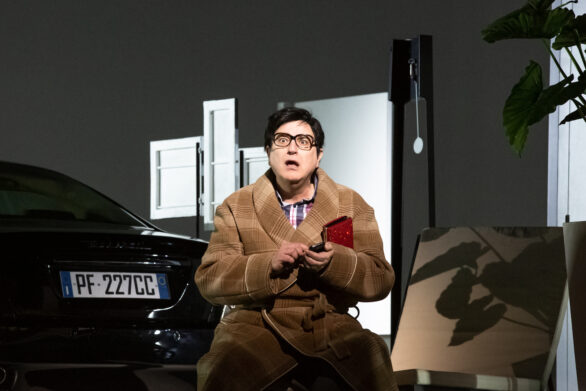
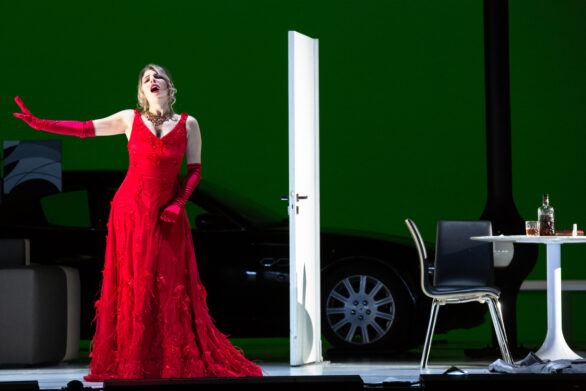
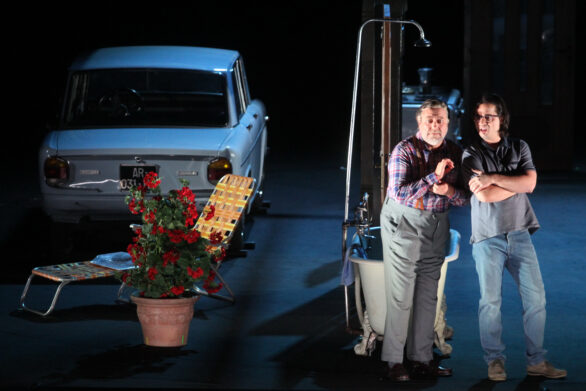
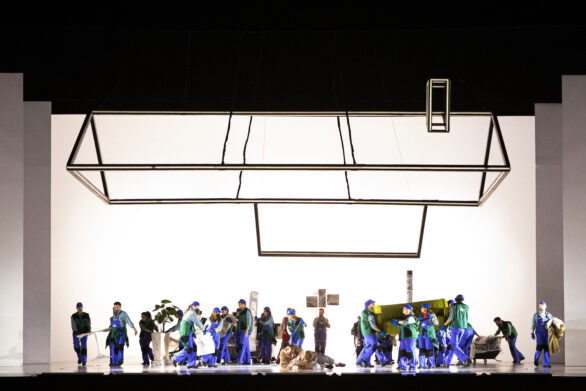
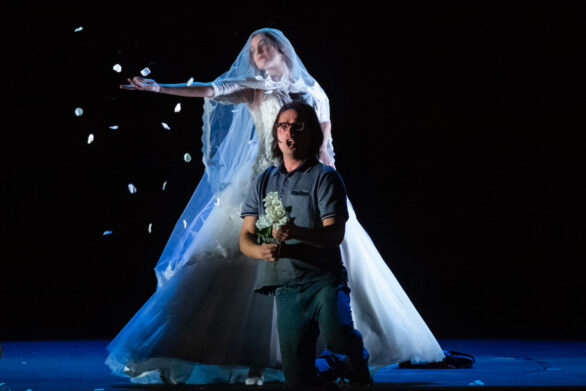
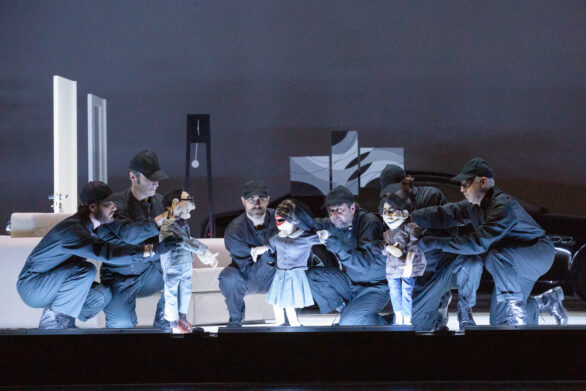
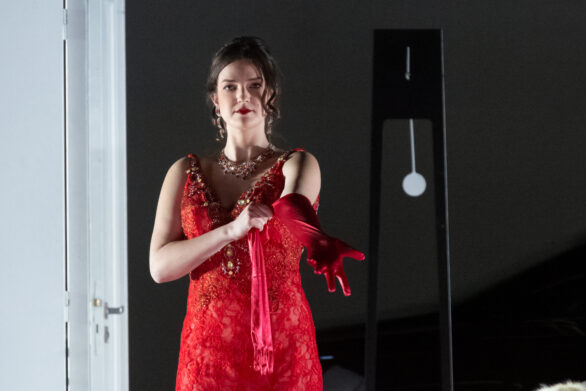
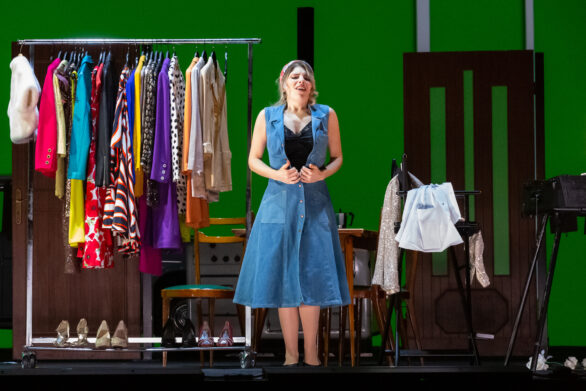
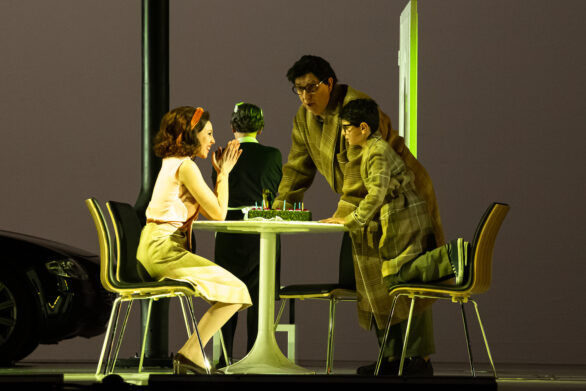
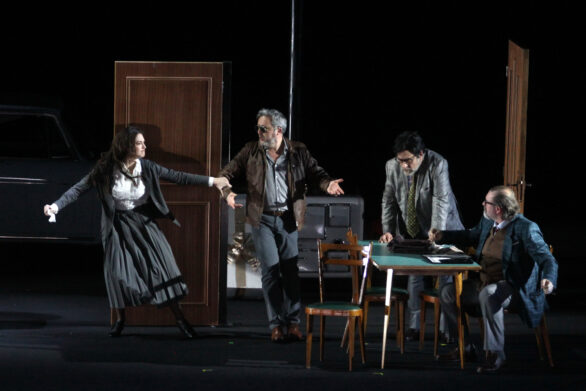
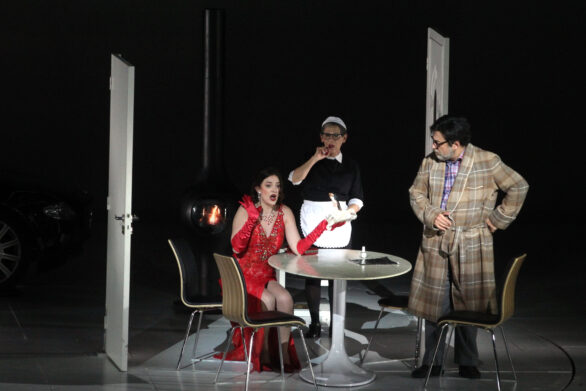
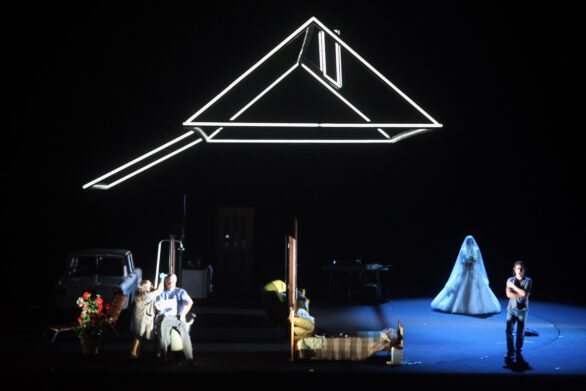
About
From 16 to 23 December 2022 | Main Stage, Teatro Massimo
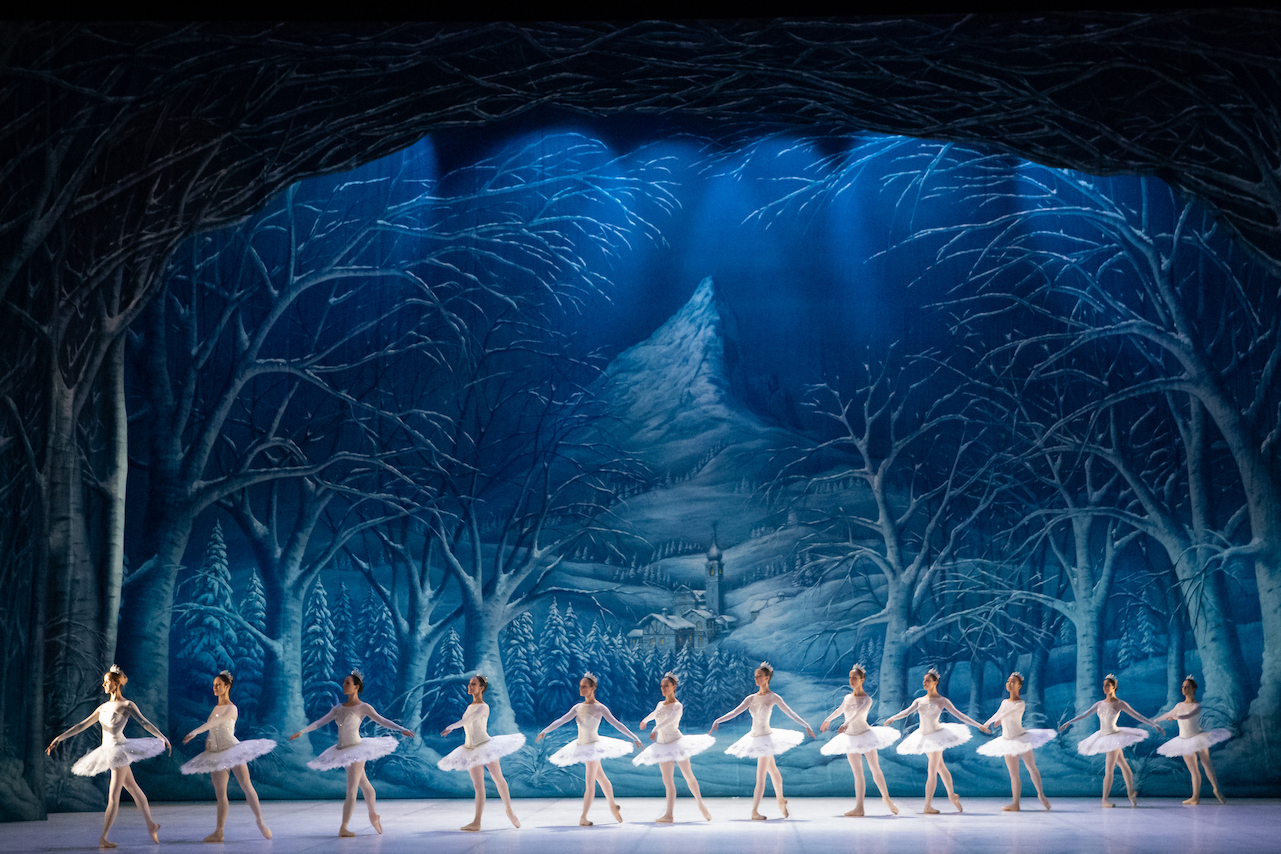
Music Pëtr Il’ič Čajkovskij
Conductor Ido Arad
Music Pëtr Il’ič Čajkovskij
Coreographers Jean-Sebastien Colau and Vincenzo Veneruso
Conductor Ido Arad
Scene Designs Renzo Milan
Costume Designs Cécile Flamand
Lighting Design sMaureen Sizun Vom Dorp
Assistant Coreographer José Blanco Martínez
Teatro Massimo Ballet, Orchestra and Youth Chorus
Full cast (pdf)
Programme
Synopsis
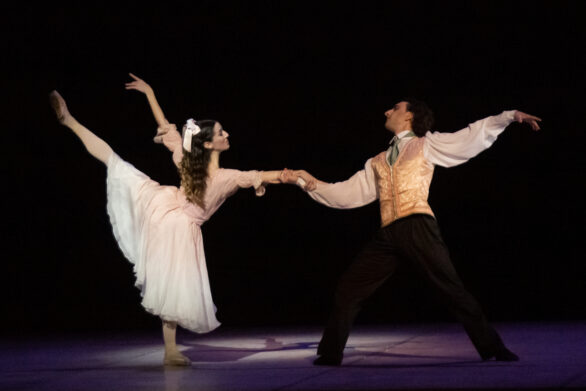
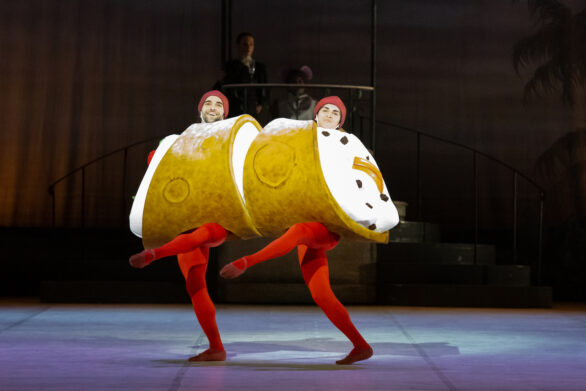
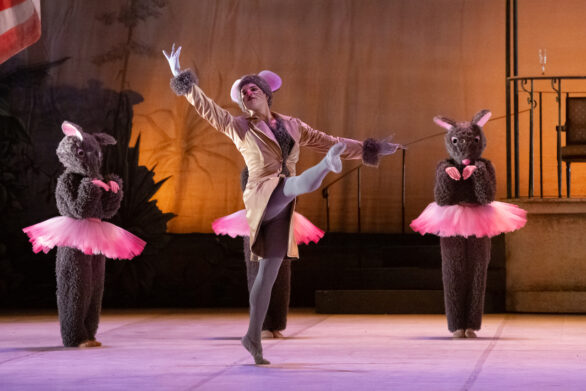
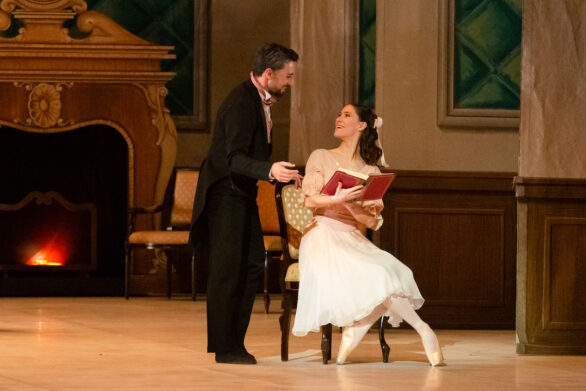
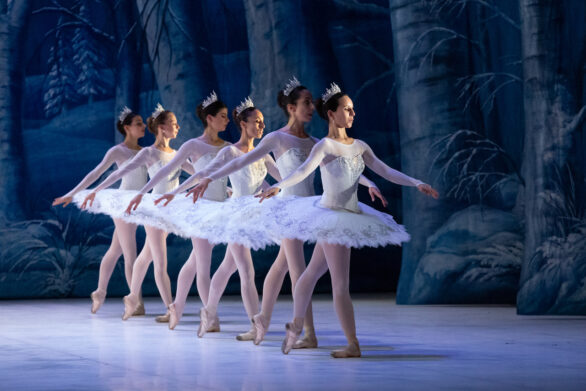
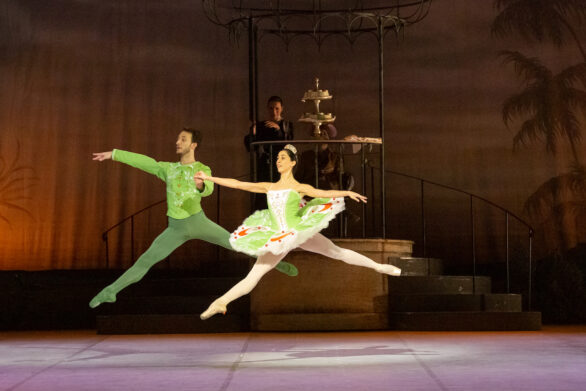
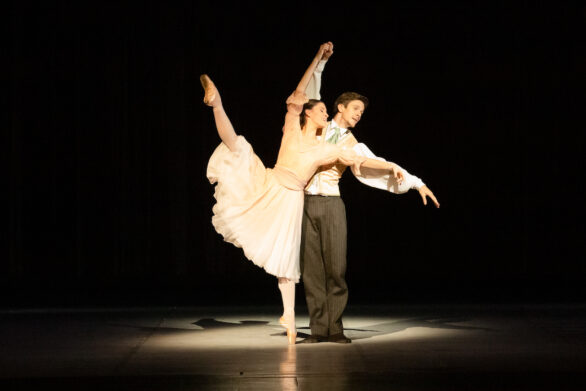
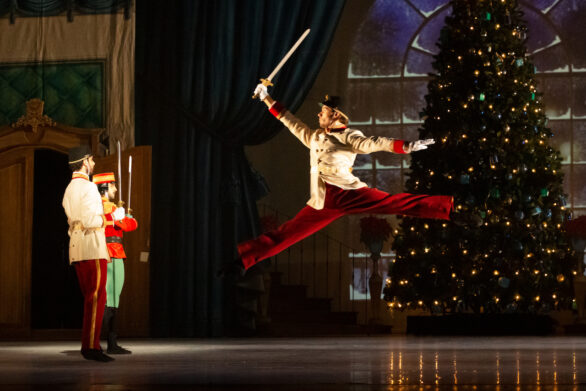
Join us for a special Nutcracker, set in Palermo!
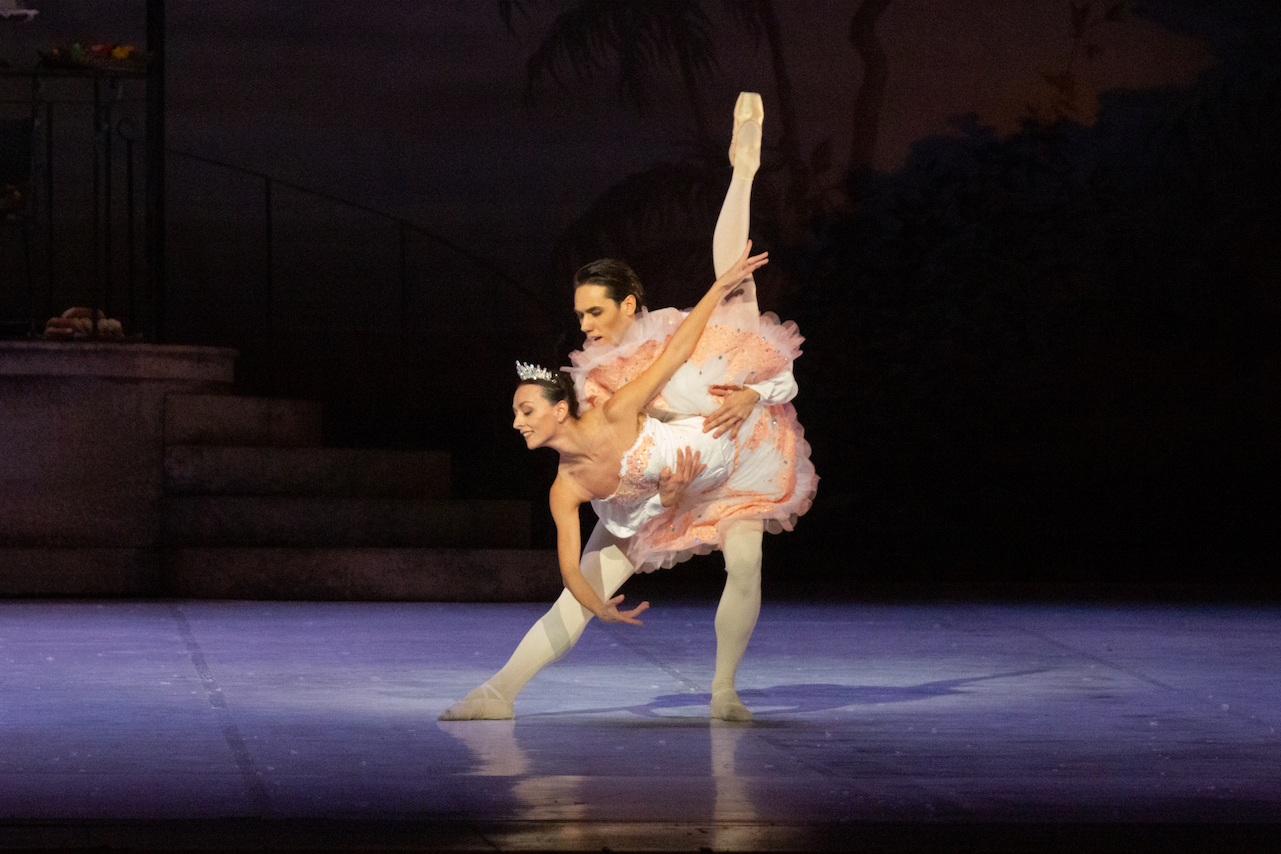
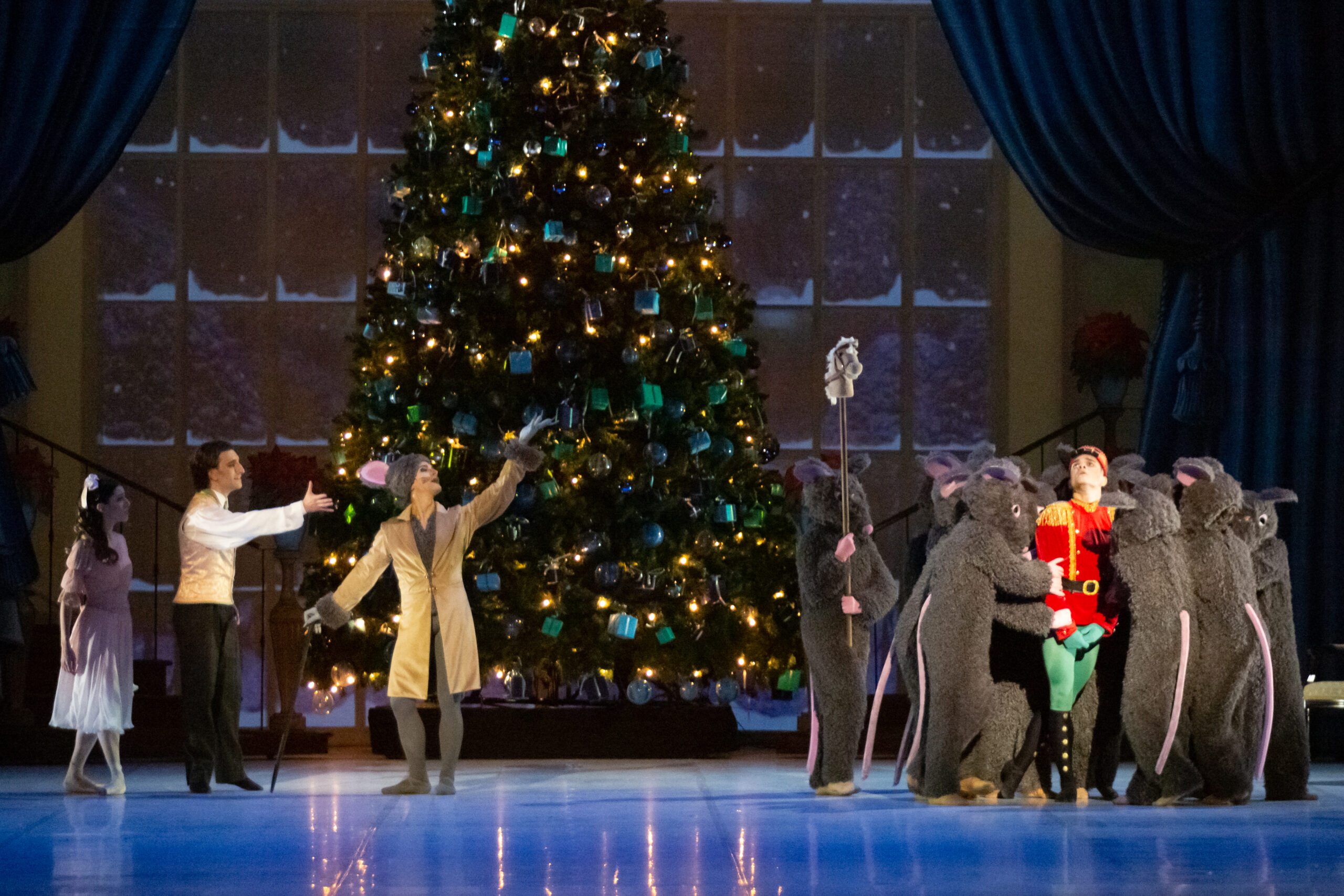
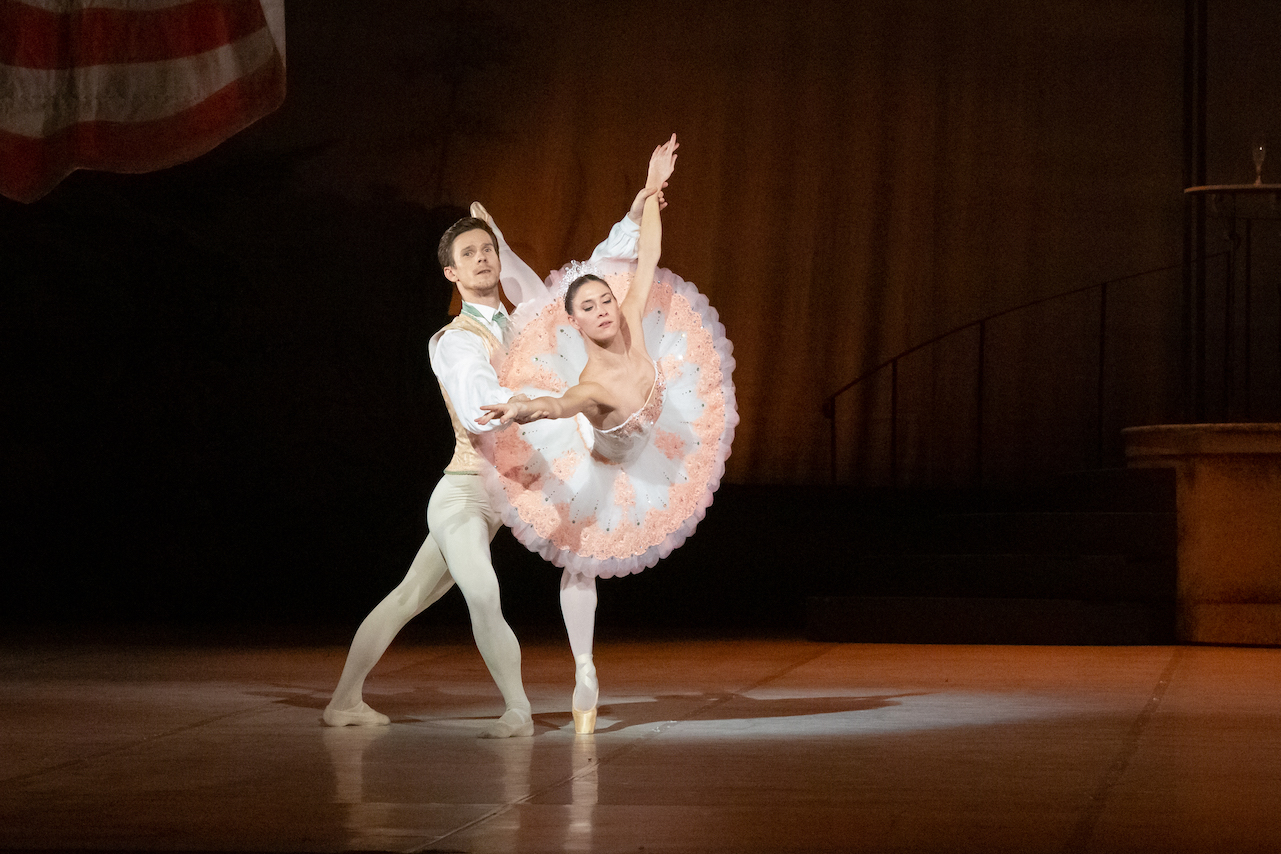
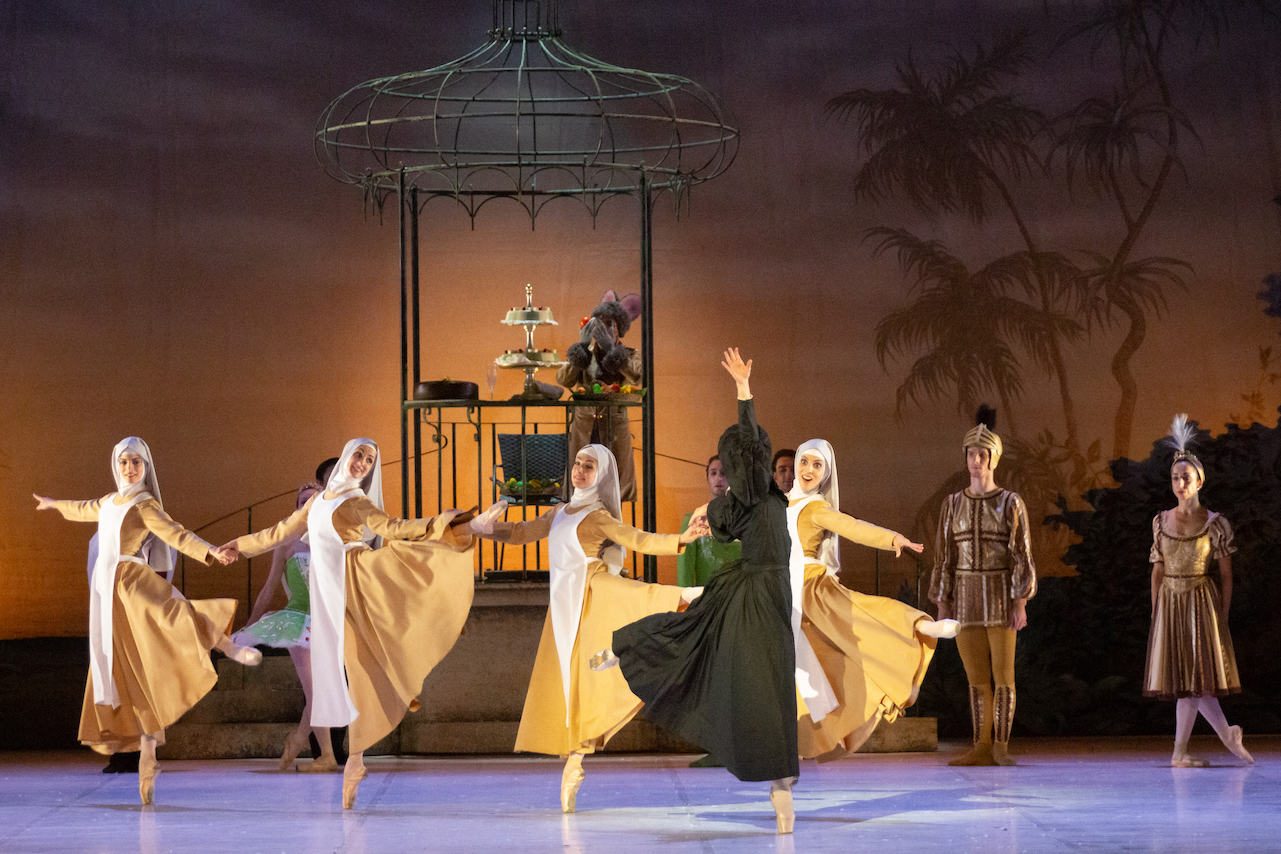
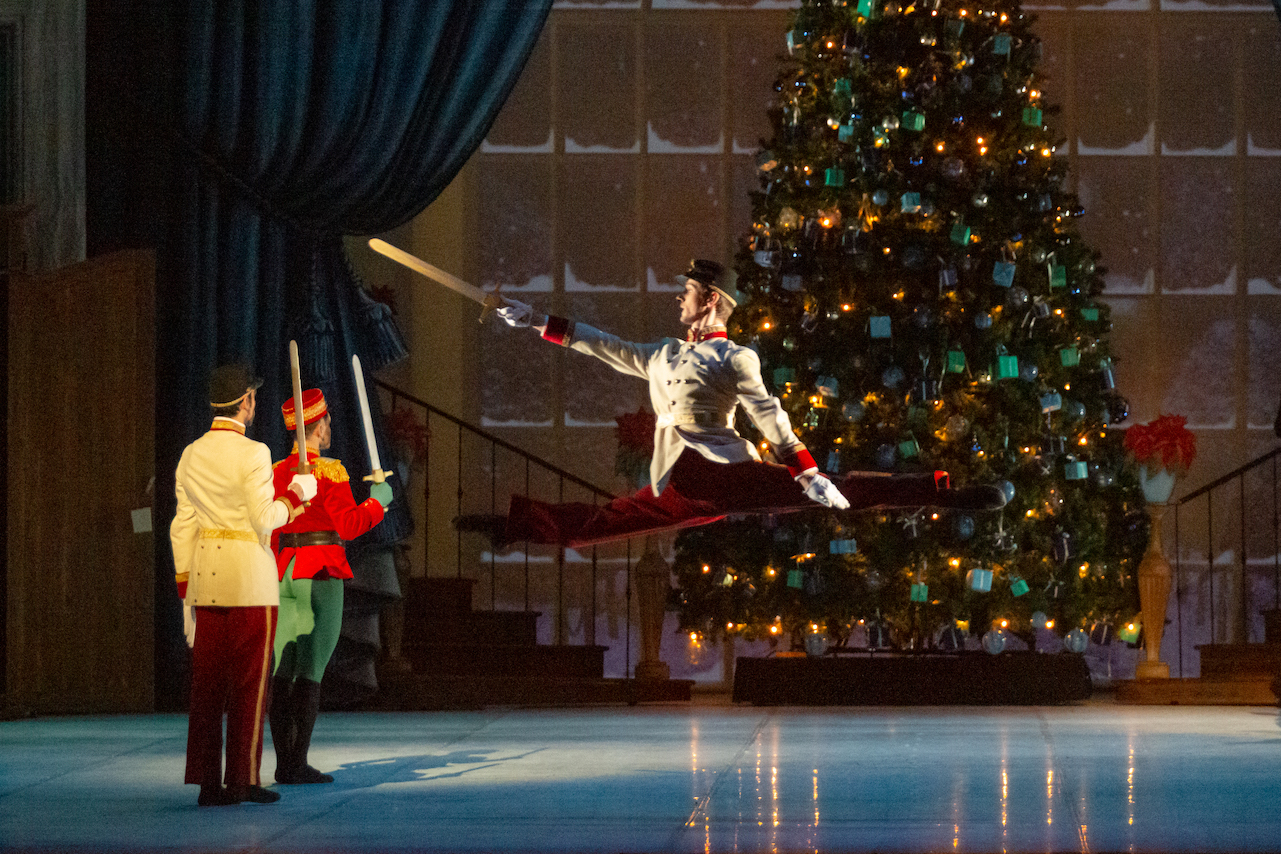
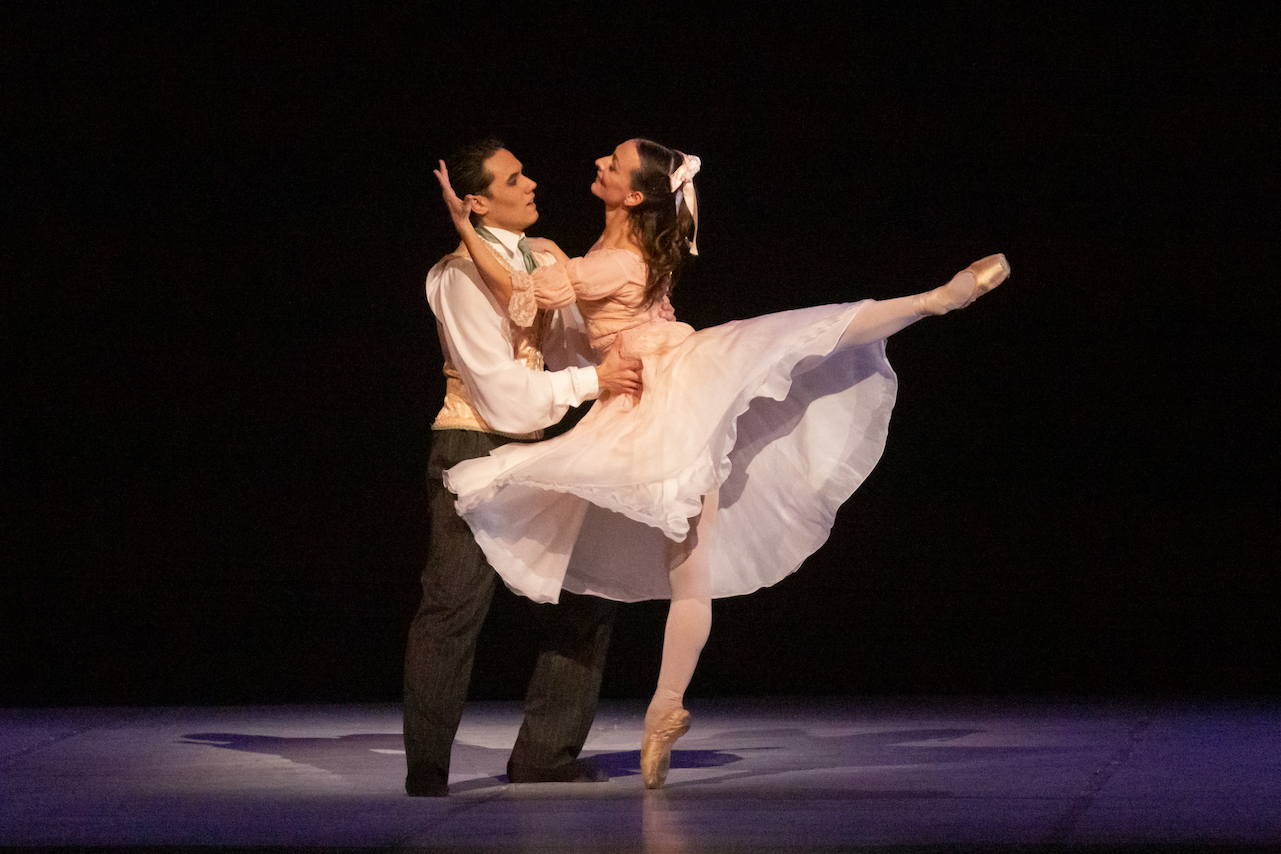
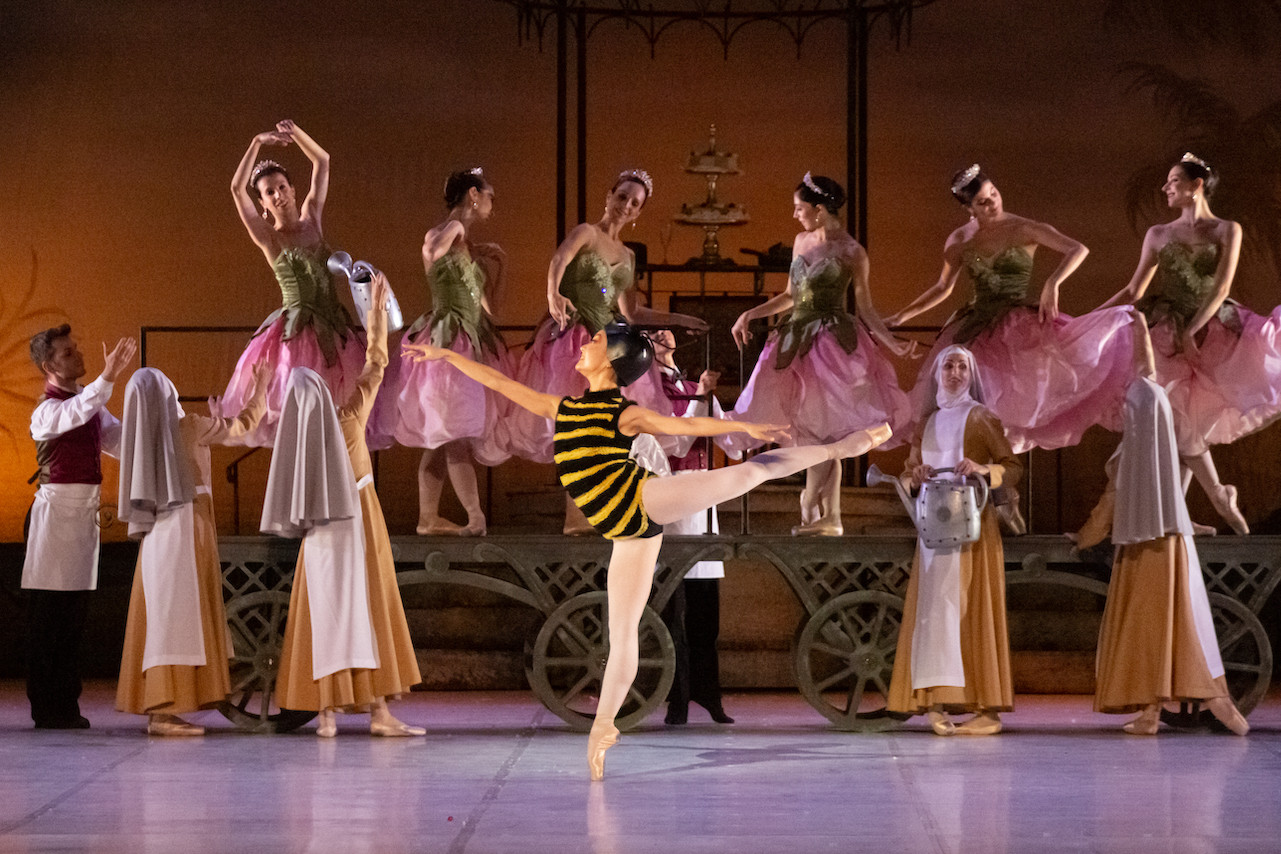
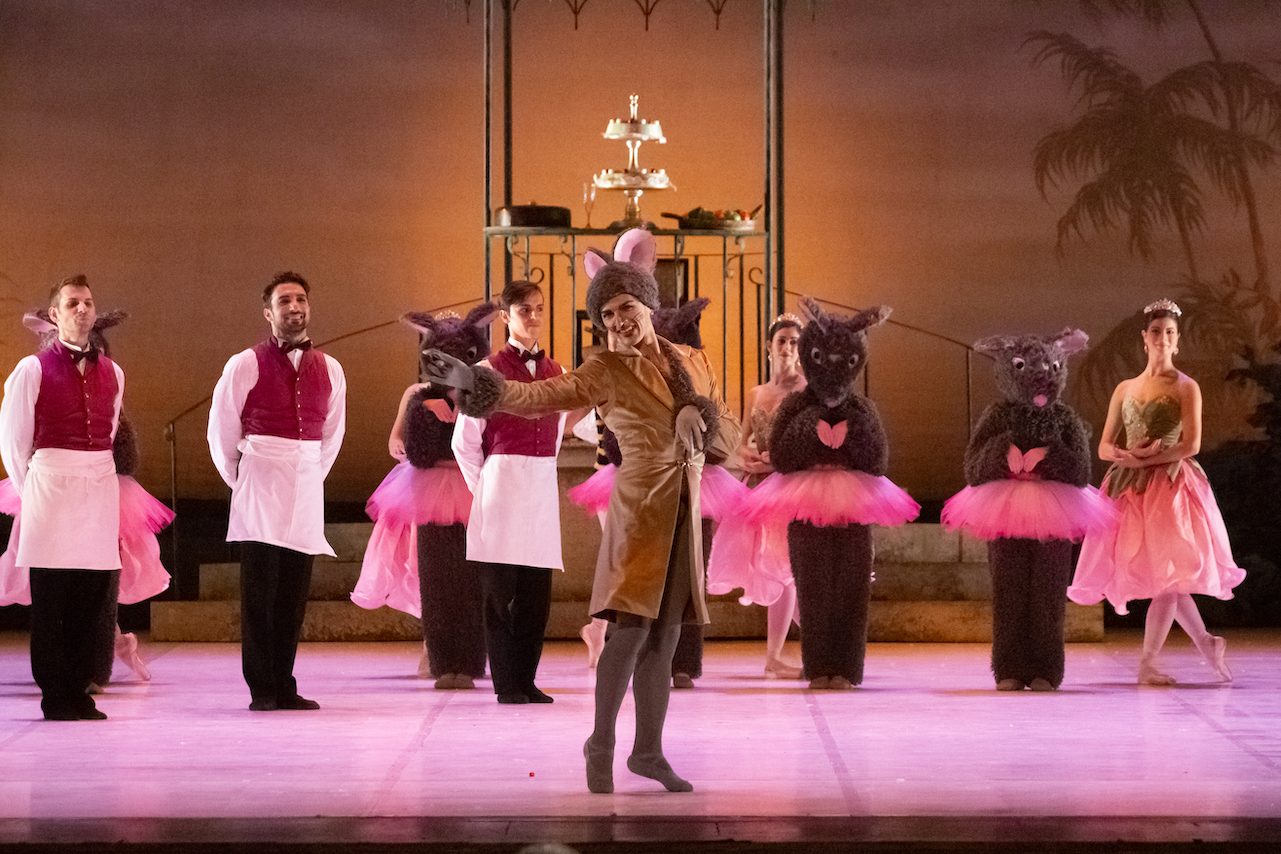
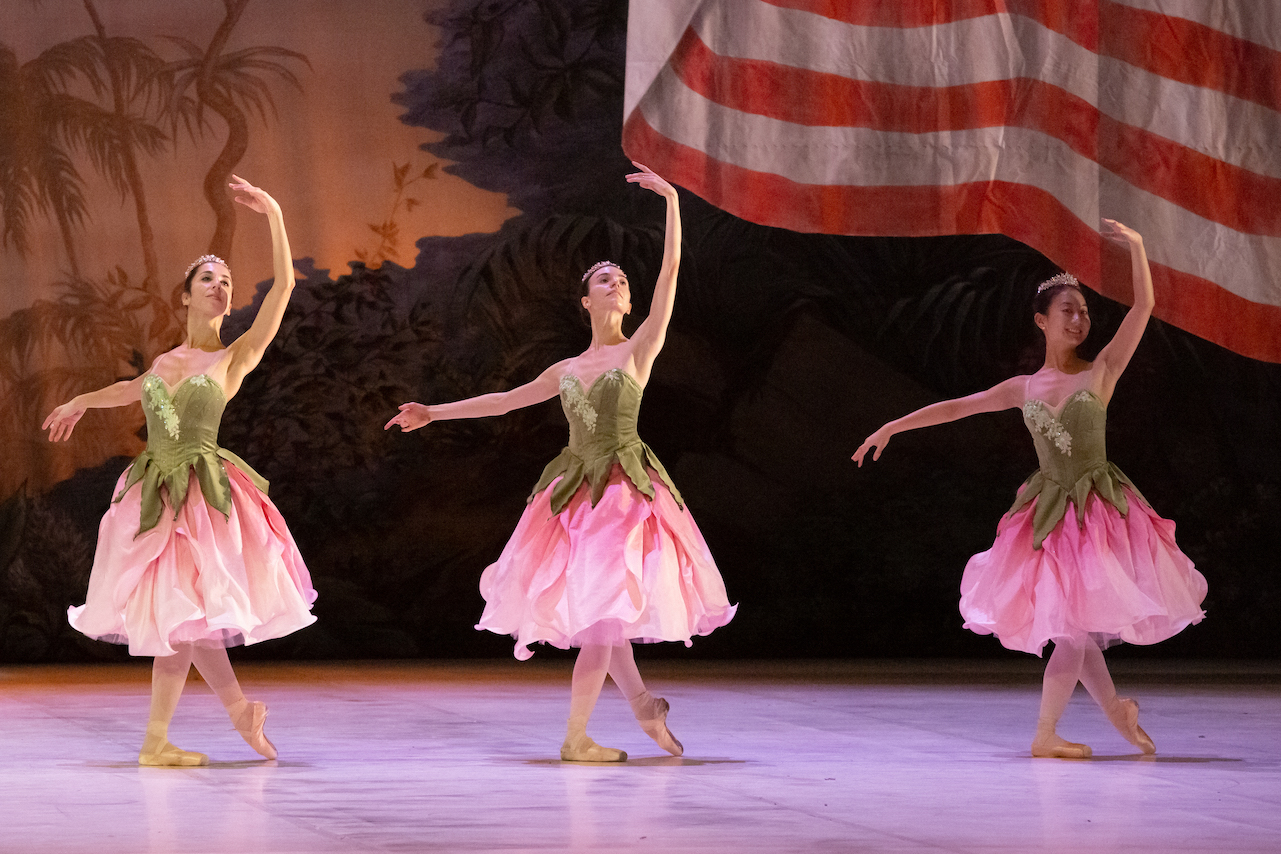
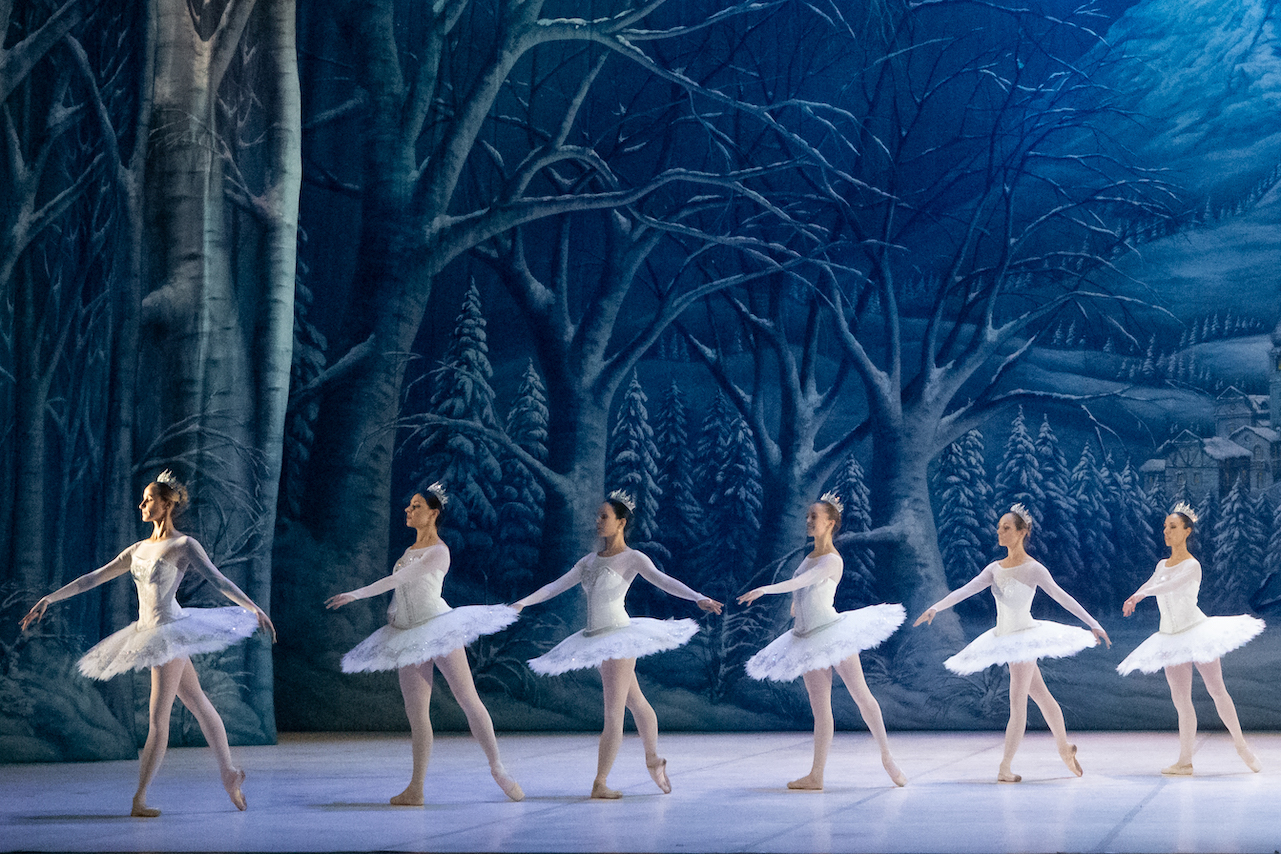
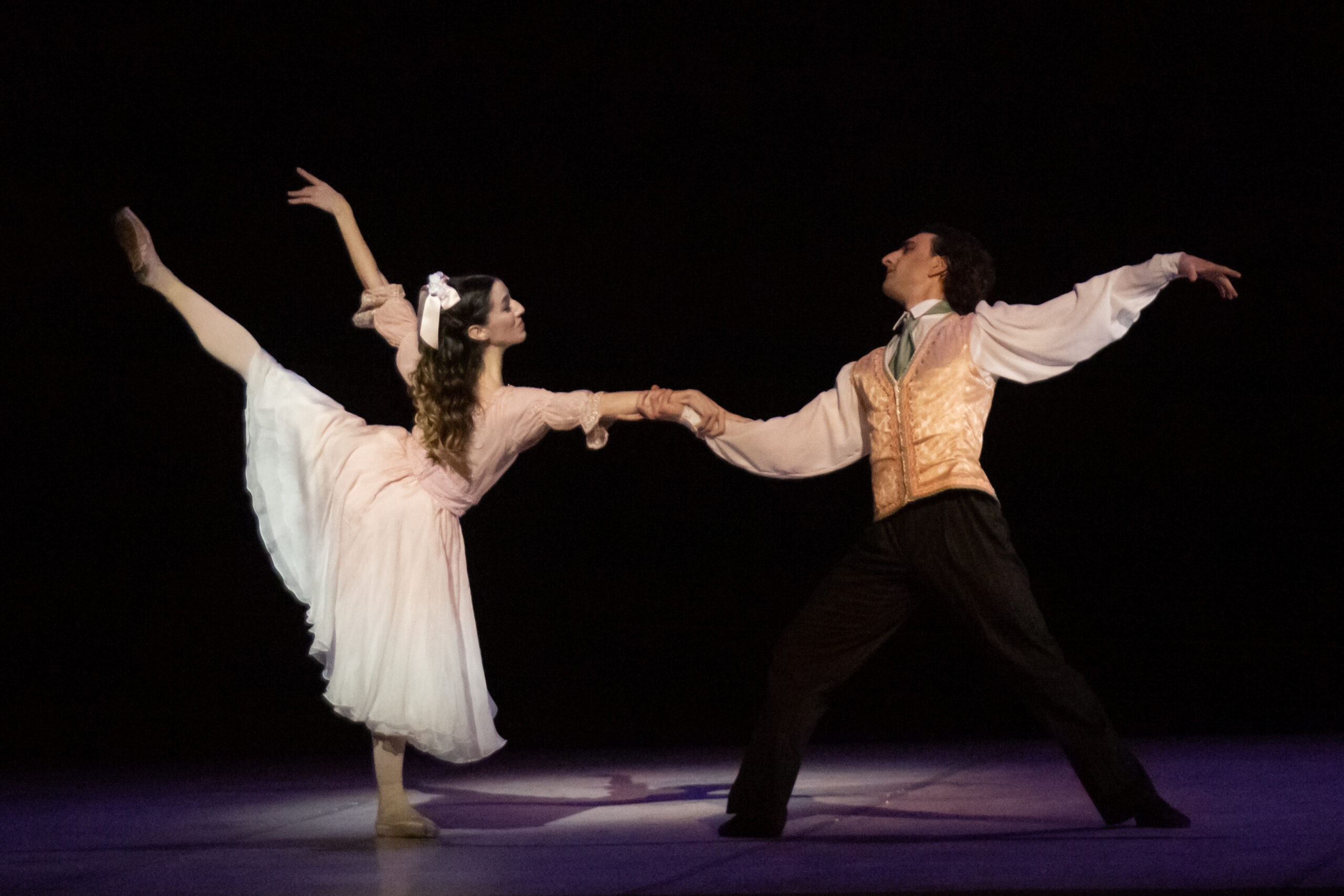
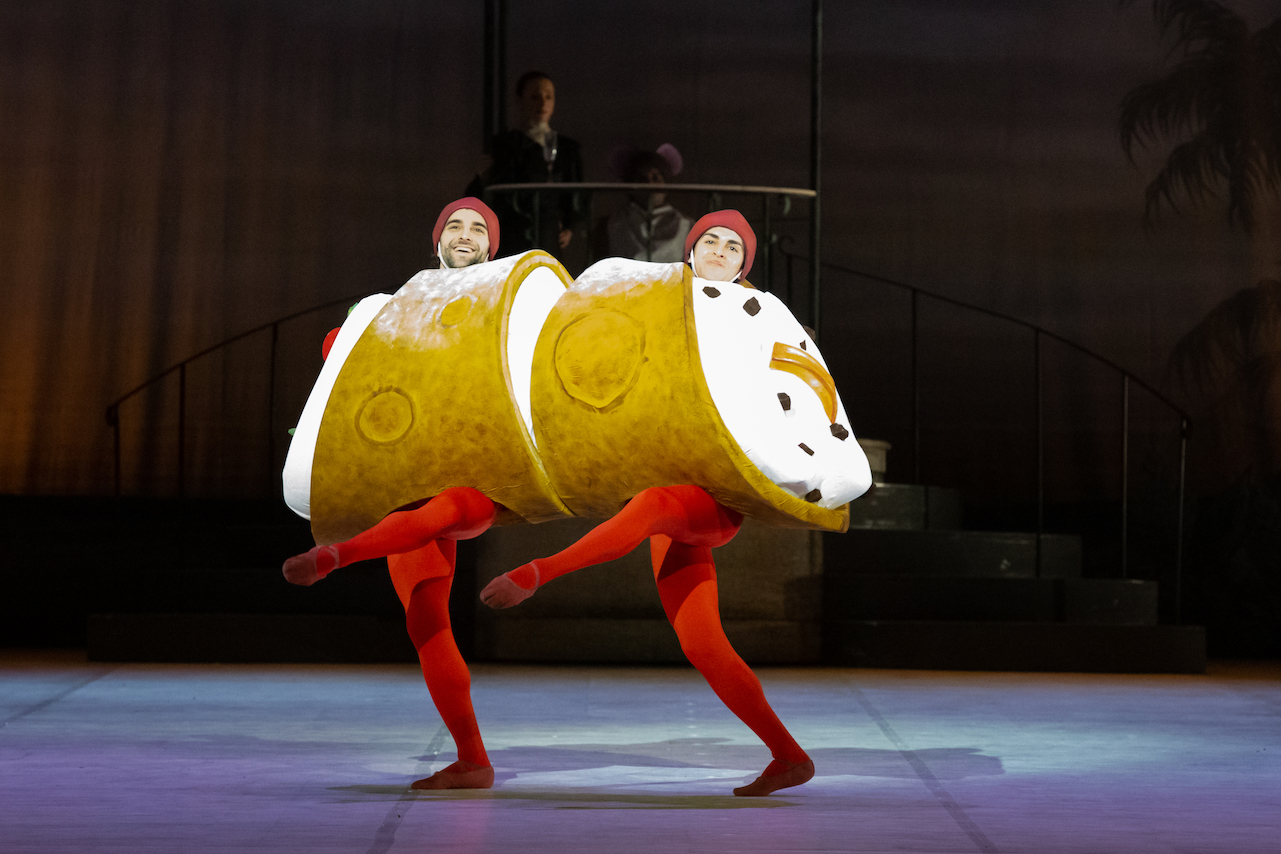
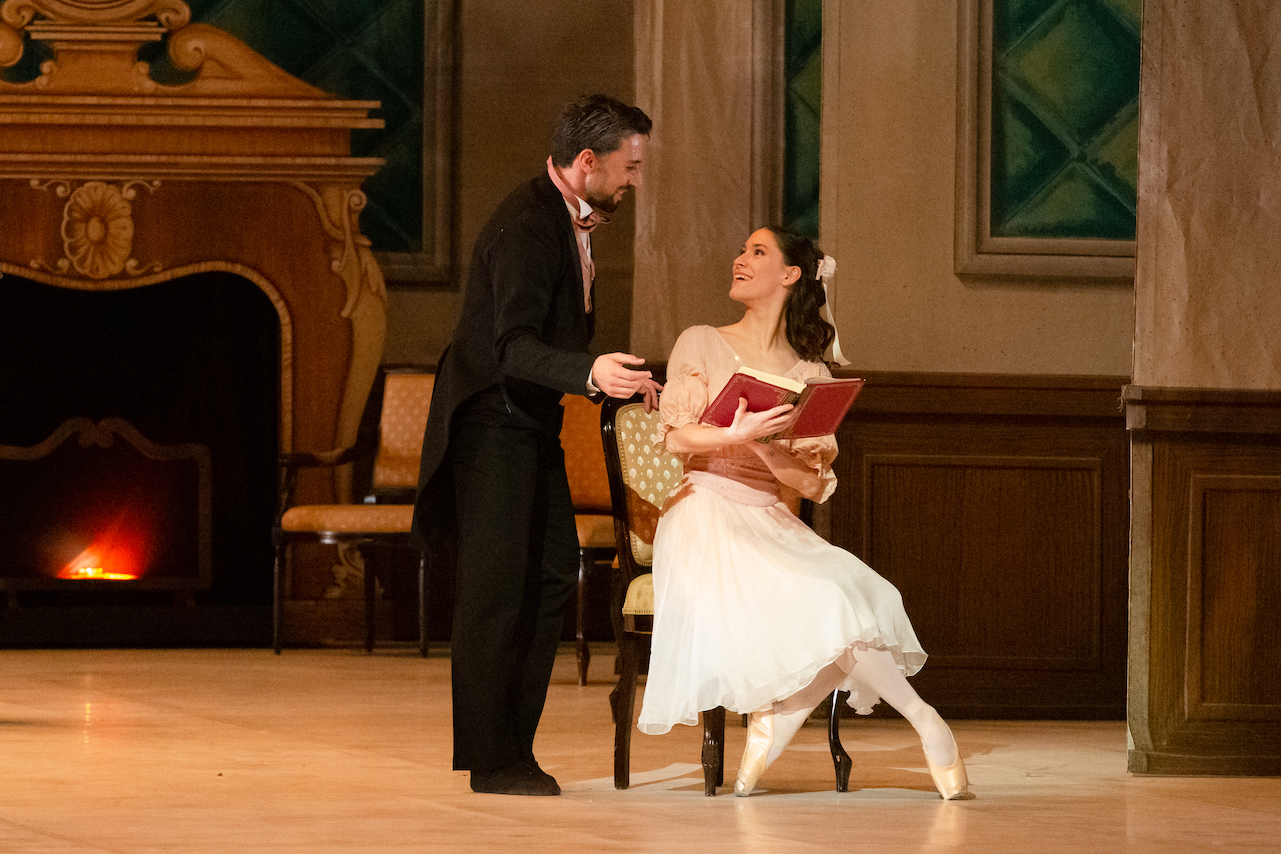
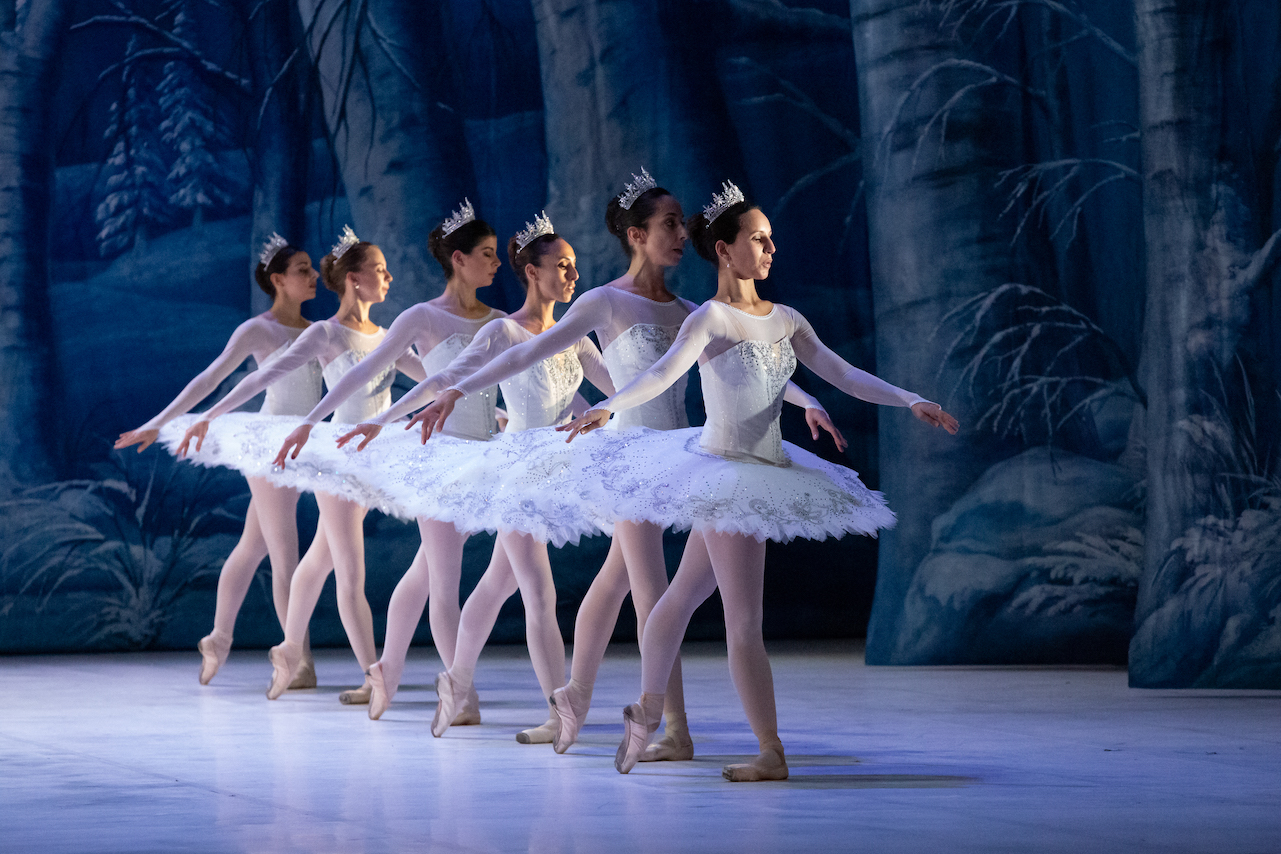
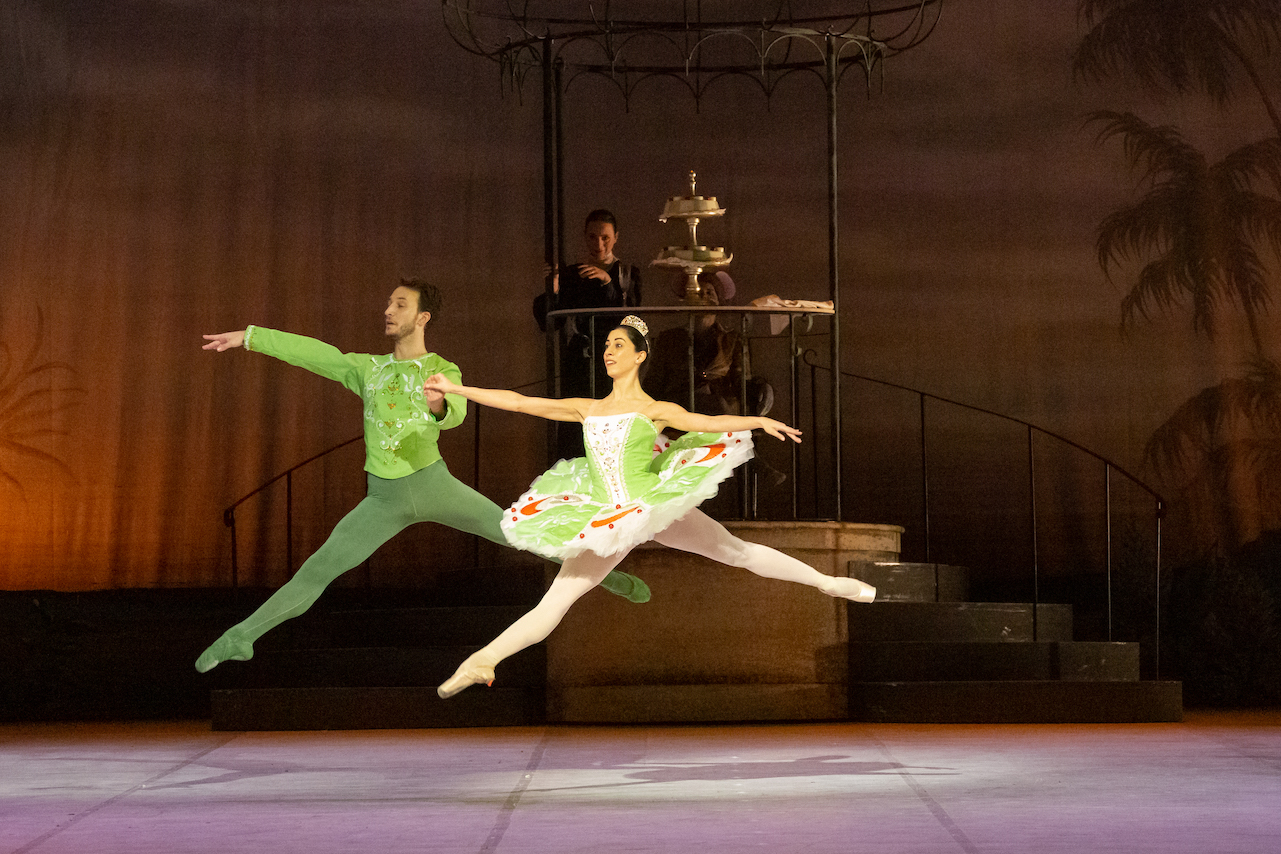
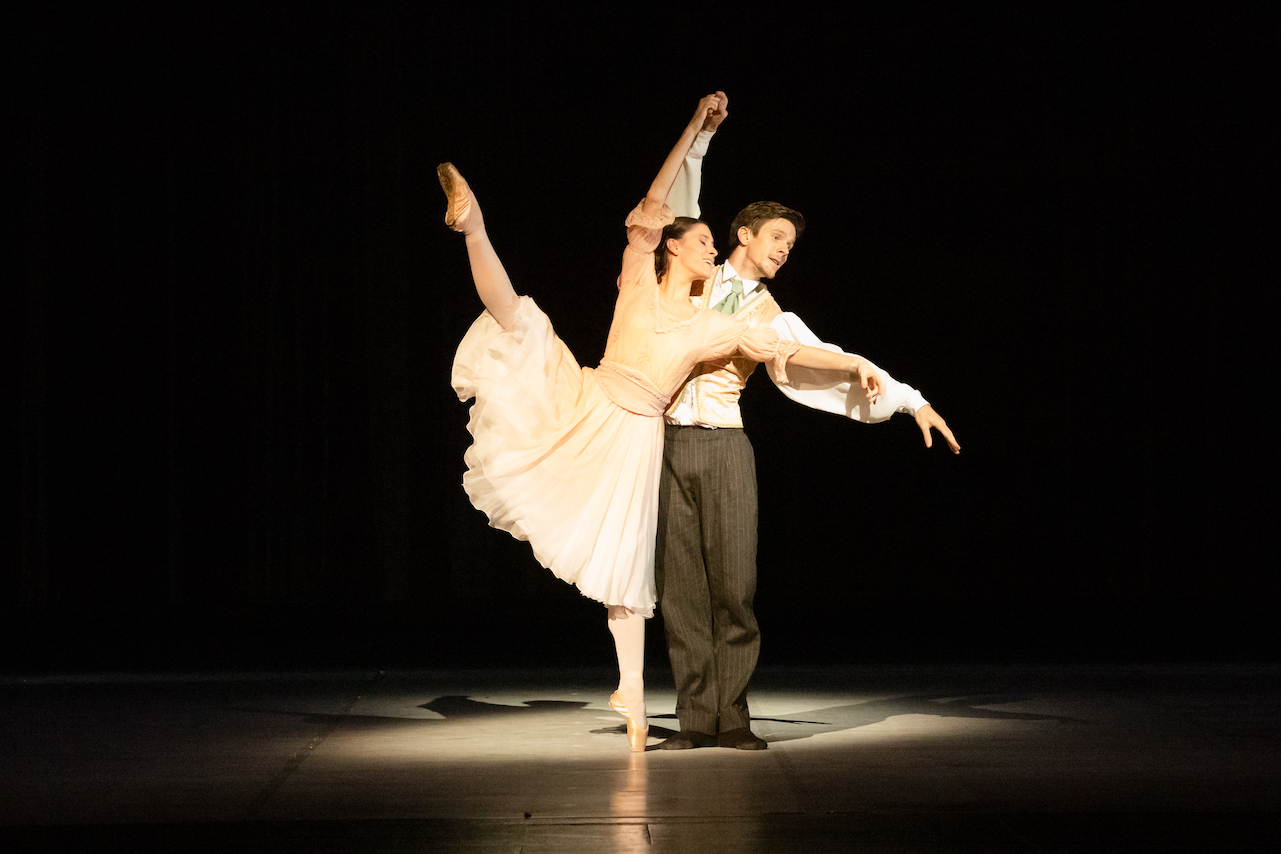
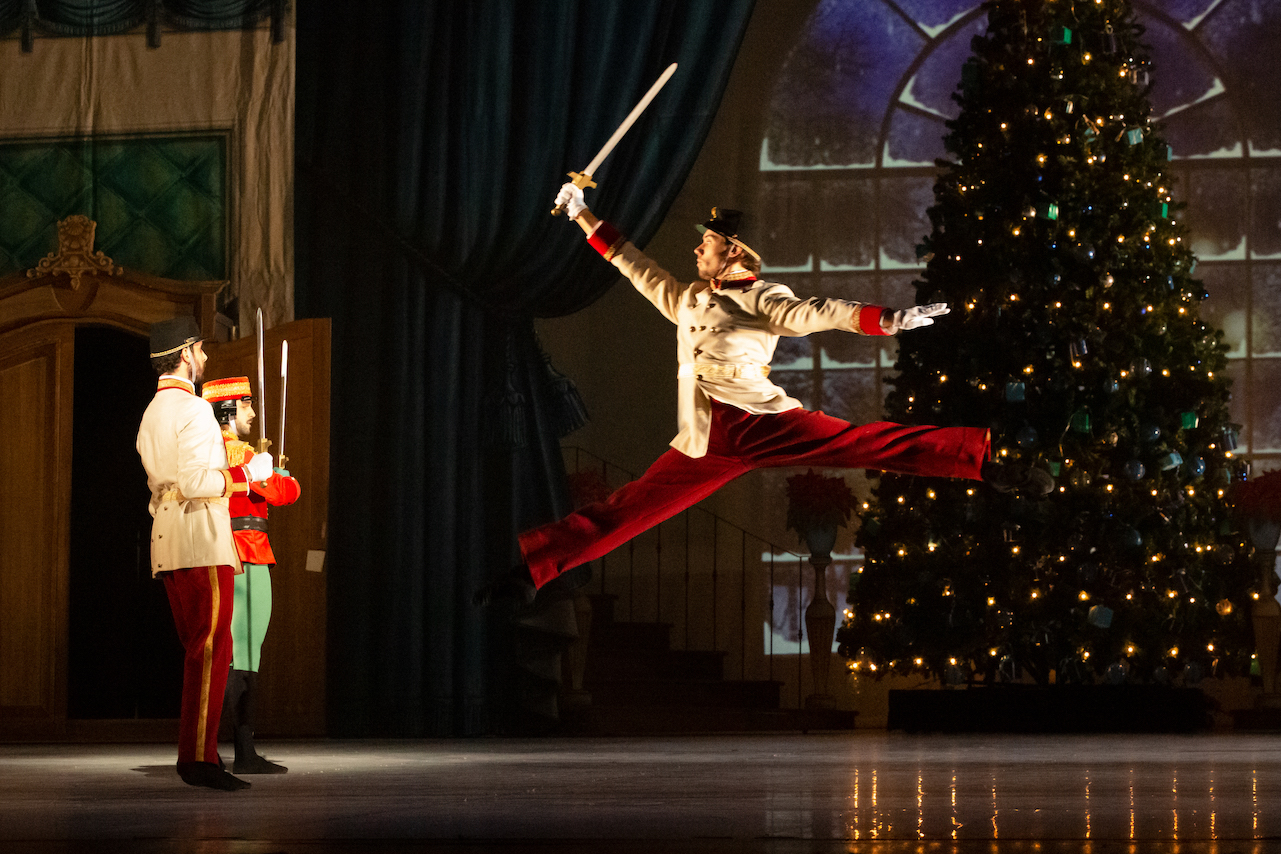
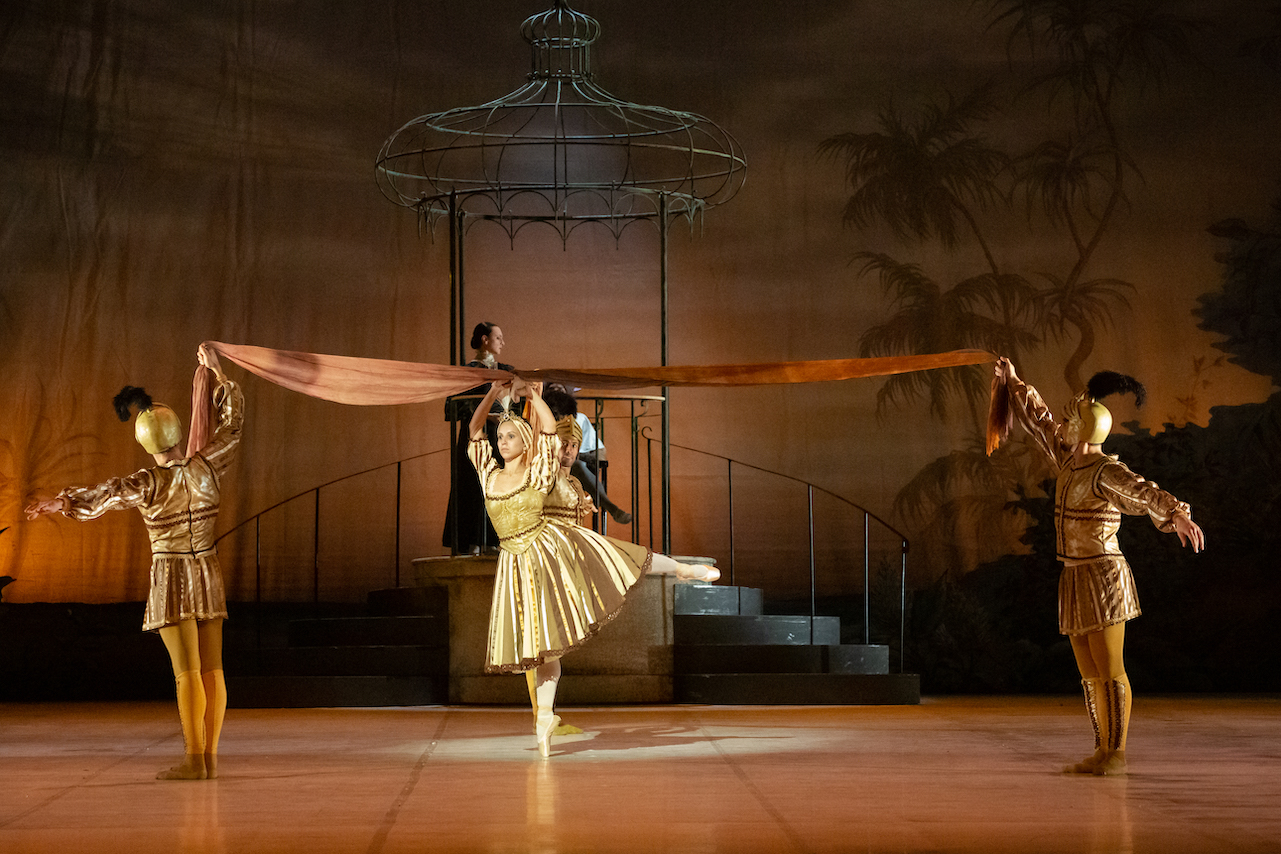
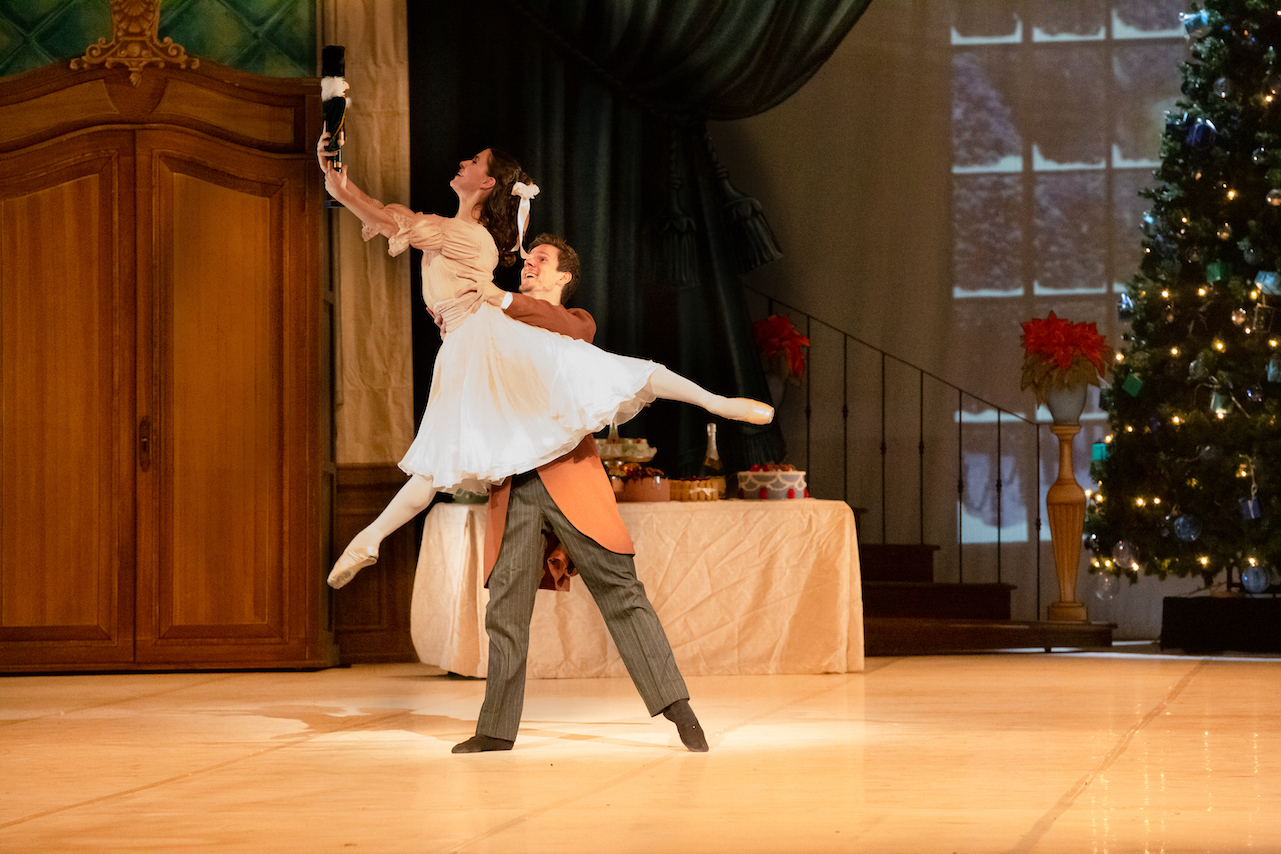
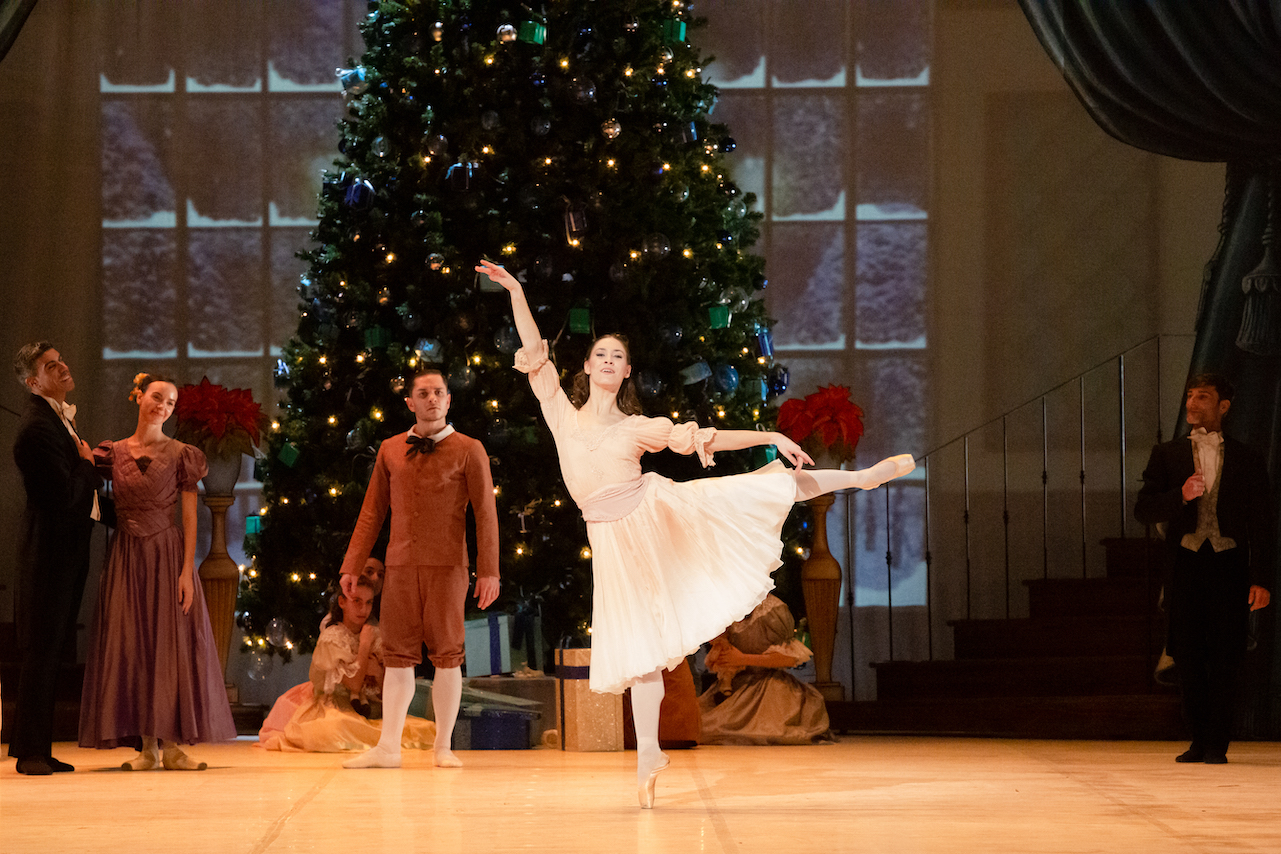
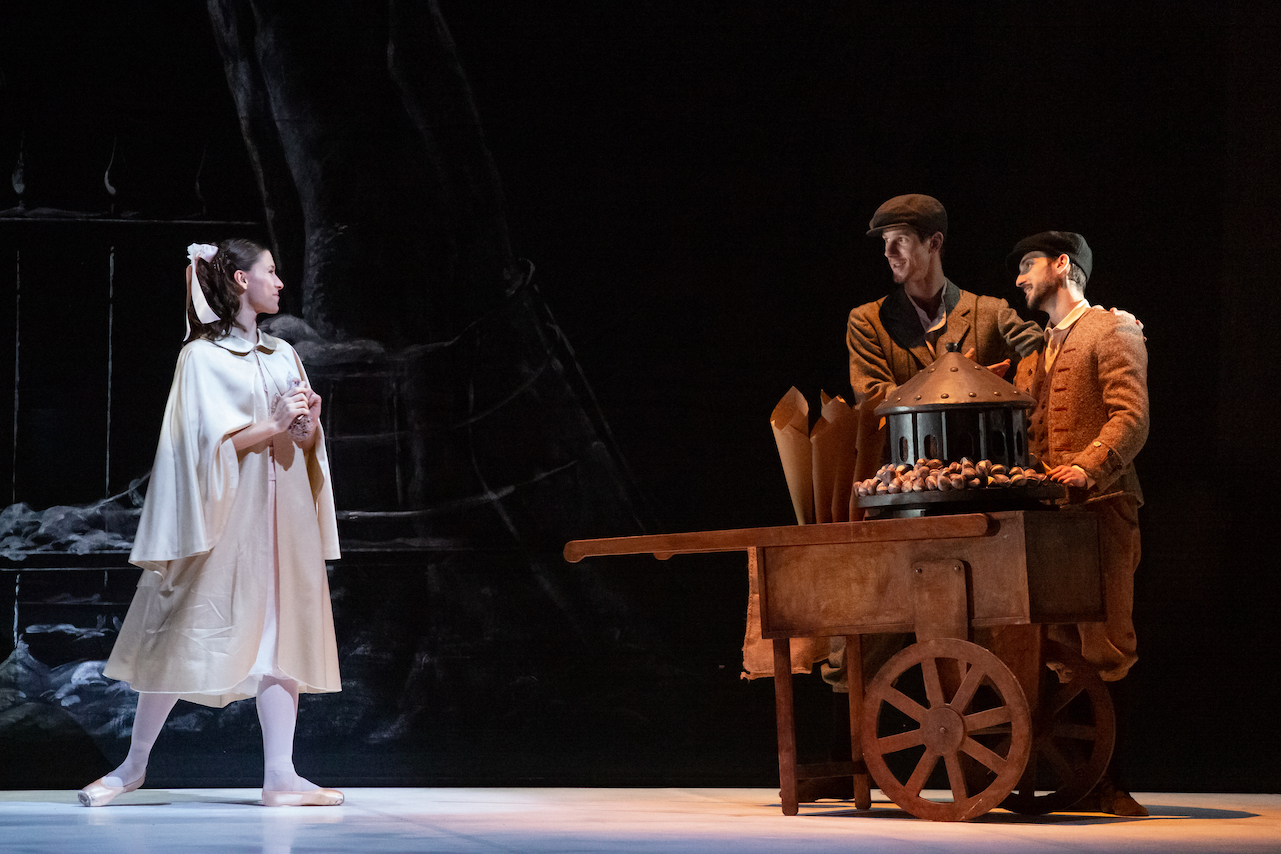
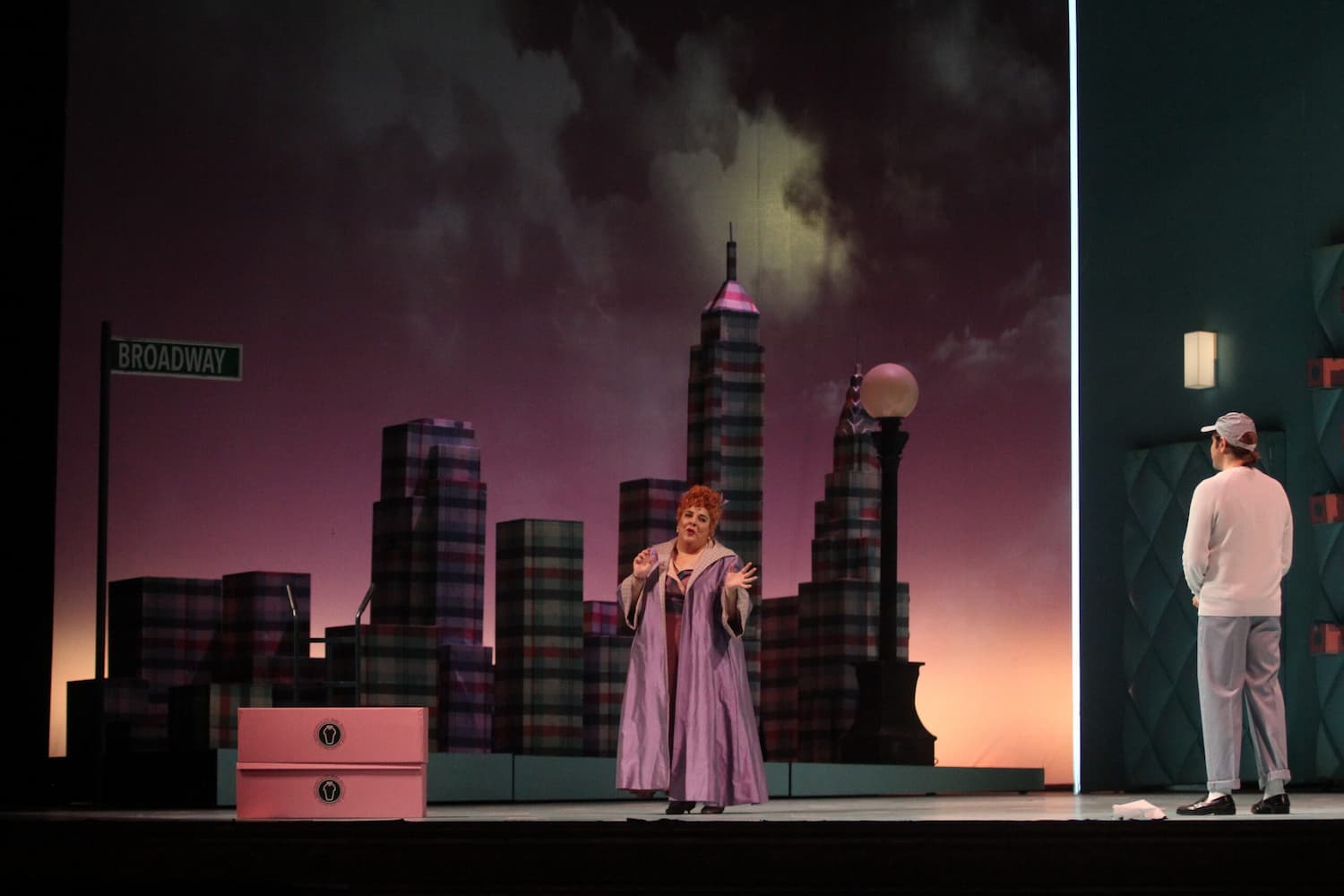
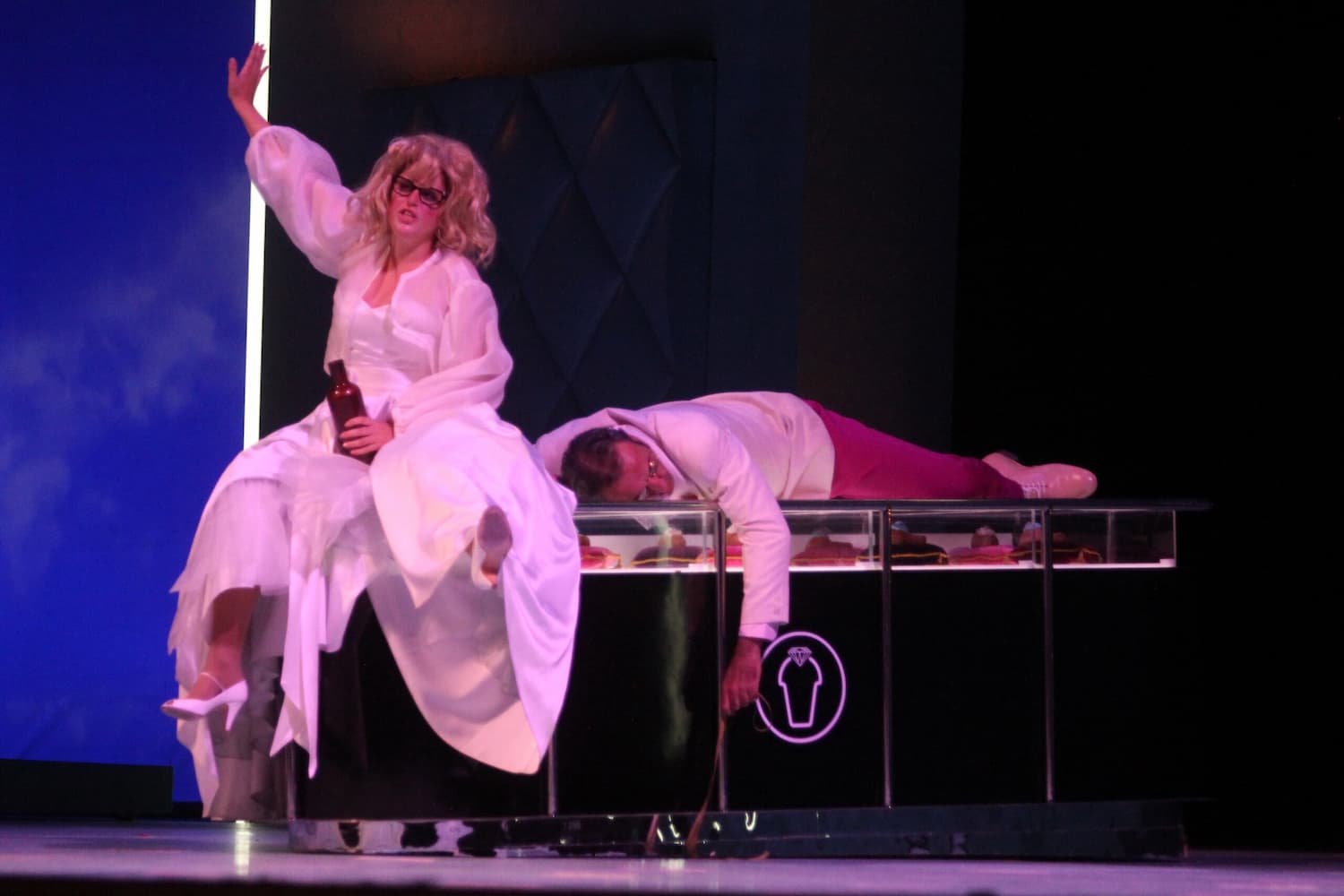
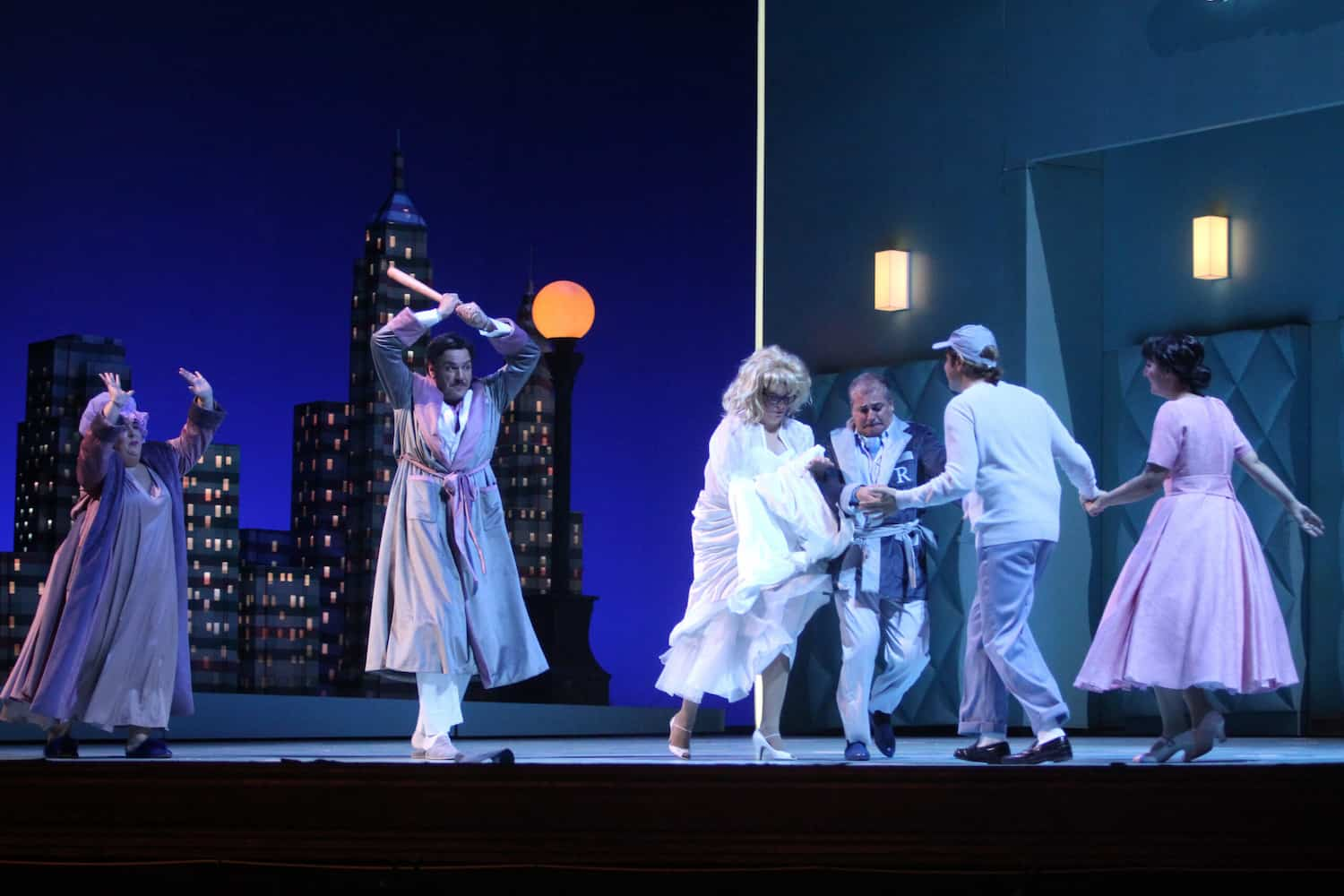
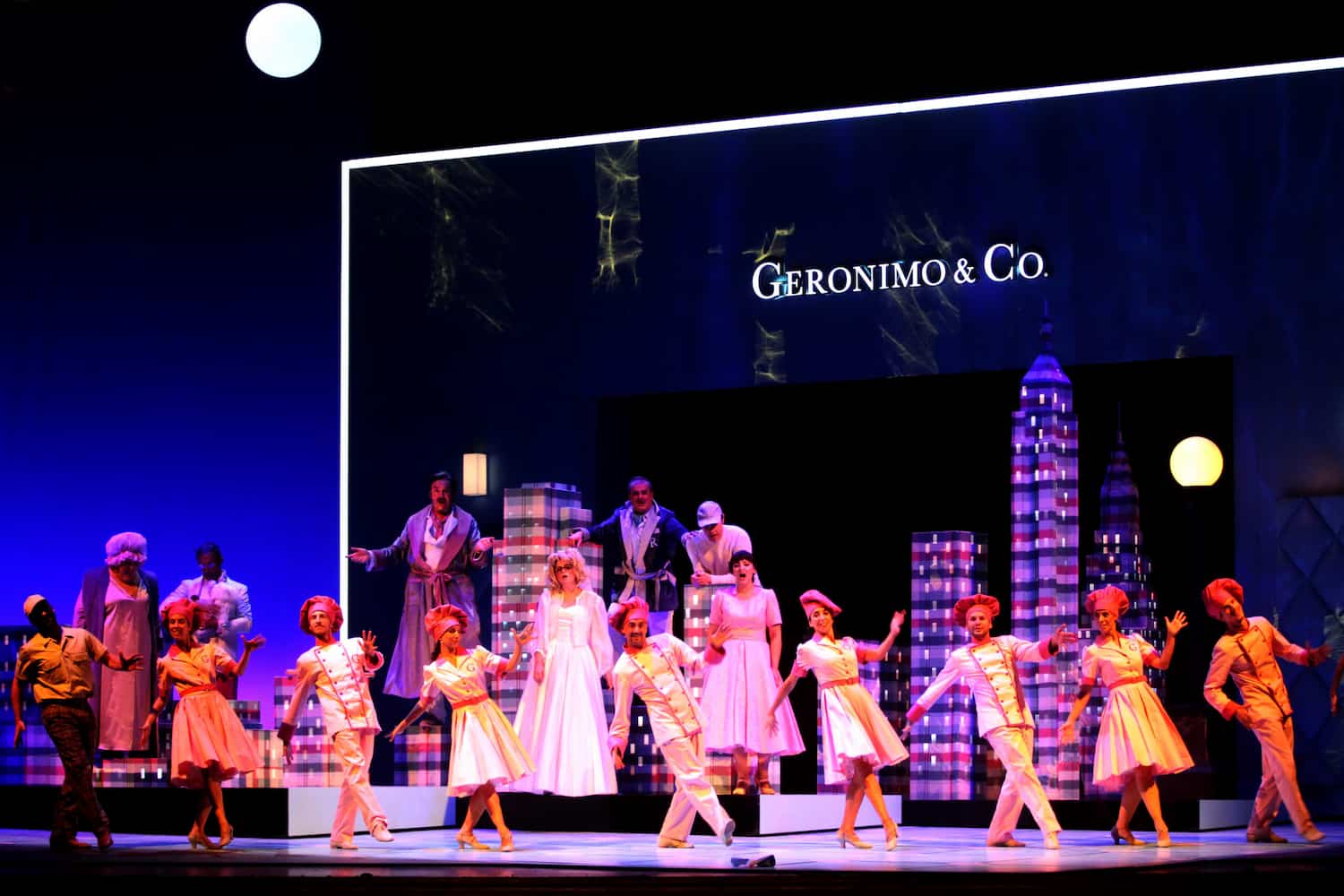
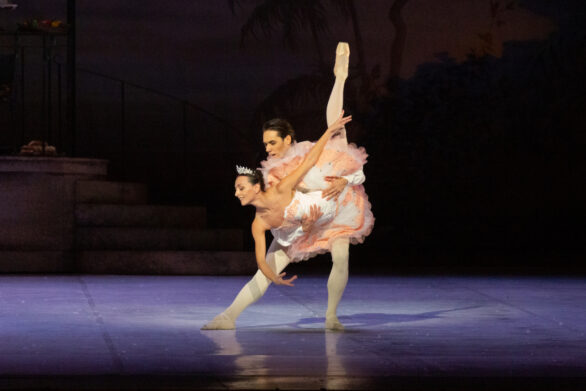
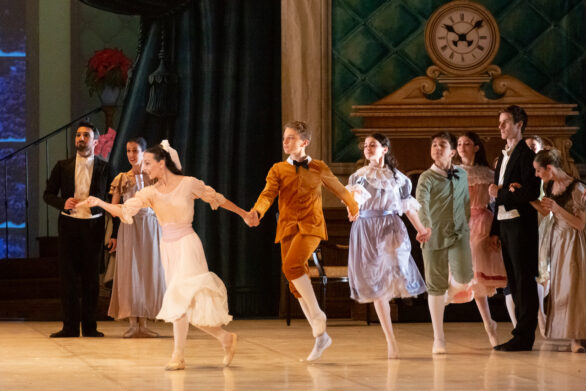
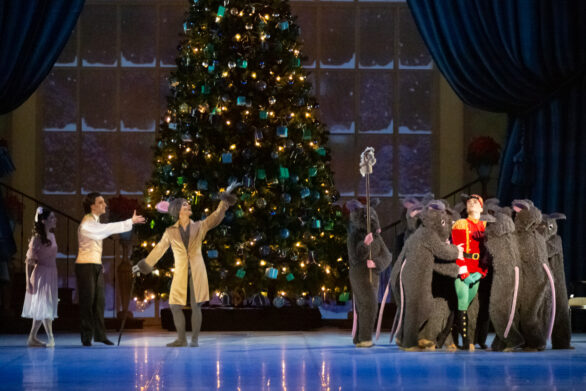
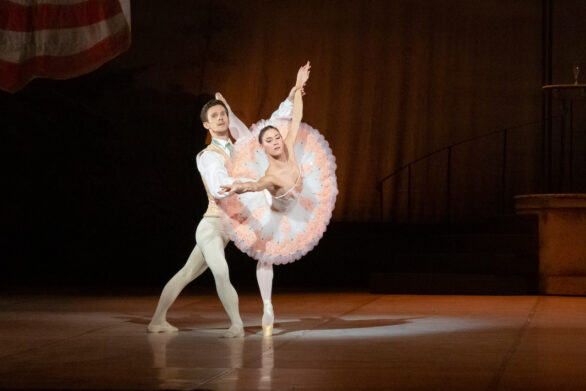
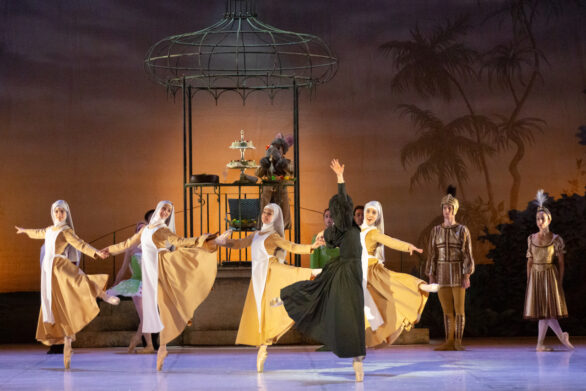
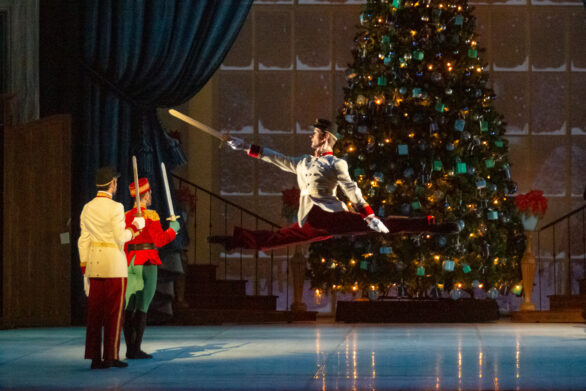
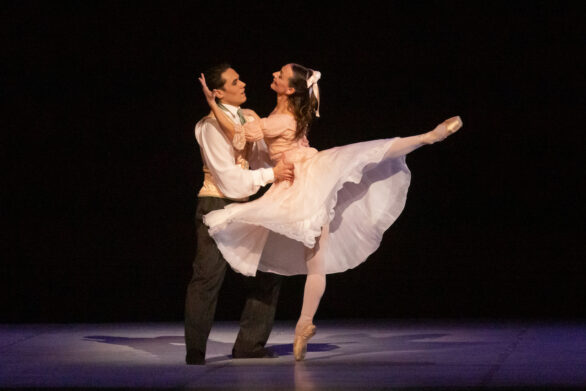
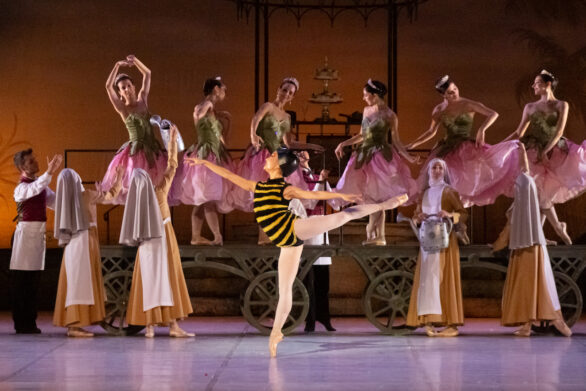
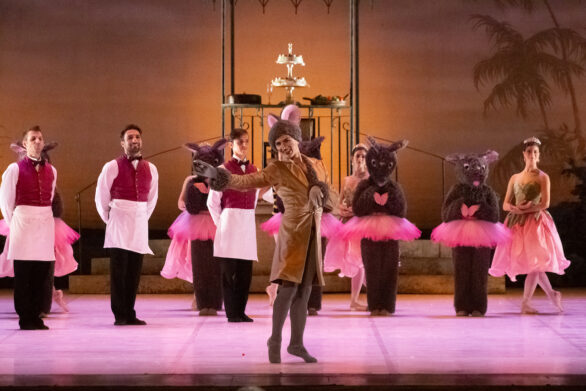
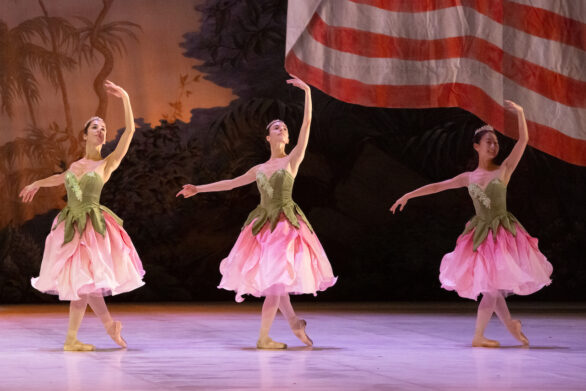
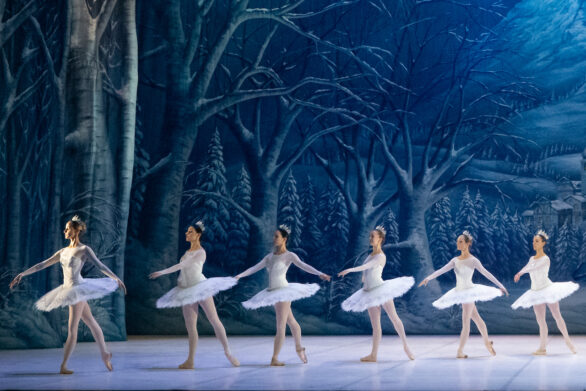
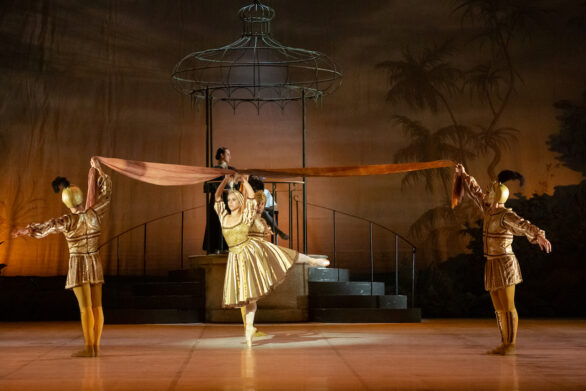
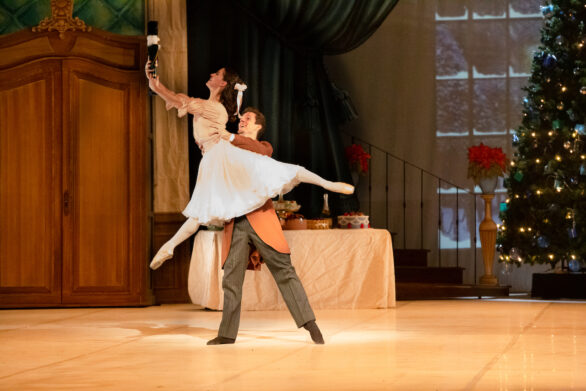
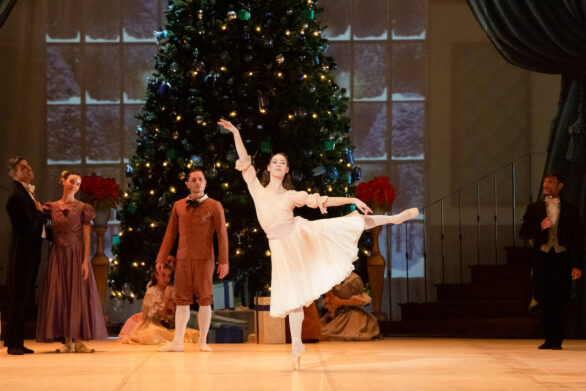
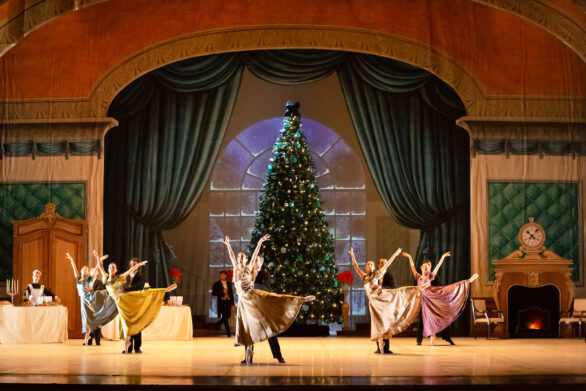
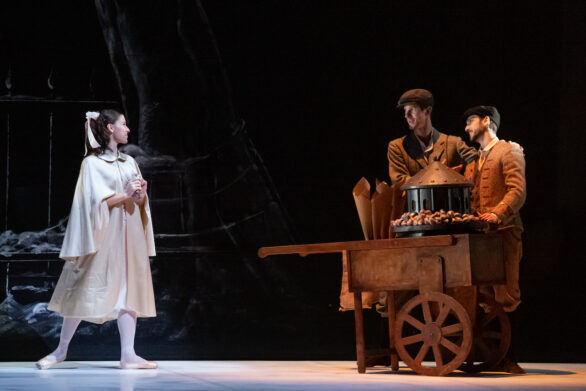
A freezing winter, a long time ago… In the street, in front of a large house, the two Drosselmayer brothers, dressed in rags, sell dried fruits, like every winter. They are poor and alone but happy, they dance and play in front of their makeshift stall, where they sell the best hazelnuts in Palermo. But a little mouse sneaks in to steal the nuts. Pietro and Dario trap it: but in a deafening explosion, the mouse becomes a furious and hungry half-human, half-rodent creature that casts a spell on Pietro, transforming him into a wooden nutcracker. Dario, desperate, hugs the Nutcracker tightly. He hears a heart beating weakly: Pietro is imprisoned in this wooden shell, he must find a way to free him. The housekeeper comes out of the big house, picks up poor Dario, curled up on the ground with his Nutcracker, and brings him inside: she gives him new clothes to take part in the Christmas celebrations where he meets Maria, the eldest of the Hoffmann children. At the Hoffmanns, Christmas Eve is a big event. Maria and Fritz, her brother, are very excited. The atmosphere created by the candles, the refined smells from the kitchens, the presence of the majestic Christmas tree, the gifts, the dolls… everyone dances, laughs, and sings. This year Maria’s father has given her a magnificent tutu to dance in front of the guests.During the party, Dario convinces Maria to help him break the spell of Pietro. Maria is a dreamer and loves to read: as soon as Dario hands her the Nutcracker, she feels Pietro’s heart beating inside. When the guests leave, Maria hides Dario behind the fireplace, in order to continue discussing with him the plan to free Pietro.Shortly after midnight Maria is awakened by strange noises, like claws scraping the floor, and decides to go back to the living room to make sure that Pietro and Dario are not in danger. Arriving in the room, she discovers the monstrous mouse-man Jean-Georges who, like a ballet master, leads a corps de ballet of mice. Maria, although terrified, tries to protect the wardrobe in which the Nutcracker is hidden. But by magic the Christmas tree starts moving, the lights flicker, the wardrobe doors open. The Nutcracker, now at man-scale, is followed by a squadron of hussars, Fritz’s trusted army. The living room becomes a battlefield between the dancing mice and the Nutcracker soldiers, who try to stop them. Dario and Maria are tied up and immobilized in a chair: despite their efforts, the Dance Master Jean-Georges manages to kidnap the Nutcracker. Maria and Dario find themselves alone: he is desperate, but his friend has decided: they will immediately go in search of the Nutcracker in the Kingdom of Mice. She asks the governess, who will accompany them, to prepare a suitcase with sweets and the tutu that her father has given her. Well covered to protect themselves from the cold, the three cross the garden following the footprints of mice in the snow.The journey seems to last for days… But they finally arrive in front of a beautiful building, the Teatro Massimo in Palermo. In one of the boxes, imprisoned by a grate, they discover Pietro asking for help. On stage the Mice dance, led by their hysterical Dance Master, who as usual is hungry and gets angry with everyone, sending them away. Maria, Dario and the governess try to free Pietro, but are discovered by Master Jean-Georges who, ravenous and furious, opposes. However, the housekeeper offers to prepare him a gigantic dinner and Maria to dance his favorite pas de deux with Dario, wearing her brand new tutu. Jean-Georges lets himself be convinced and Peter returns to human form… the dinner and the dance begins! By magic, a throng of waiters appears who in an instant set a huge table. Jean-Georges believes he is living in a dream, he has been hungry for many years and now he finds himself surrounded by Pasta, Cassate, Cannoli, Sette Veli cake and the Martorana fruit of the nuns of the Monastery of Santa Caterina, all protagonists of this great feast. During dinner, a playful Bee, attracted by the sweets, circles around the Dance Master, who runs away, frightened. The nuns try to distract the rowdy Bee with some beautiful roses, but are unable to prevent a crazy waltz between bees, butterflies, beetles and roses. The grand finale is the pas de deux between Maria and Dario, and the magical evening amidst sweets ends… but… Maria starts… she is back in the living room of the big house… she had fallen asleep while reading in front of the fireplace… Was all this only a dream? Or did it all really happen?She immediately runs to check the toy closet: the Nutcracker is gone.Maria opens the front door: it’s dawn, on the corner of the street Dario and Pietro prepare their stall and start to sell, like every day, the best dried fruits in Palermo.Gallery

Backstage video - getting closer to the Premiere
-
Dates
- 16 December8:00 PMPremiere17 December6:30 PMTurno Danza18 December5:30 PMTurno D20 December6:30 PMTurno B21 December6:30 PMSingle-Tickets-Only22 December4:00 PMTurno C22 December9:00 PMTurno F23 December6:30 PMSingle-Tickets-Only
About
8 and 9 November 2022 | Main Stage, Teatro Massimo
Conductor Omer Meir Wellber
Director Marco Gandini
Scene Designs Gabriele Moreschi
Costume Designs Johann Stegmeir
Light designer Francesco Vignati
Video maker Virginio Levrio
Special Effects Filippo Scortichini
Coreographer Marco Berriel
Assistant Scene Designs and Video maker Ludovico Gandellini
Assistant Director Jesús NogueraCast
Kaiser Overall Markus Werba
Der Lautsprecher Karl Huml
Ein Soldat Antonio Gares
Harlequin/Tenore Requiem Cameron Becker
Bubikopf/Soprano Requiem Lavinia Bini
Der Tod/Basso Requiem Grigory Shkarupa
Der Trommler/Mezzosoprano Requiem Julia RutiglianoTeatro Massimo Orchestra, Chorus and Ballet
Chorus Master Salvatore Punturo
Ballet Master Jean-Sébastien Colau
More info
Viktor Ullmann
Der Kaiser von Atlantis
Wolfgang Amadeus Mozart
Messa da requiem K 626
Gallery
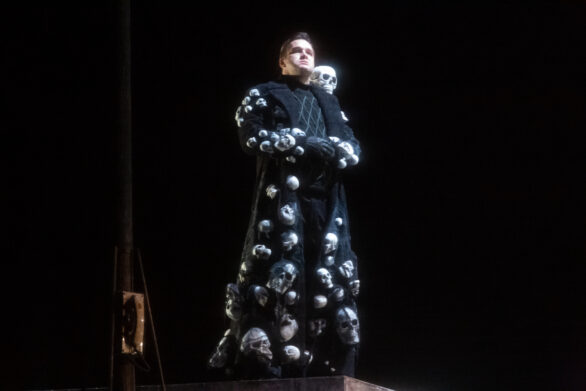
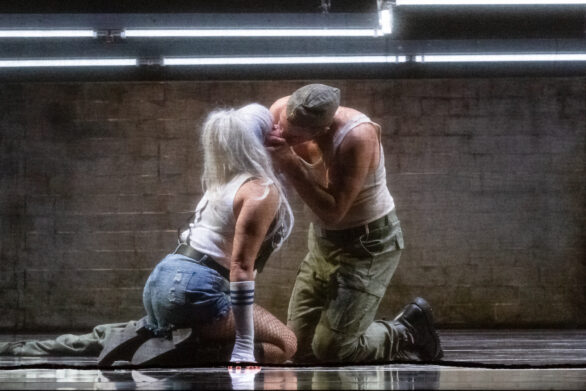
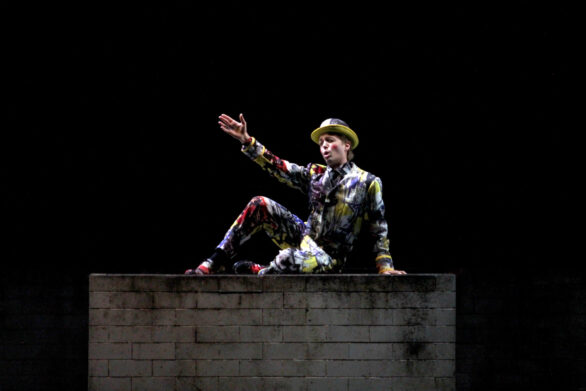
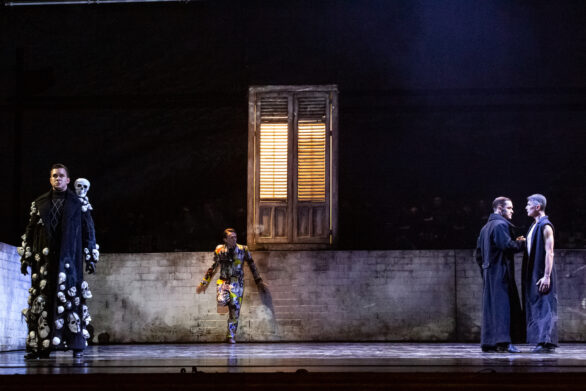
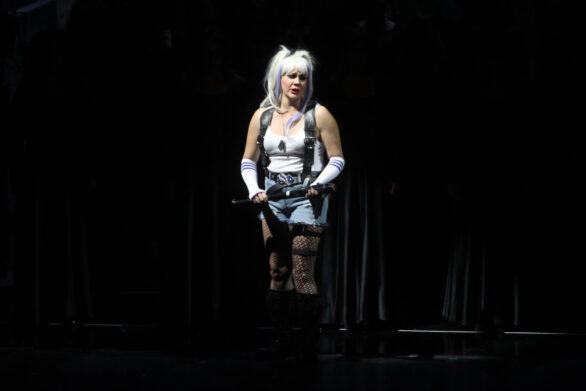
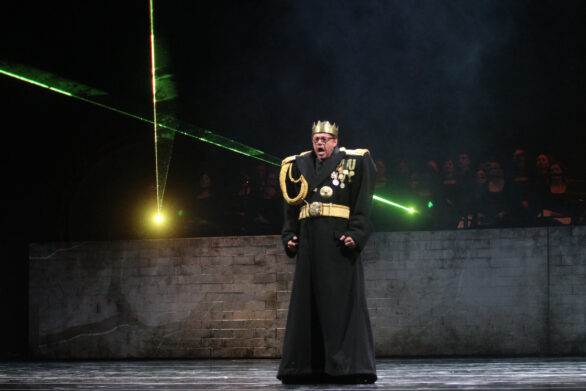
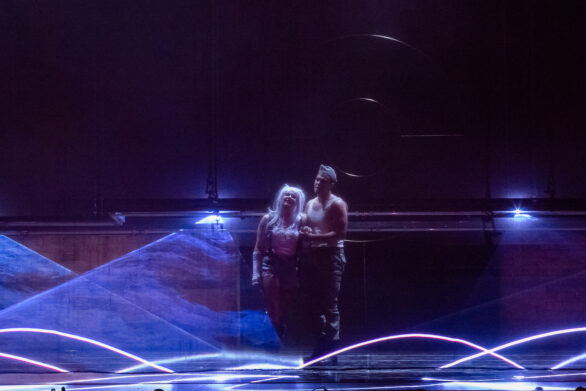
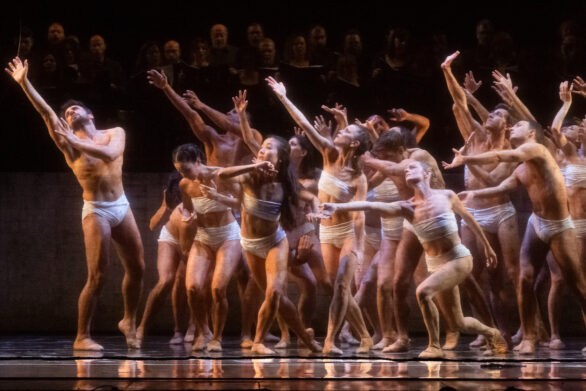

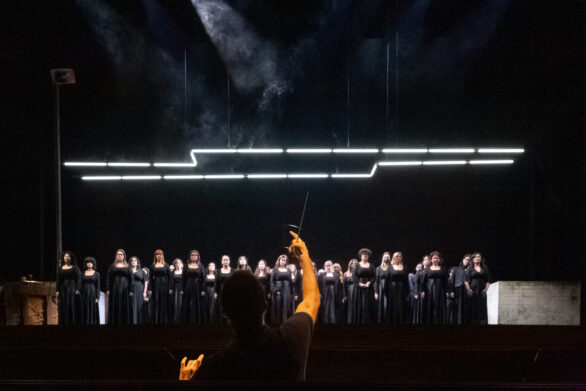
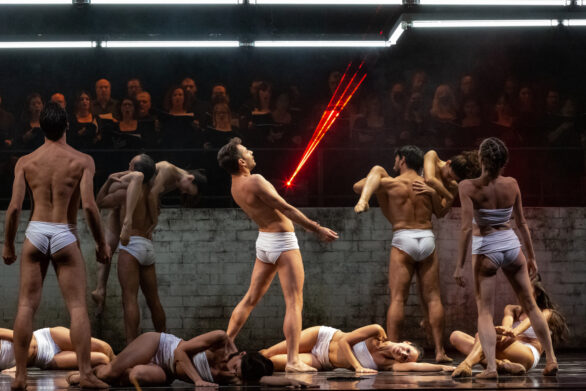
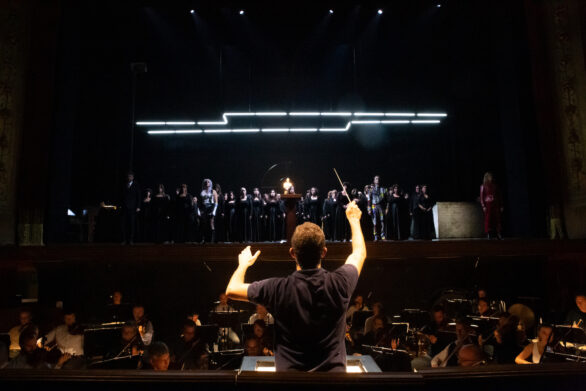
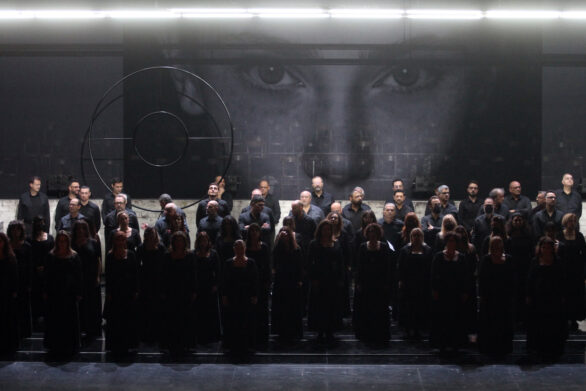
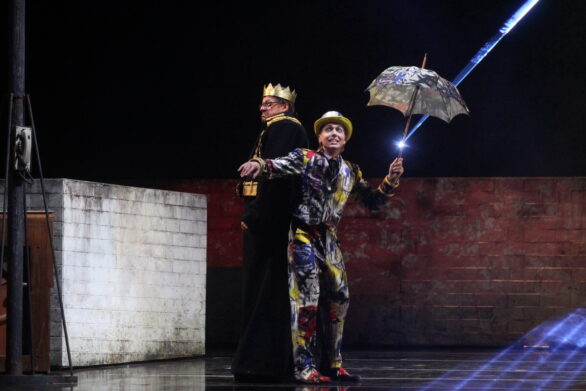
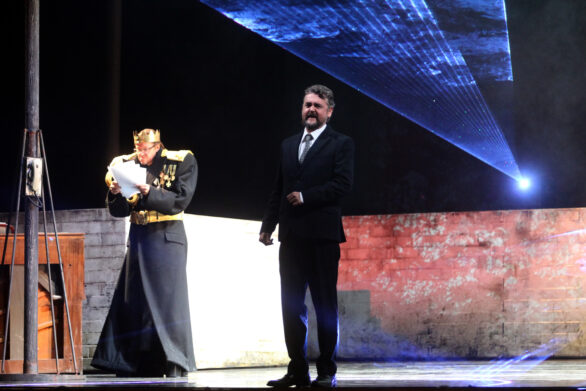

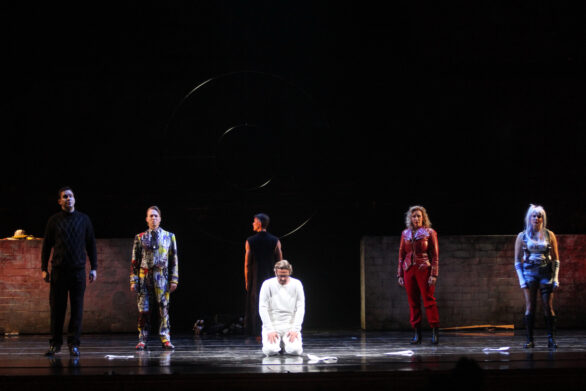
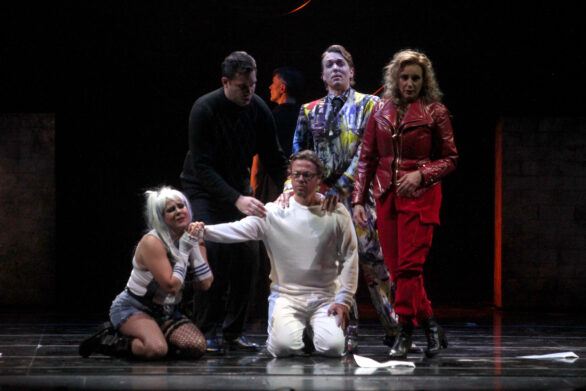
Ph. Rosellina Garbo / Franco Lannino
About
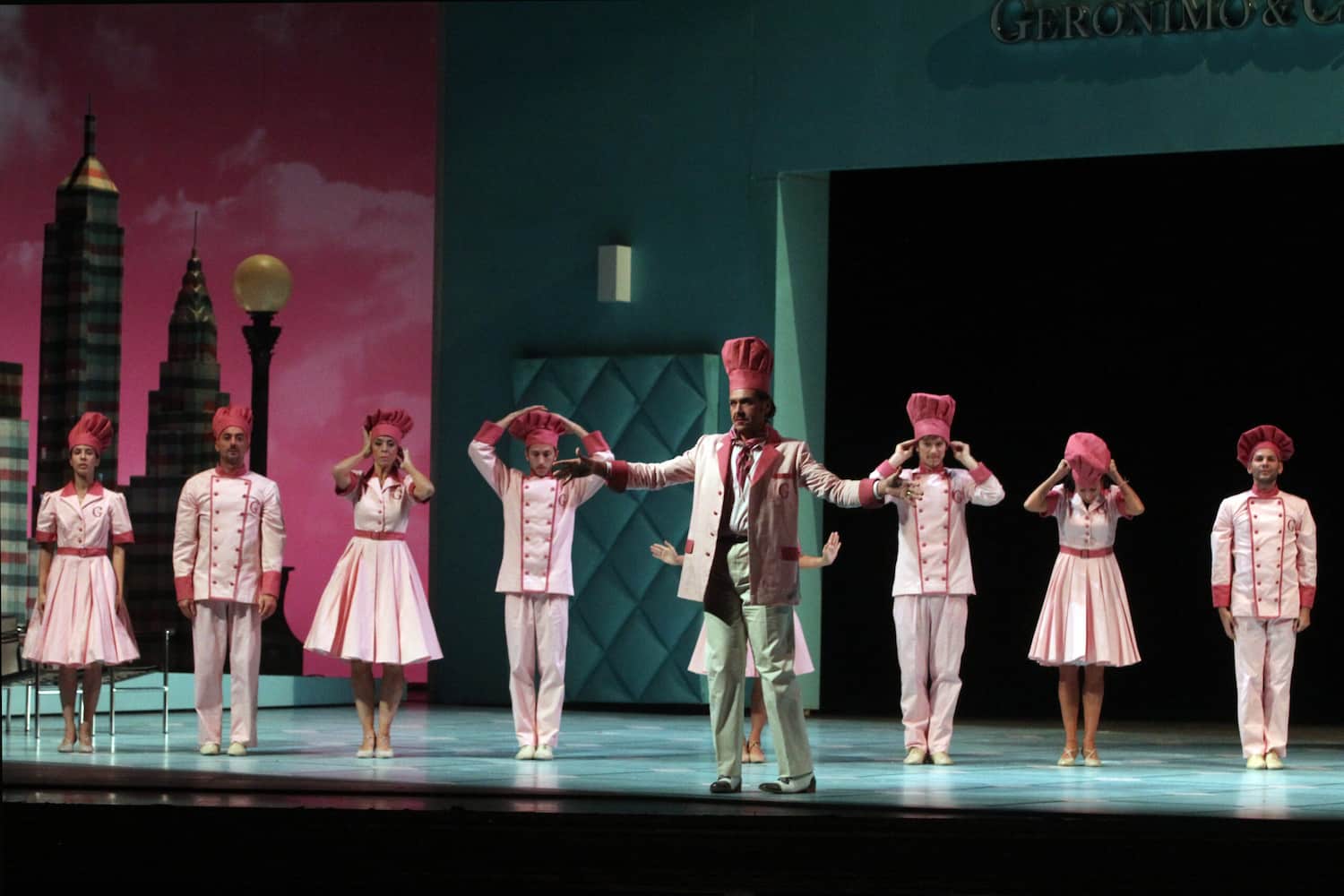
Direttore Davide Levi
Regia Roberto Catalano
Scene Emanuele Sinisi
Costumi Ilaria Ariemme
Luci Fiammetta Baldiserri
Riprese da Oscar Frosio
Assistente alla regia Luca Baracchini
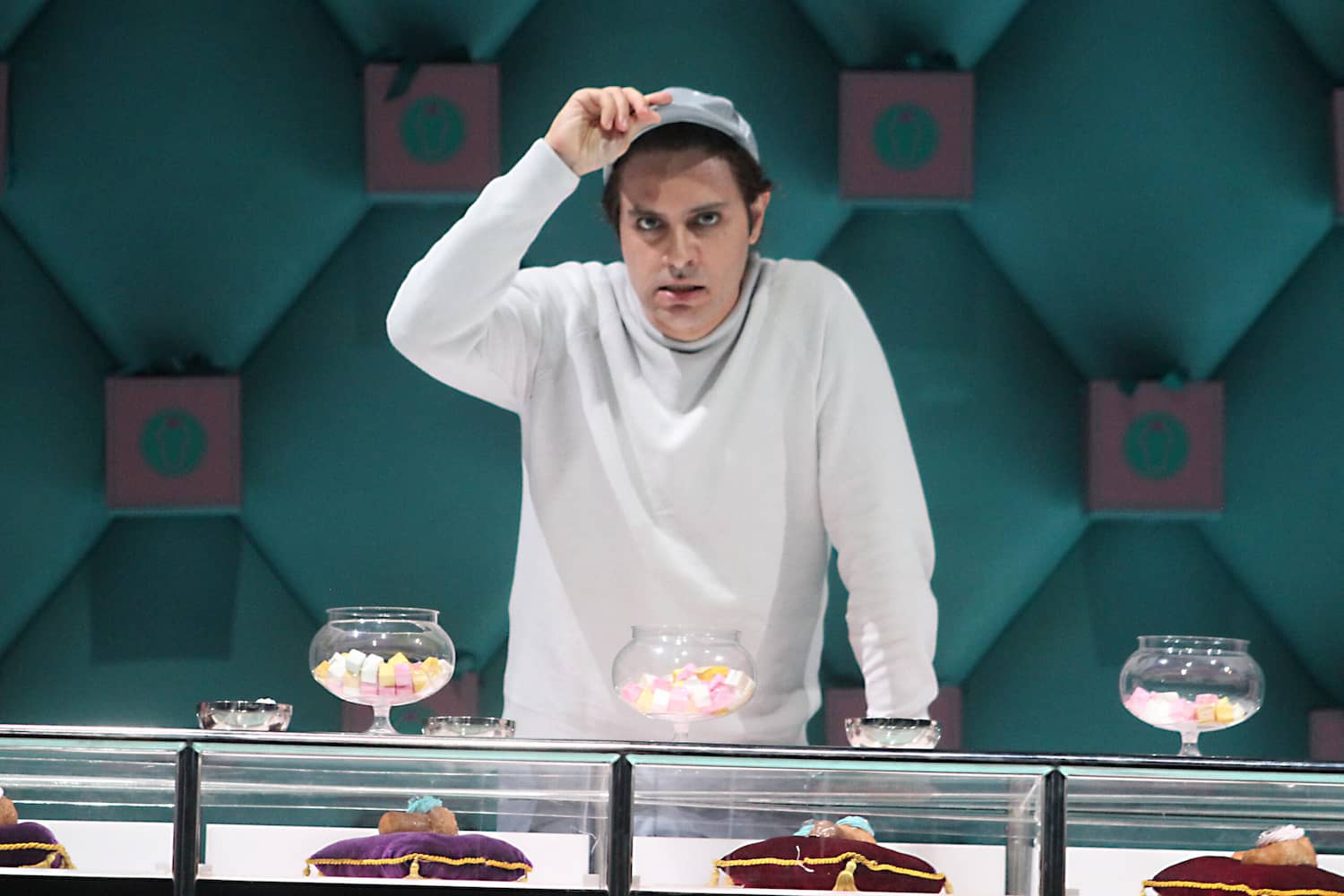
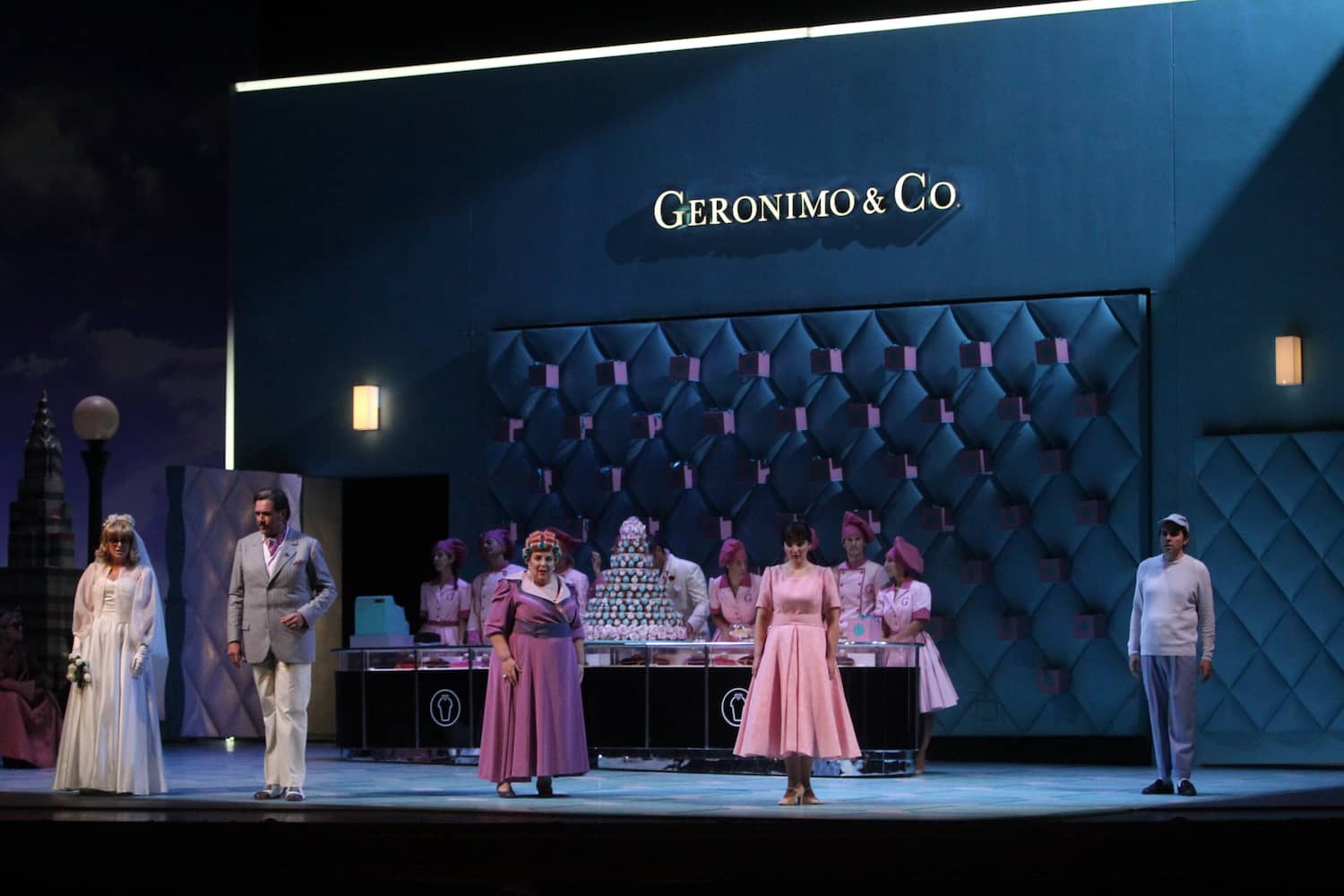
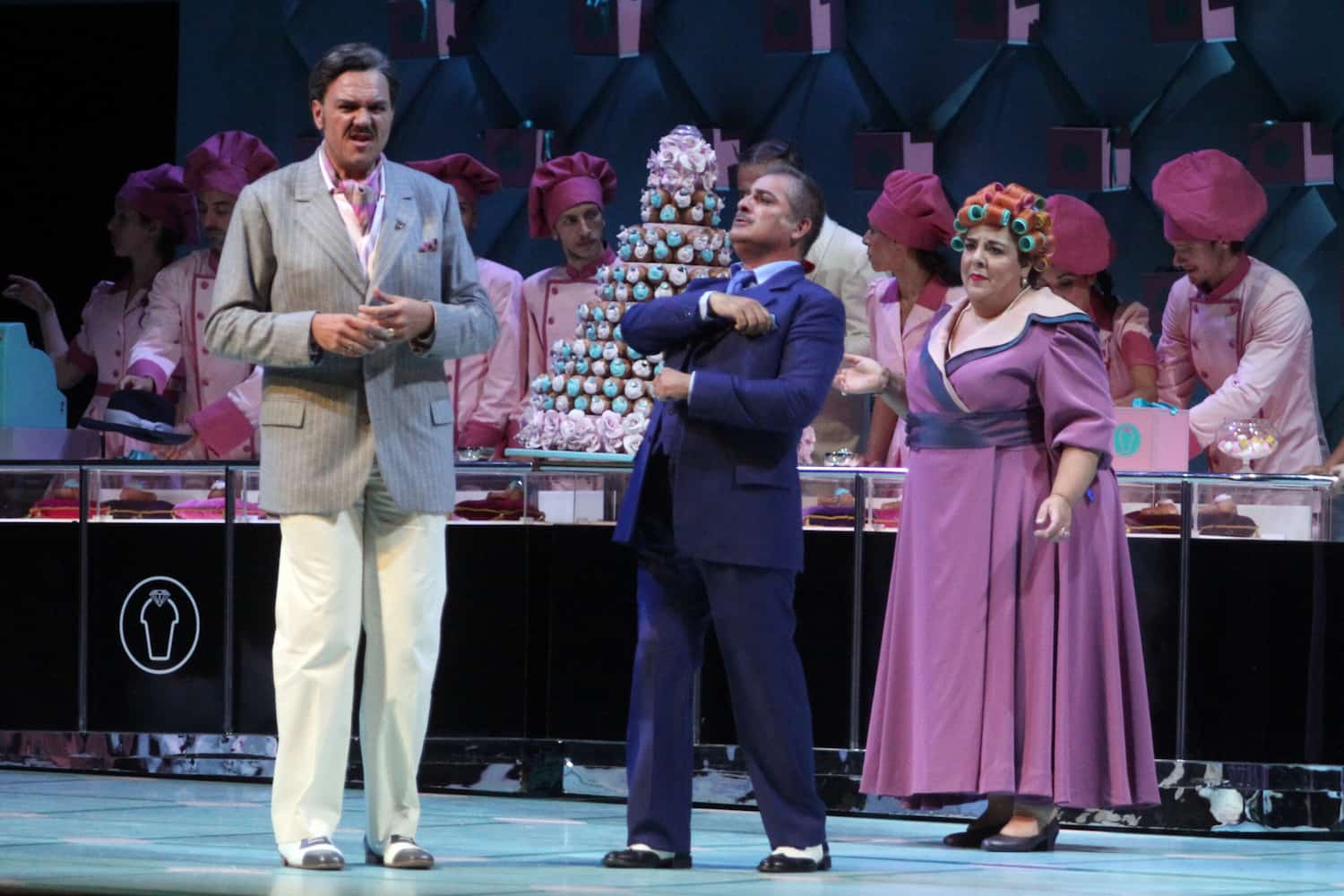
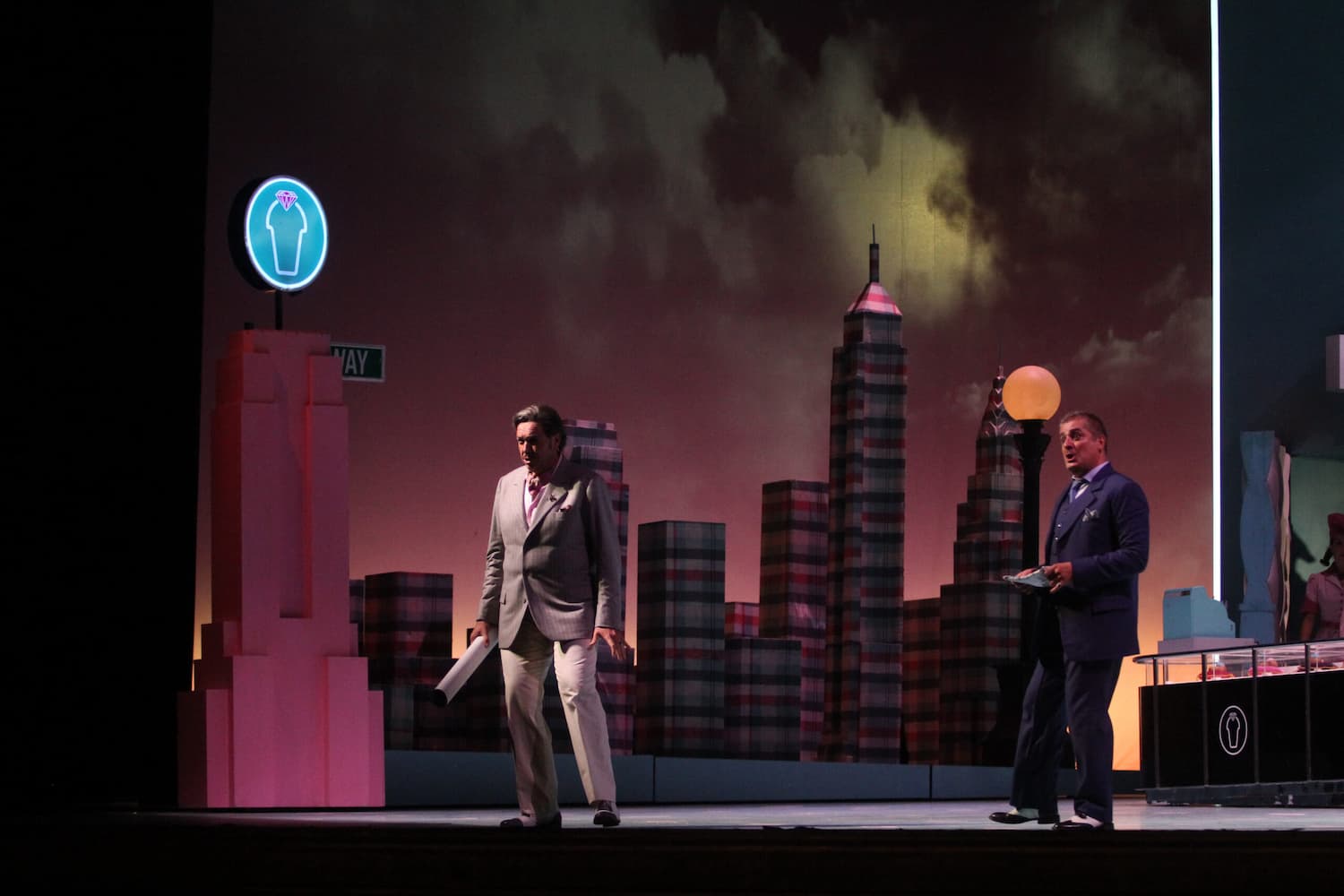
Movimenti coreografici Jean-Sébastien ColauNuovo allestimento in coproduzione con l’Opera di Tenerife e Teatro Regio di Parma
La Prima di venerdì 30 settembre sarà trasmessa in diretta streaming sulla WebTv del Teatro.
Personaggi e interpreti
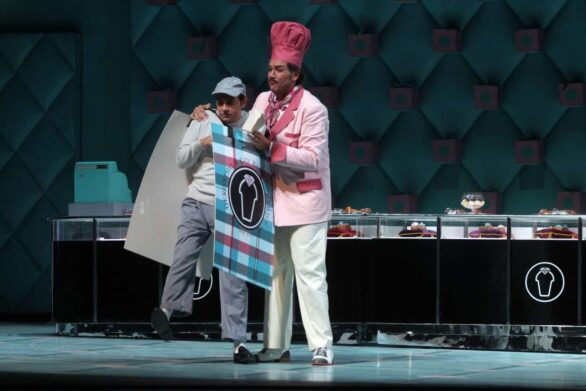
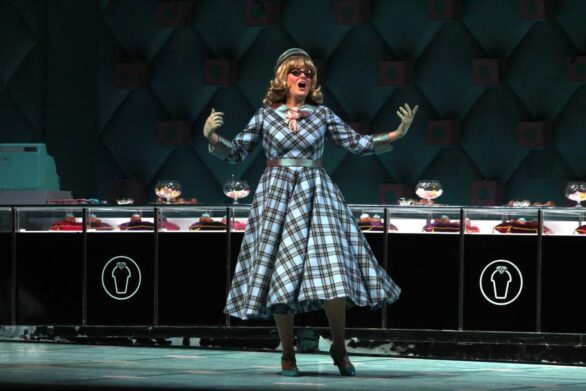
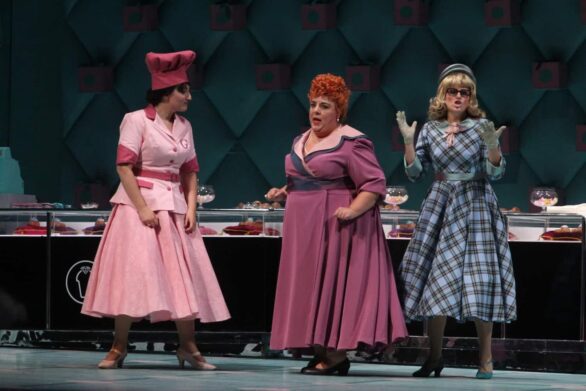
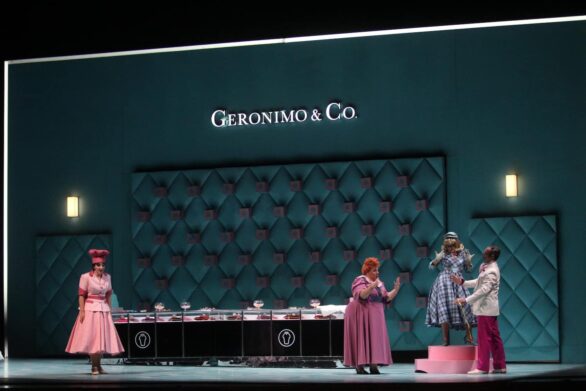
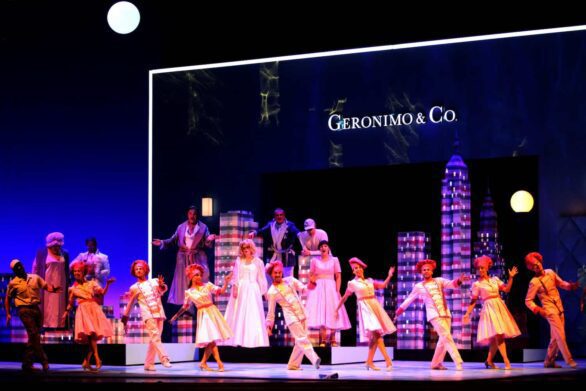
Geronimo Vincenzo Taormina (30, 2, 5) / Francesco Leone (1, 4)
Elisetta Anna Maria Sarra (30, 2, 5) / Marilena Ruta (1, 4)
CarolinaVeronica Marini (30, 2, 5) / Giulia Mazzola (1, 4)
Fidalma Marianna Pizzolato (30, 2, 5) / Claire Gascoin (1, 4)
Conte Robinson Omar Montanari (30, 2, 5) / Jan Antem (1, 4)
Paolino Giorgio Misseri (30, 2, 5) / Antonio Mandrillo (1, 4)
Maestro al cembalo Giuseppe CinàOrchestra e Corpo di ballo del Teatro Massimo
More info
Atto primo
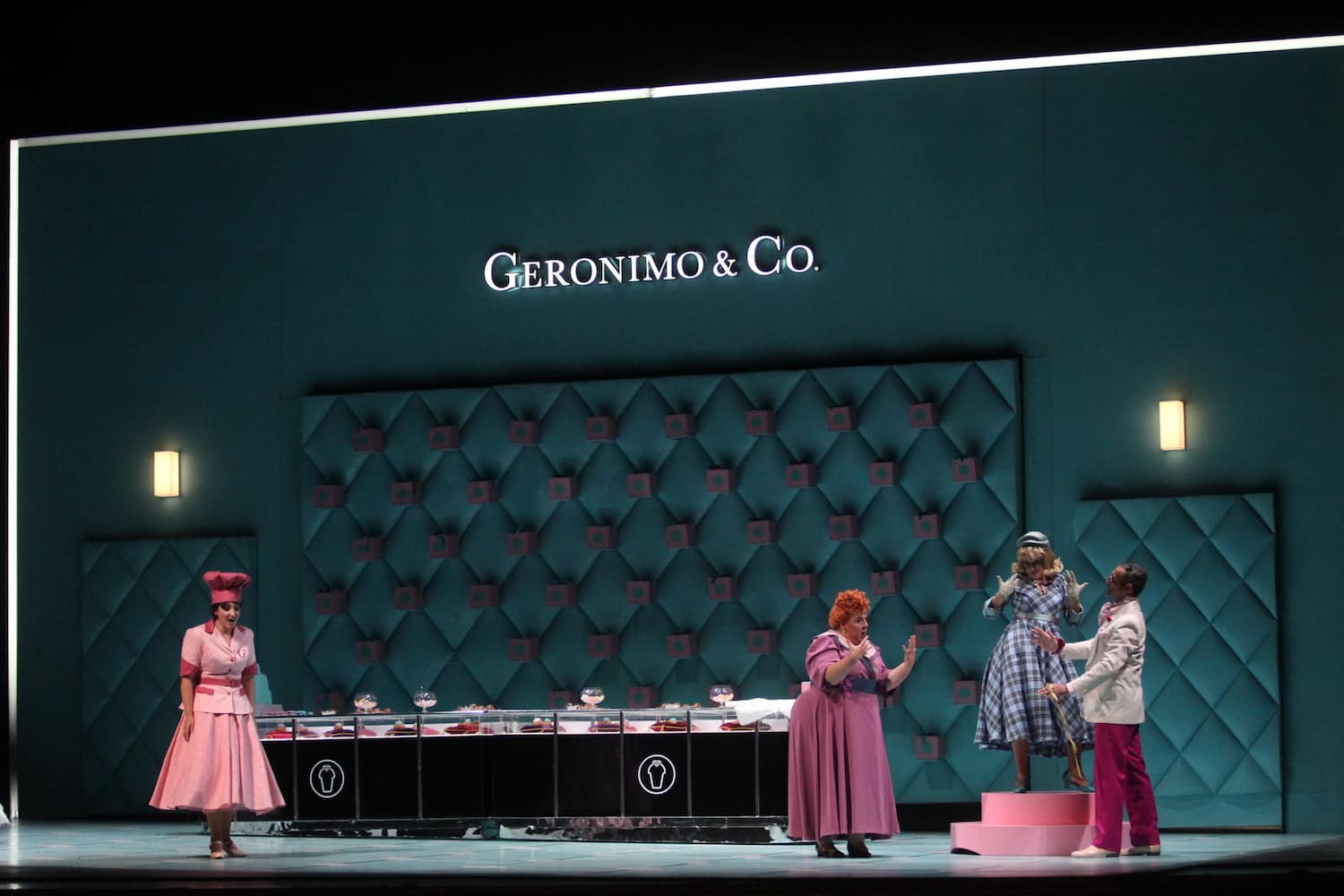
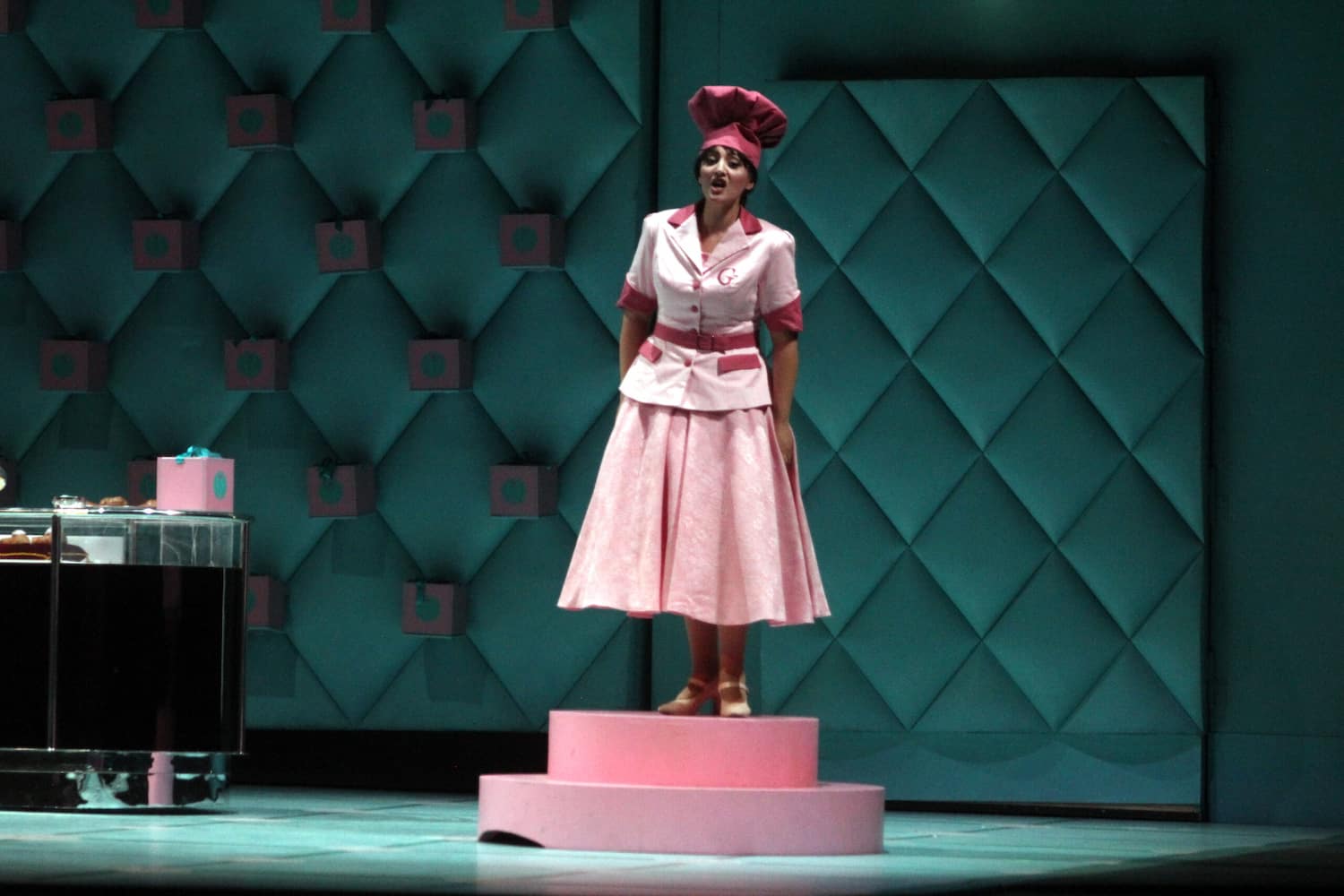
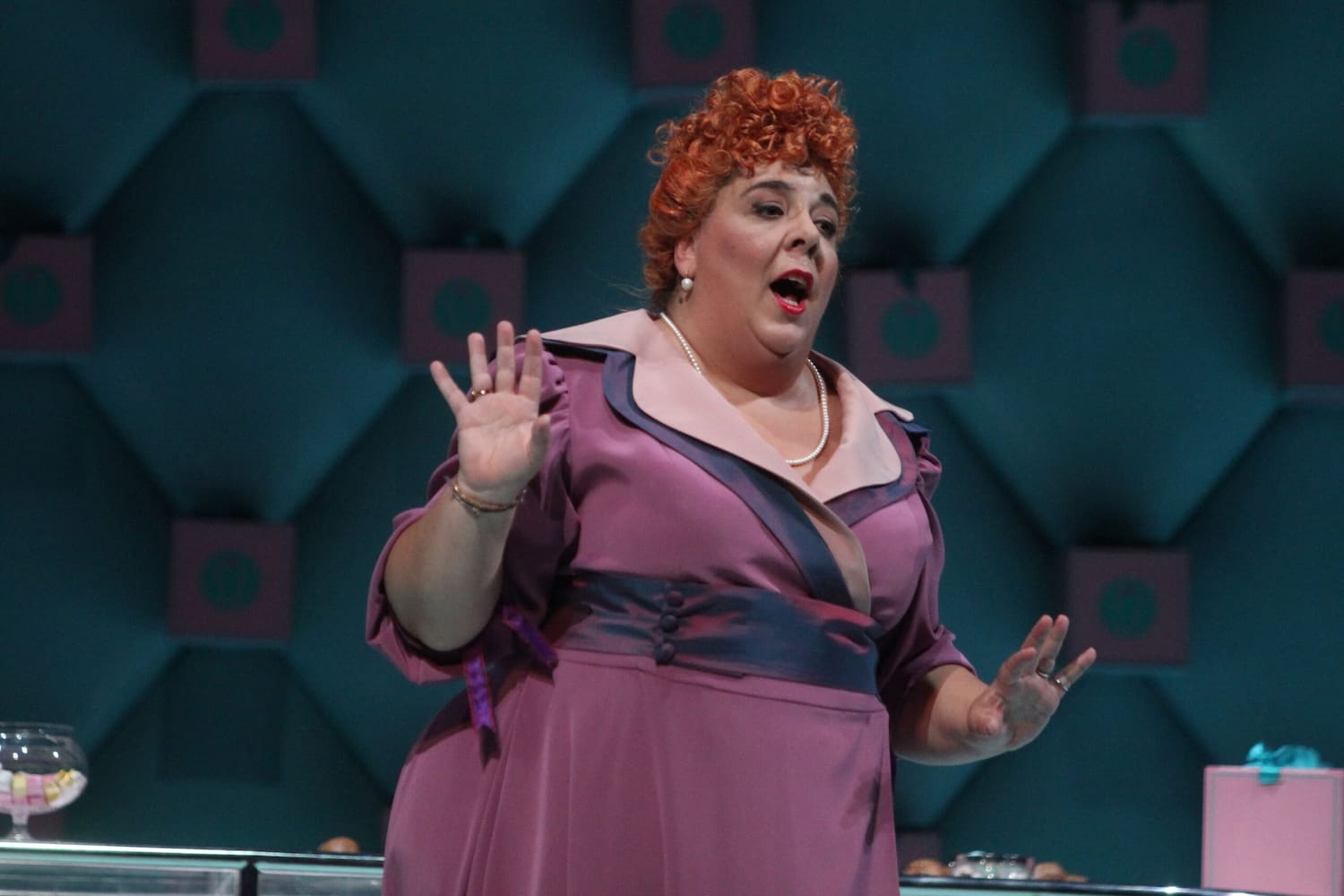
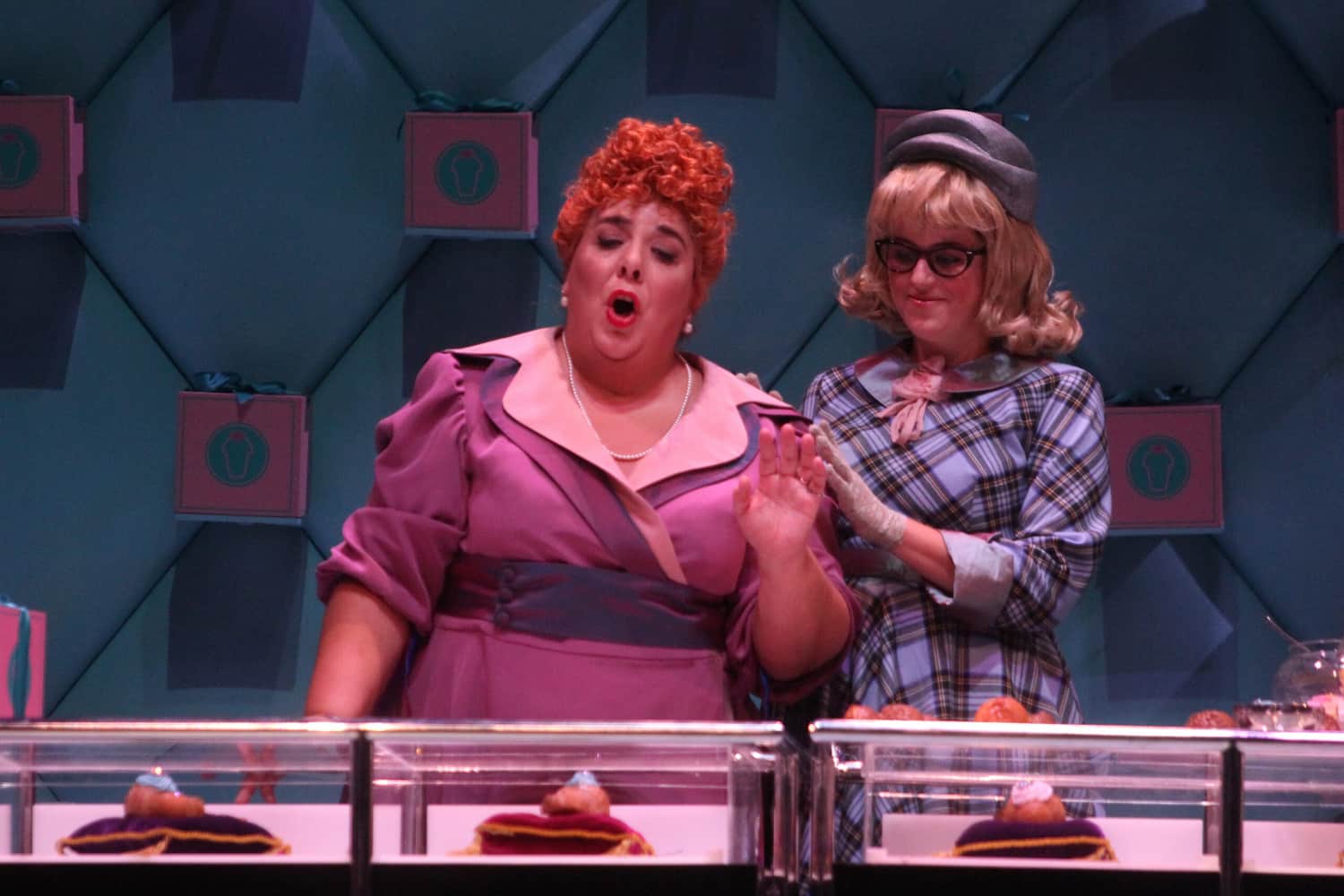
I giovani Paolino e Carolina mantengono il segreto assoluto sul loro matrimonio, nel timore di incorrere nelle ire di Geronimo, padre di Carolina, deluso nelle sue speranze di trovare un marito titolato per le figlie.
Atto secondo
Il conte è decisissimo a sposare Carolina e lo spiega a Geronimo, aggiungendo che rinuncerà anche a metà della dote. Placato da questa promessa, Geronimo si convince delle recenti nozze tra Robinson e Carolina.
Gallery
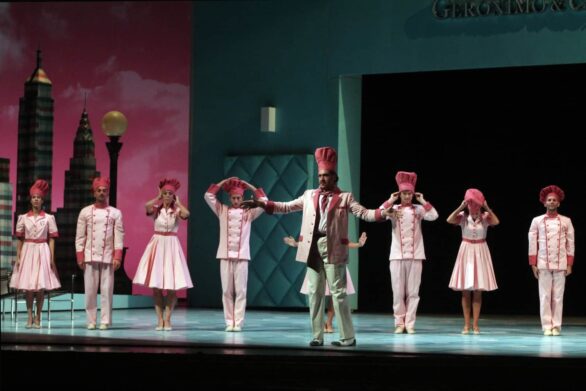
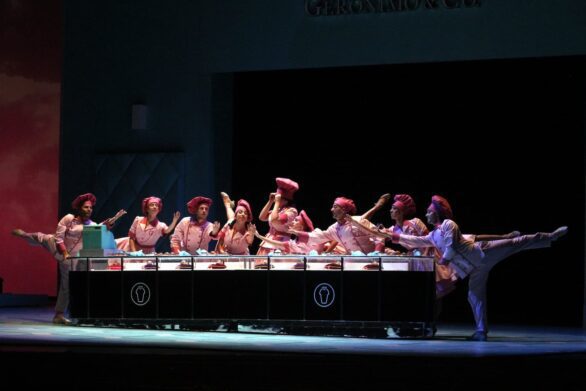
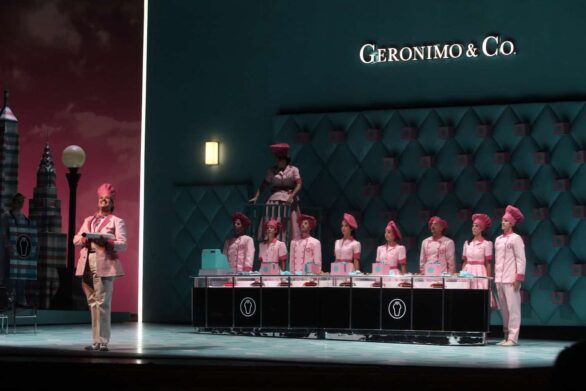
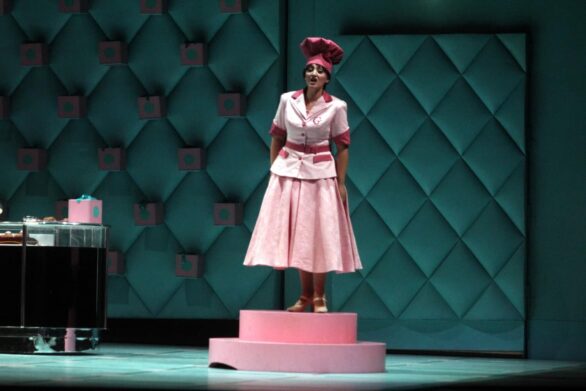
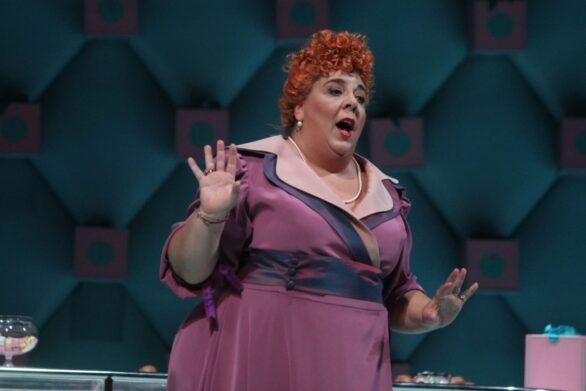
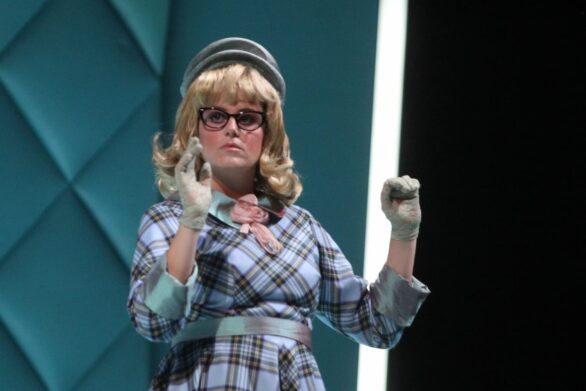
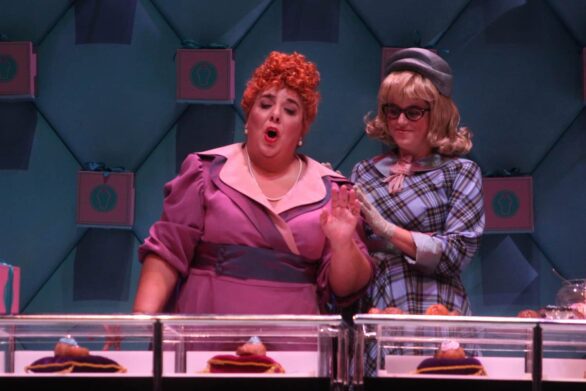
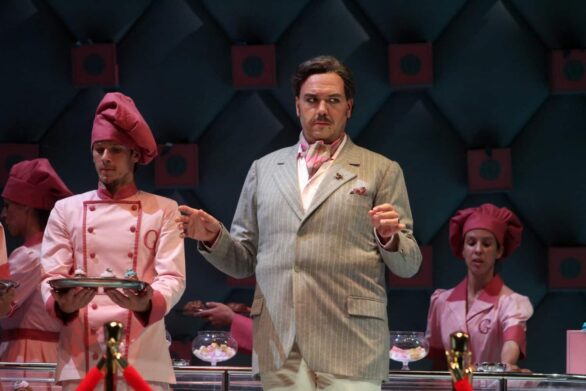
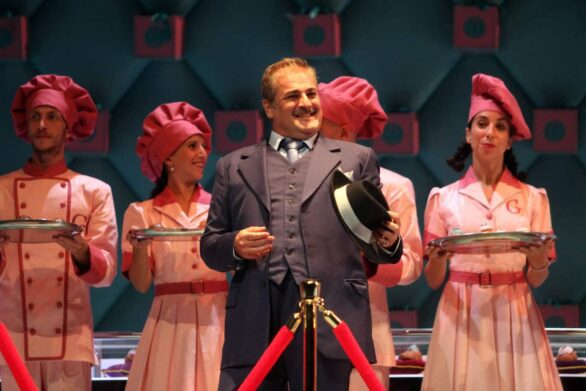
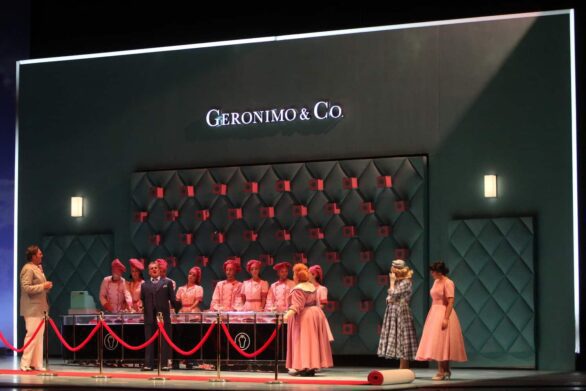
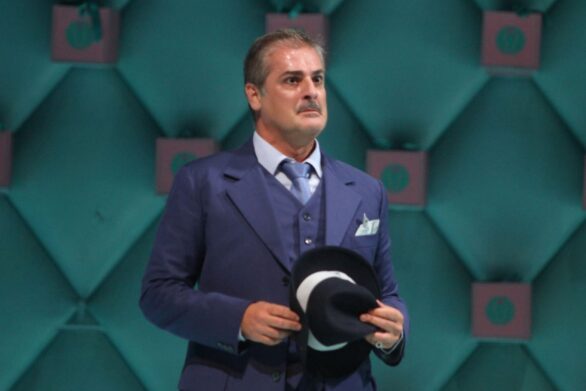
About
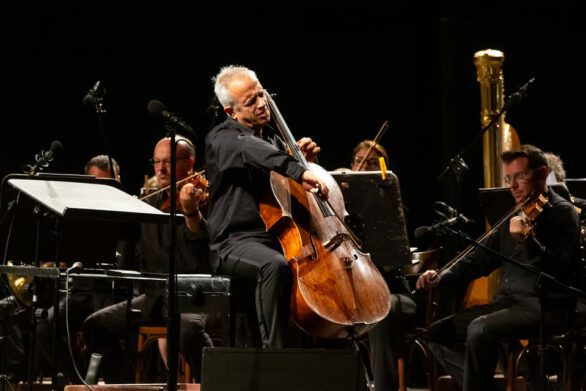
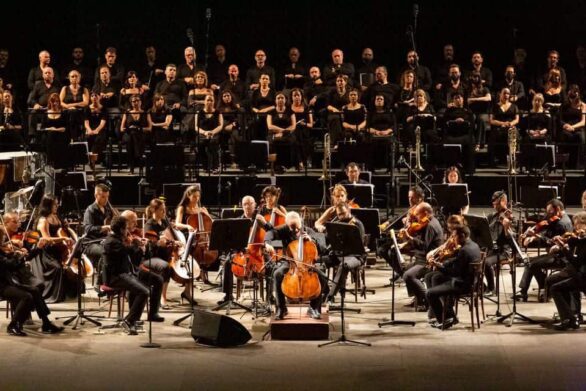
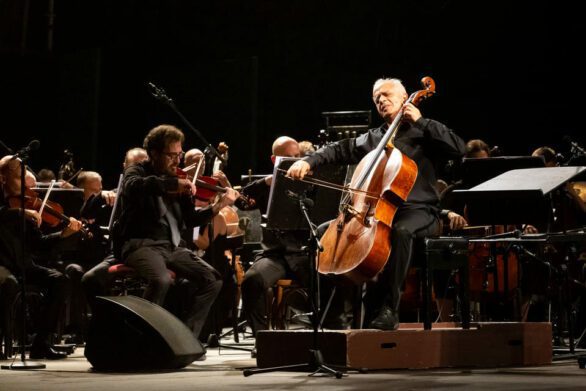
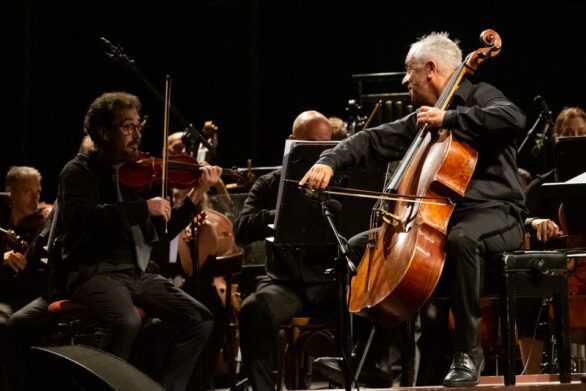
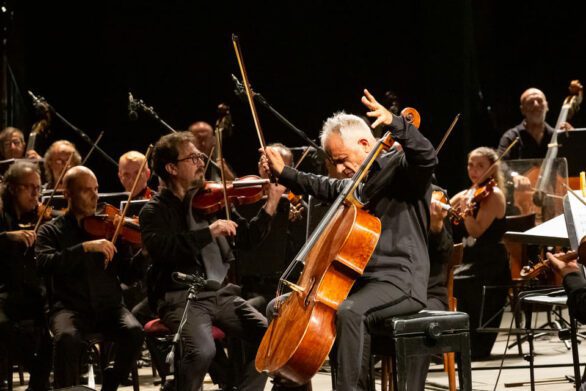
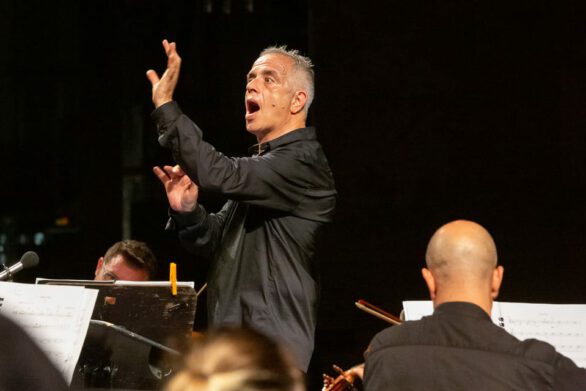
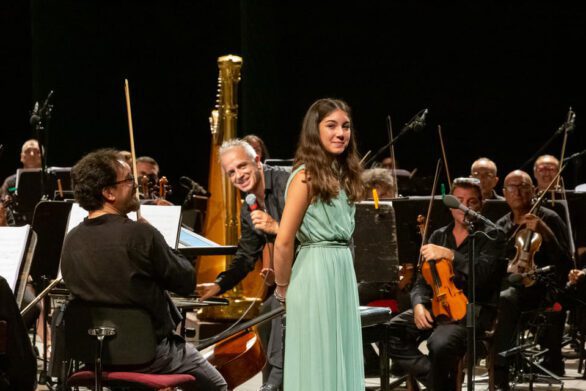
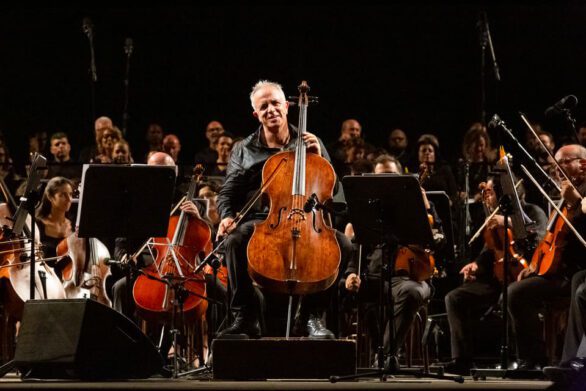
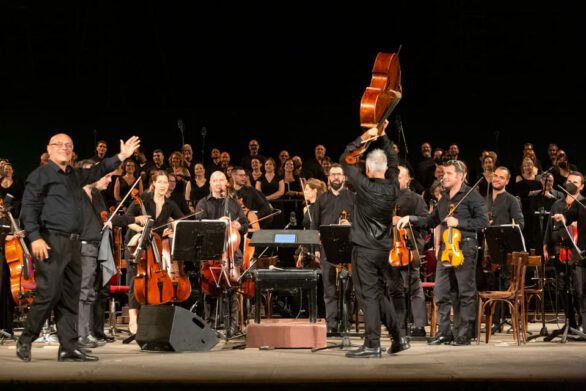
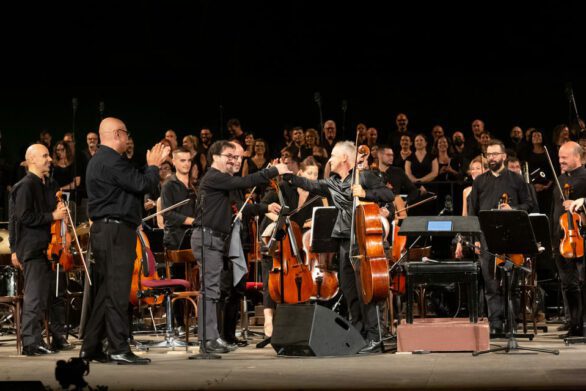
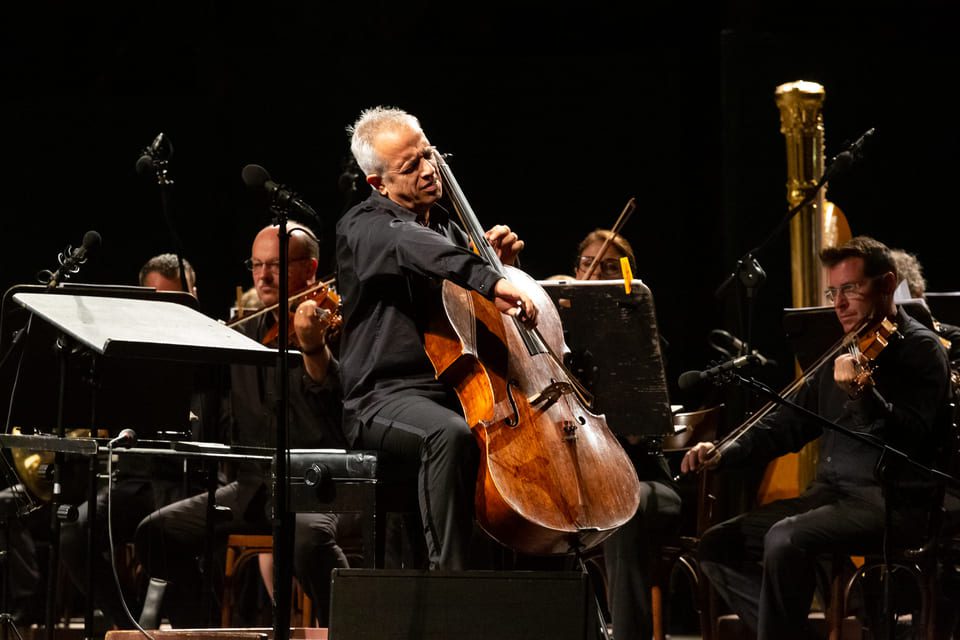
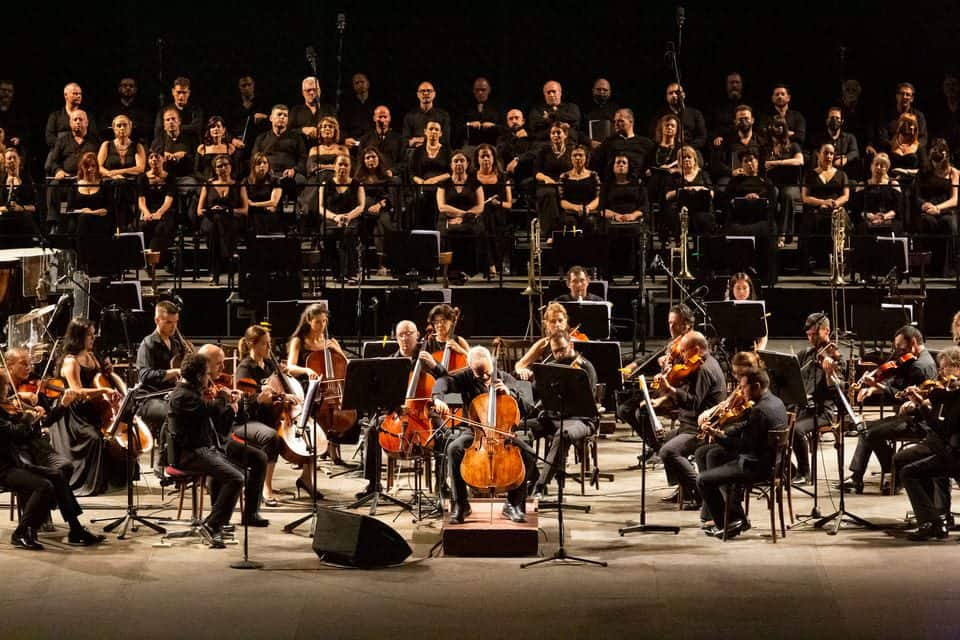
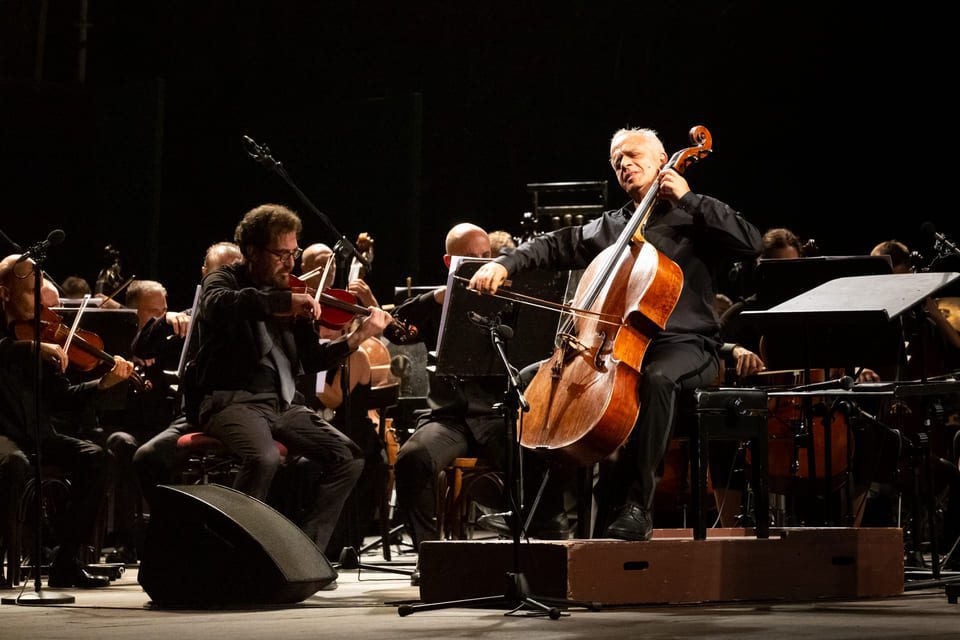
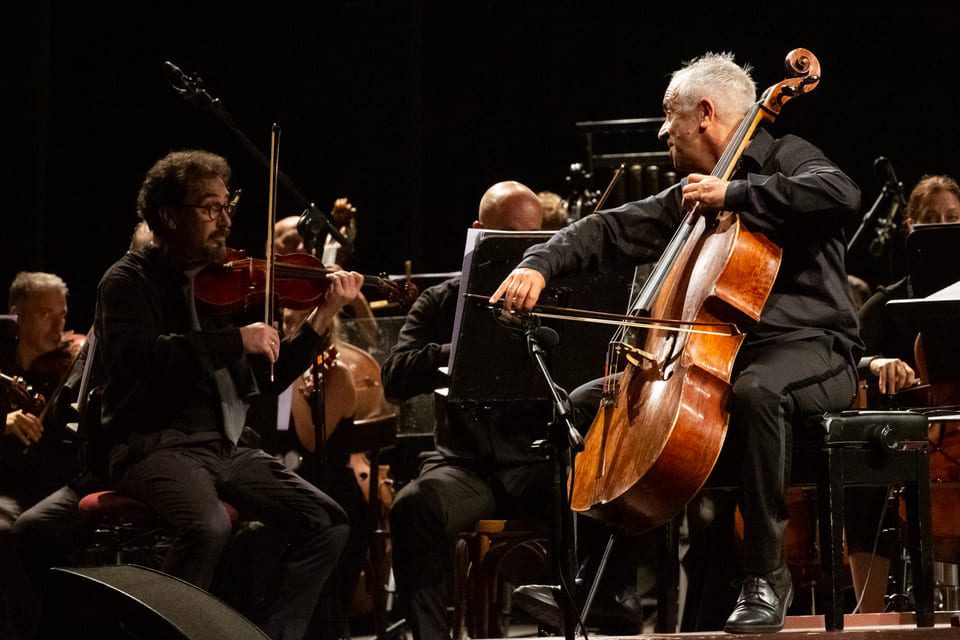
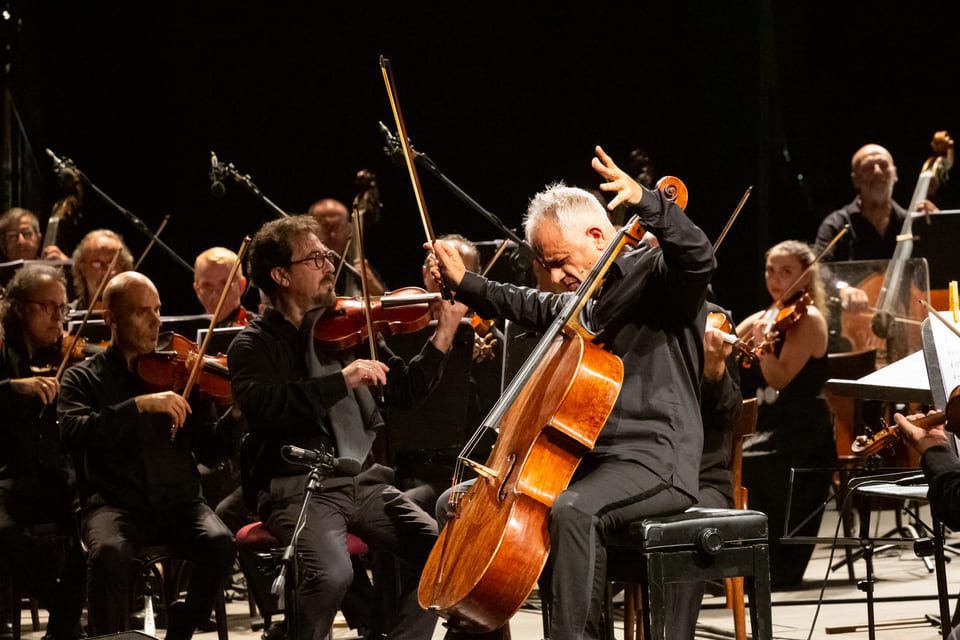
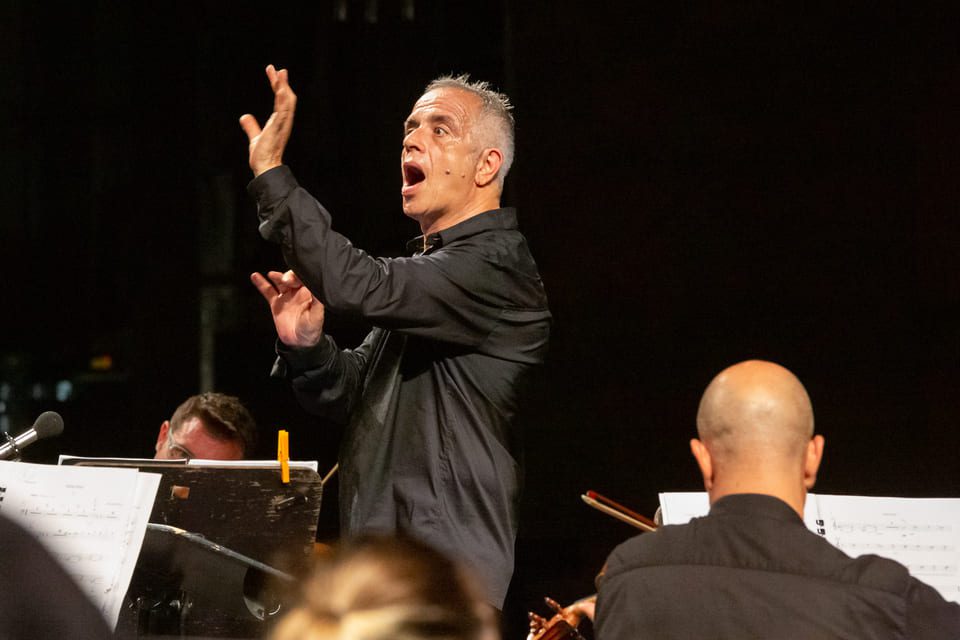
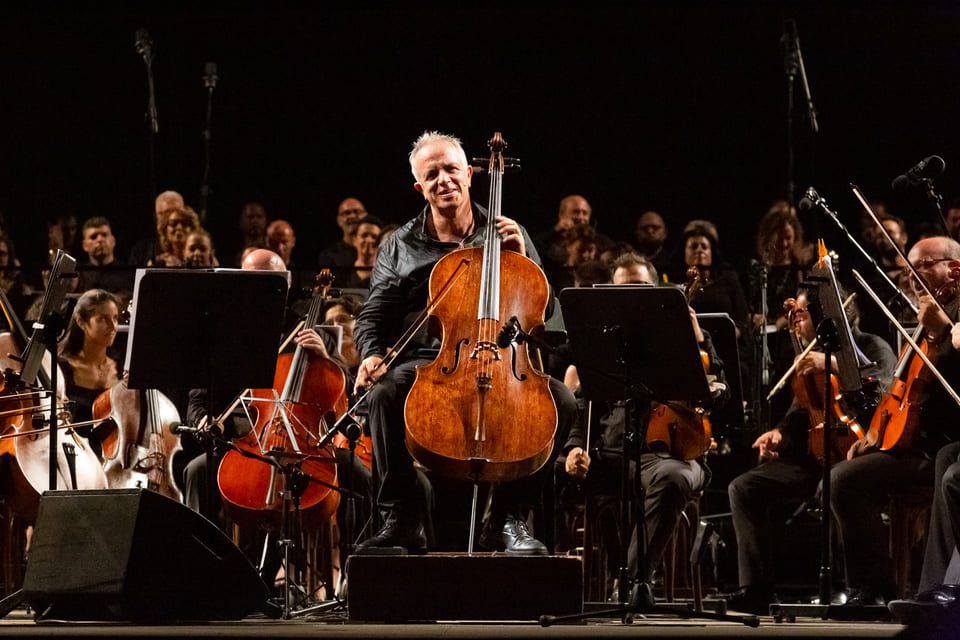
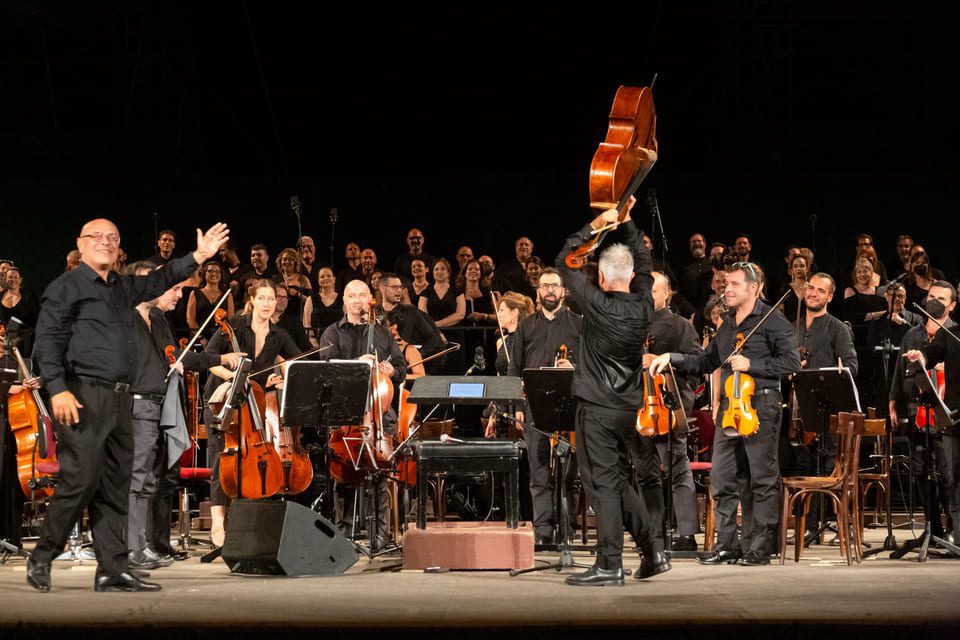
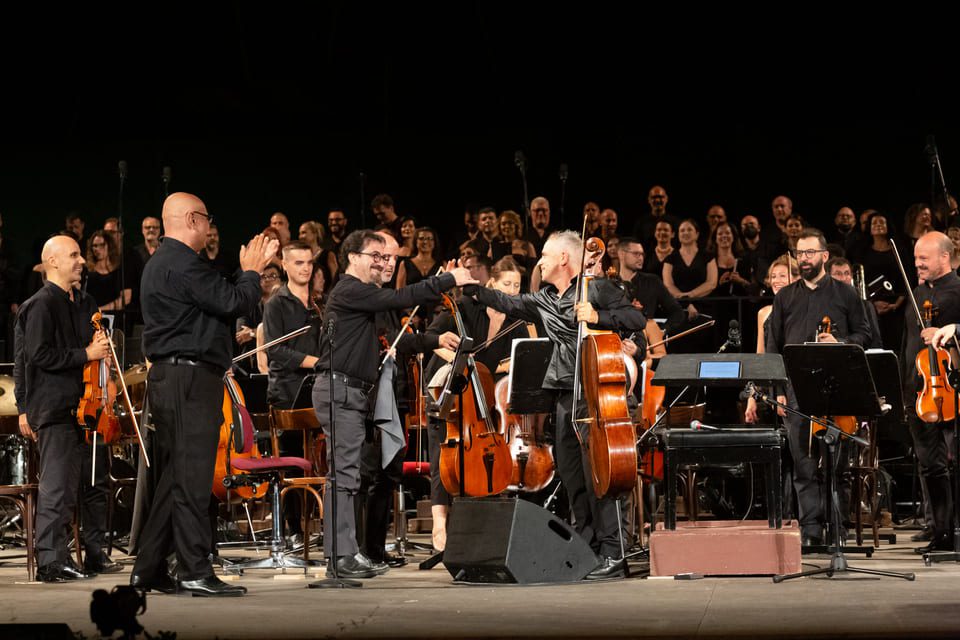
Conductor and cello Giovanni Sollima
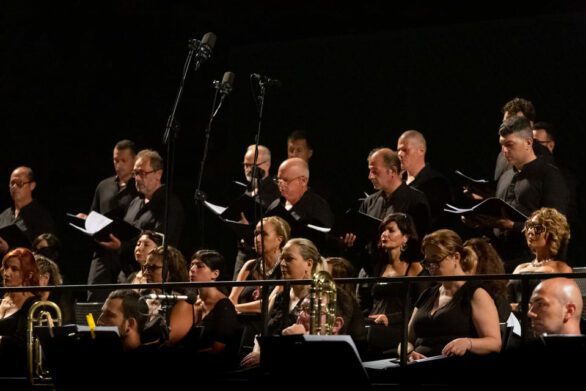
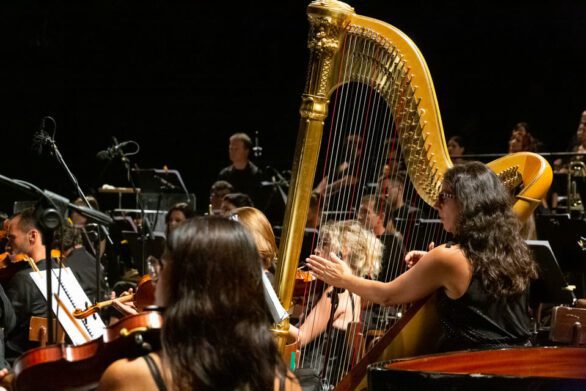
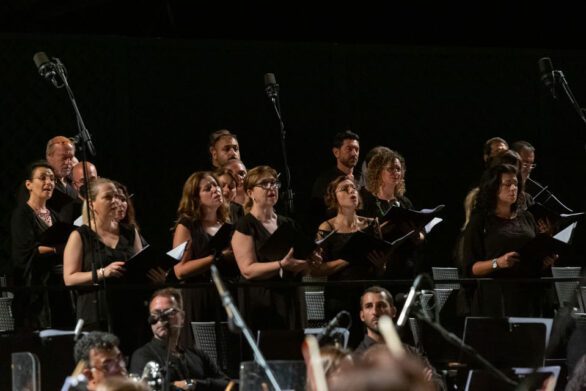
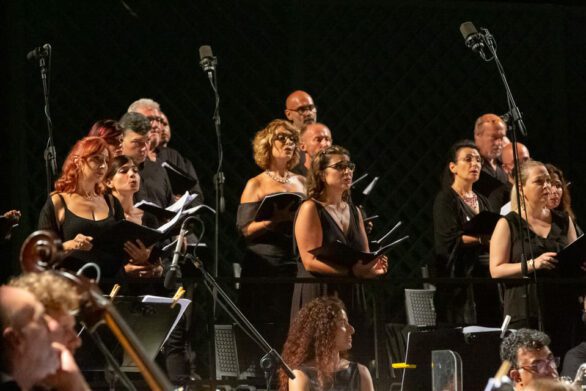
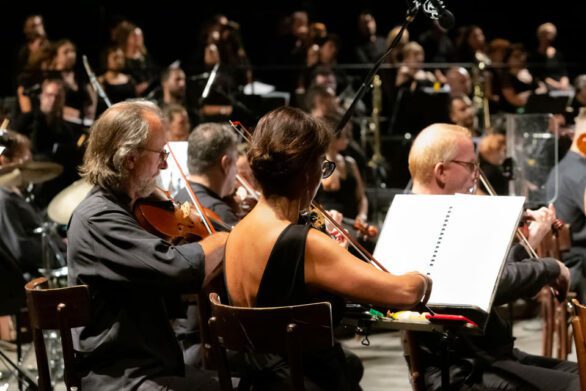
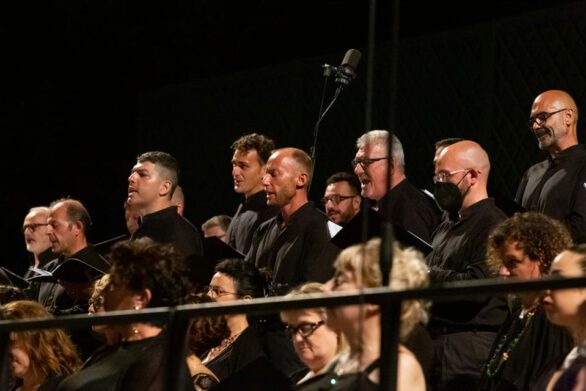
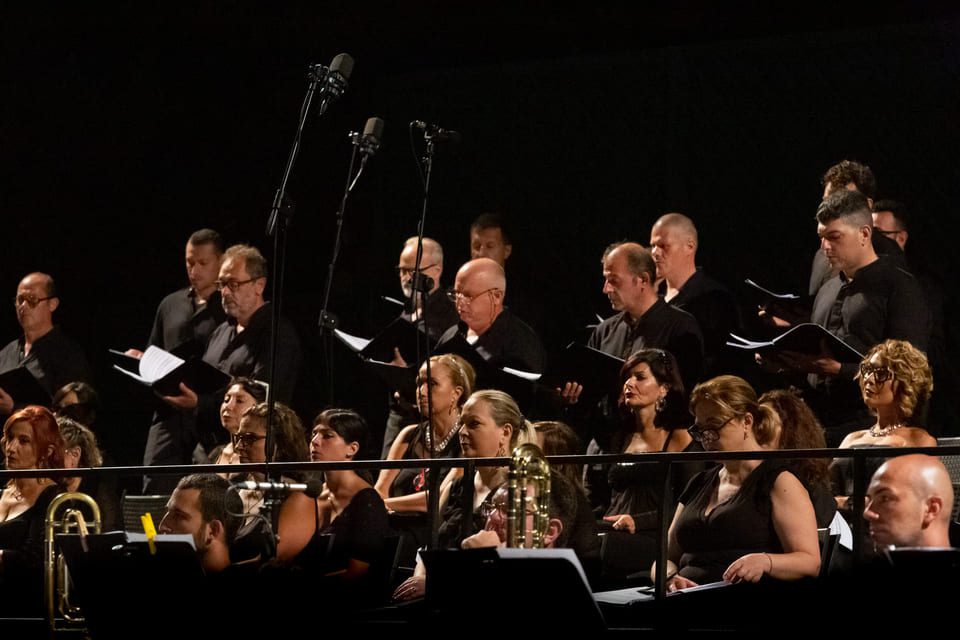
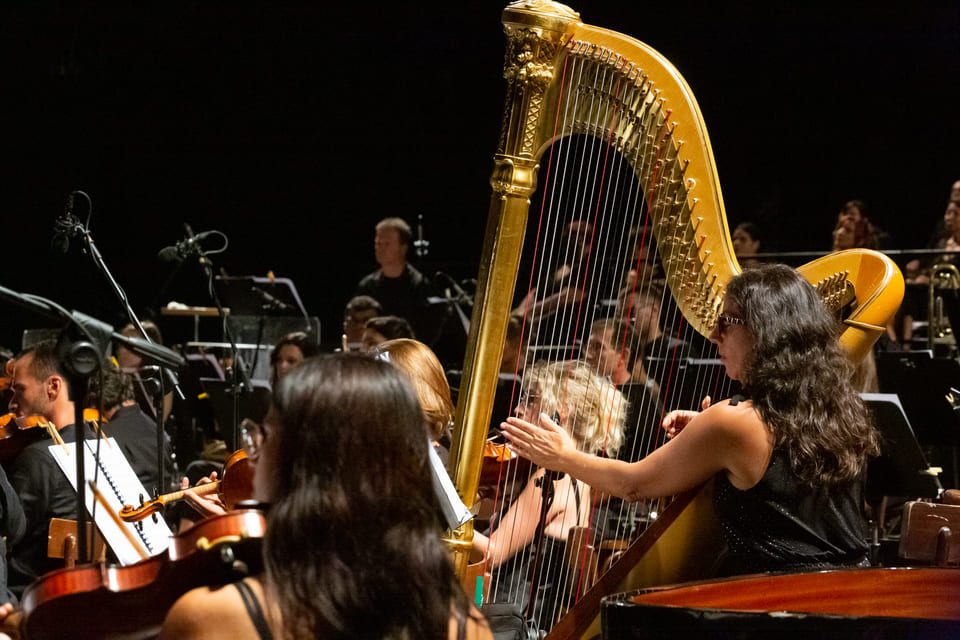
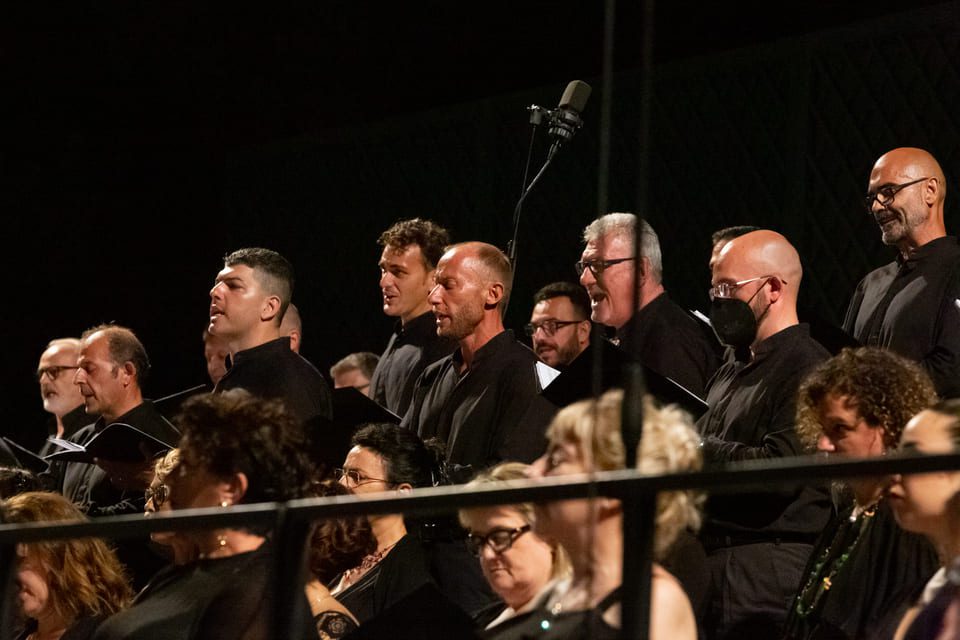
Teatro Massimo Orchestra and Chorus
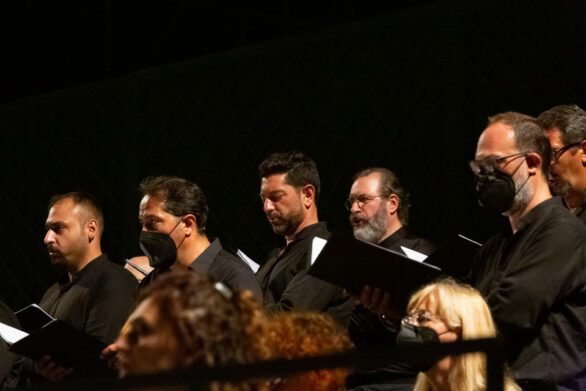
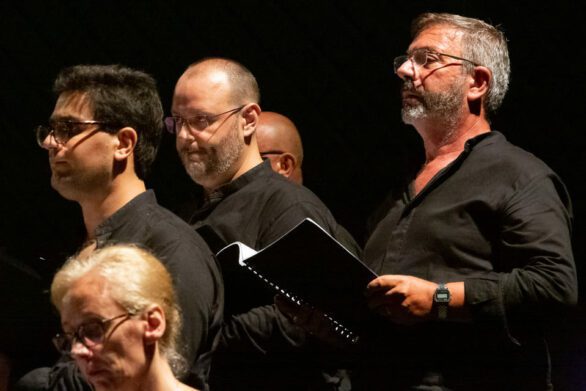
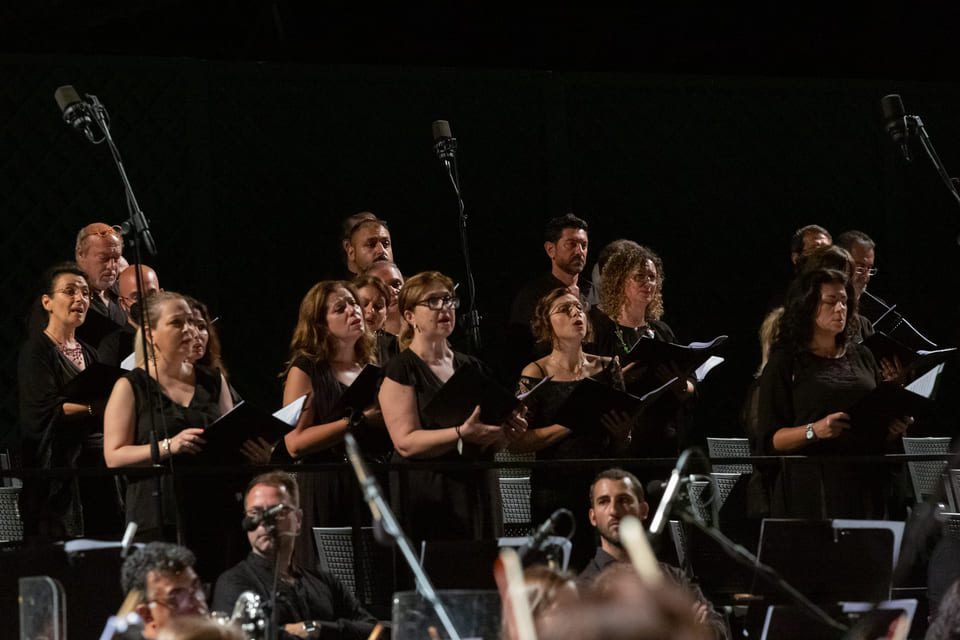
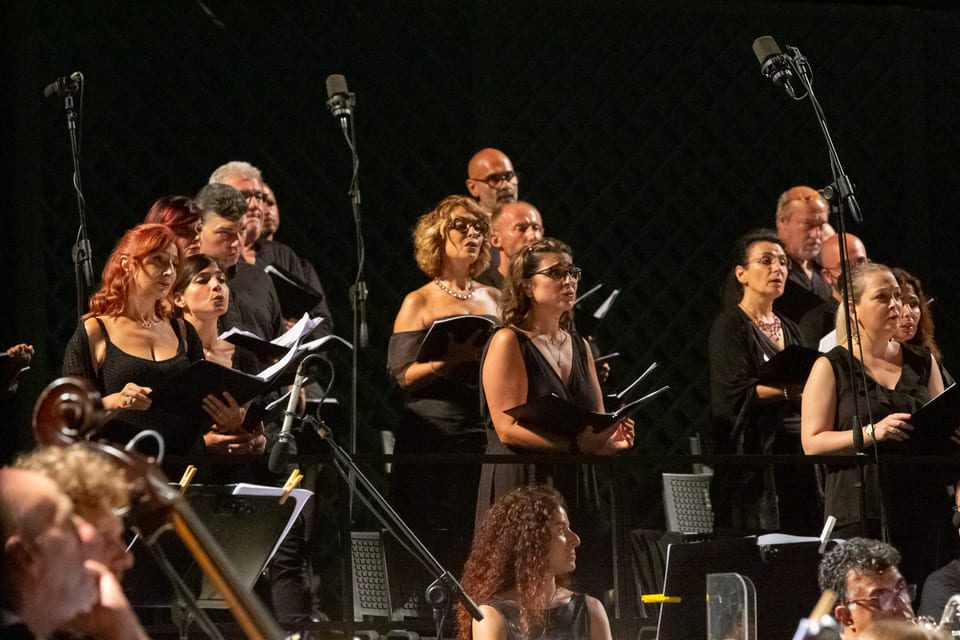
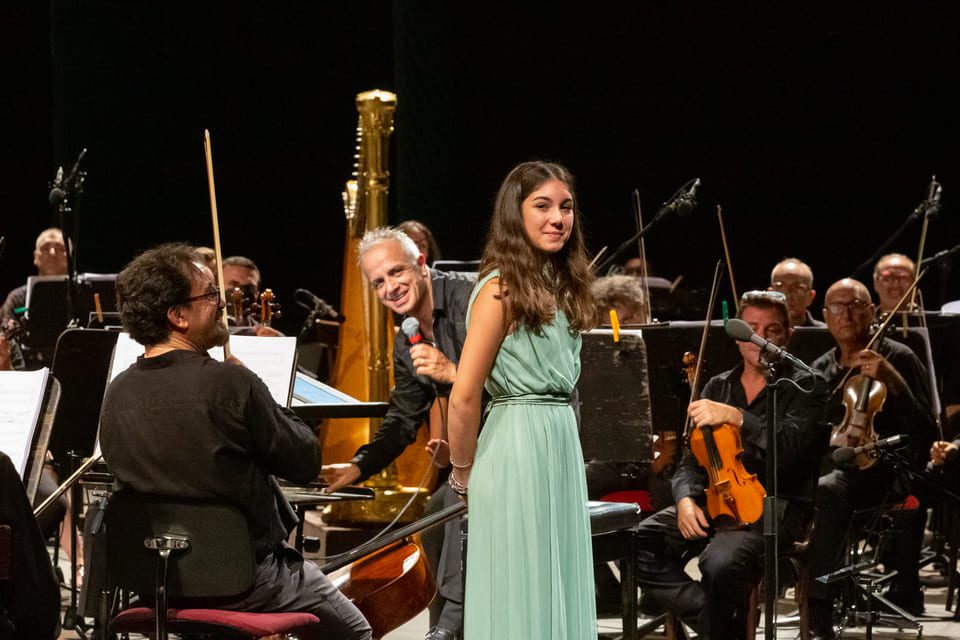
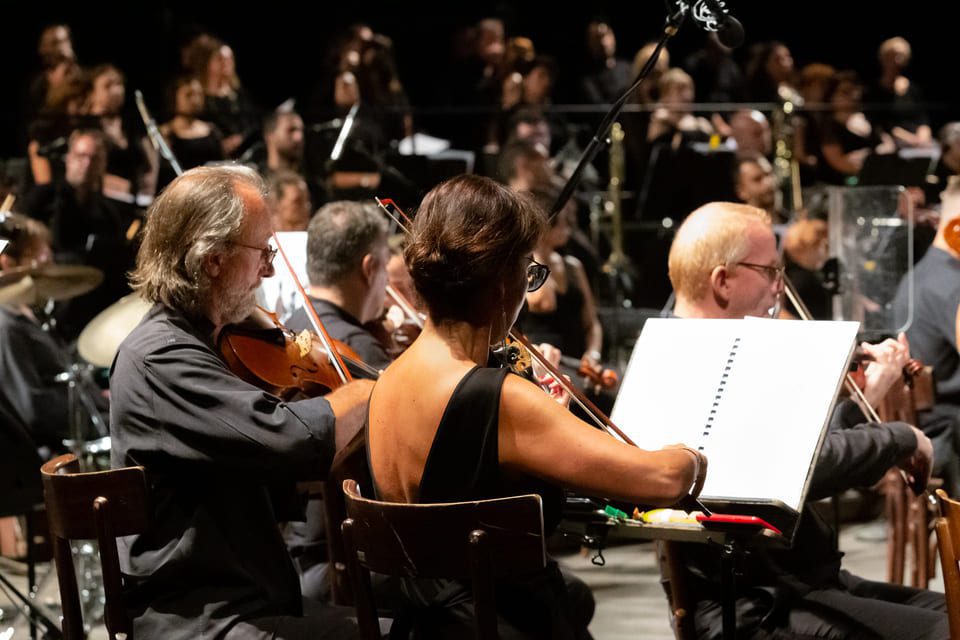
Chorus Master Ciro ViscoMarco Betta meets Giovanni Sollima, sharing ideas and memories during the rehearsal period at the Massimo, getting ready for the concert at the Teatro di Verdura.
Watch the videoProgramme
Giovanni Sollima
Hell I for cello and orchestra
Joseph Haydn
Concerto No. 1 in C major Hob.VIIb:1 for cello and orchestra
Giovanni Sollima
from Canti rocciosi (2001) for male chorus and orchestra
La montagna grave (terzina di Dante, Purgatorio, IV, 88)
Guerra (text taken from Farewell to arms by Hemingway)Giovanni Sollima
from Il Caravaggio rubato (2016)
Variazione II for cello and orchestra (dedicated to Letizia Battaglia)Giovanni Sollima
from Stabat Mater (2021) for chorus and orchestra (verses by Filippo Arriva)
V
VIII “Nenia” (solo voice Francesca Mangiapane)Eliodoro Sollima
Aria for cello and strings (1945)
Giovanni Sollima
from Sei studi sull’Inferno di Dante for chorus and orchestra (2019): Canto V “Paolo e Francesca” – Canto XXV
Nirvana
“Polly”, “Dumb”, “Smells Like Teen Spirit” for cello, chorus and orchestra
Gallery