About
11 maggio 2026 | Sala degli Stemmi, Teatro Massimo
da 6 a 10 anni
NarrazioneDanza
Un laboratorio di storia della danza per scoprire insieme il Don Quichotte
a cura di Marta Cataliotti
Biglietti
8 euro (laboratorio e visita guidata del Teatro)
Durata
Il laboratorio ha una durata di 1 ora, la visita guidata di 30 minuti.
Il laboratorio
Presentazione
La Fondazione Teatro Massimo e la Fondazione Gaetano Costa propongono un percorso di introduzione all’arte per bambini di scuola primaria che prevede la visita del Teatro e la partecipazione ad un laboratorio guidato da Marta Cataliotti, ideatrice del progetto narrativo ispirato alla storia della danza e del balletto.
Il titolo di balletto che verrà proposto ai bambini durante il laboratorio è Don Chisciotte (spettacolo incluso nella stagione 2026 del Teatro Massimo, andato in scena dal 29 marzo al 4 aprile).
La storia proposta verrà quindi riletta dallo sguardo fantasioso dei bambini che si introdurranno così nella metaforica “linea del tempo” trovando il loro spazio.
About
Sunday 10 May 2026 at 7.00 pm – Sala Lanza, Palermo Botanical Gardens
The Massimo for the City of Palermo – Ars Sonora
String Quartet of the Massimo Youth Orchestra
Violin Denise De Luca
Violin Alessio Leonardo Calabrò
Viola Francesco Michele Martorana
Cello Beatrice Longo
Thanks to the Cassa Depositi e Prestiti Group
This Concert is part of the Teatro Massimo’s Foundation programme of training and artistic development for its youth music ensembles
Programme
Wolfgang Amadeus Mozart
Allegro from Eine kleine Nachtmusik in G Major K 525
Wolfgang Amadeus Mozart
String Quartet No. 15 in D minor, K. 421
1. Allegro moderato
2. Andante
3. Minuetto e trio. Allegretto
4. Allegro ma non troppo
Anton Webern
Langsamer Satz
Carlos Gardel
Por una cabeza
Astor Piazzolla
Ave Maria
About
Monday 11 May 2026 at 7.00 pm – Church of Maria SS. delle Grazie – Sperone / Roccella
The Massimo for the City of Palermo – Ensemble della Massimo Youth Orchestra
Clarinet Ilde Monastero
Trumpet Antonio Guido Vella Adamo
Harp Bianca Politi
Piano Beatrice Rinaldi
Thanks to the Cassa Depositi e Prestiti Group
This concert is part of the Teatro Massimo’s Foundation programme of training and artistic development for its youth music ensembles
Programme
Music by
Florent Schmitt, Michael Webster, Camille Saint-Saëns, Marcel Tournier, Maurice Ravel, Gabriel Pierné, Marc Berthomieu, Edward Elgar
About
Saturday 16 May 2026 at 6.00 pm – Sala ONU
Sacrificing the Sacred
The demolition of religious complexes to make way for the construction of the Teatro Massimo in Palermo (1868–1897)
Lecture by Flaminia Ferlito, PhD in Analysis and Management of Artistic Heritage at the IMT School for Advanced Studies in Lucca
In collaboration with Palazzo Butera Foundation
and Bibliotheca Hertziana – Max Planck Institute for Art History
The lecture is held in Italian. Free admission subject to availability
Programme
Find out more
From 1875 onwards, in the heart of Palermo’s historic centre, an entire neighbourhood was radically redesigned to make way for a symbol destined to embody modernity and the rise of the Italian middle class: the Teatro Massimo, which was inaugurated with great pomp on 16 May 1897. Within a few years, four religious complexes – San Francesco alle Stimmate, San Giuliano, Sant’Agata alle Mura and Santa Marta – along with their architecture, art collections and communities deeply rooted in the local area. Yet not everything was lost. Through a critical reinterpretation of the events and the analysis of unpublished archival sources, traces emerge of an extraordinary heritage that had long remained scattered.
Works, fragments and memories resurface from a history of only apparent obliteration: a case in point is Giacomo Serpotta’s extraordinary stucco work, now preserved at the Oratorio dei Bianchi, bearing witness to an artistic legacy which, though stripped of its original context, continues to recount the complexity of that transformation.
The conference thus offers, exactly 129 years after the inauguration of the Teatro Massimo, a fresh perspective on one of the most profound urban metamorphoses of nineteenth-century Palermo, bringing to light what existed before the Teatro Massimo and restoring a voice to an urban, artistic and human fabric which, though transformed, continues to live on in its traces and in the city’s memory.
Flaminia Ferlito is an art historian and holds a PhD in Analysis and Management of Artistic Heritage from the IMT School for Advanced Studies in Lucca. Her research focuses on Italy’s religious heritage, with particular attention to the ways in which it was managed, protected, dispersed and introduced into the international art market in the period following the unification of Italy. During her research in 2025, she was a pre-doctoral fellow at the Hertziana Library in Rome, in the department headed by Tanja Michalsky, where she was able to study the complex relationships surrounding the demolition of religious complexes to make way for the construction of the Teatro Massimo in Palermo. In 2024, she was a visiting researcher at Columbia University in New York, whilst in 2023 she served as a visiting scholar at the University of California, Berkeley.
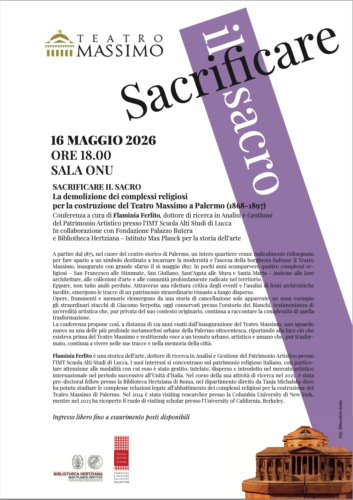
The poster
About
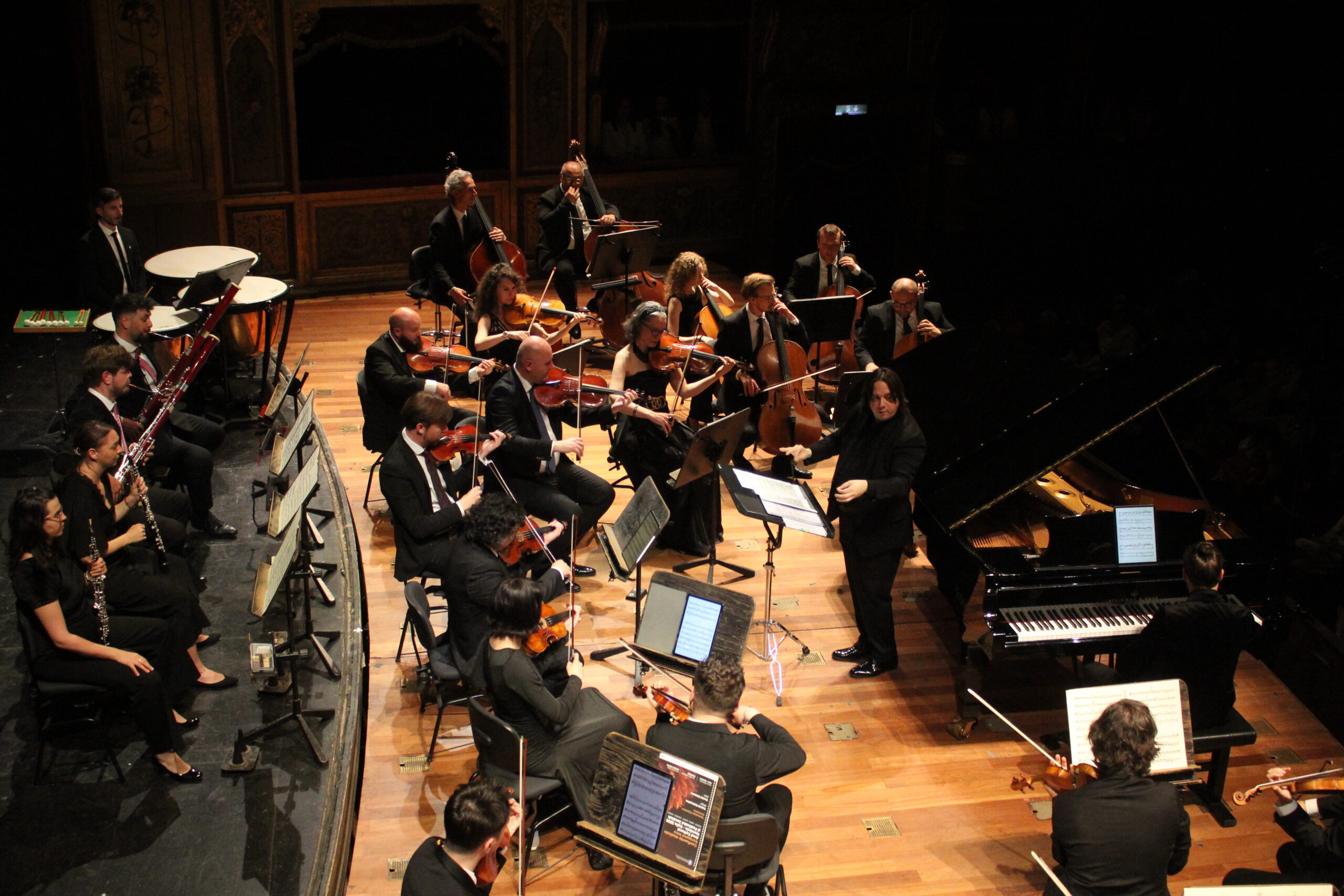
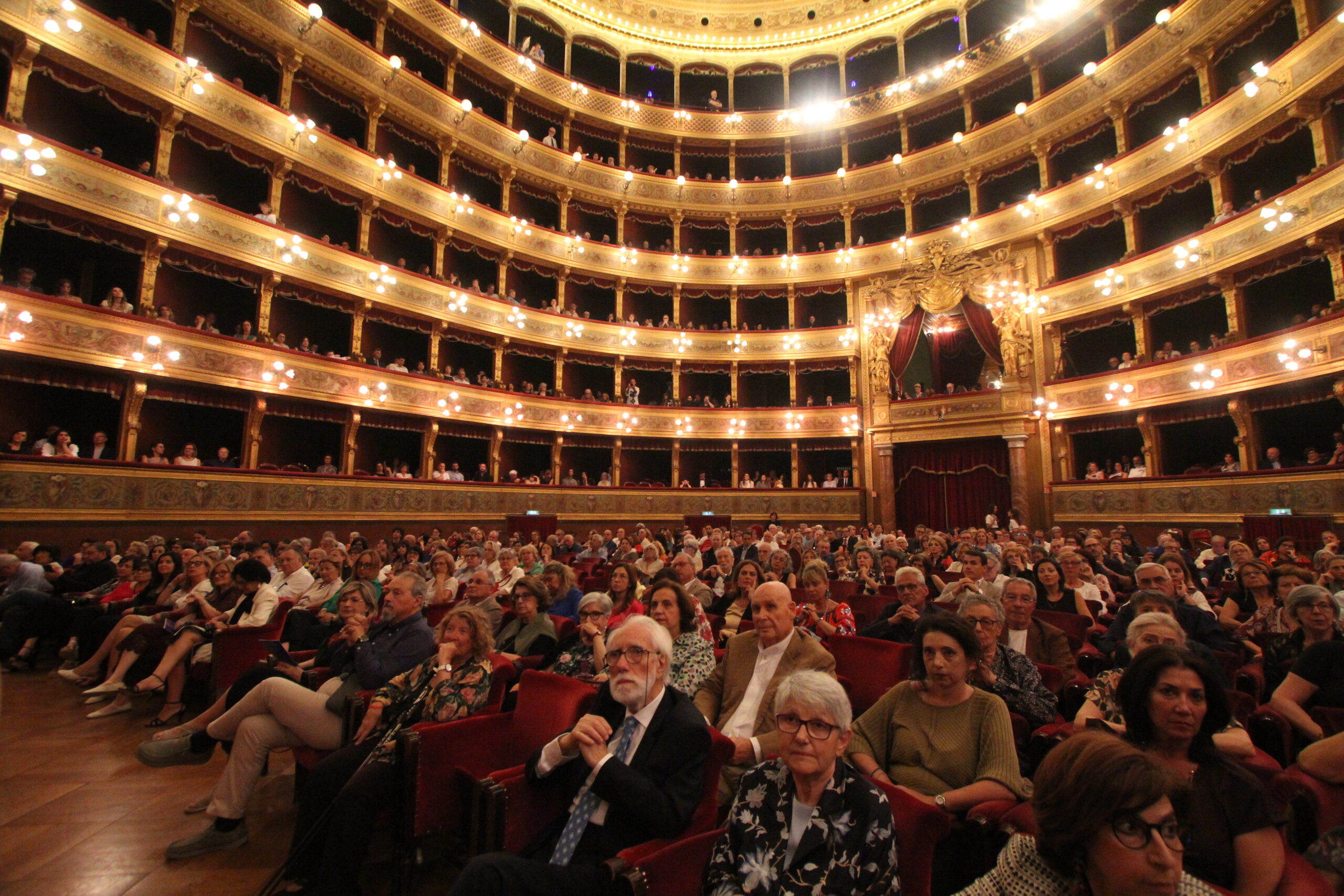
Wednesday June 3 2026, 8:30pm – Main Stage
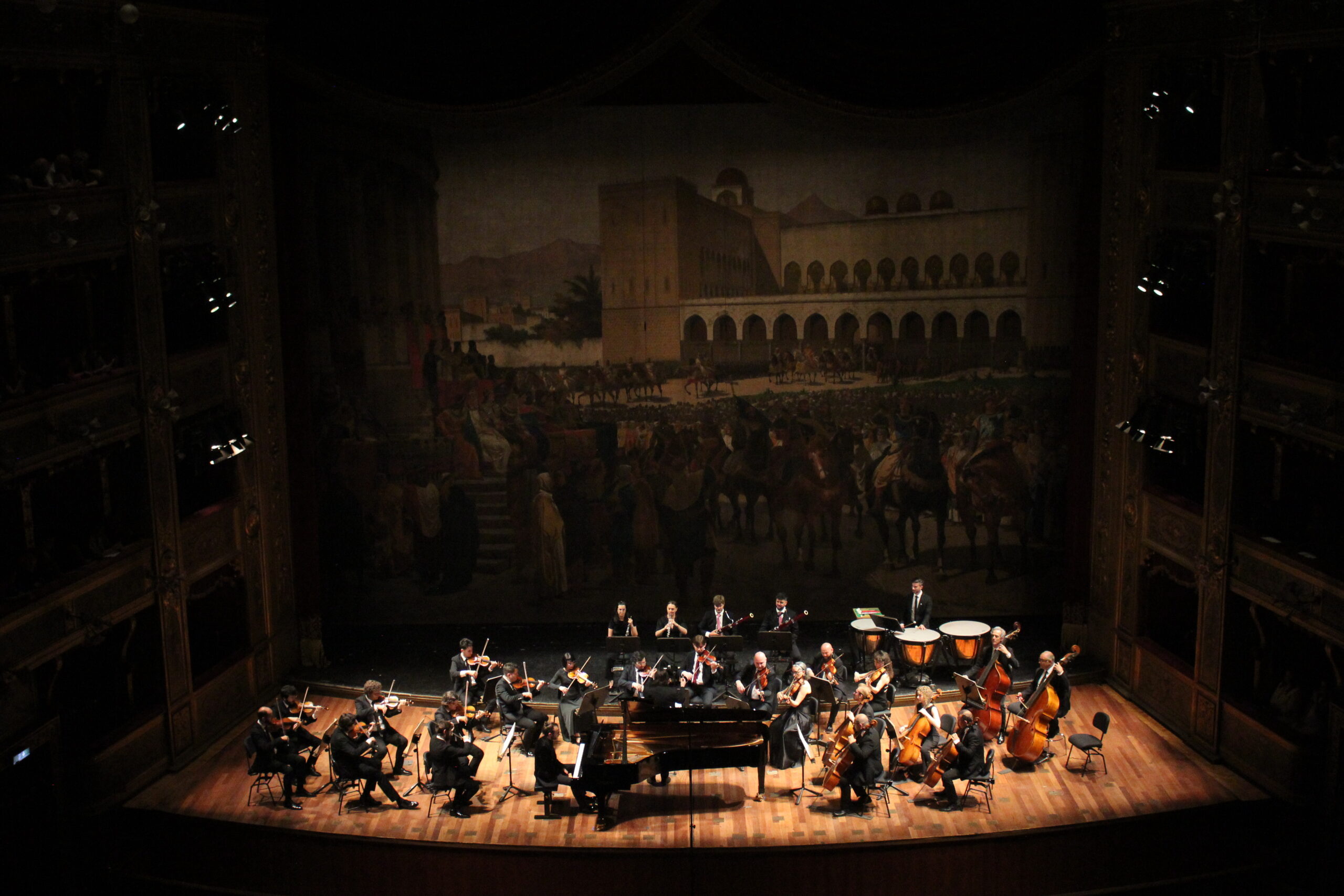
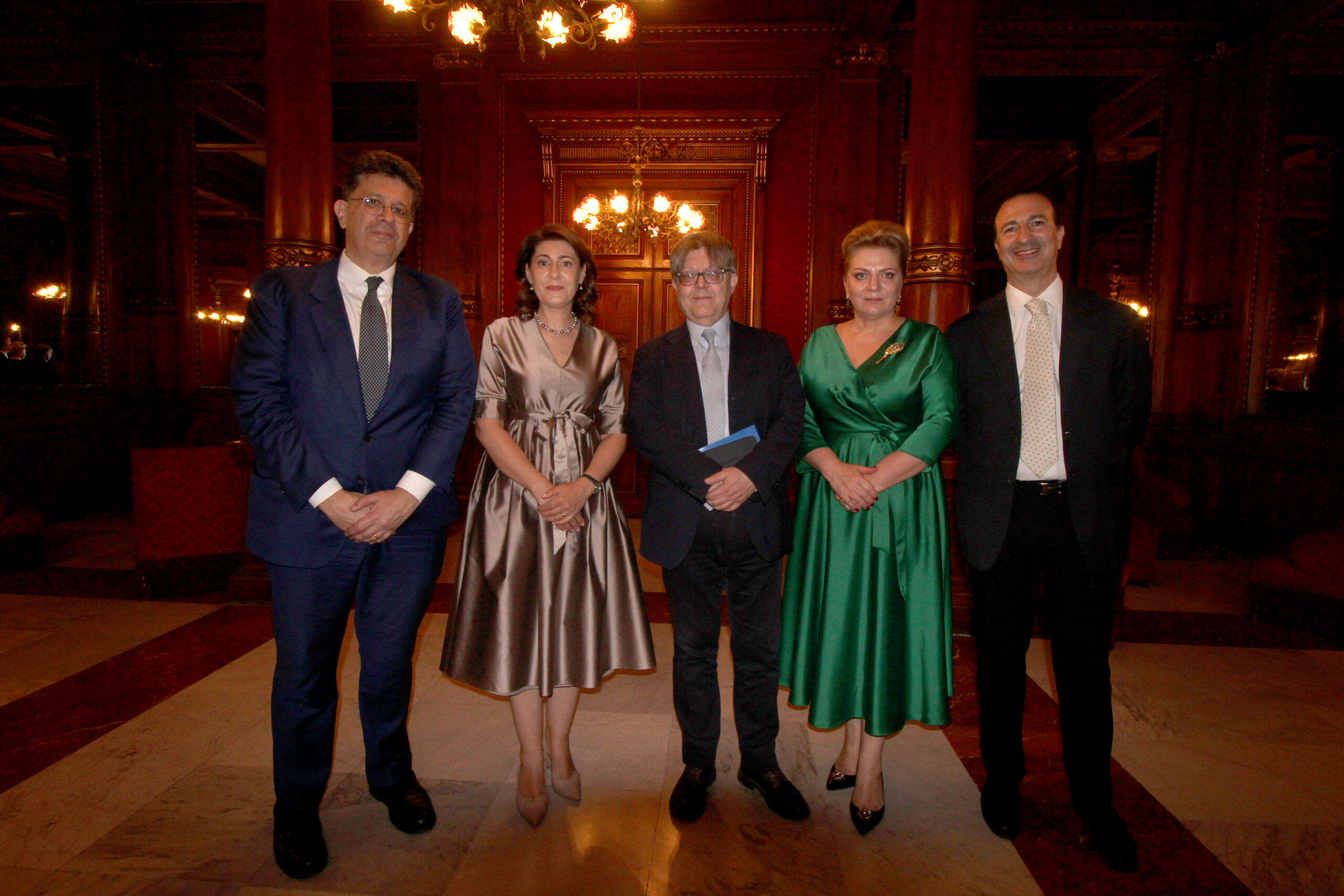
Romanian Chamber Orchestra
Cultural Year Romania – Italy 2026
Conductor Gabriel Bebeșelea
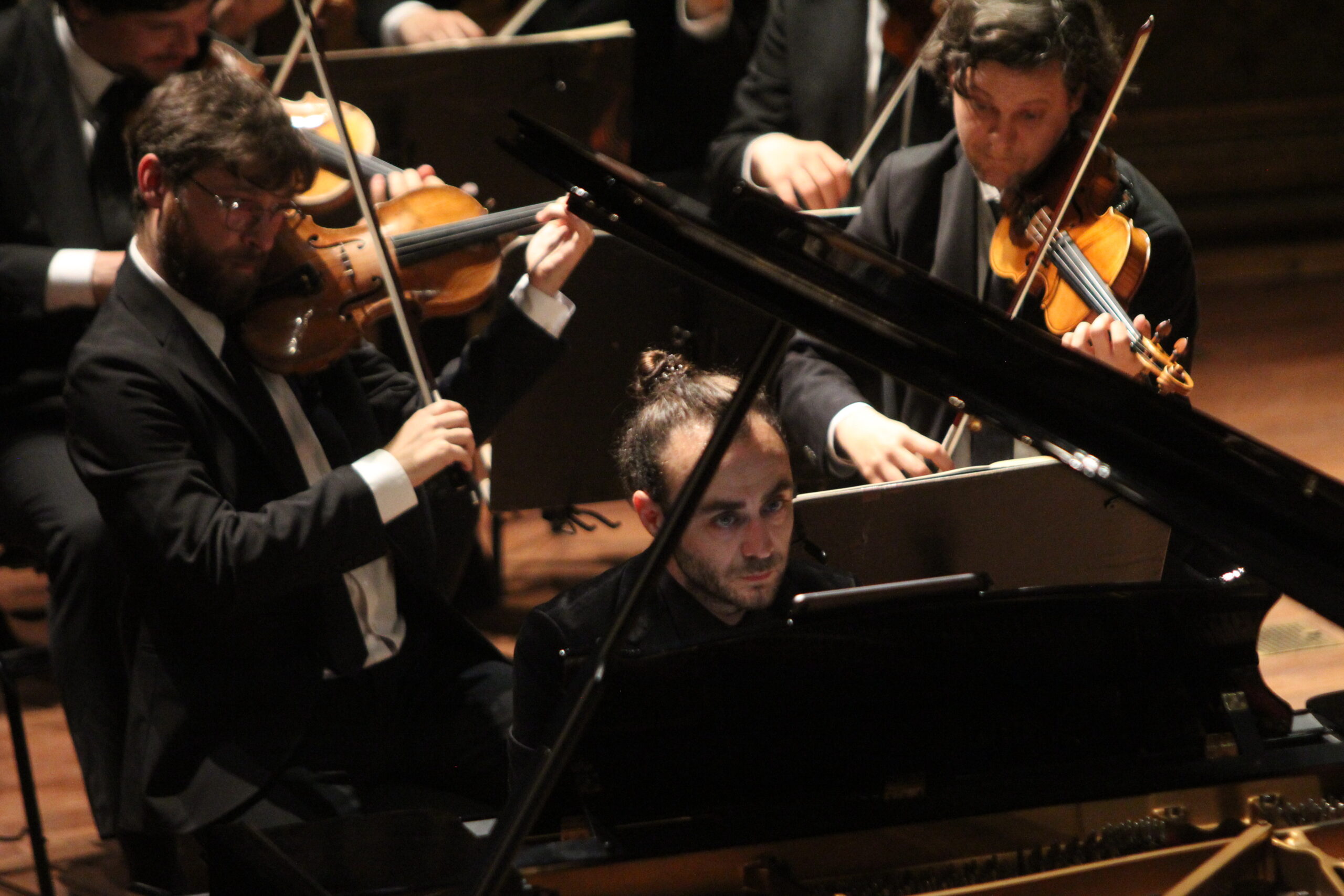
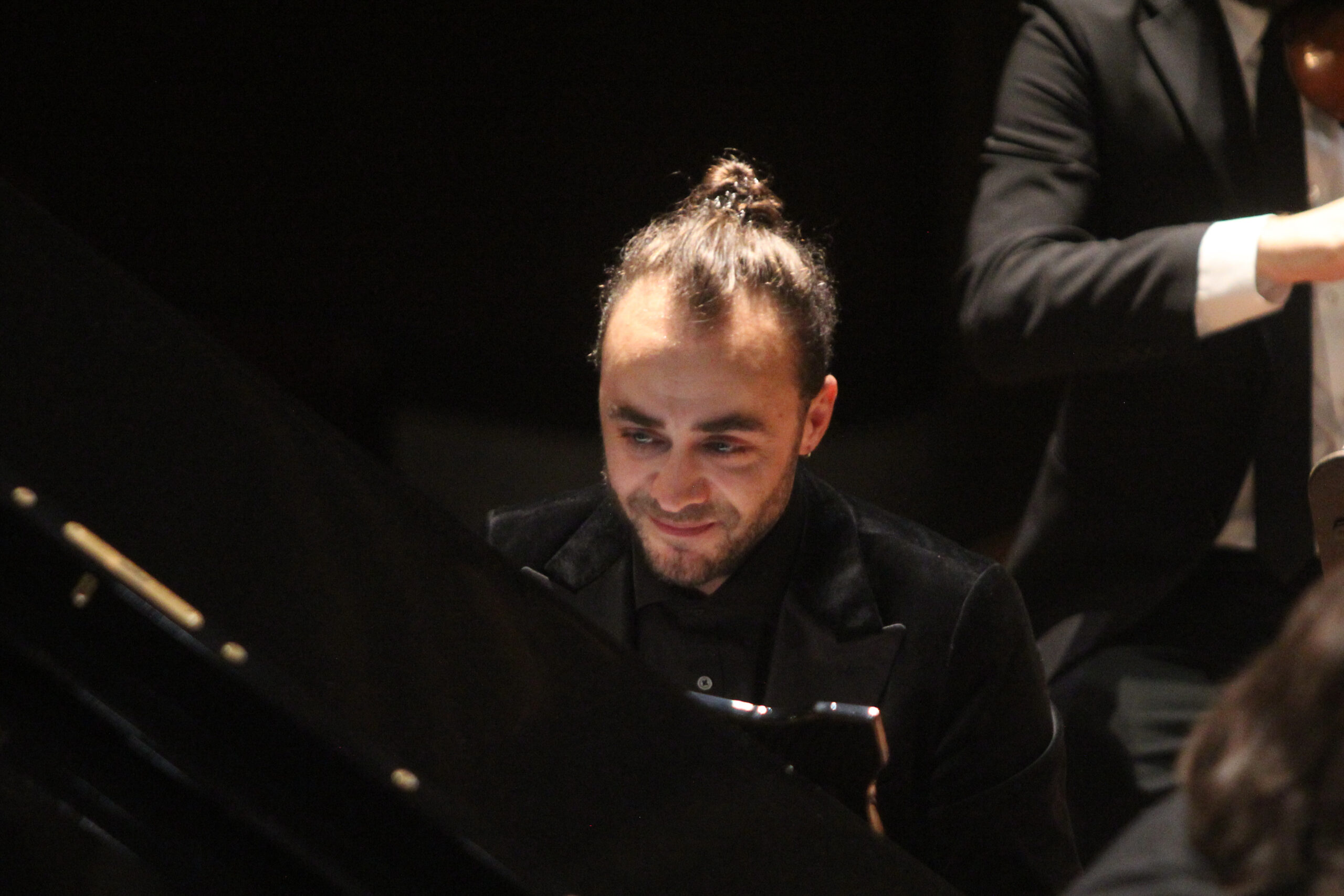
Piano Daniel Ciobanu
Romanian Chamber Orchestra
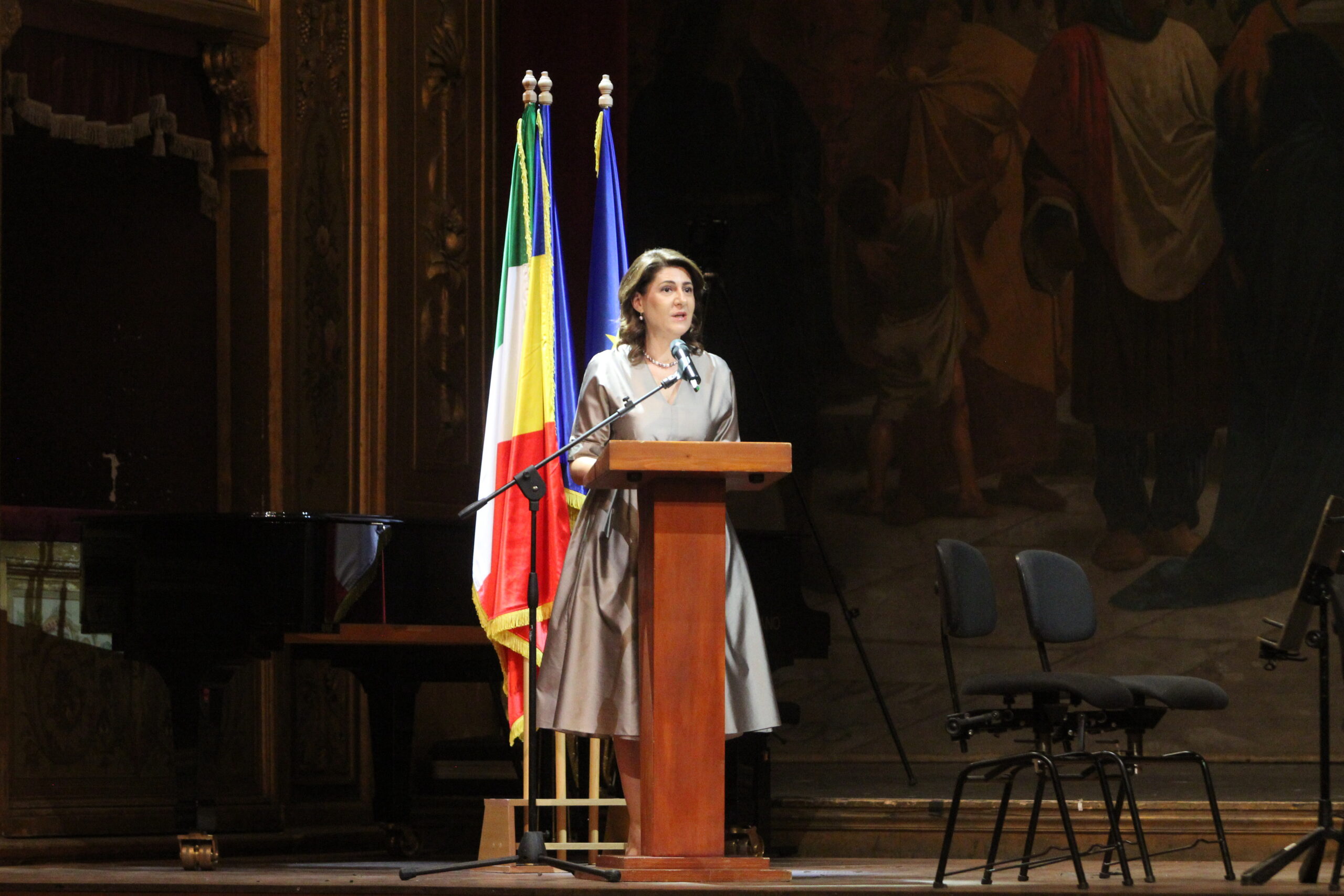
In collaboration with the Romanian Embassy in Italy
Admission to the concert is free.
Invitation tickets will be available to season ticket holders for the Teatro Massimo’s opera, ballet and concert season from Saturday 23 May, subject to availability.
From Thursday 28 May, tickets will also be available to the general public, subject to availability.
Programme
Béla Bartók
Romanian Folk Dances
(version for string orchestra)
Giuseppe Verdi
Allegro from the Quartet in E minor
(version for string orchestra)
Dinu Lipatti
Concertino in Classical Style op. 3
George Enescu
Octet op. 7
(version for string orchestra by Lawrence Foster)
Gallery
Also thanks to
About
Tuesday June 9 2026, 6pm – Sala ONU
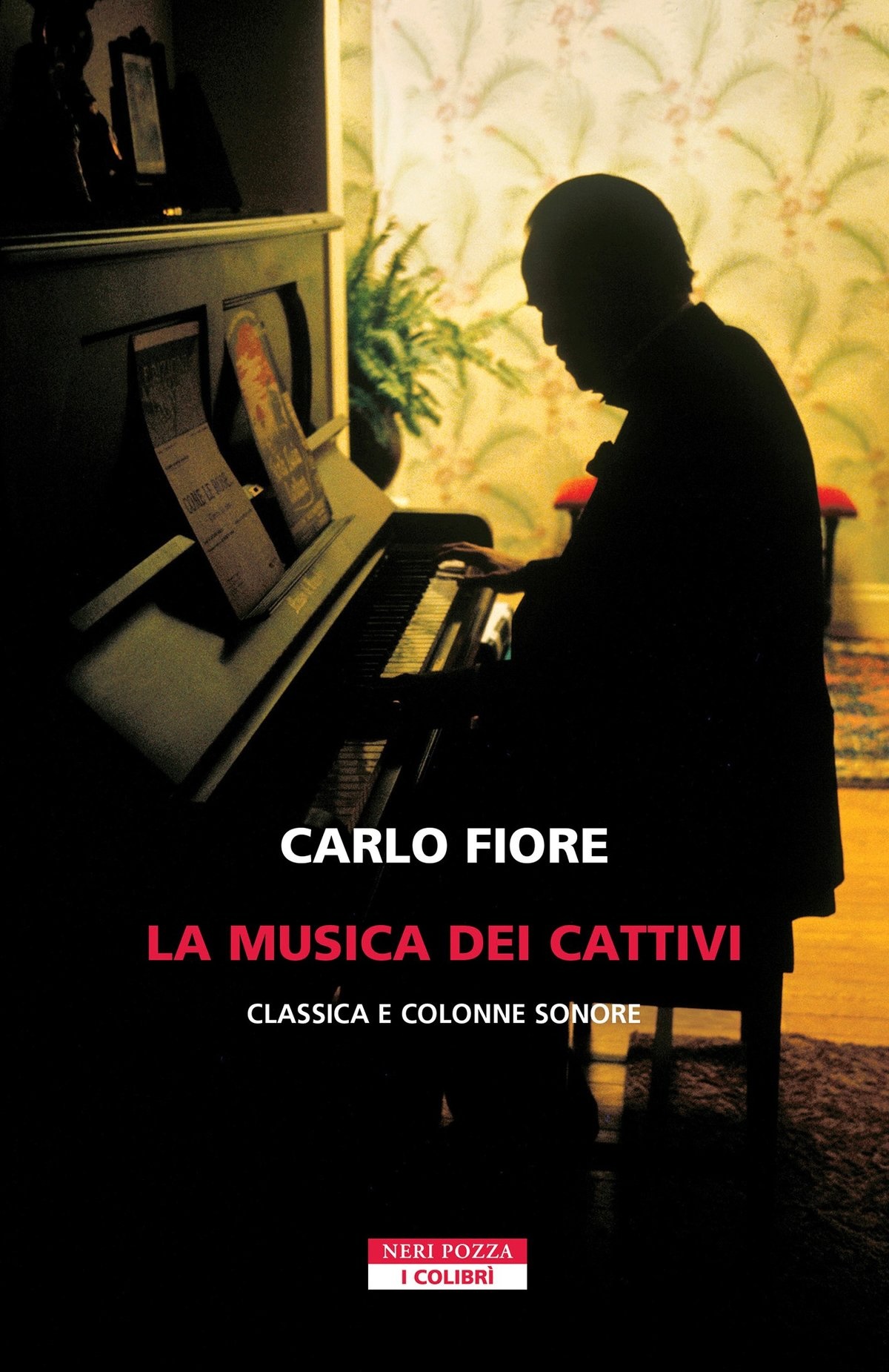
La musica dei cattivi.
Classica e colonne sonore
Presenting Carlo Fiore’s book and discovering how music portrays the eternal battle between light and shadow when we listen to it in films and TV series.
Carlo Fiore will discuss the book with Marco Betta, Salvo Palazzolo, Alessandro Rais and Simonetta Trovato.
The book presentation is held in Italian.
Free entrance
You can access the Sala Onu through the stairs located in the stage door area (on the right side of the main entrance, close to Via Pignatelli Aragona).
An accessible pathway, with no steps and the elevator, is also available (ask the staff for guidance).
The presentations are organized by Associazione Amici del Teatro Massimo.
About
Find out more
Uno spettro si aggira su schermi piccoli e grandi: l’idea che la musica classica sia per eccellenza “la musica dei cattivi”. Non c’è film o serie tv in cui assassino, terrorista, serial killer, scienziato pazzo, maniaco, megalomane, mafioso, mostro di ogni genere non ami la musica classica, non vada volentieri all’opera, quando non suona in prima persona uno strumento. Di più: se in sottofondo sentiamo un brano di musica classica, possiamo scommettere che sulla scena stia per accadere qualcosa di brutto, o che il personaggio in questione celi un certo grado di malignità. La trovata risale agli albori del cinema ma, sia pur nel mutare di personaggi e ambientazioni, ha finito per attestarsi come luogo comune: un grande equivoco che nel pubblico più assuefatto agli stereotipi dei media visivi ha insinuato, quantomeno, una forma di sospetto nei confronti di quest’arte. Come strumento di difesa e resistenza, Carlo Fiore passa in rassegna l’immaginario filmico occidentale: da M di Fritz Lang, in cui l’abietta figura di un assassino di bambini entra in scena fischiettando Grieg, alle serie tv degli anni Duemila in cui dominano le Variazioni Goldberg e i Carmina Burana, passando per i vampiri – il Dracula di Béla Lugosi così come quelli “a puntate” che frequentano licei e università americane. Senza dimenticare i pochi casi virtuosi, come il violino di Sherlock Holmes o il violoncello di Mercoledì Addams. Una ricognizione necessaria, dunque, per strappare la musica classica dal suo status di colonna sonora dei cattivi: per innamorarcene ancora.
The Book Cover
Carlo Fiore, La musica dei cattivi. Classica e colonne sonore
https://neripozza.it/libro/9788854532755
About
October 29 – 30 2026 |Main Stage
Aida anime di sabbia
from 8 to 14 years old | School Group Bookings from January 8 2026
Director Manu Lalli
Original music and arrangements Simone Piraino
Conductor Michele De Luca
Assistant Director Chiara Casalbuoni
Scene Designs Daniele Leone
Scene and Costume Making Marco Burberi, Paola Pietri, Ginevra Boni
Lighting Designs Vincenzo Traina
Teatro Massimo Orchestra and Chorus
Chorus Master Salvatore Punturo
A Teatro Massimo New Production
Cast
Educational Workshops Assistants Carla Barbato, Anton Giulio Pandolfo
Tickets
Full price: 12 €
Concession: 10 €
Students: 5 €
Free entrance for 1 teacher every 10 students, students with disabilities and their support teachers
Programme
The plot
Aida is not only a monumental opera set in an idealized Egypt, but a universal story that speaks of deep human emotions. The protagonists—Aida, Radamès, and Amneris—are young people overwhelmed by passions and ambitions greater than themselves, victims of an inexorable fate and a cruel and useless war. The opera thus becomes a reflection on love as the only way to give meaning to life.
Spoken parts of the performance are in Italian; a basic understanding of the language is adviced.
This is an event for school groups. In case seats are available to the general audience, they will be on sale on the same day of performance at the box-office.
Find out more about our Educational project for school groups.
INTRODUCTORY VIDEO
SINGING LESSON
Videos realized by Venti Lucenti