WebTV
The first opera of the 2023-24 Season
I Capuleti e i Montecchi
in live streaming
On November 26 – Teatro Massimo WebTv
Orario
On November 26 2023
at 5:20pm on the Teatro Massimo WebTV
About
Direttore Omer Meir Wellber
Soprano Desirée Rancatore
Mezzosoprano Chiara Amarù
Tenore René Barbera
Basso Gianluca Buratto
Orchestra e Coro del Teatro Massimo
Maestro del Coro Ciro Visco
In diretta streaming sulla WebTV del Teatro Massimo
Programme
Ludwig van Beethoven
Sinfonia n. 9 in Re minore op. 125
per soli, coro e orchestra
About
This event is in Italian.
Free entrance
You can access the Sala Onu through the stairs located in the stage door area (on the right side of the main entrance, close to Via Pignatelli Aragona).
An accessible pathway, with no steps and the elevator, is also available (ask the staff for guidance).
The presentations are organized by Associazione Amici del Teatro Massimo.
Programme
Stefano Lombardi Vallauri
presents Otello by Giuseppe Verdi.
About
February 8 2025, 8:30 p.m.| Sala Onu
Conductor Michele De Luca
Massimo Youth Orchestra
Music by Johann Sebastian Bach, Antonio Vivaldi, Alessandro Scarlatti
Concert included in the training and artistic growth of the Youth Ensembles of the Teatro Massimo Foundation
Biglietti
The concert is
SOLD OUT
Tickets
Full price: 10€ / Concession: 8€
About
Wednesday December 10 2025, 6pm – Sala ONU
This event is in Italian.
Free entrance
You can access the Sala Onu through the stairs located in the stage door area (on the right side of the main entrance, close to Via Pignatelli Aragona).
An accessible pathway, with no steps and the elevator, is also available (ask the staff for guidance).
The presentations are organized by Associazione Amici del Teatro Massimo.
Programme
Ilaria Grippaudo
presents La bohème by Giacomo Puccini
About
Thursday, February 19, 2026 | Main Stage
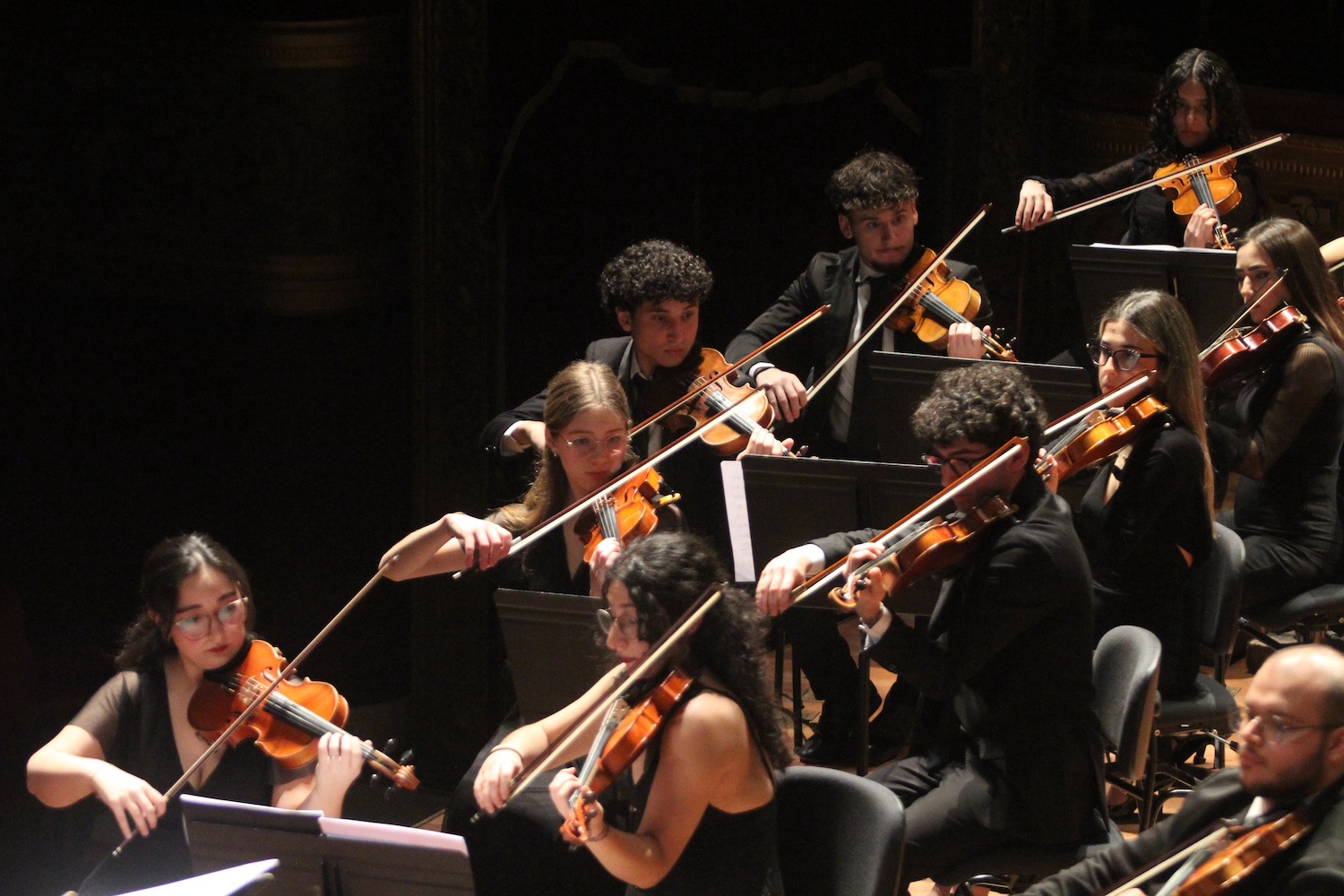
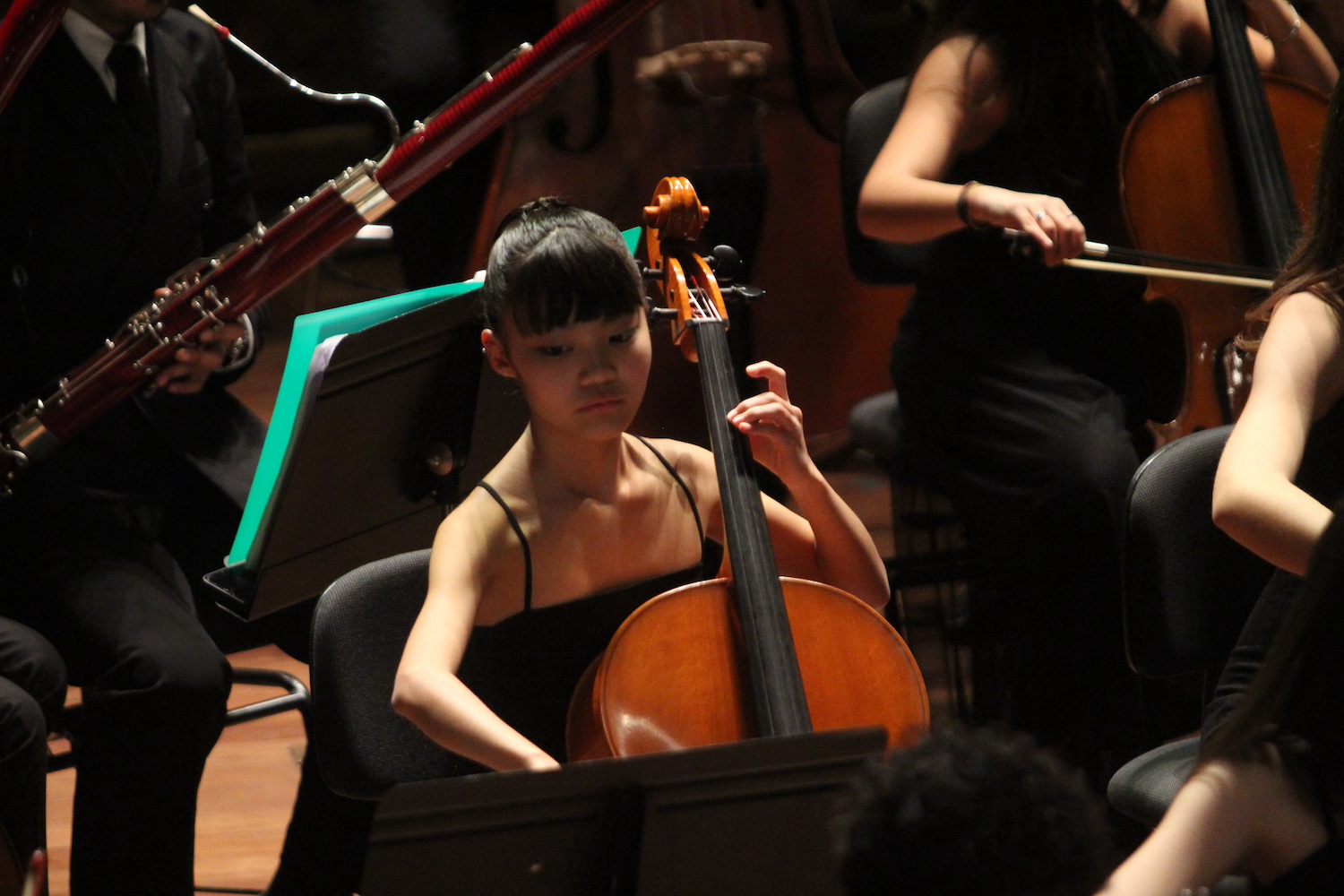
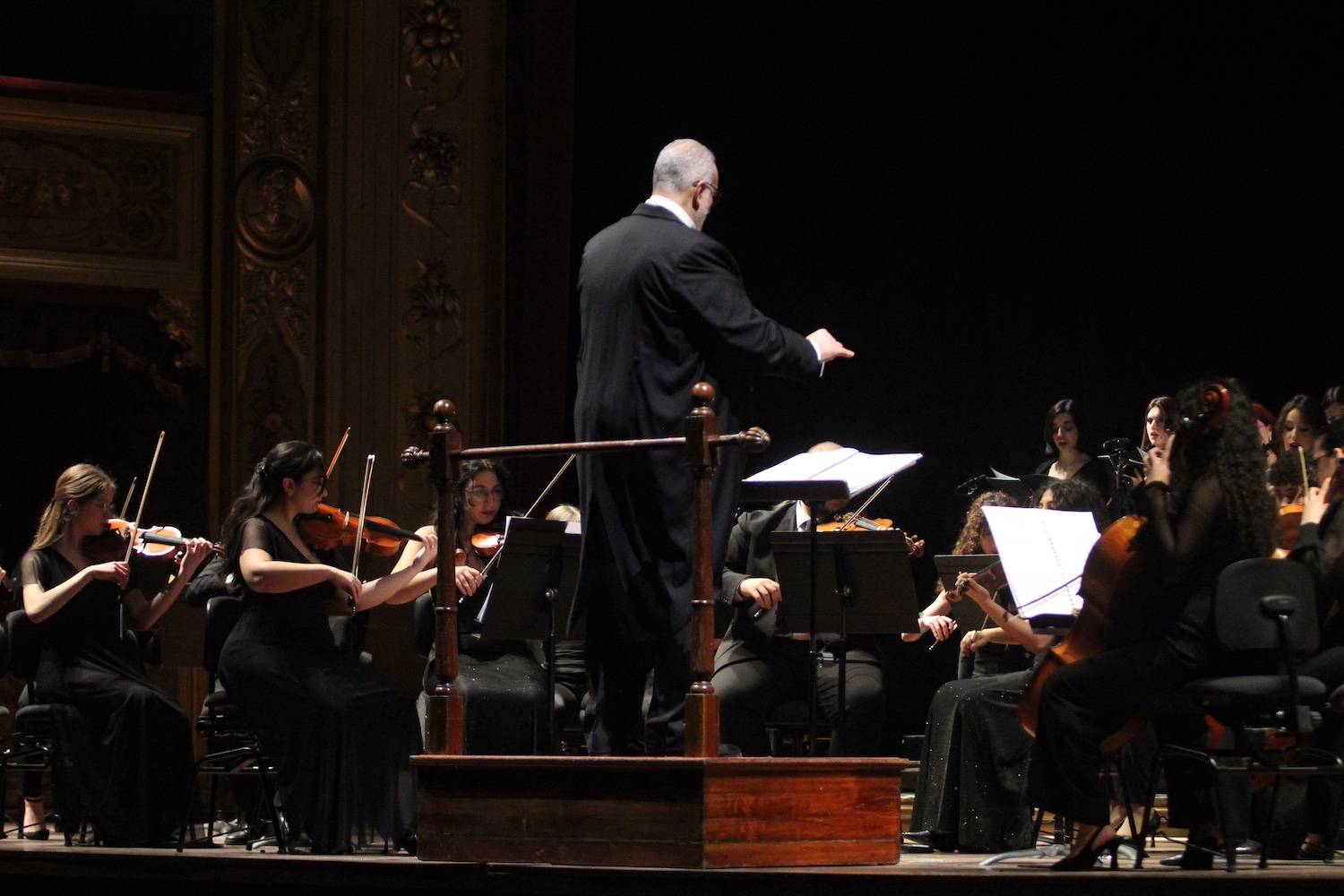
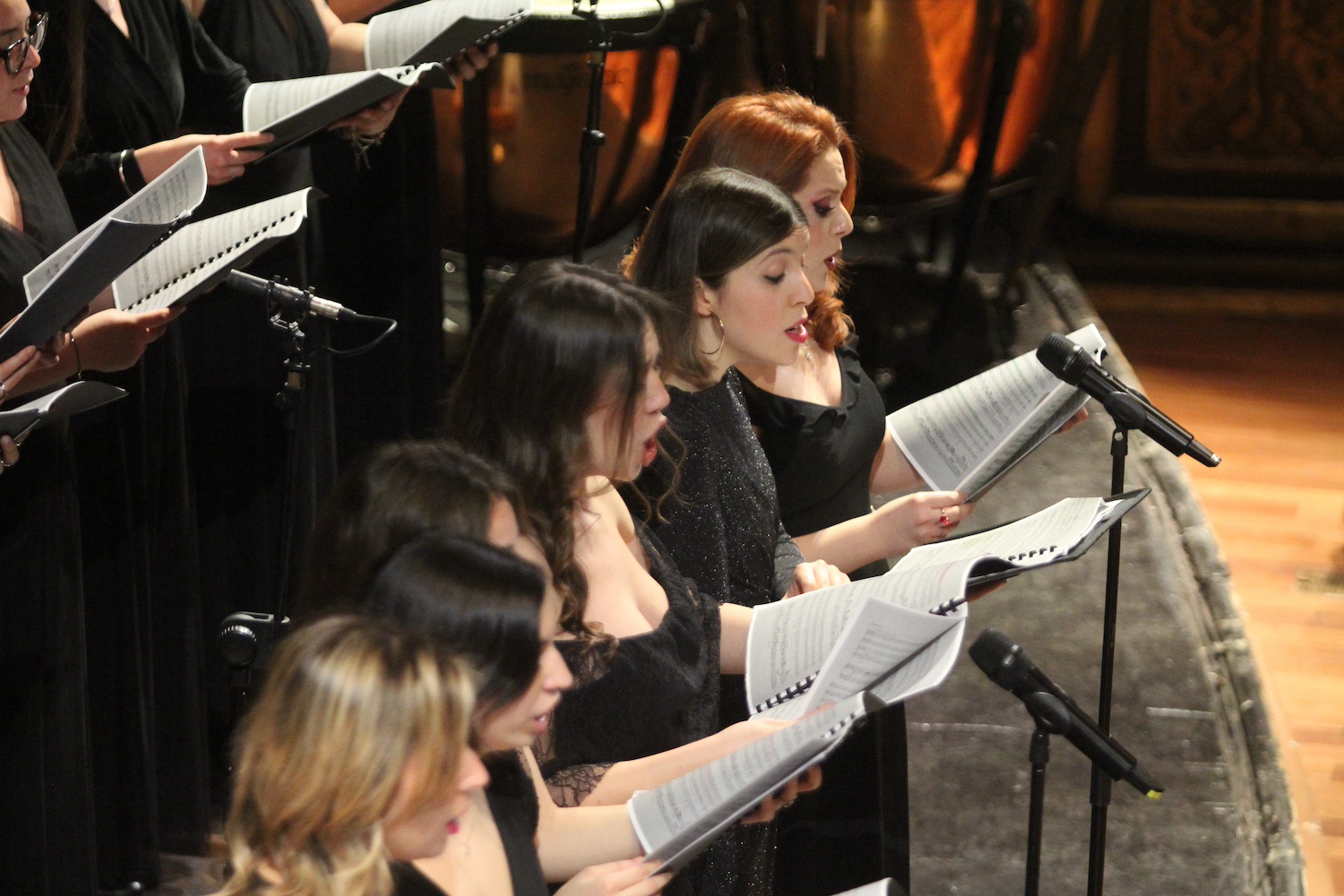
Mozart, Beethoven: the sacred, the heroic
Teatro Massimo Cantoria
Massimo Youth Orchestra
Conductor Michele De Luca
Chorus Master Giuseppe Ricotta
Tickets
from 10 to 25 euros
Programme
Wolfgang Amadeus Mozart
Missa Brevis in B flat minor, K 275/272B (Mass.no.14)
Ludwig van Beethoven
Simphony n° 5 in C minor, op. 67
Gallery
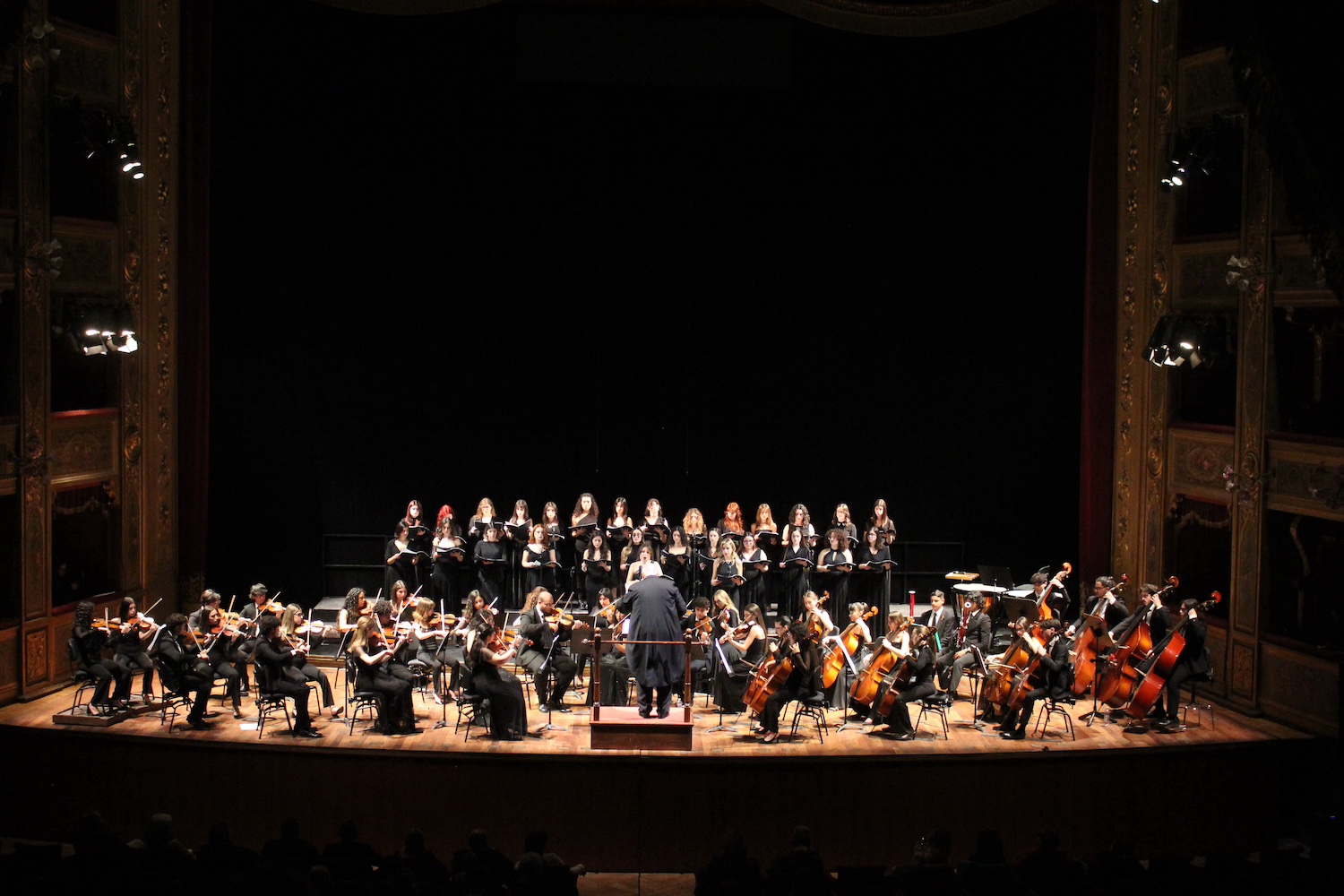
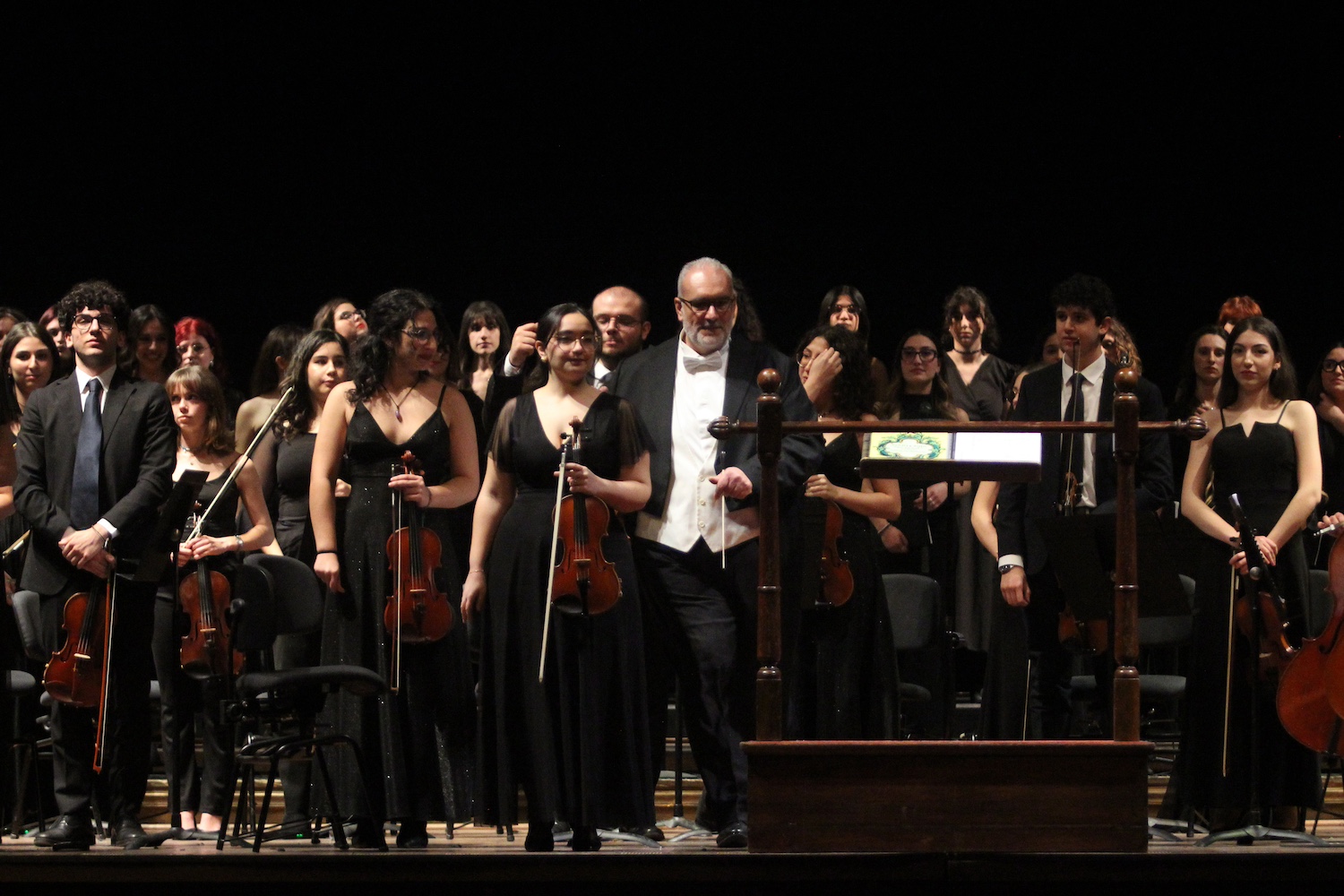
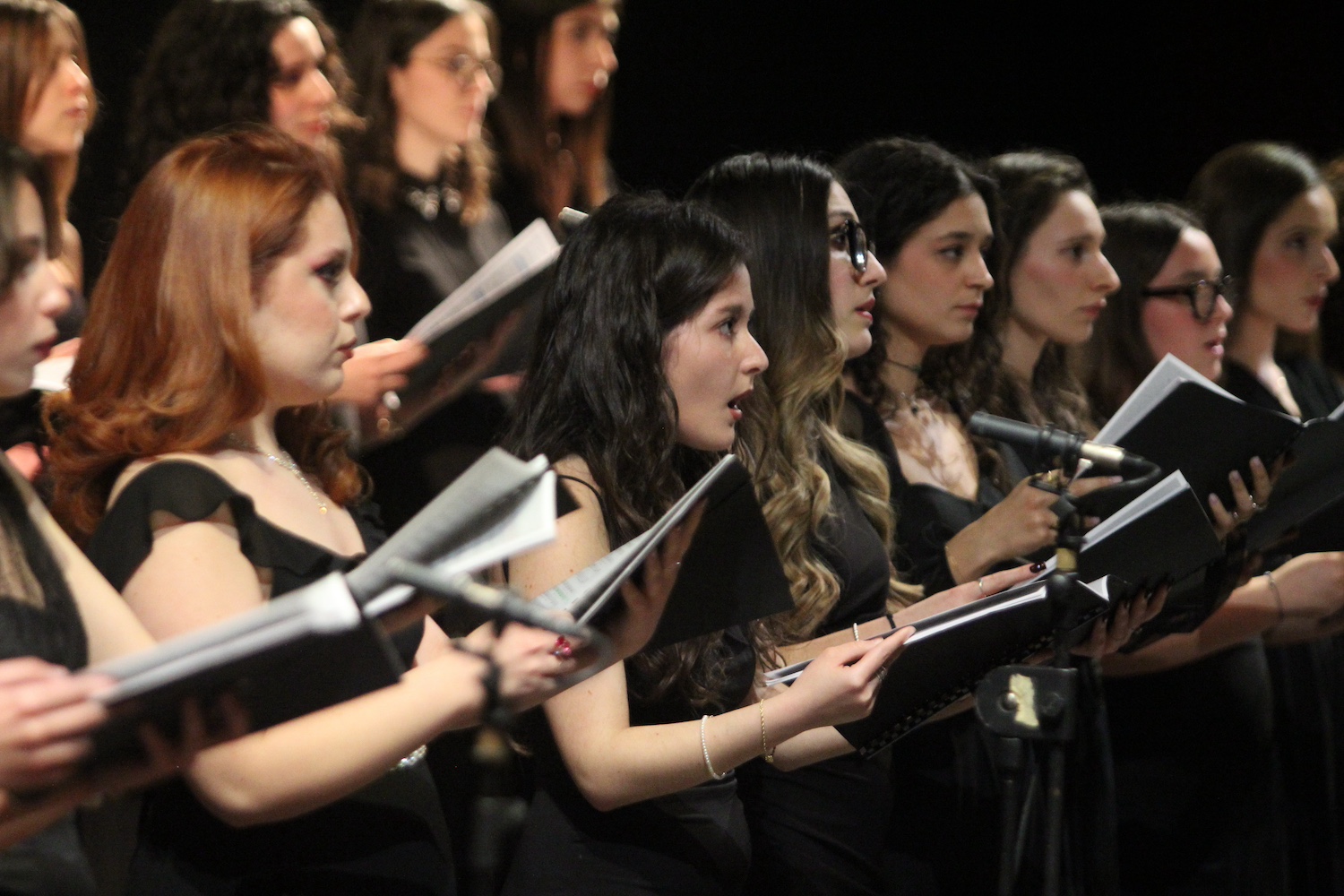
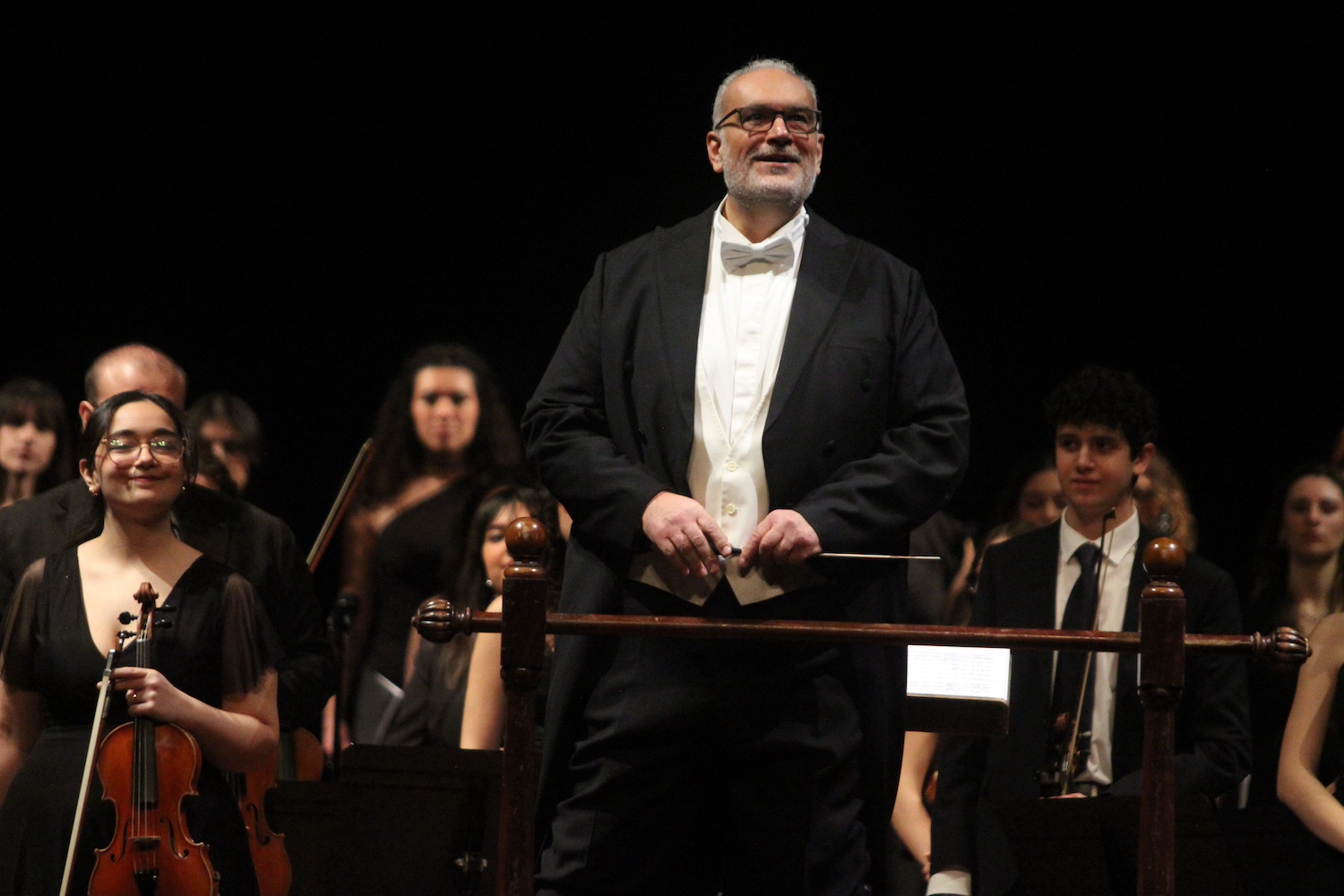
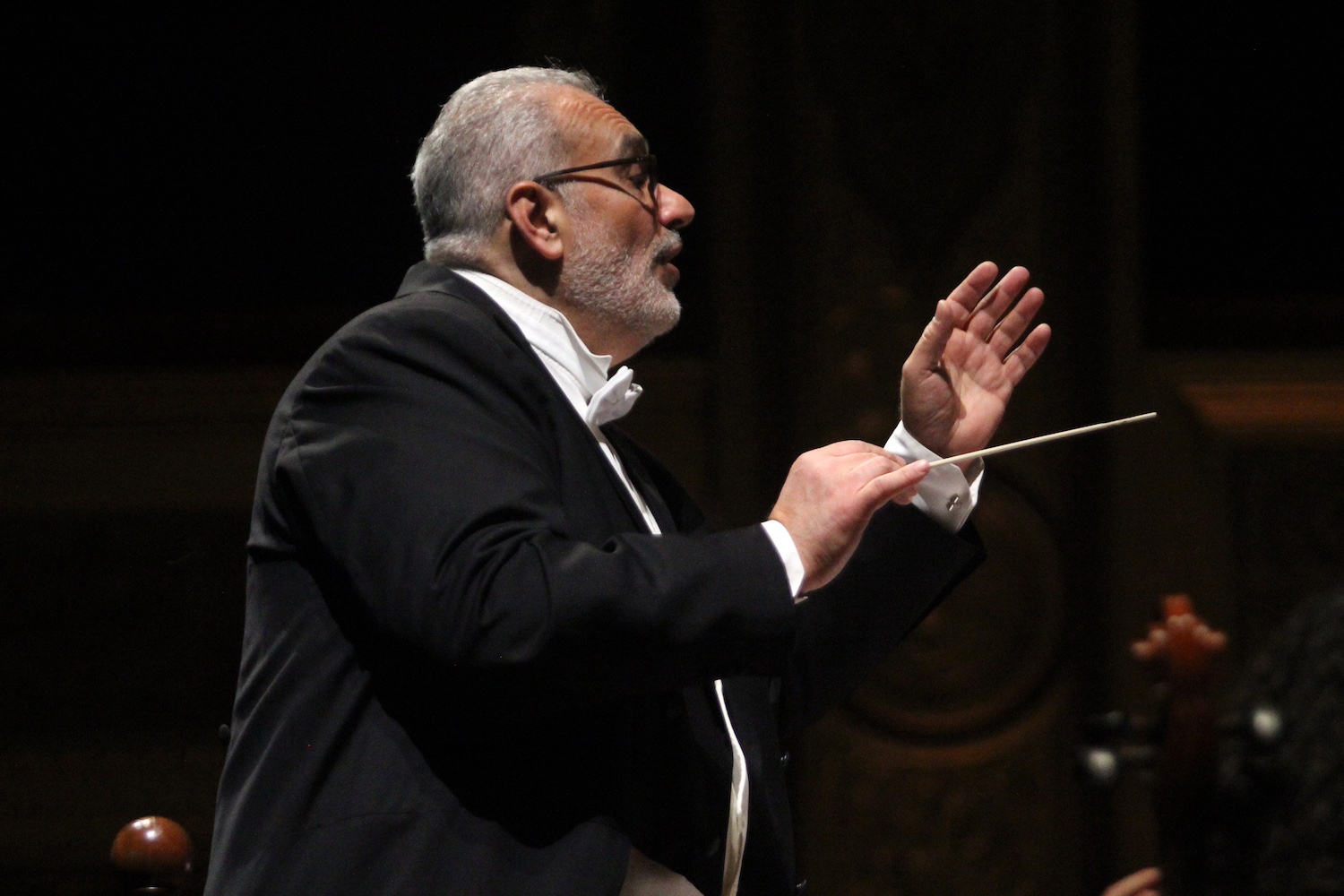
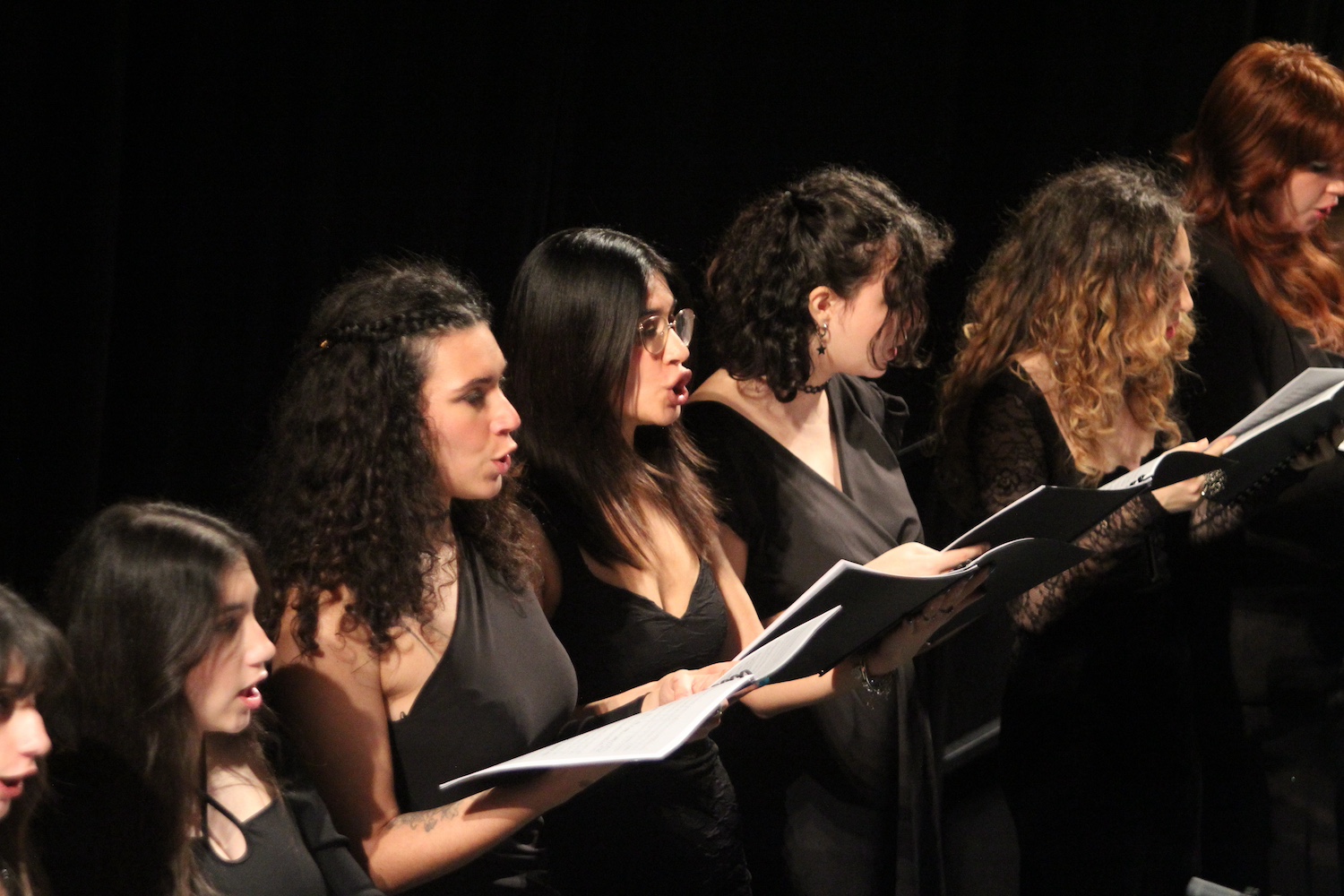
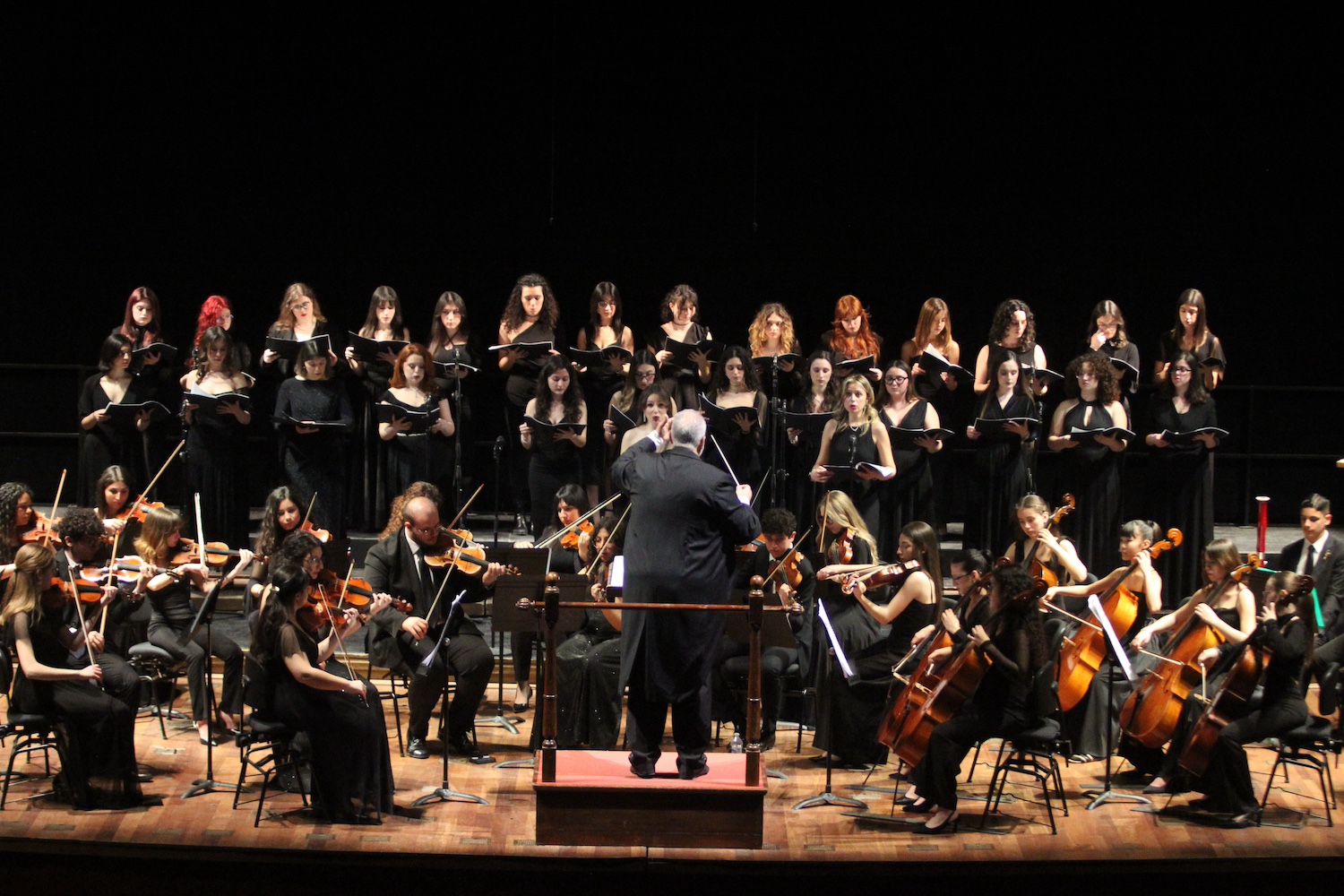
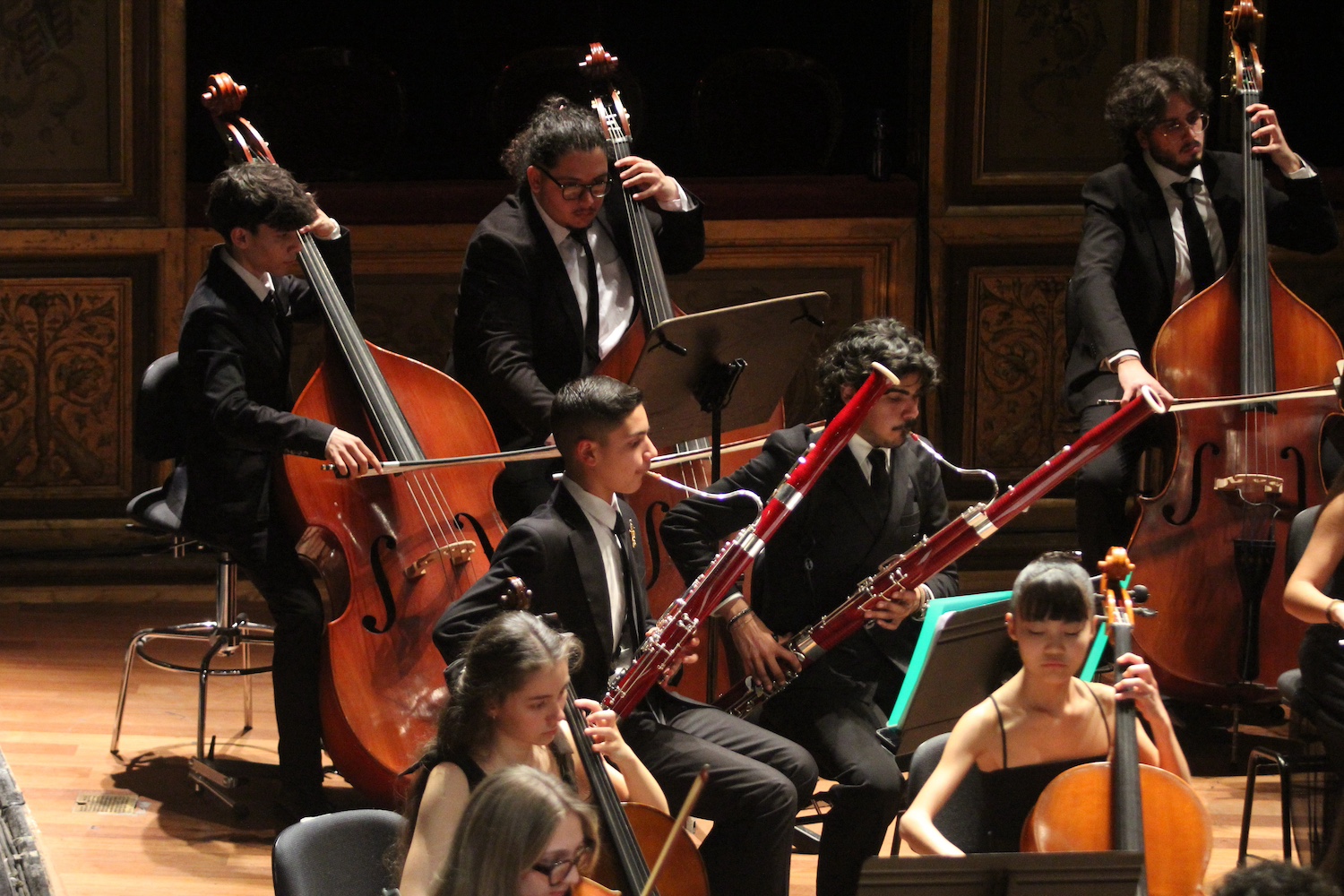
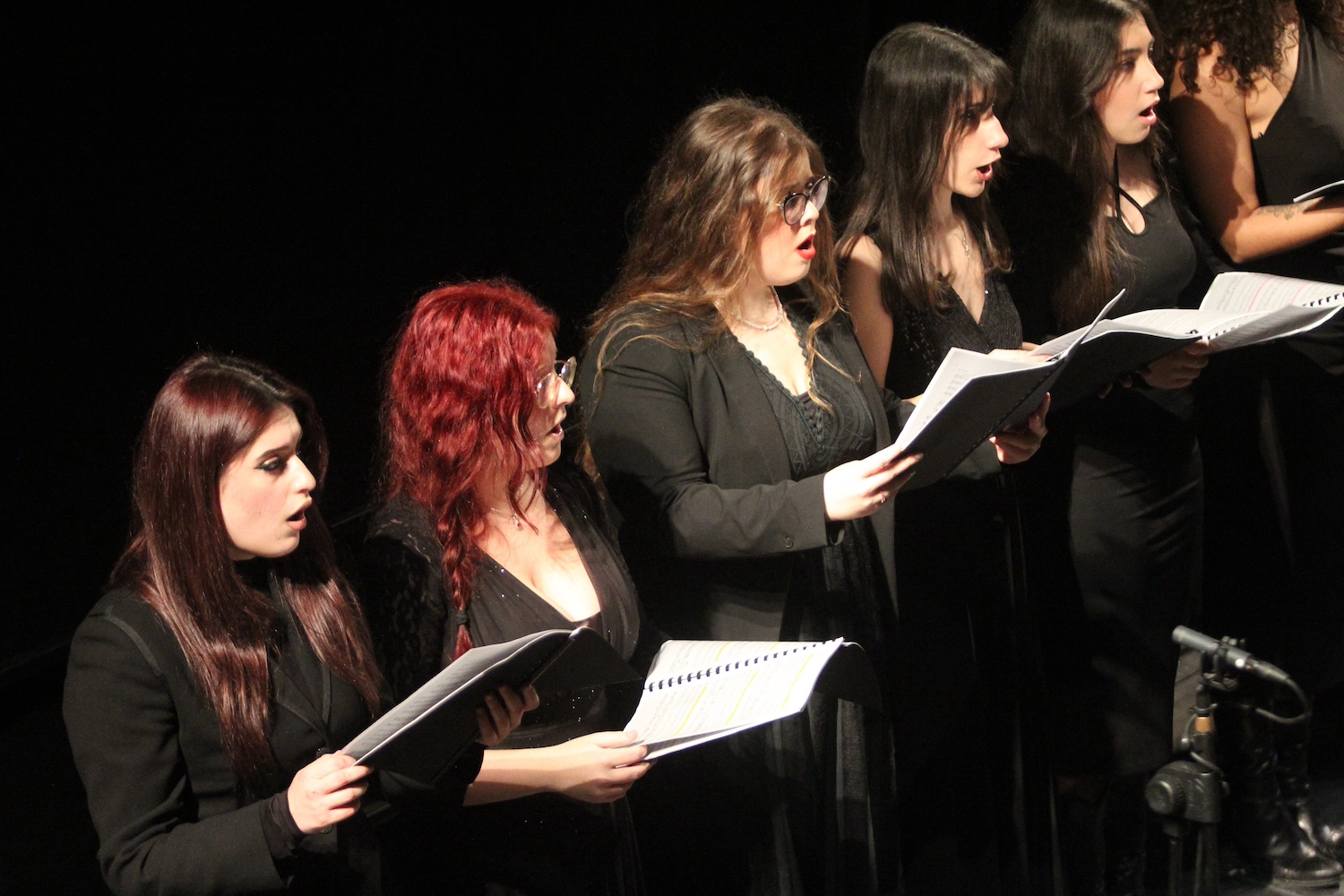
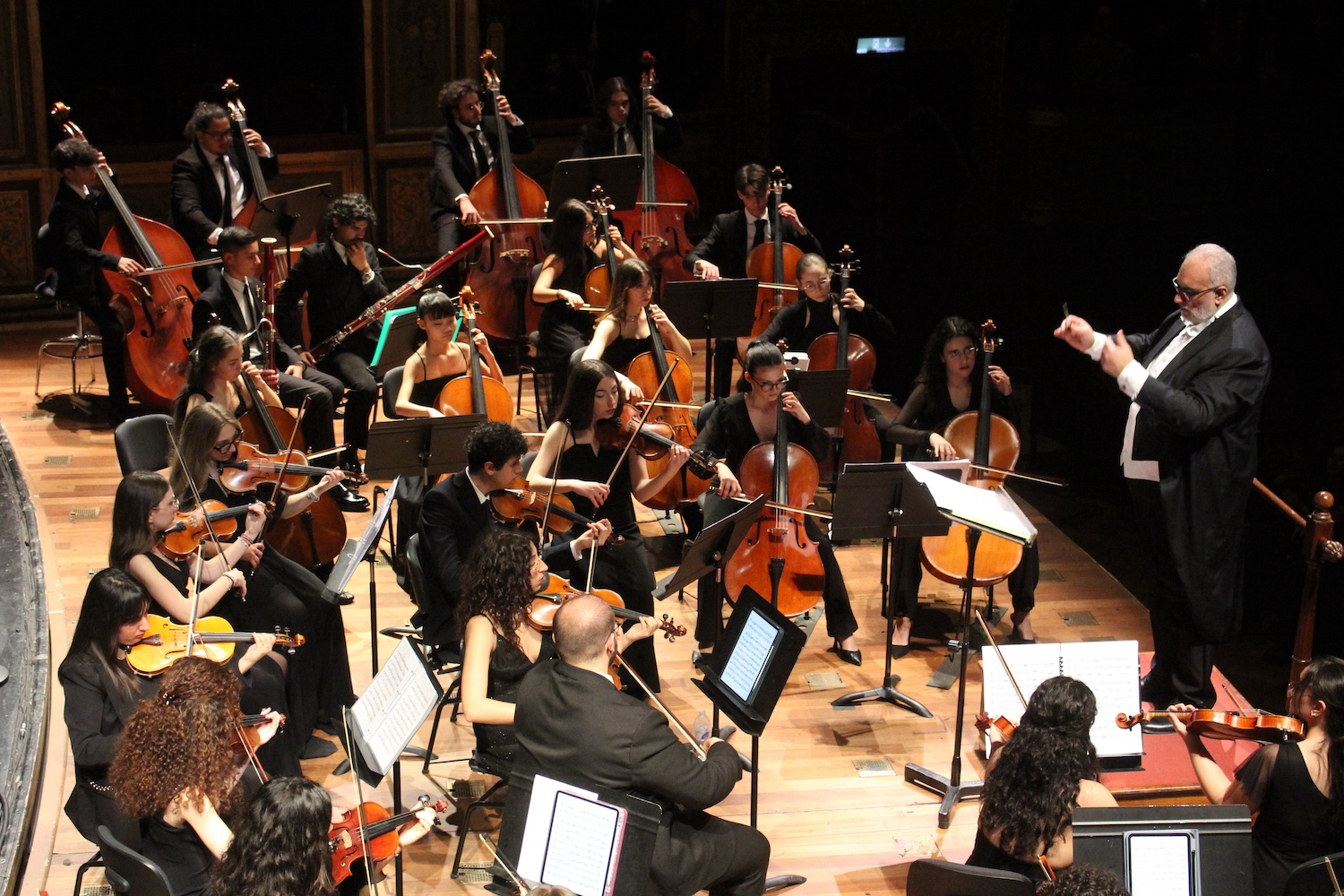
Ph. Franco Lannino
About
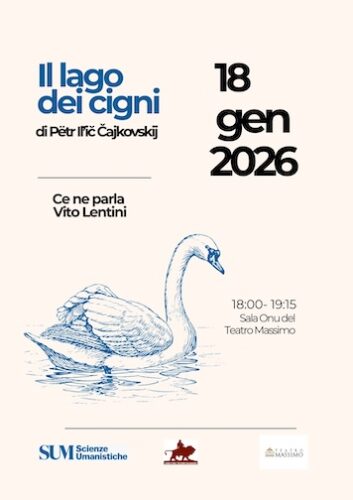
Sunday, January 18 2026, 6pm – Sala ONU
This event is in Italian.
Free entrance
You can access the Sala Onu through the stairs located in the stage door area (on the right side of the main entrance, close to Via Pignatelli Aragona).
An accessible pathway, with no steps and the elevator, is also available (ask the staff for guidance).
The presentations are organized by Associazione Amici del Teatro Massimo.
Programme
Vito Lentini
presents the ballet Swan Lake by Pëtr Il’ič Čajkovskij
Poster
About
Sunday May 3 2026, 7.30pm – Church “Nostra Signora delle Nazioni in S. Eugenio Papa”
The Massimo for the City of Palermo – The Teatro Massimo Chorus
Conductor Salvatore Punturo
Teatro Massimo Chorus
Teatro Massimo Youth Chorus
Piano Claudio Marchetti
Free entrance
Programme
Gioachino Rossini
Trois choeurs religieux for solo soprano, chorus and piano
1. La Foi
2. L’Espérance 3. La Charité
Soprano Martina Bianculli
Gaetano Donizetti
“Che interminabile andirivieni” from Don Pasquale
Giuseppe Verdi
“Noi siamo zingarelle” e “Di Madride noi siam mattadori” from La traviata
Witches’ Choruses from Macbeth: “Che faceste” – “S’allontanarono” – “Tre volte miagola”
Pëtr Il’ič Čajkovskij
Female Peasants’ Chorus from Evgenij Onegin
Ruggero Leoncavallo
“Don din! Don din!” Chorus from Pagliacci
Gioachino Rossini
“Conciosiacosacchè” Don Magnifico’s aria from Cenerentola
Baritone Cosimo Diano
Georges Bizet
“Dans l’air nous suivons des yeux” and “Au secours”, from Carmen
About
Tuesday, August 10 2021, 09:15 pm
Please notice that a Digital Covid Certificate (Green Pass) is required to accesso the Teatro di Verdura.
Conductor Michele De Luca
Chorus Master Salvatore Punturo
Massimo Kids Orchestra
Cantoria, Youth Chorus and Rainbow Chorus of the Teatro Massimo
Coro di Danisinni
Master of the Coro di Danisinni Manlio Messina
Programme
Wolfgang Amadeus Mozart
Contredance for orchestra in C major “La Bataille”
Three German dances K 605
Ave verum corpus K 618
Leopold Mozart
Sinfonia dei giocattoli (Kindersinfonie)
Alberto Maniaci
Siamo piccoli cantori
Naohiro Iwai
Disney Fantasy
Salvatore Scinaldi
Drep West
John Williams
Highlights from Harry Potter (arr. Michael Story)
Ramin Djawadi
Game of thrones
Giuseppe Ricotta
Soffio d’eterno
Simone Piraino
Omaggio a Dante Alighieri
Antonín Dvořák
Antonín’s New World (arr. Dizzy Stratford)
Salvatore Nogara
Kids Tango
New Guidelines for the Audience
All the people who will access the Teatro Massimo or the Teatro di Verdura are required to take a few minutes to read the guidelines. Bear in mind that you are required to wear a face mask at all times, measure your body temperature upon arrival to the opera house, keep a physical distance of at least one metre from other people and sit in your selected seat.
Where to buy your tickets
At the Box-office, online on TicketOne.it, by calling the call centre. On performance days the Teatro di Verdura box-office is open from 7.15pm.
Concessions
Under 26, Under35 Card holders, 2020 subscribers, #iorinuncio al rimborso donors, students of the University of Palermo, Palermo Conservatory of Music and Palermo Academy of Arts, Uncalm, groups (at least 20 people for the same date), Diamond Card holders. 6 seats in section 1 are reserved for people with disabilities and their companions for each performance (at the fare of gradinata) - check with the box-office for further info. You will be required to show your ID/certificate to get the concession price.