About
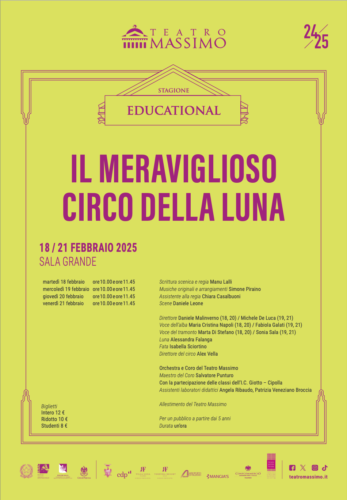
18 – 21 February, 2025 | Sala Grande, Teatro Massimo
from 5 to 13 years old | Bookings from 25 November, 2024
Written and directed by Manu Lalli
Original music and arrangements Simone Piraino
Teatro Massimo Orchestra and Chorus
Chorus Master Salvatore Punturo
Tickets
Students 5 €
Full price 12 €
Reduced price 10 €
For more information
Programme
The plot
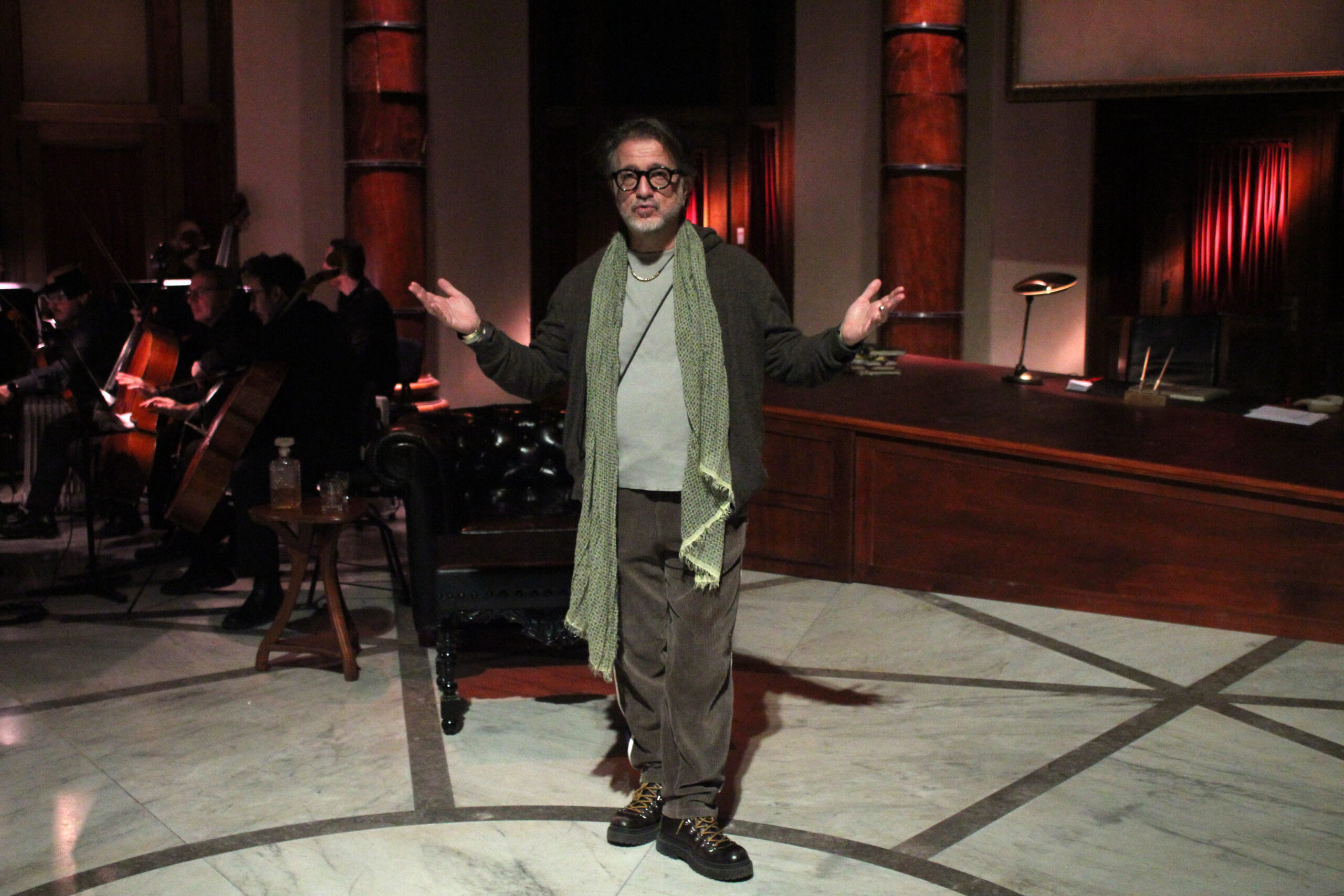
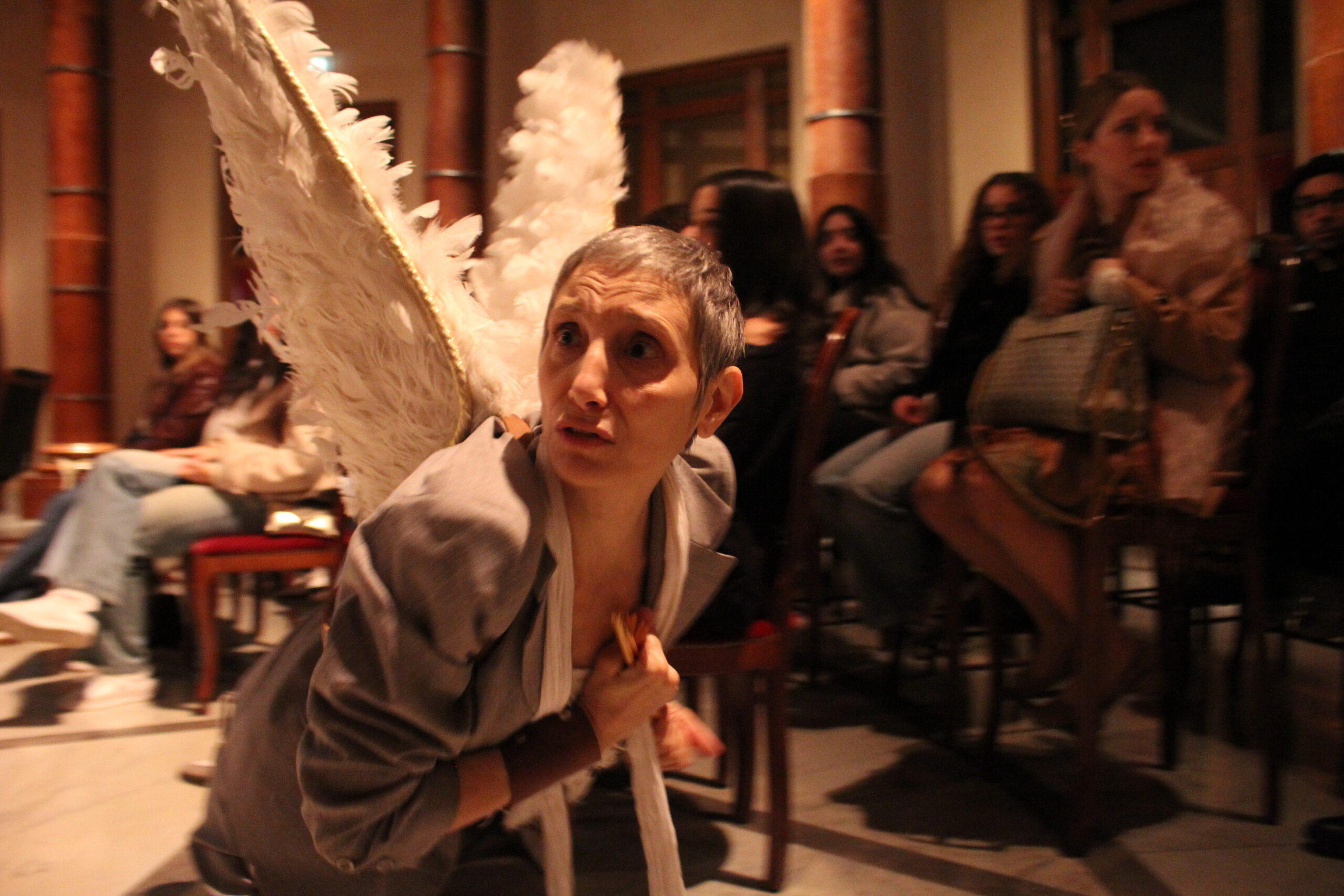
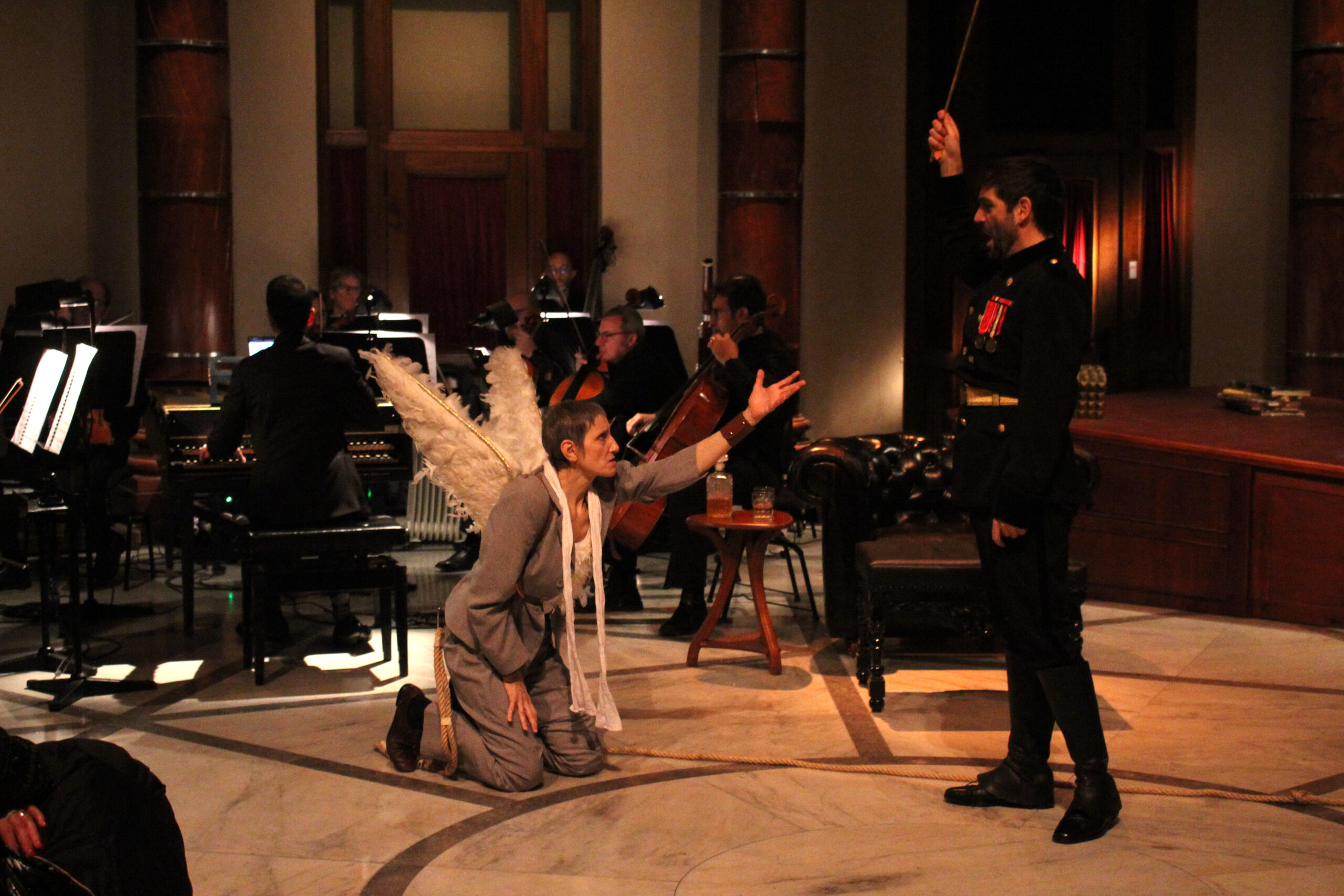
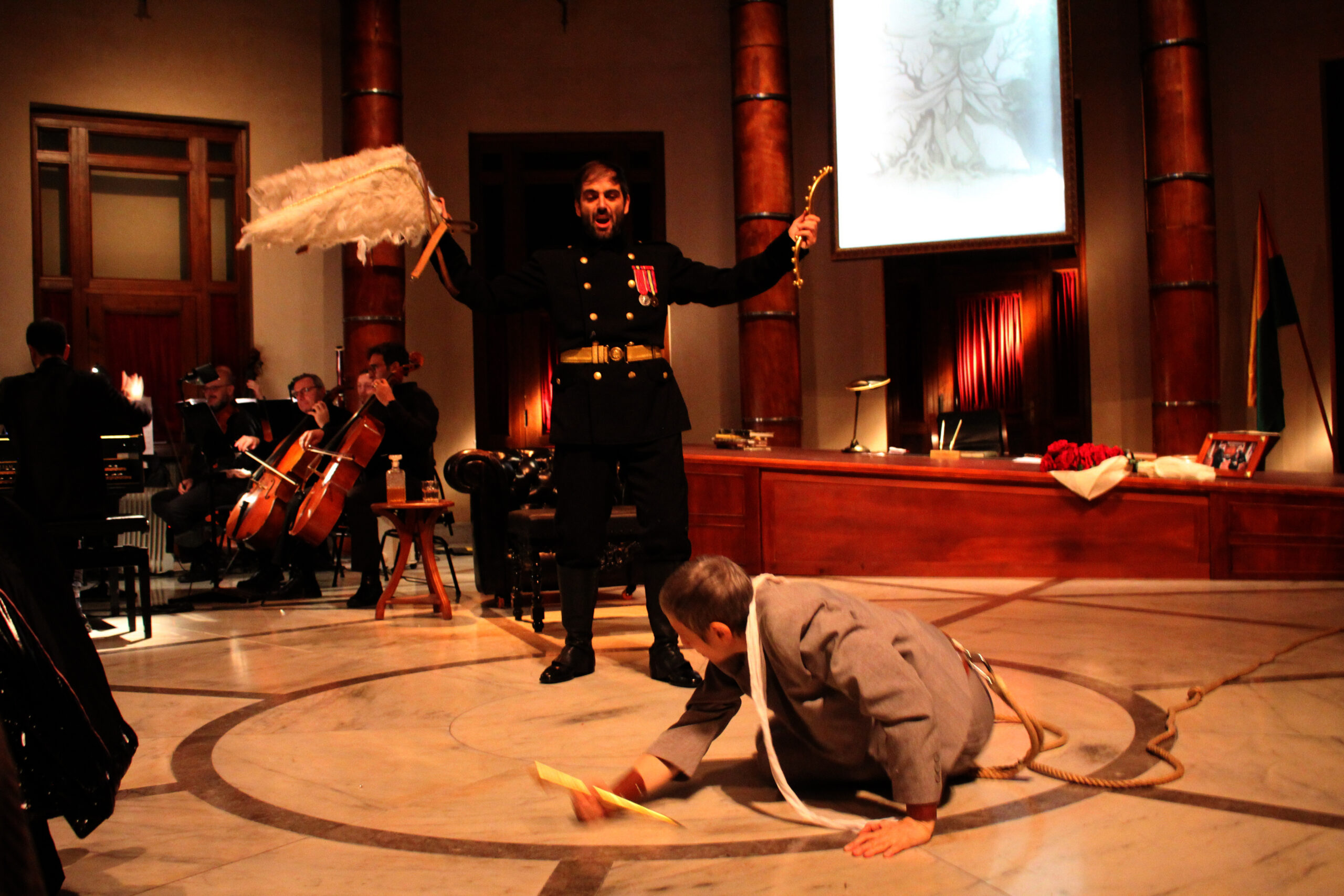
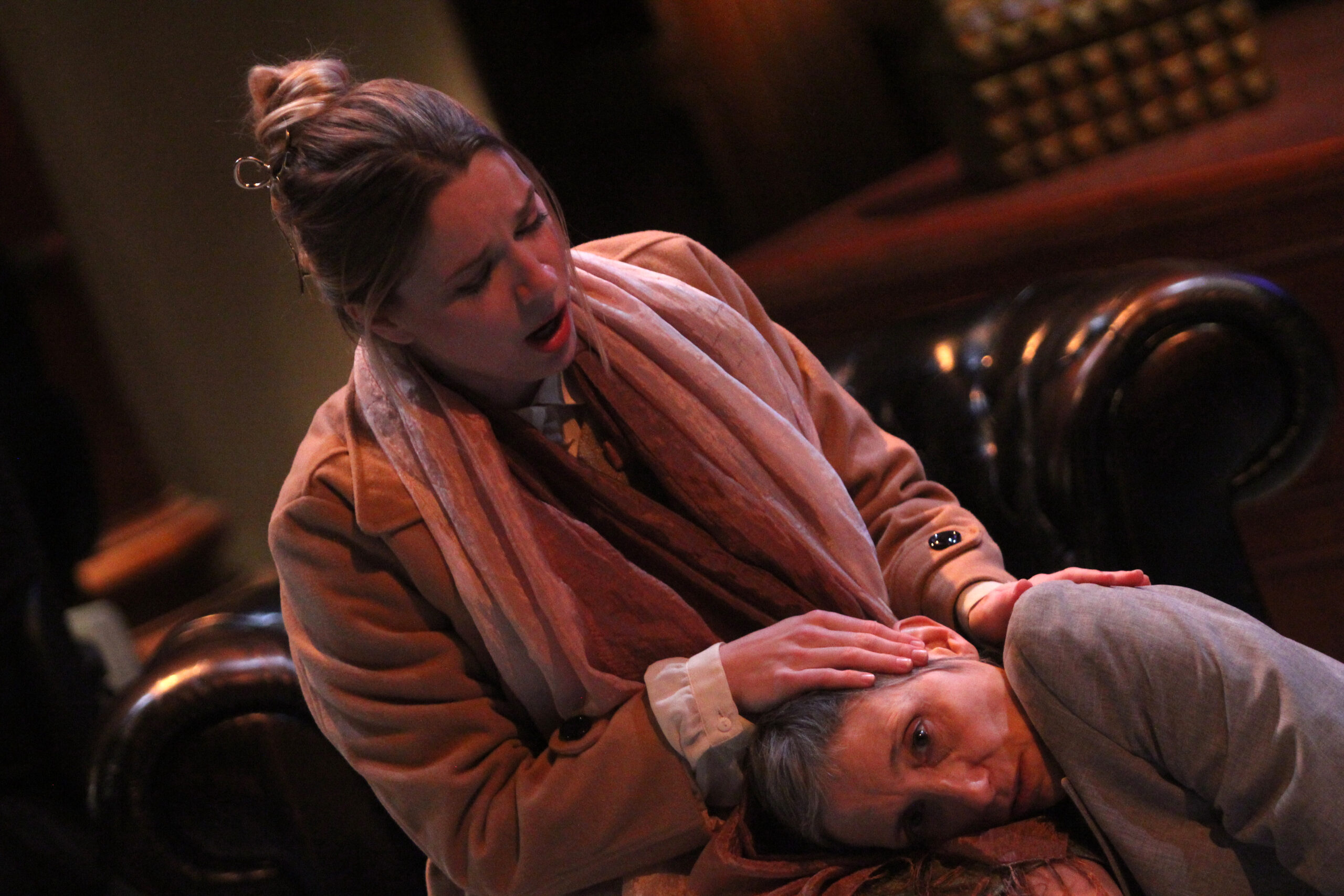
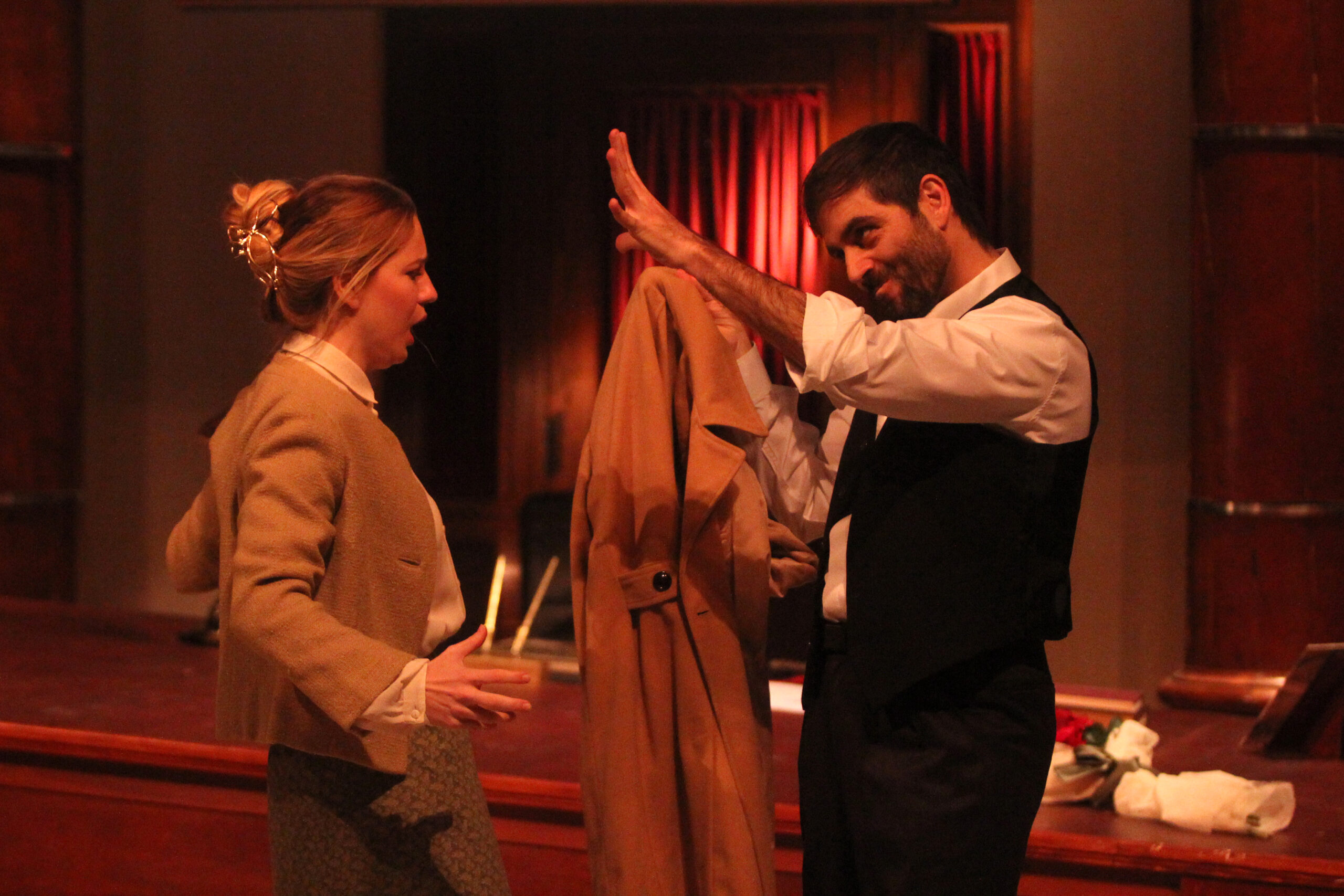
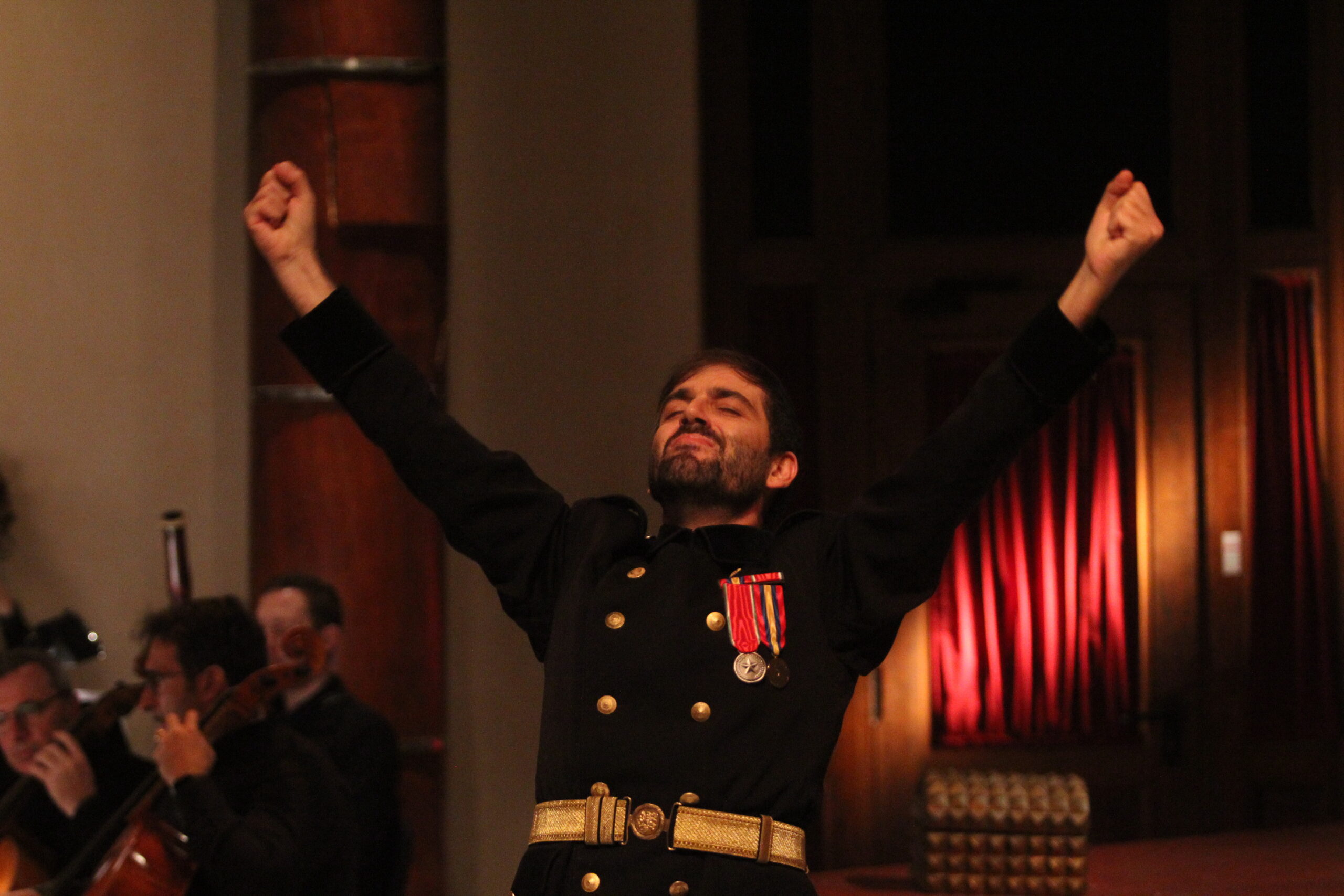
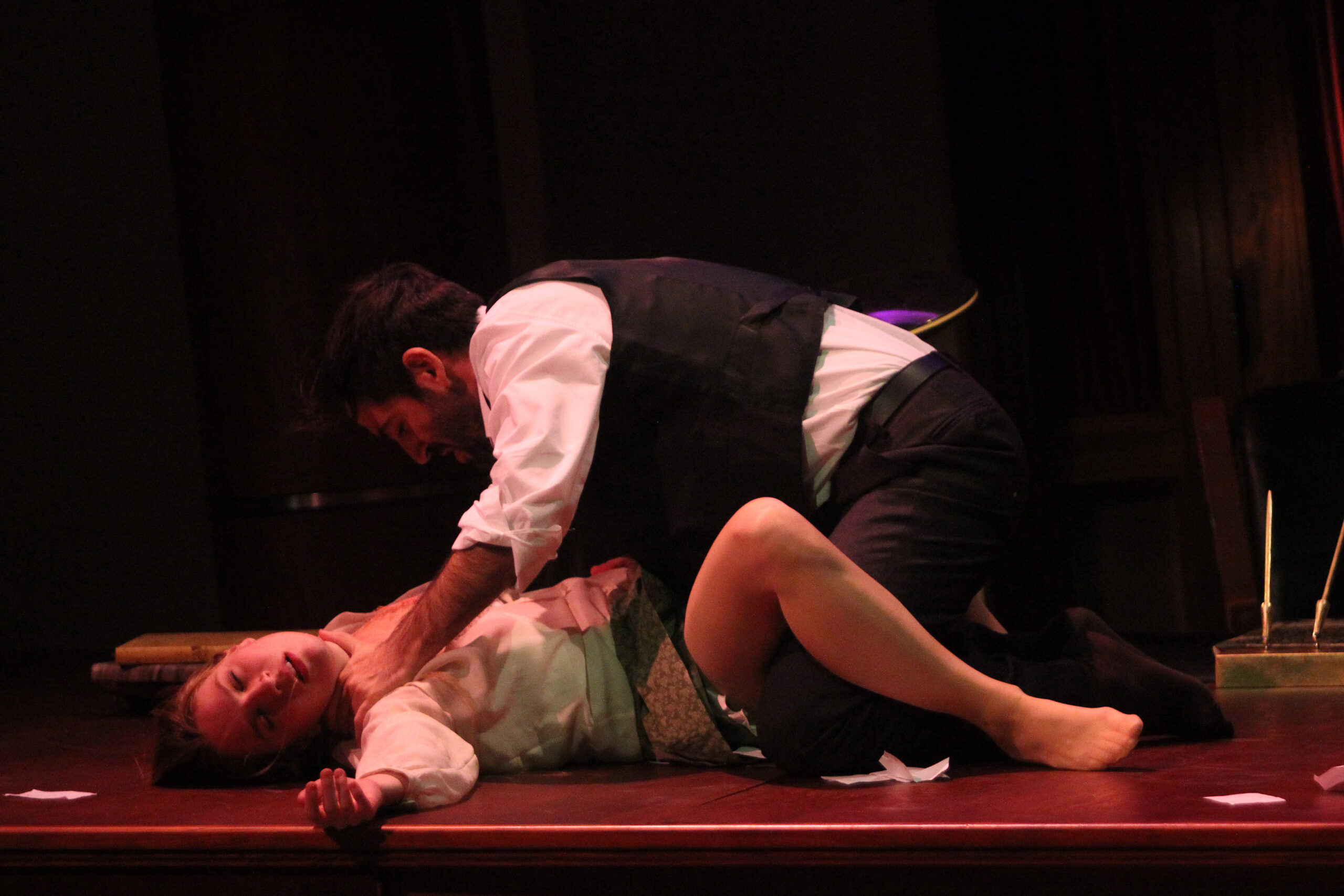
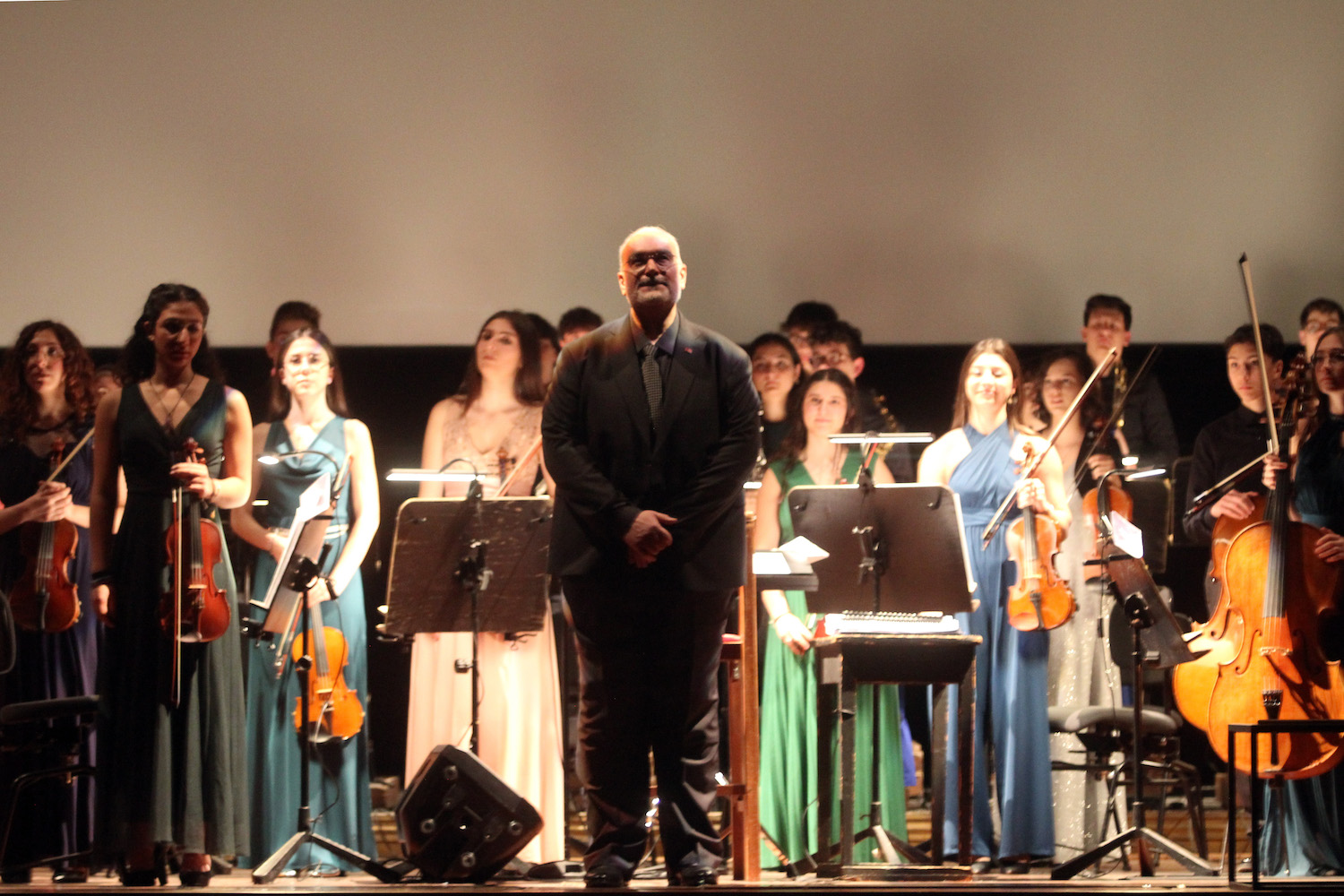
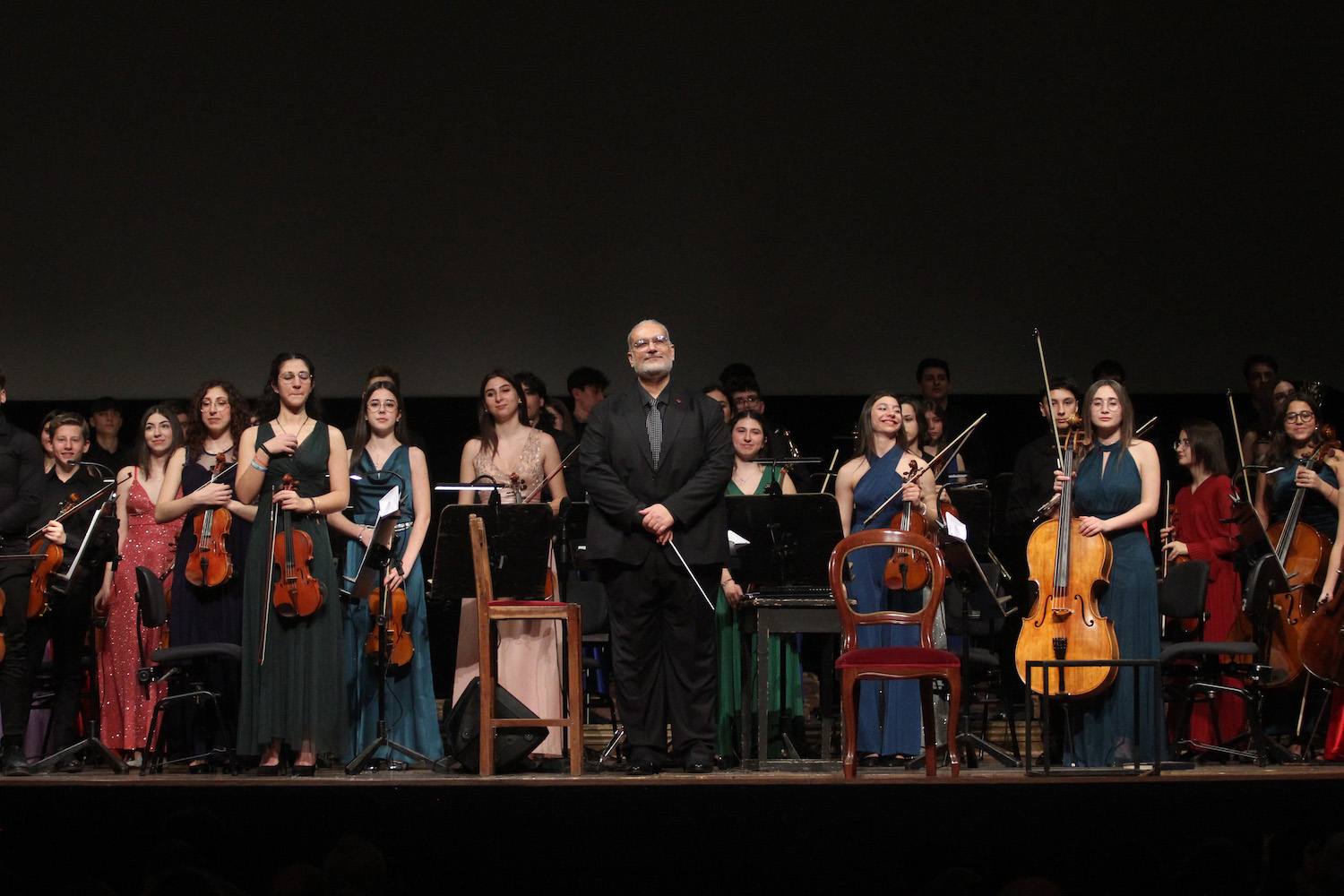
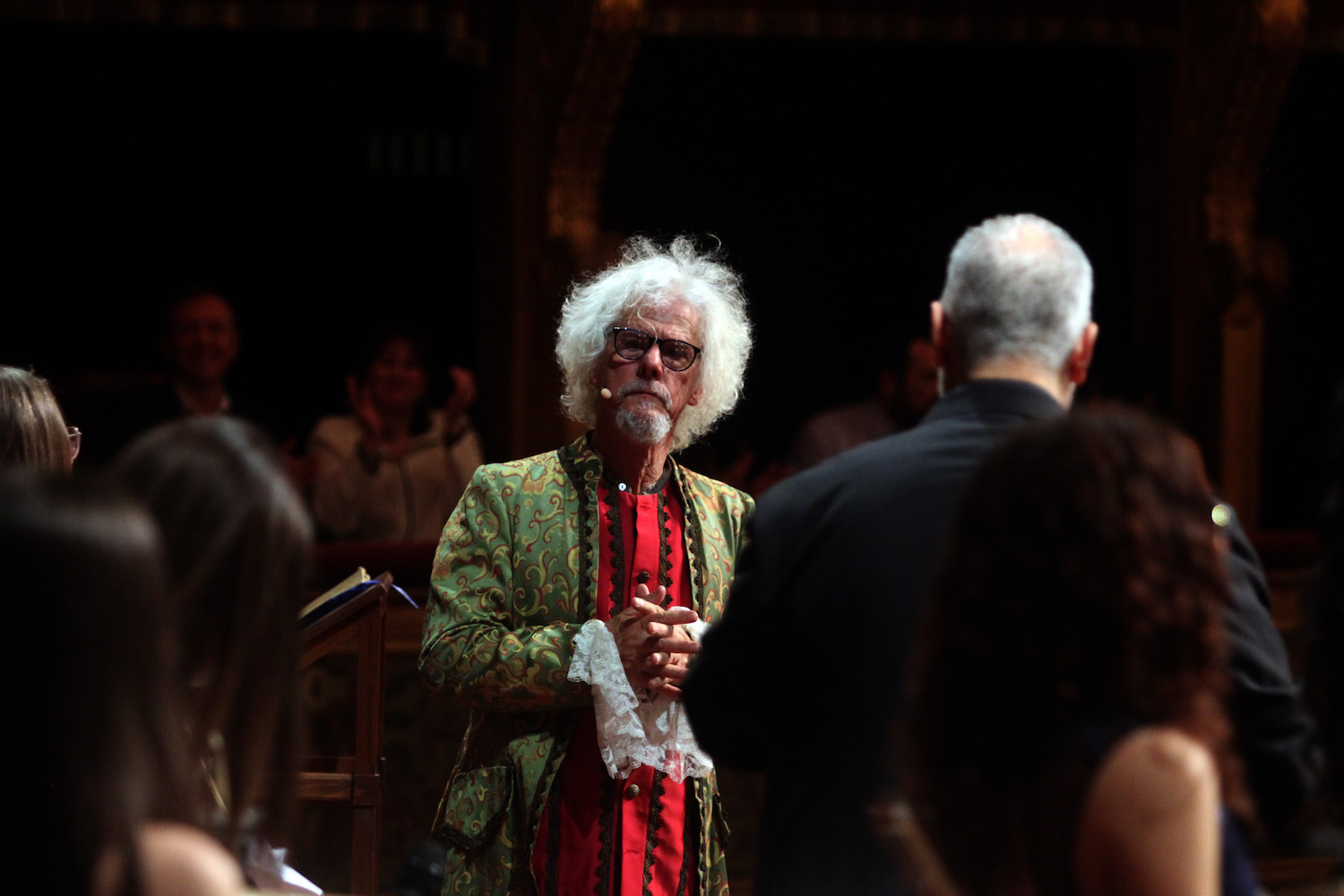
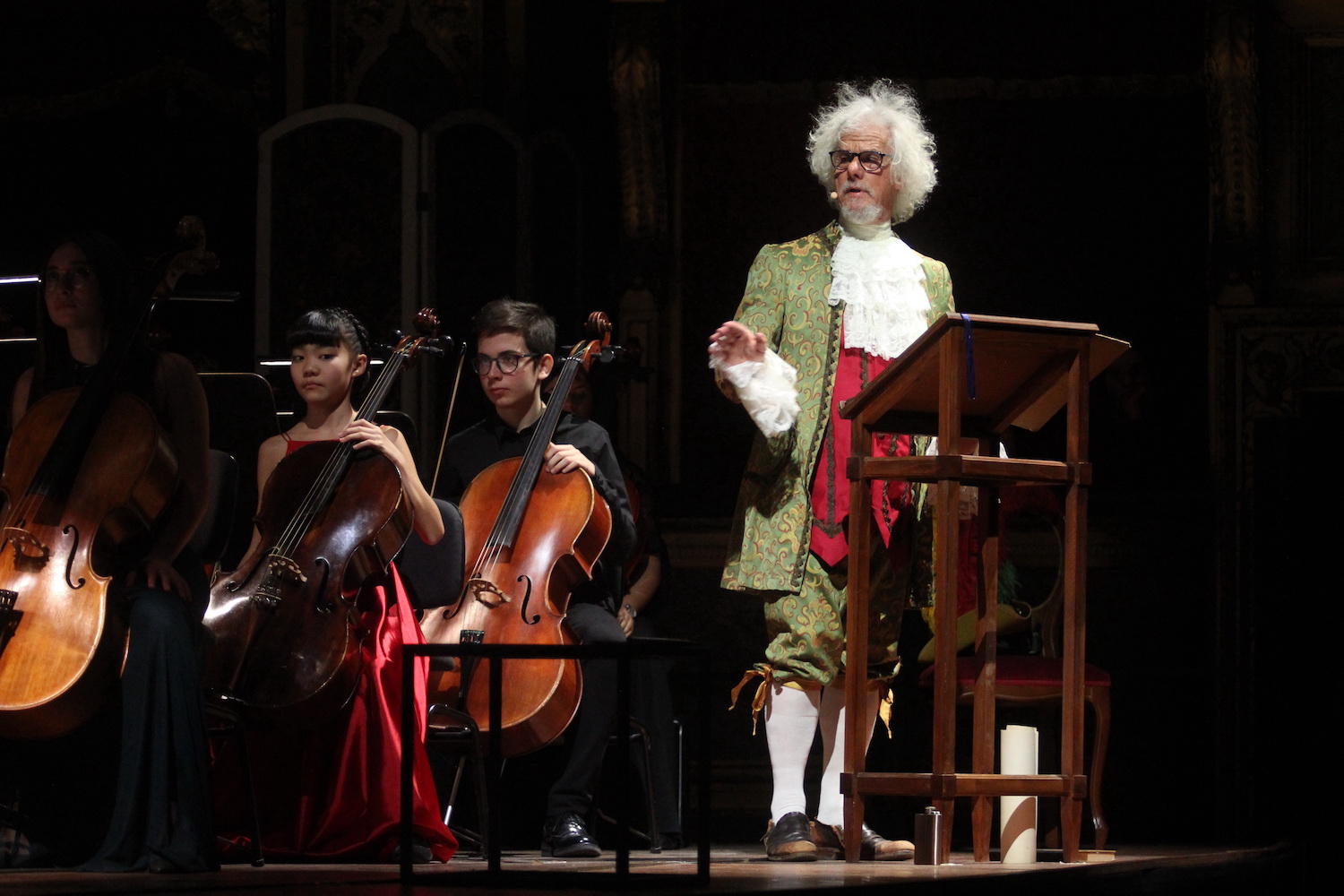
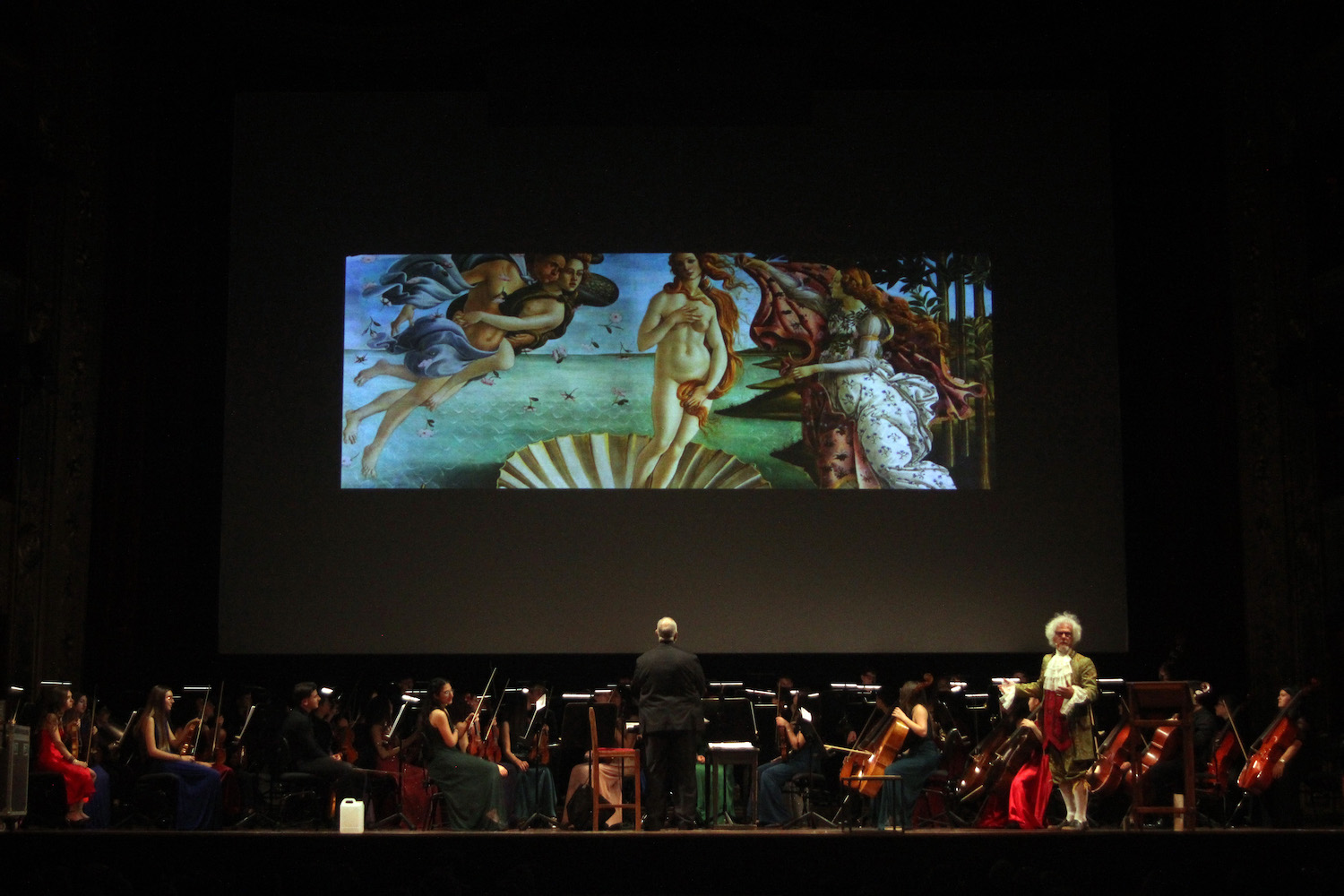
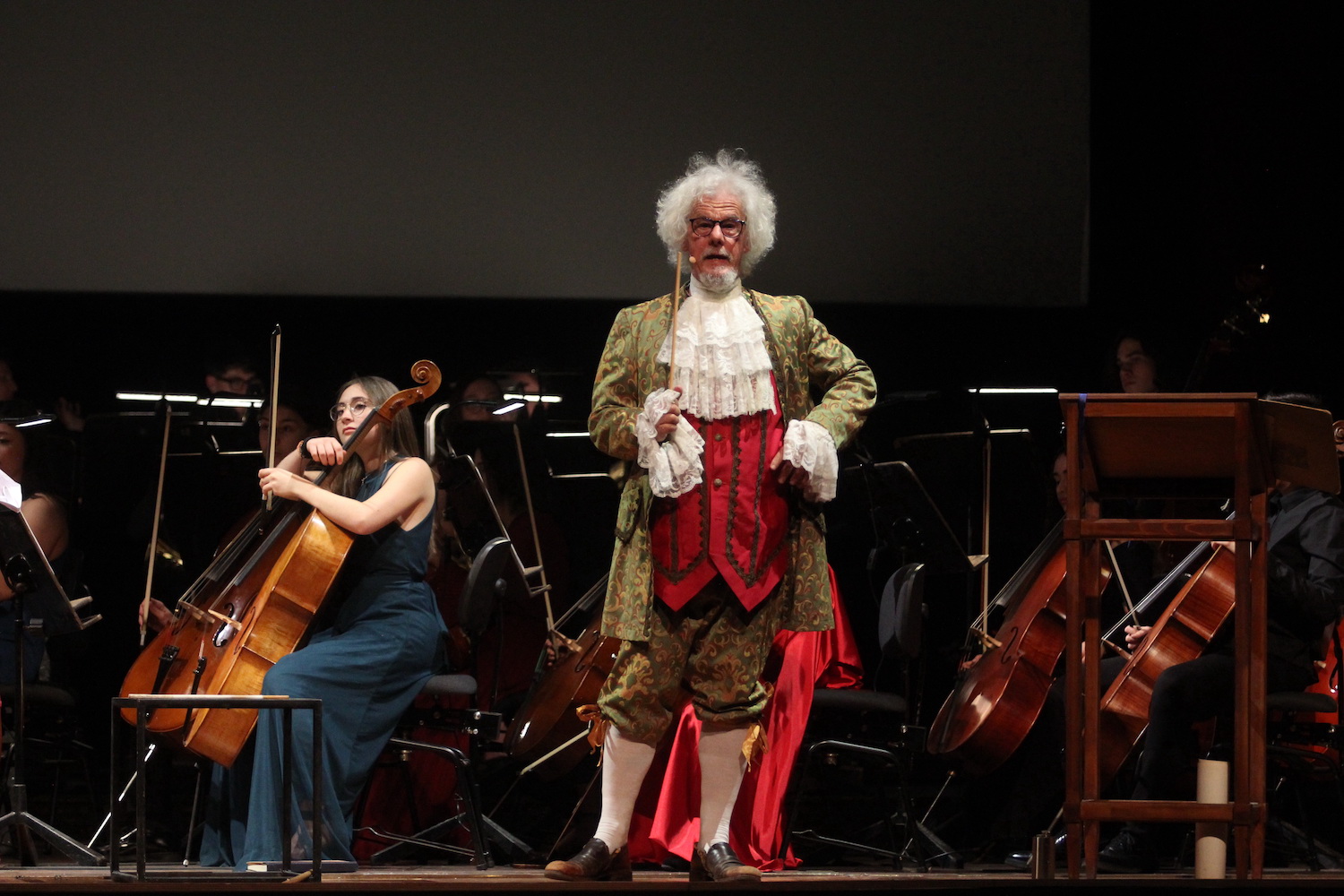
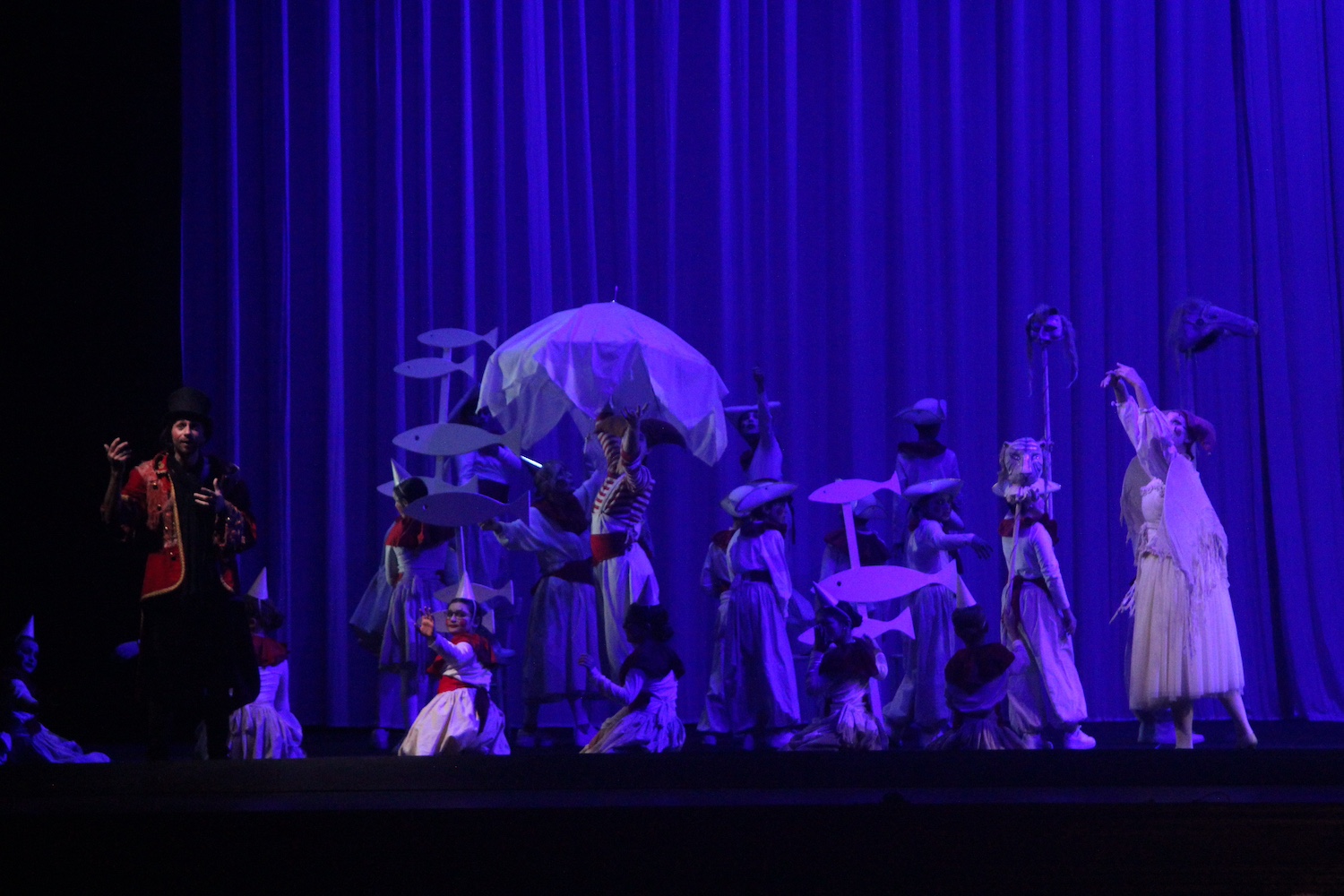
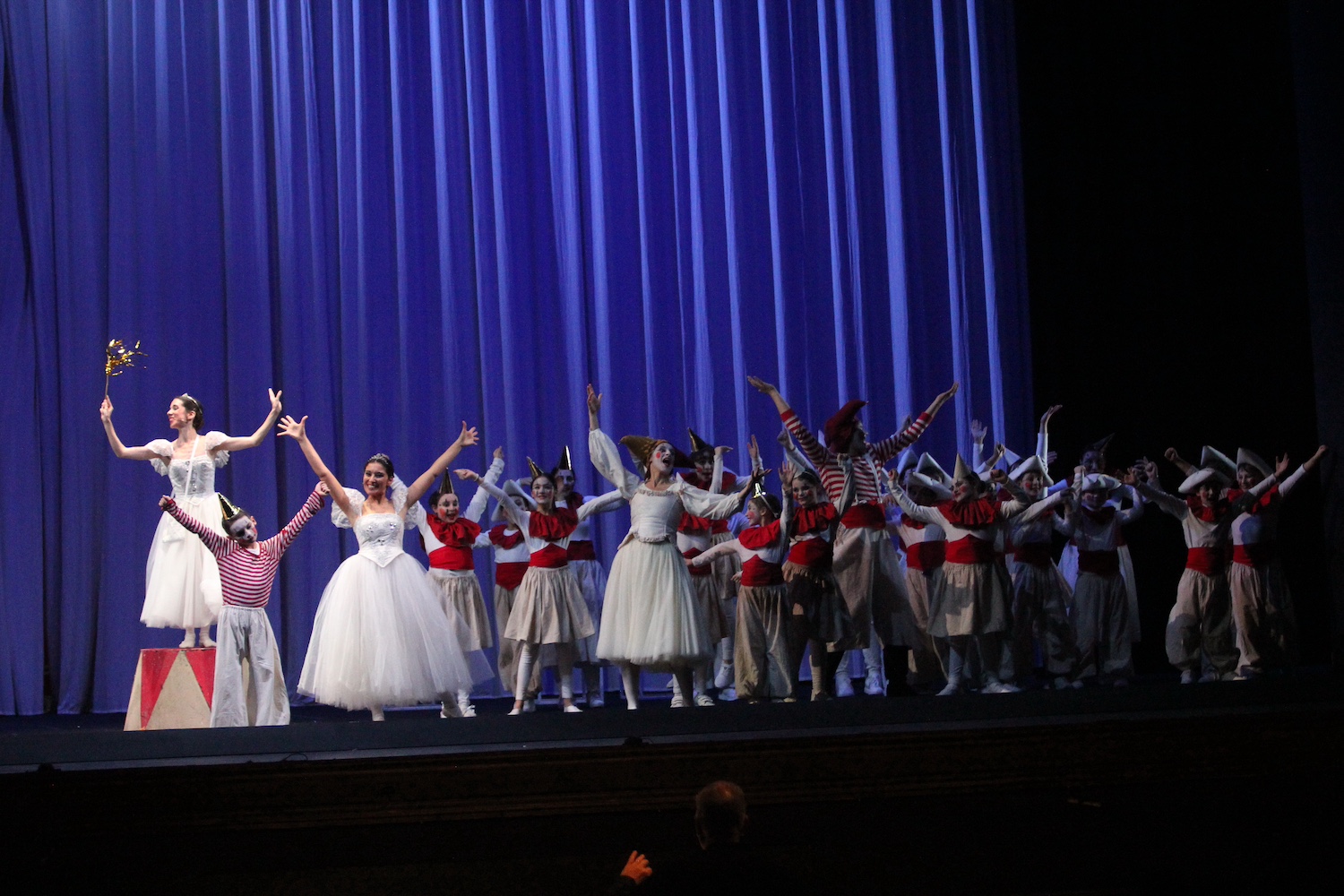
A funny little man descends one evening from a moonbeam and finds himself in the fascinating circus life populated by acrobats, clowns, knife throwers, ferocious animals, tamers, and lots of music…
Gallery




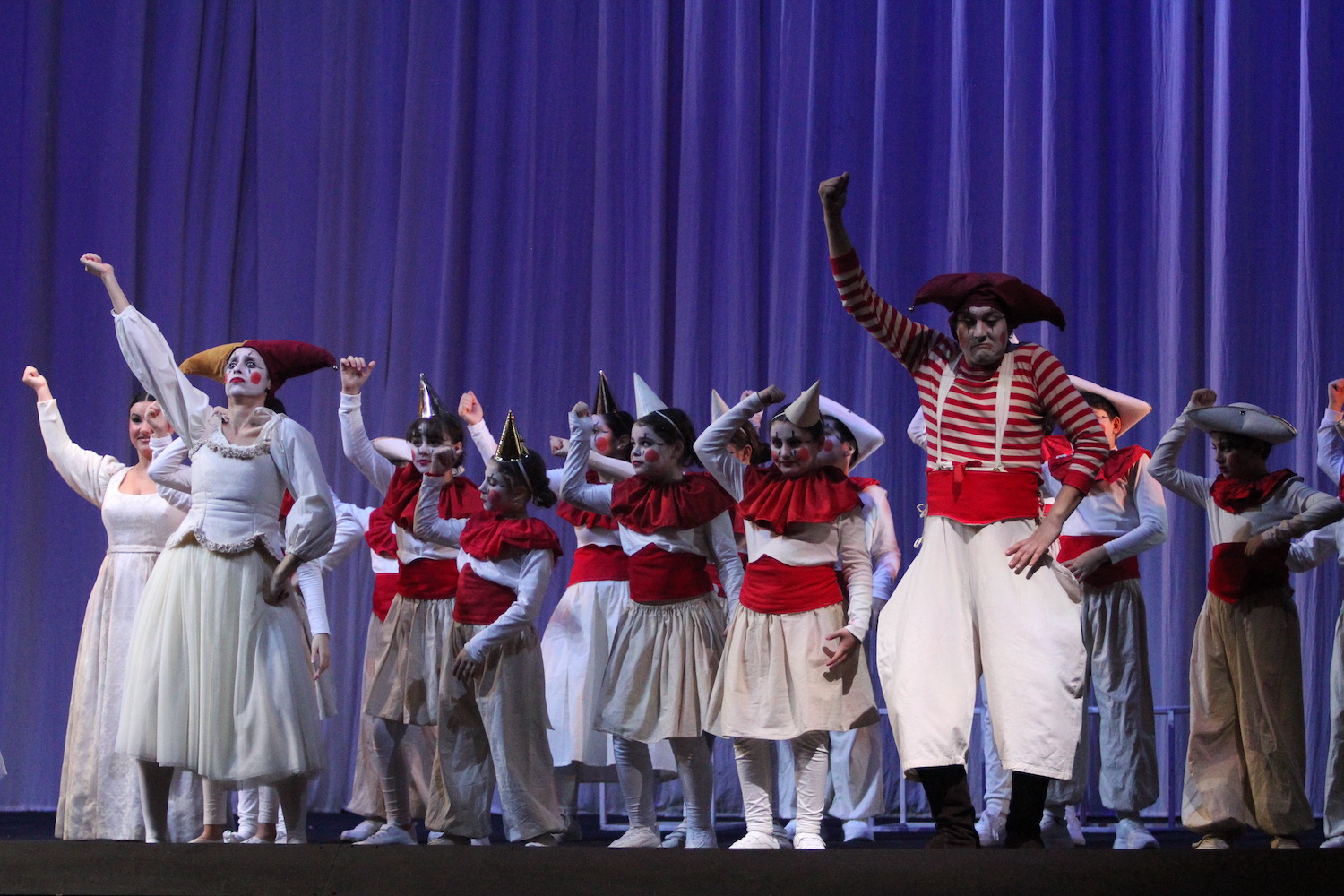
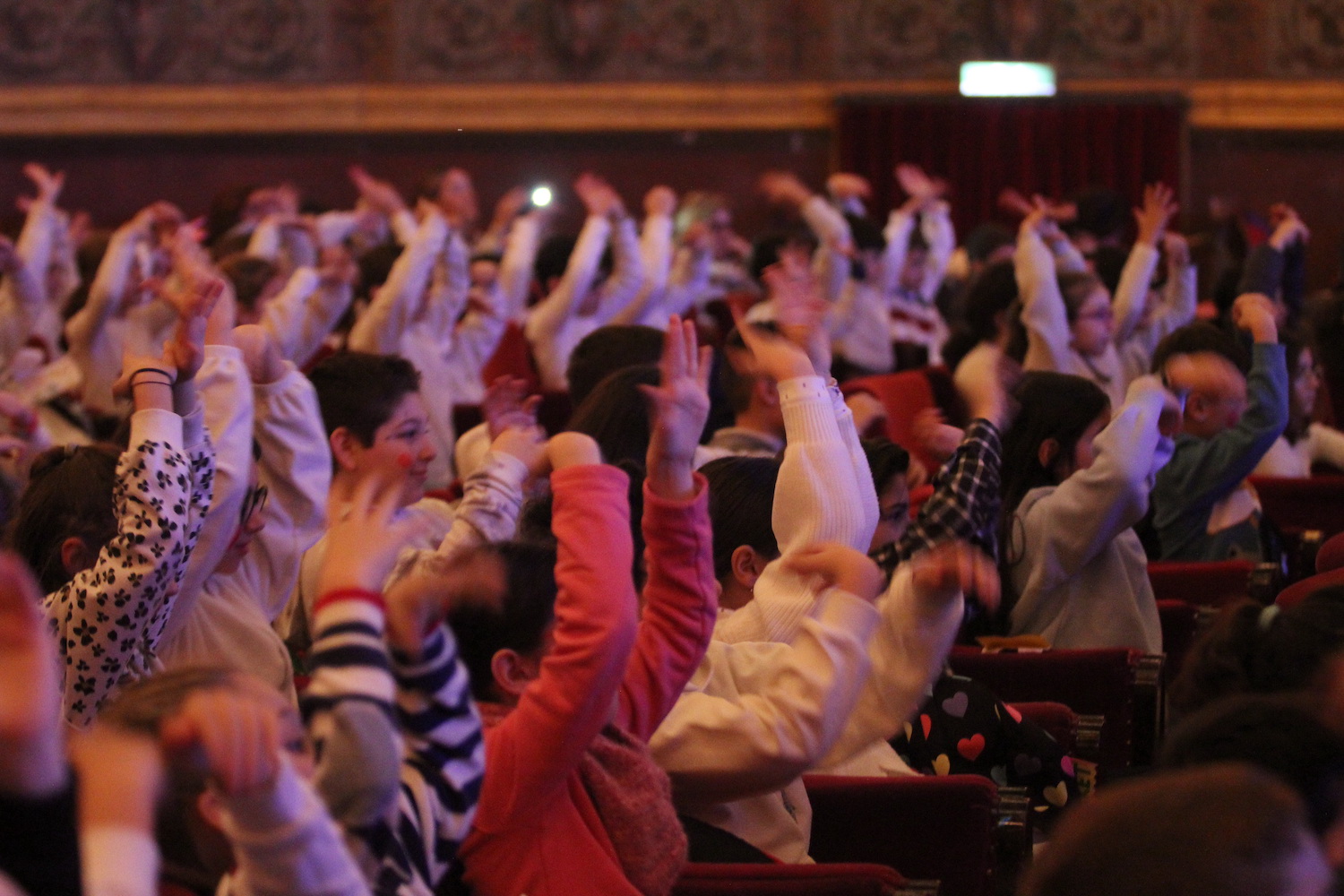
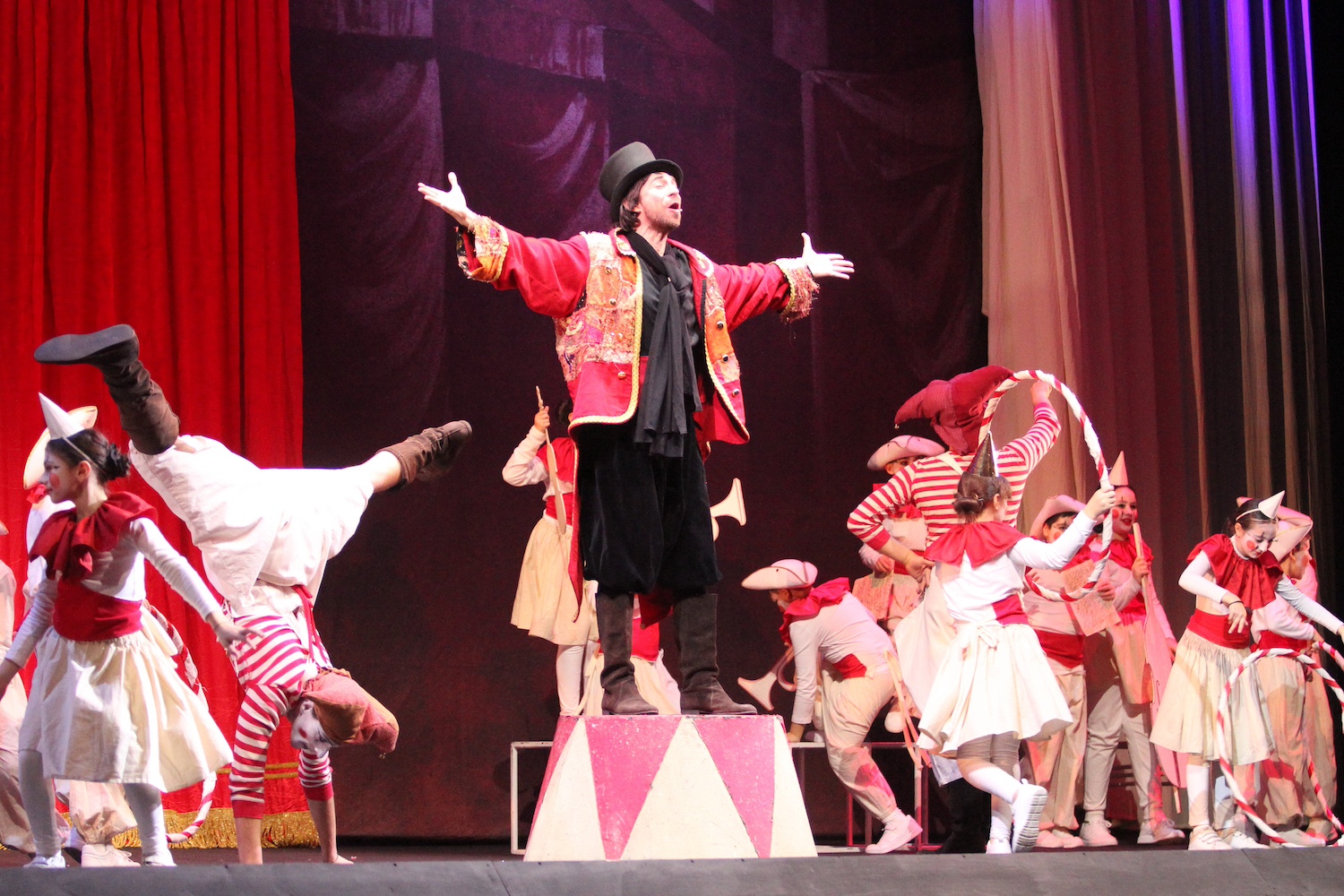


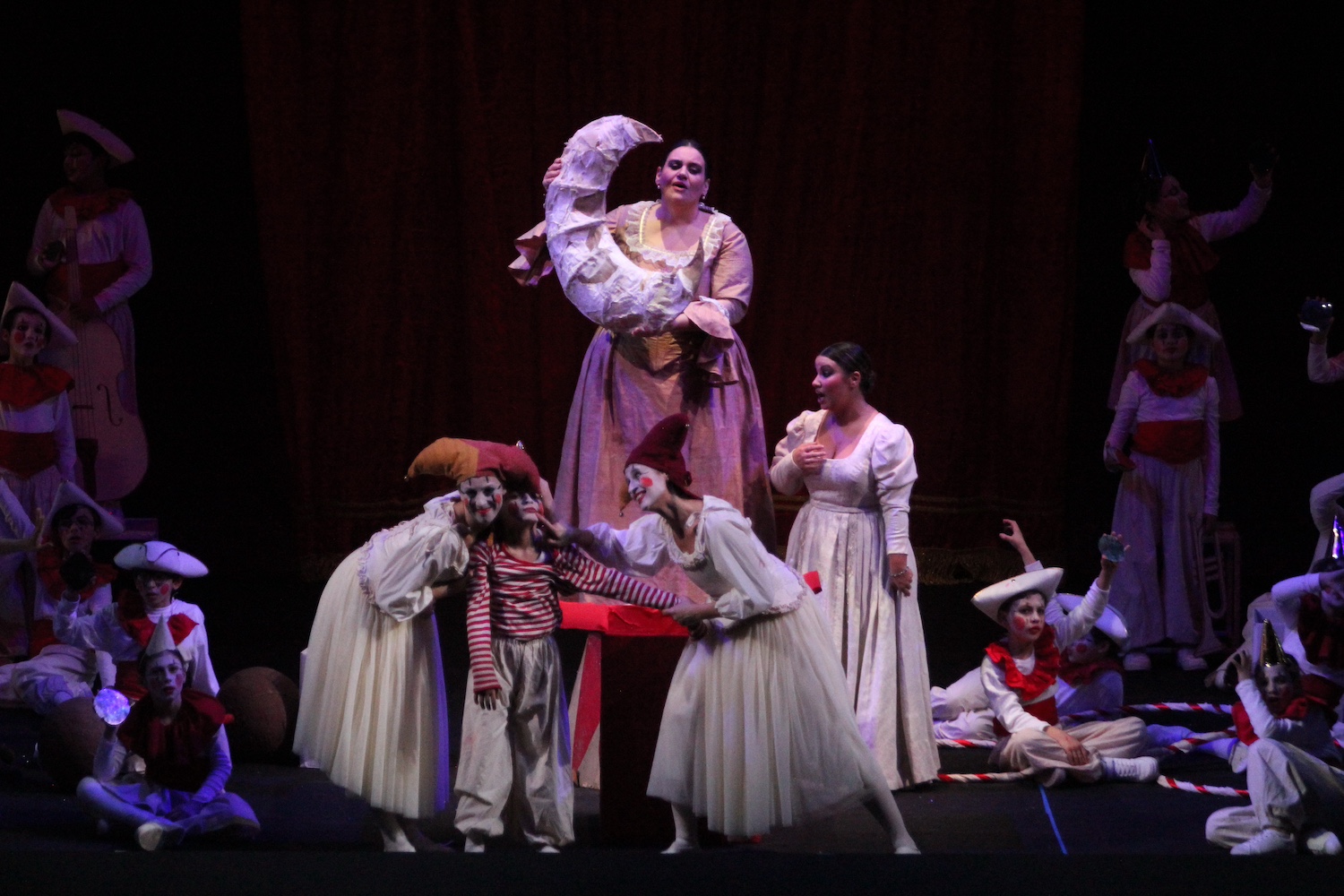


The poster
Spoken parts of the performance are in Italian; a basic understanding of the language is adviced.
Performances from Tue to Fri are events for school groups. In case seats are available to the general audience, they will be on sale on the same day of performance at the box-office.
Videos by Venti Lucenti
SINGING LESSON
SCENIC MOVEMENTS
s-
Dates
- 18 February10:00 AMSala Grande18 February11:45 AMSala Grande19 February10:00 AMSala Grande19 February11:45 AMSala Grande20 February10:00 AMSala Grande20 February11:45 AMSala Grande21 February10:00 AMSala Grande21 February11:45 AMSala Grande
About
13 – 23 January 2026 | Sala ONU, Teatro Massimo
for students over 15 and for adult audience | School Group Bookings open on November 3, 2025
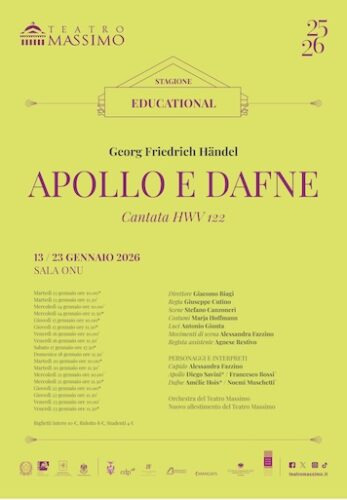
Apollo e Dafne
Music by Georg Friedrich Händel
Conductor Giacomo Biagi
Director Giuseppe Cutino
Scenes Stefano Canzoneri
Costumes Marja Hoffmann
Lighting Designs Antonio Giunta
Movements on stage Alessandra Fazzino
Assistant Director Agnese Restivo
Tickets
Full price: 10 €
Concession: 8 €
Students: 4 €
Free entrance for 1 teacher every 10 students, students with disabilities and their support teachersWe would like to inform the public that, following the weather alert and in compliance with the municipal ordinance, the performances of the opera “Apollo and Daphne” scheduled for the morning of Tuesday, 20 December (10:00 and 11:30) in the Sala ONU have been cancelled.
Programme
Cast
Cupido Alessandra Fazzino
Apollo Diego Savini (13 at 10, 14 at 11.30, 15, 17, 20 at 10, 21 at 11.30, 22 at 10, 23 at 11.30) / Francesco Bossi (13 at 11.30, 14 at 10, 16, 18, 20 at 11.30, 21 at 10, 22 at 11.30, 23 at 10)
Dafne Amélie Hois (13 at 10, 14 at 11.30, 15, 17, 20 at 10, 21 at 11.30, 22 at 10, 23 at 11.30) / Noemi Muschetti (13 at 11.30, 14 at 10, 16, 18, 20 at 11.30, 21 at 10, 22 at 11.30, 23 at 10)Teatro Massimo Orchestra
A Teatro Massimo New Production
The plot
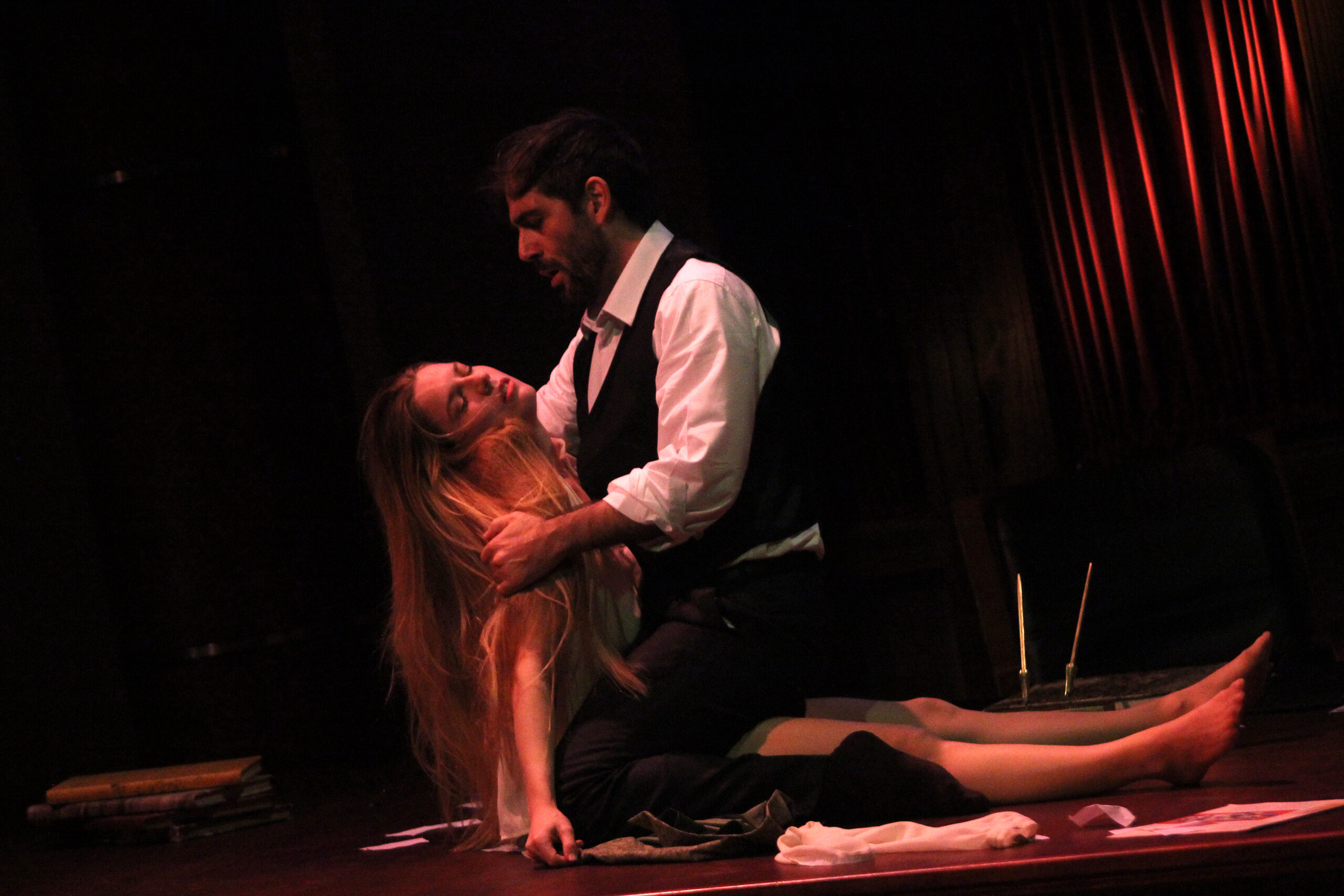
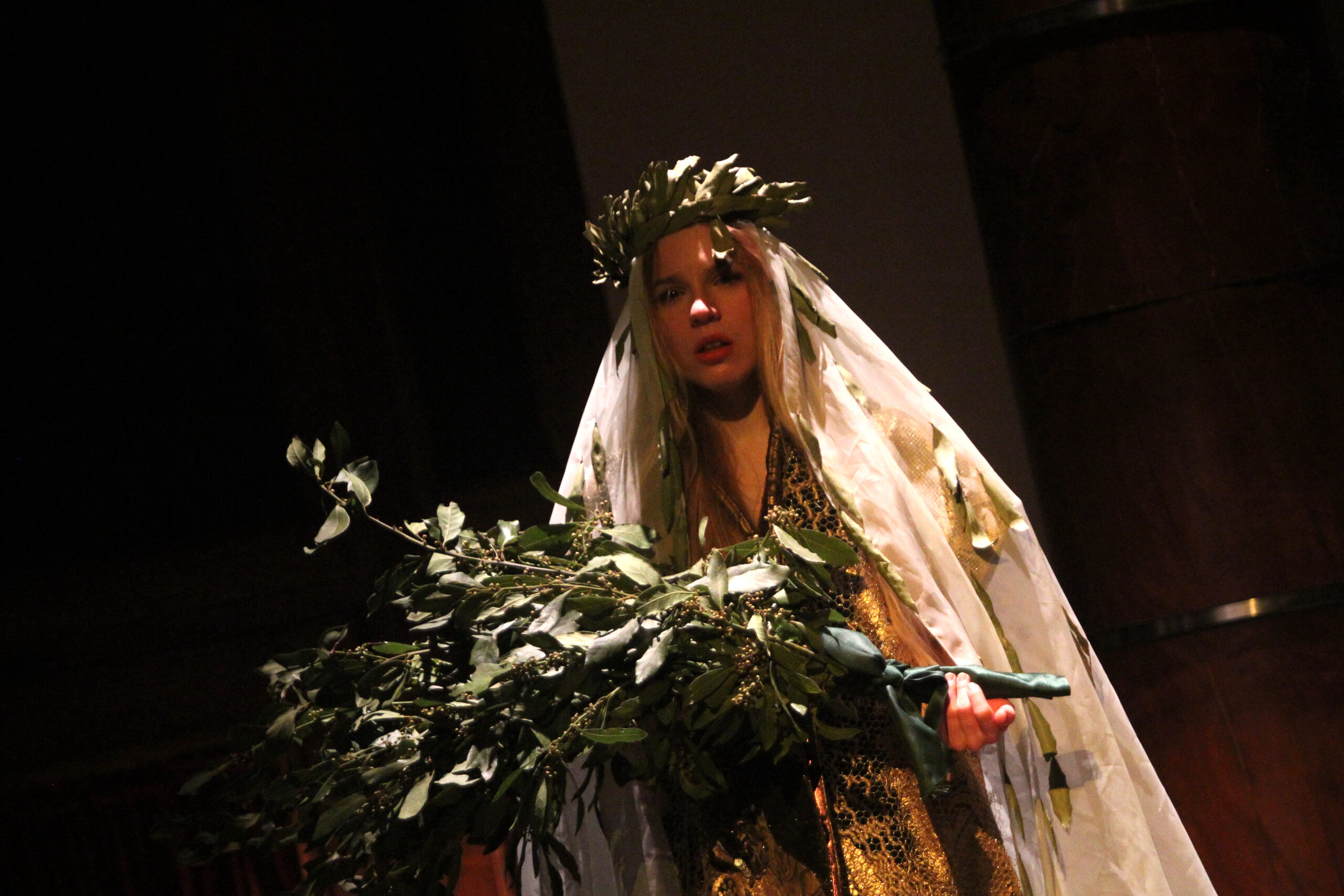
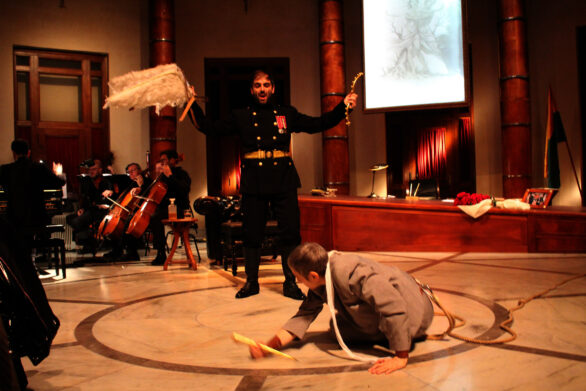
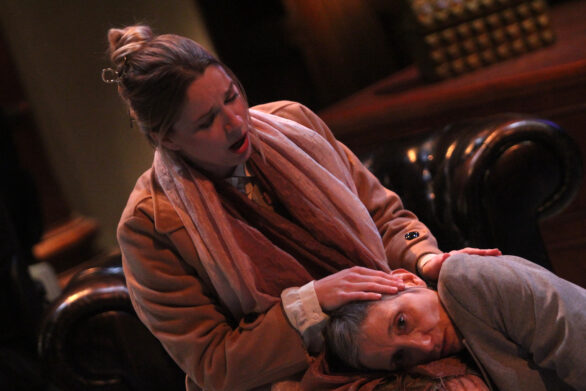
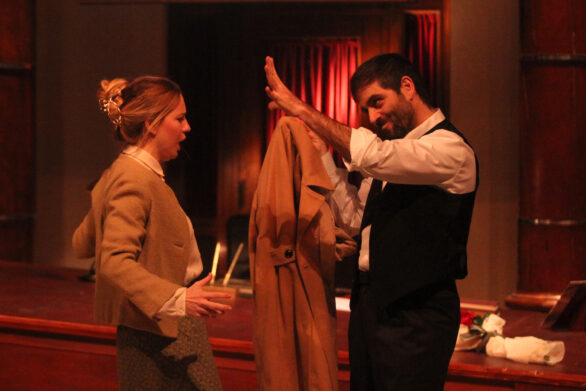
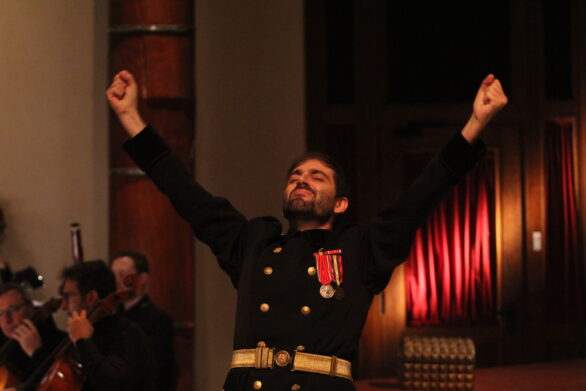
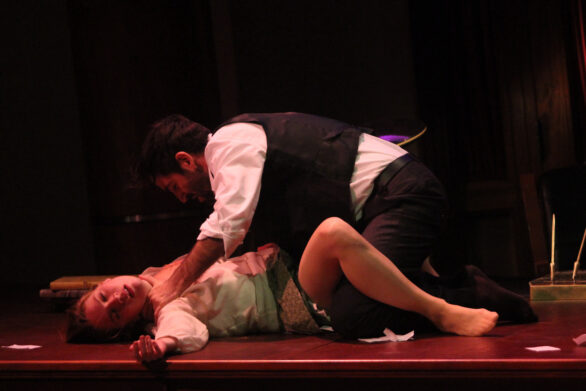
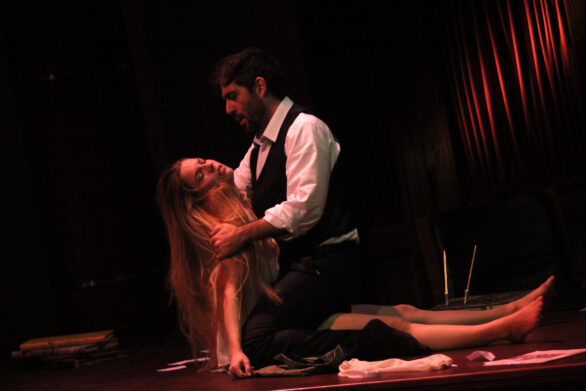
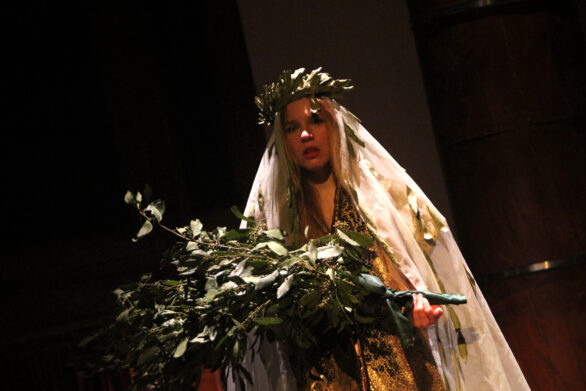
This show updates the myth of Apollo and Daphne to reflect on gender violence.
Apollo is an arrogant and powerful head of state who, blinded by his ego, sees Daphne as a reward he is entitled to, ignoring her rejection. Cupid, here an elderly and disillusioned figure, is unable to prevent Apollo’s obsession. The story focuses on possessive love: the god pursues Daphne and tries to rape her, to the point of causing her death.
Apollo is unable to tolerate her refusal, while his grief is only a public charade.
The work is a reflection on the relevance of Ovid’s tragic ending, denouncing the inability to accept rejection and the destruction that follows.Gallery
Ph. Franco LanninoThis opera is in Italian; a basic understanding of the language is adviced.
Performances from Tue to Fri are events for school groups for students over 15 and for adult audience.
In case seats are available to the general audience, they will be on sale on the same day of performance at the box-office.Sat and Sun performances are open to the general audience.
Find out more about our Educational project for school groups.
Poster
-
Dates
- 13 January10:00 AMSchool-Groups Event13 January11:30 AMSchool-Groups Event14 January10:00 AMSchool-Groups Event14 January11:30 AMSchool-Groups Event15 January10:00 AMSchool-Groups Event15 January11:30 AMSchool-Groups Event16 January10:00 AMSchool-Groups Event16 January11:30 AMSchool-Groups Event17 January5:30 PMFamily Event18 January11:30 AMFamily Event20 January10:00 AMSchool-Groups Event20 January11:30 AMSchool-Groups Event21 January10:00 AMSchool-Groups Event21 January11:30 AMSchool-Groups Event22 January10:00 AMSchool-Groups Event22 January11:30 AMSchool-Groups Event23 January10:00 AMSchool-Groups Event23 January11:30 AMSchool-Groups Event
About
This event is in Italian.
Tickets (3 euros) available at the box-office and online.
You can access the Sala Onu through the stairs located in the stage door area (on the right side of the main entrance, close to Via Pignatelli Aragona). An accessible pathway, with no steps and the elevator, is also available (ask the staff for guidance).
Photo Fausto Brigantino
Programme
Beatrice Monroy
presents Les pêcheurs de perles by Georges Bizet with Gigi Borruso and Sabrina Petyx.
About
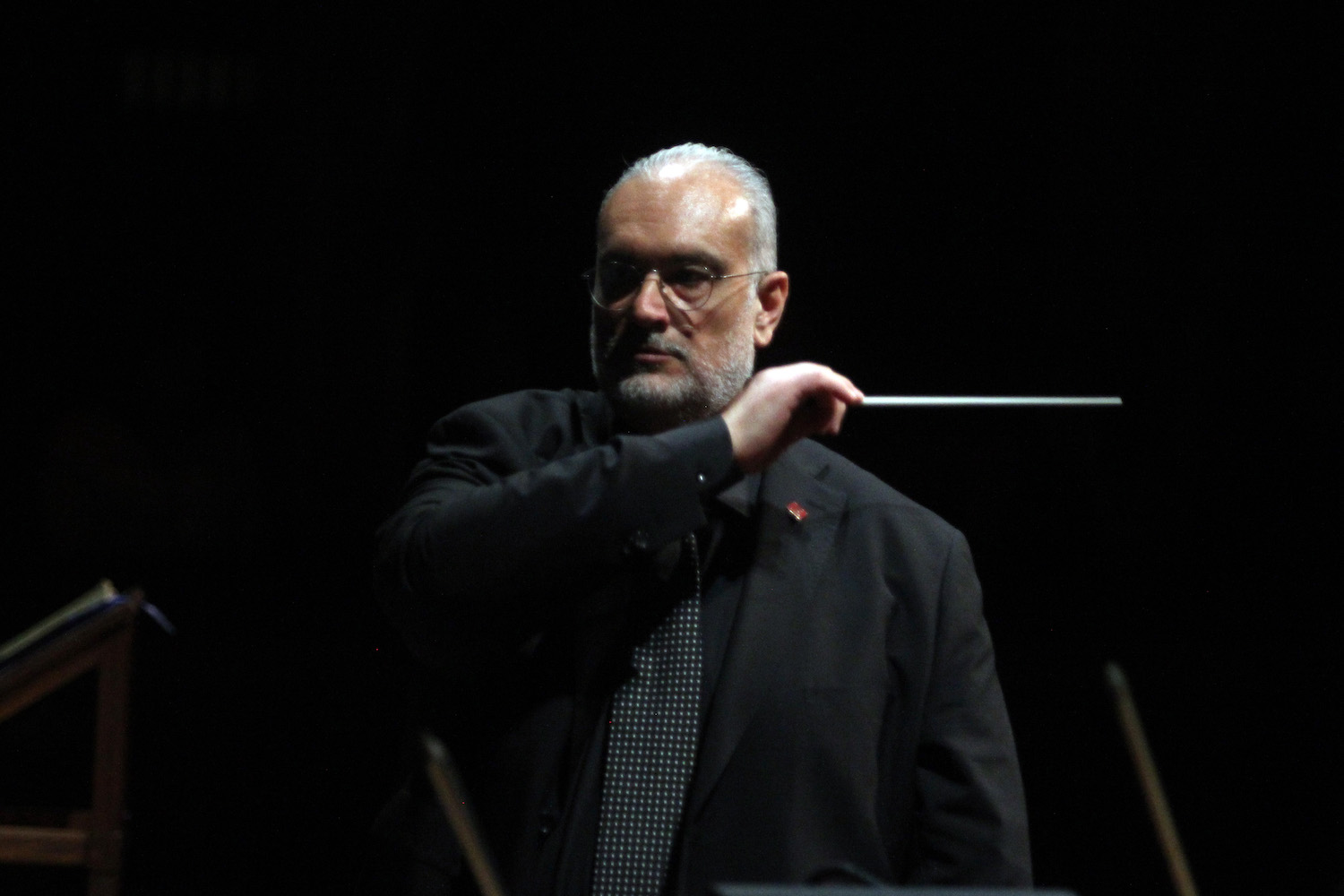
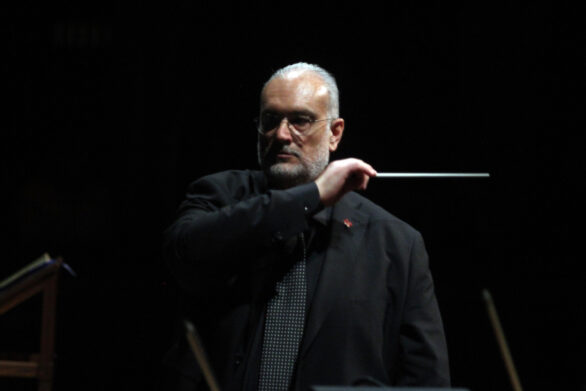
Conductor Michele De Luca
Dramaturgy and Acting Paolo Migone
Massimo Kids Orchestra
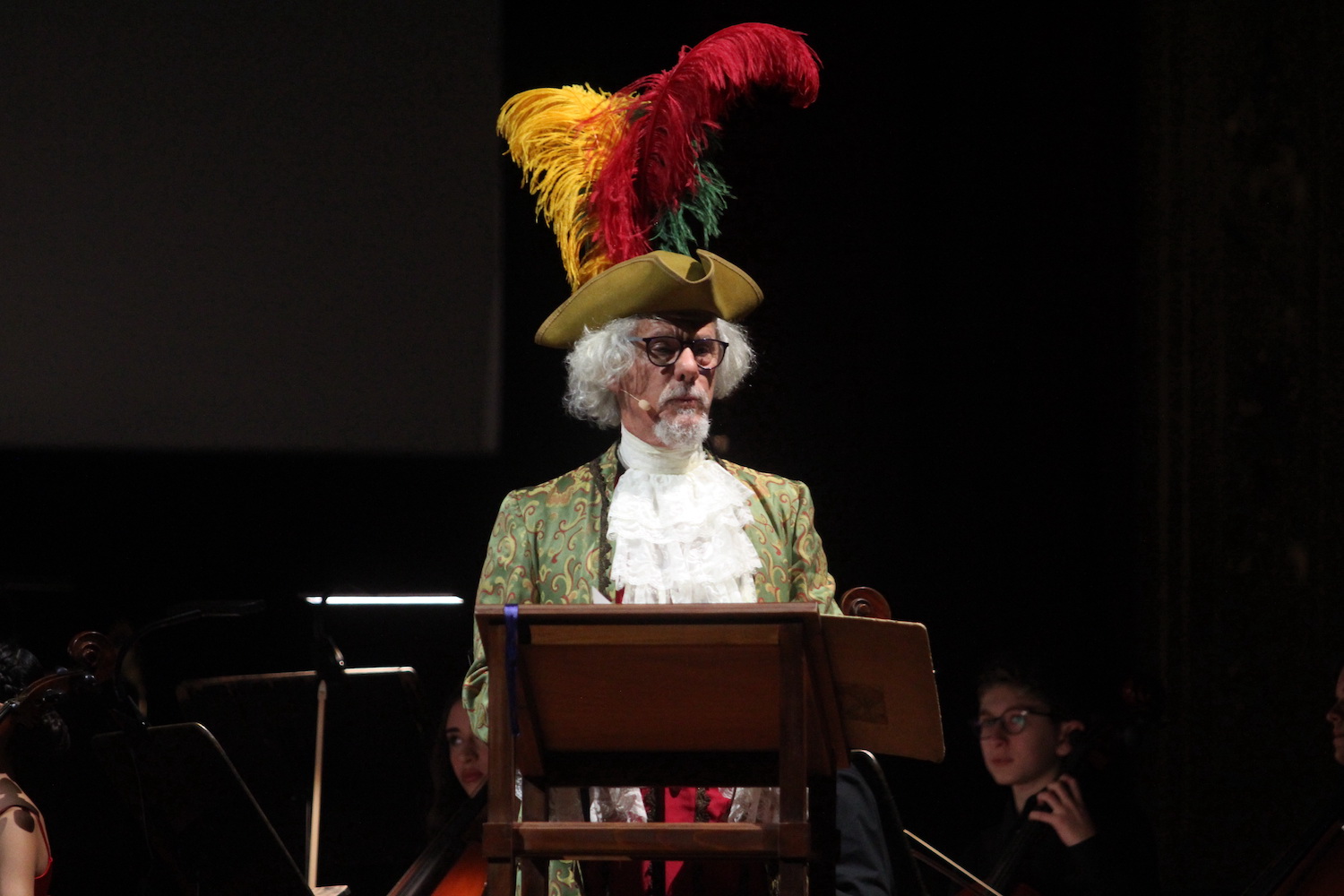
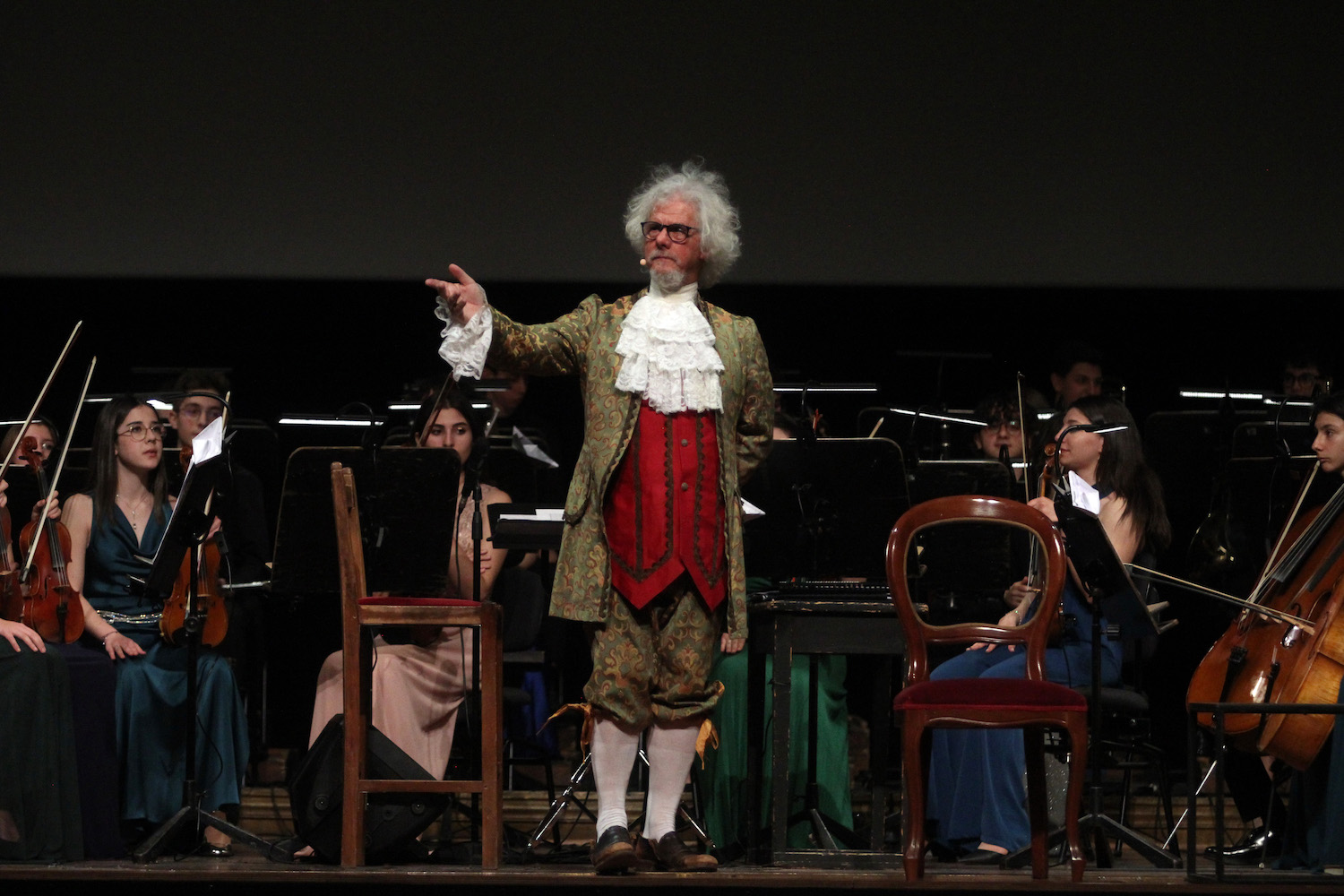
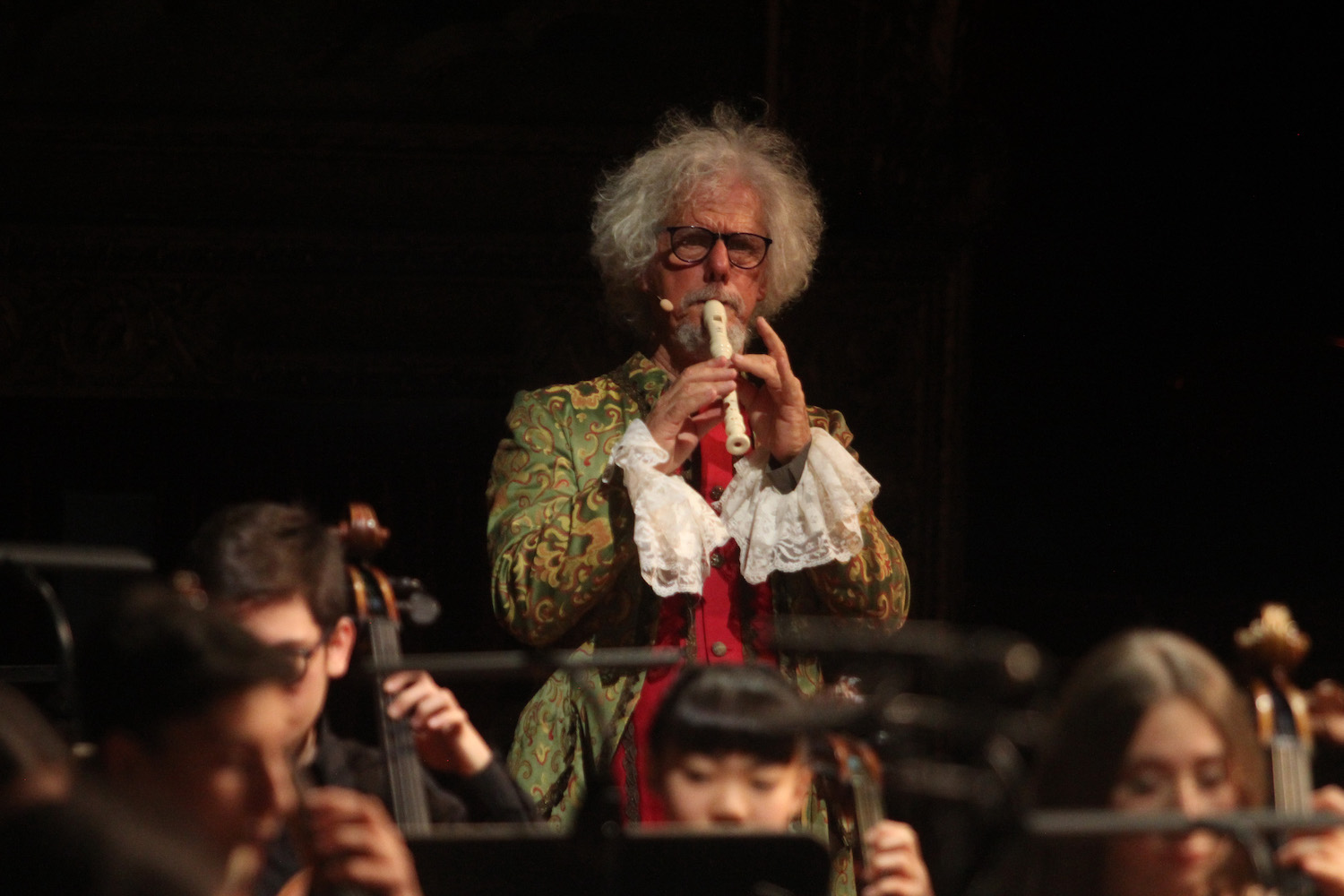
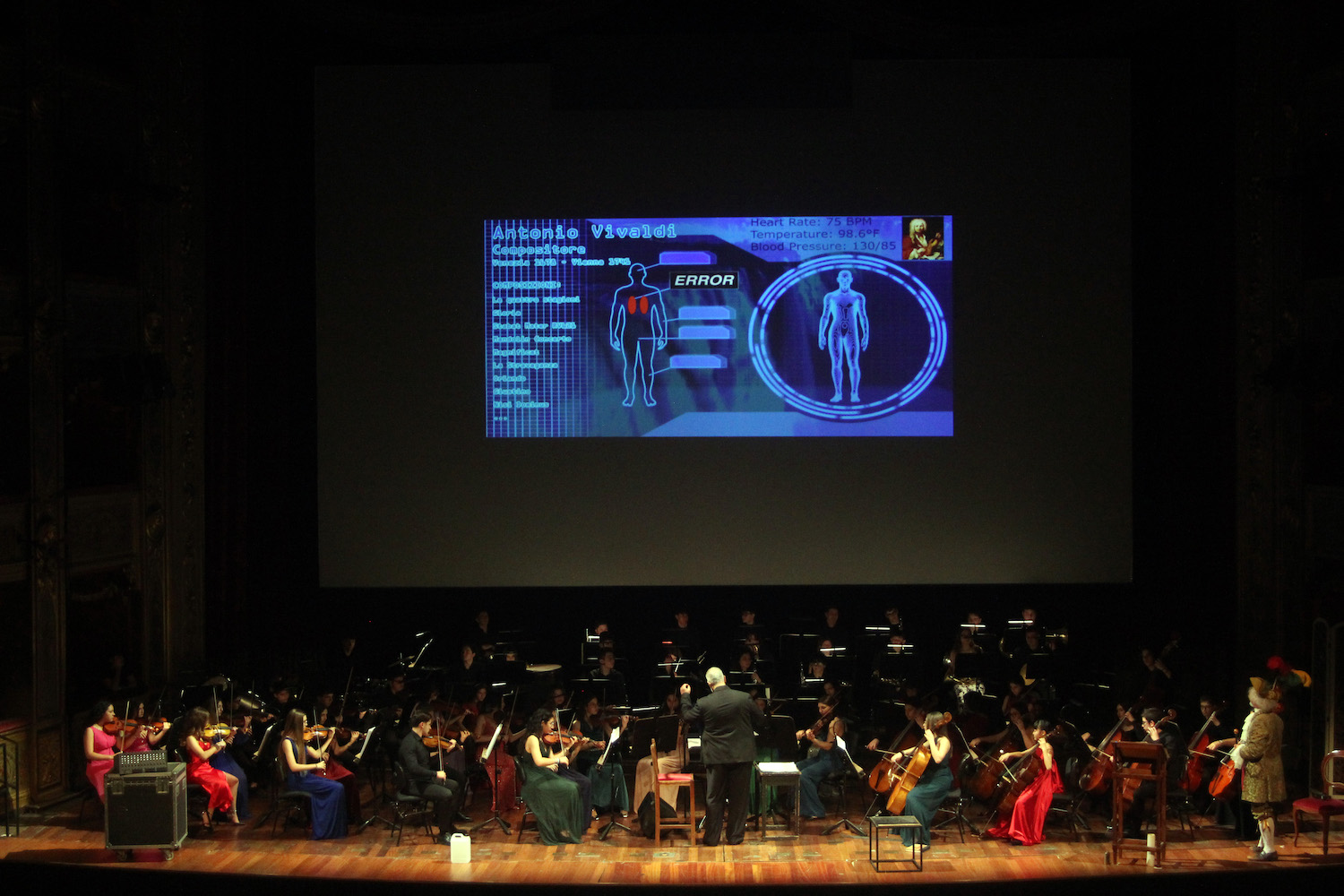
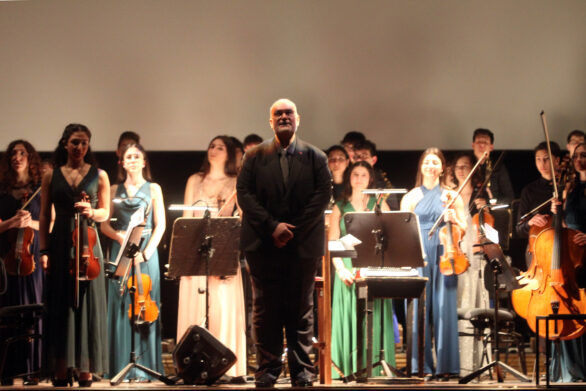
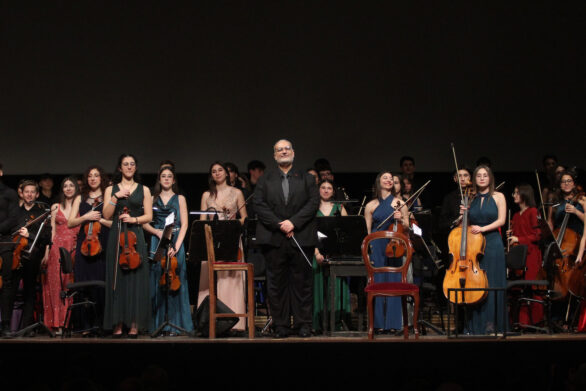
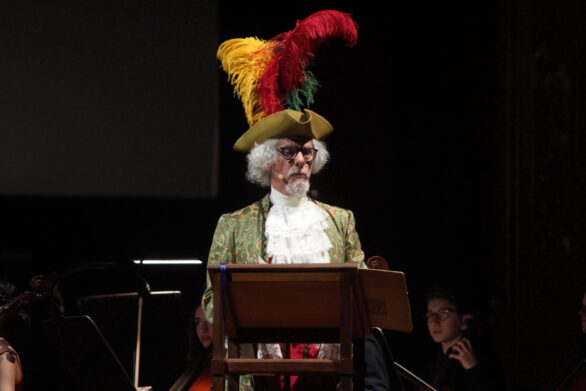
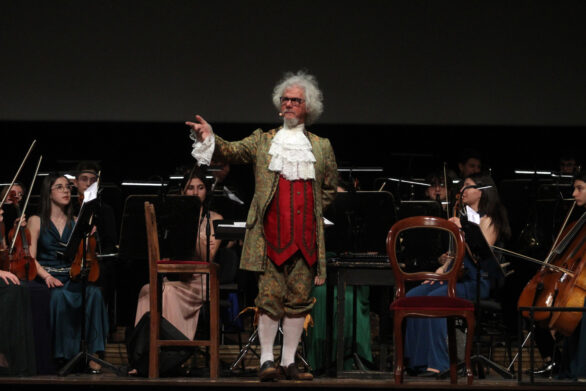
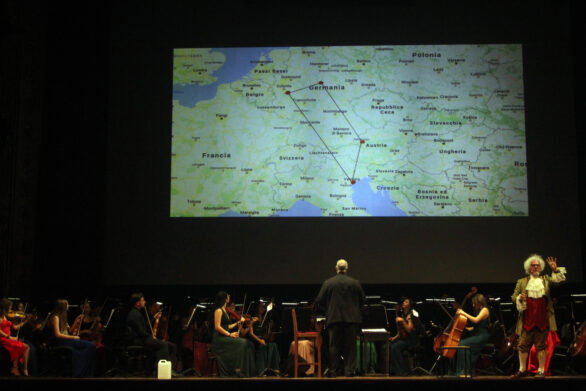
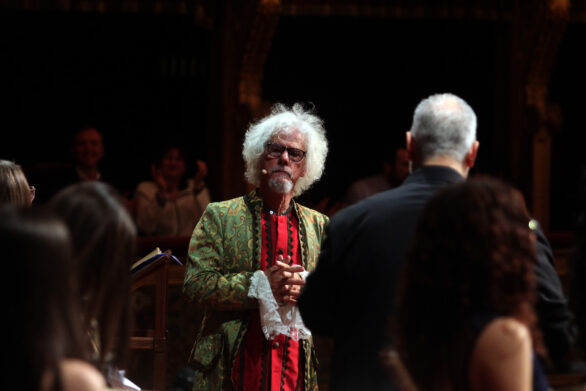
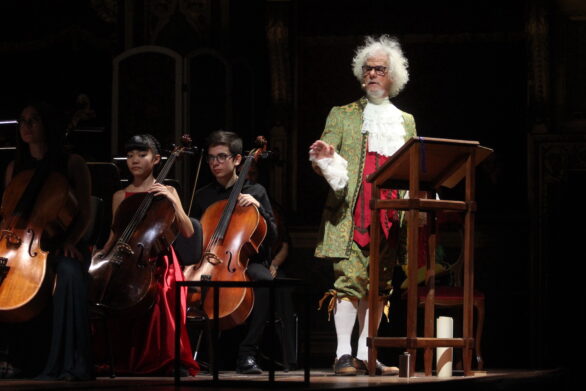
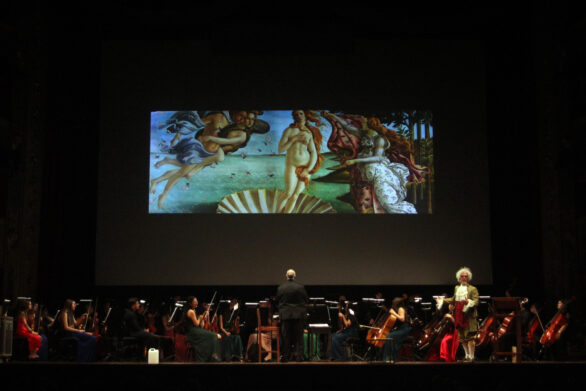
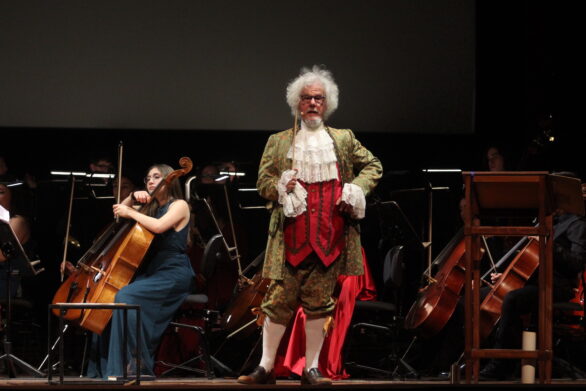
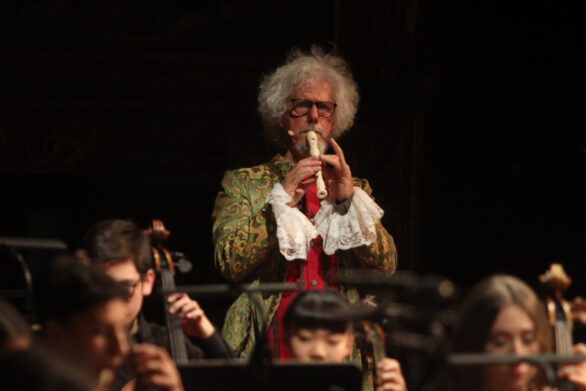
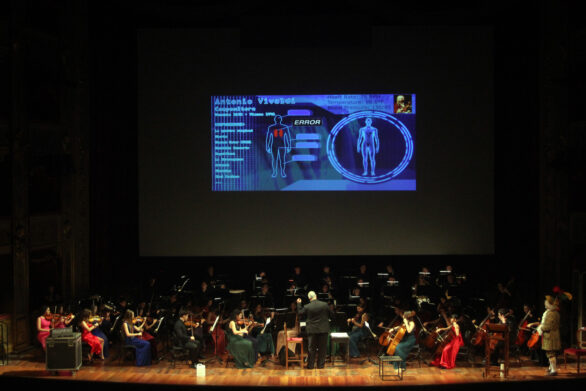
Paolo Migone explains that classical music is not something incomprehensible or particularly strange, but is first and foremost music.
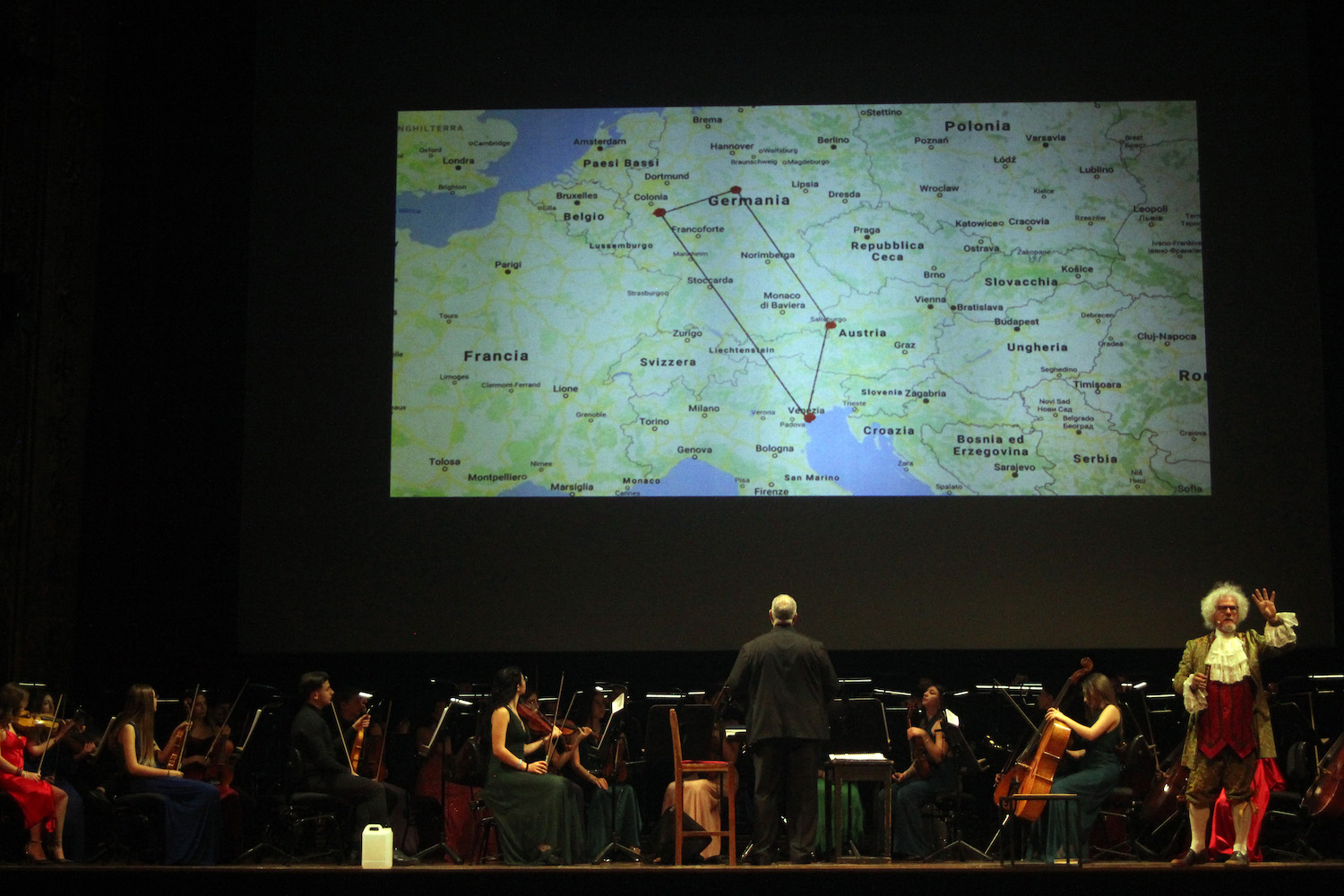
So why not let ourselves be moved and involved by the music of the great composers? Migone guides us into a universe unknown to many, and he does it in his own way, with absolute originality, lots of irony and without any prejudice or pretentious snobbery. The show is engaging, entertaining, enriched by slides, and in the narration four of the most incredible musicians in the history of music are associated with the four elements: Vivaldi with the water, Bach with the earth, Mozart with the air, Beethoven with the fire, as if to emphasise the indispensability of music for humanity.Tickets: from 10€ to 25€
This performance is in Italian. A basic knowledge of the language is advised.
Programme
Music by
J. S. Bach, A. Vivaldi, W. A. Mozart, L. van Beethoven
Gallery
About
Tuesday, January 26 2021, 08:00 pm
Livestreaming Performance on the Teatro Massimo WebTv
This event is part of the project #apertinonostantetutto (We keep going, regardless)
Conductor Omer Meir Wellber
Director, dramaturgy, Scenes, Costumes and Lighting Designs Johannes Erath
Video Bibi Abel
Chorus Master Ciro Visco
Youth Chorus Master Salvatore Punturo
Coreographer Dies Irae Davide Bombana
Assistant Director Lorenzo Nencini
Coreographic Movements Ugo RanieriMusic by Claudio Monteverdi, Henry Purcell, Joseph Haydn, Ludwig van Beethoven, Gioachino Rossini, Franz Schubert, Richard Wagner, Giuseppe Verdi, Modest Musorgskij, Arrigo Boito, Richard Strauss, Erich Korngold, Werner Richard Heymann, Chava Alberstein
Teatro Massimo Orchestra, Chorus, Ballet and Youth Chorus
Sound Project & Design Manfredi Clemente
Concept and Broadcasting co-ordinator Gery Palazzotto
Television Producer Antonio Di GiovanniCast
Cast
Soprano Carmen Giannattasio
Baritone Markus Werba
Basso Alexandros StavrakakisHighlights
Johannes Erath creates a site specific performance for the 2021 opening of the Teatro Massimo season, in live streaming, free of charge and accessible worldwide.
Il Crepuscolo dei Sogni (The Twilight of Dreams) is a site-specific opera by the German visionary director Johannes Erath who is making his debut in Italy and who is also responsible for the show’s dramaturgy and sets. Musical Director Omer Meir Wellber will be conducting. Every corner of the opera house becomes part of a wider stage, under a moonlight that tranforms everything it encounters. The scenic space will be completely transformed by the specifically created sets lit by a lunar light, immersed in a snow that covers and transfigures all shapes and forms. A different place that becomes the landscape of the soul and that recalls today’s condition, that of a disoriented and isolated humanity who has lost all certainties and reference points and is dealing with distances, separations, screens, and new communication modes. Within this suspended set, alternating hope and despondency, art and music remain the highest forms of hope.
Erath and Wellber thus create a musical “Winter Journey” through various moments from different operas, from Rossini to Verdi, from Monteverdi to the Lieder of Schubert and Richard Strauss, with the recurring presence of “Traviata”, whose protagonist is afflicted by a lung disease that reminds us of today’s human sufferings. This journey, that alternates contrasting feelings, culminates with the chorus from the Prologue of Arrigo Boito’s “Mefistofele” which, after showing us the most disenchanted and cynical aspects through Mefistofele’s aria, embodies the spirit that brings back light and hope, and with the final duet from Claudio Monteverdi’s “Incoronazione di Poppea”: two ecstatic moments, divine the first, terrestrial the second.Photo © Rosellina Garbo
About
Soprano Anna Netrebko
Tenore Yusif Eyvazov
Direttore Michelangelo Mazza
Orchestra e Coro del Teatro Massimo
Maestro del Coro Ciro ViscoProgramme
Giuseppe Verdi
Giuseppe Verdi
“Fuoco di gioia” da Otello
“Già nella notte densa” da Otello
“Va pensiero” da Nabucco
“Libiamo ne’ lieti calici” da La traviataFrancesco Cilea
“Del sultano Amuratte… Io son l’umile ancella” da Adriana Lecouvreur
“È la solita storia del pastore” da L’arlesianaGiacomo Puccini
“Vissi d’arte” da Tosca
“E lucevan le stelle” da Tosca
Intermezzo da Manon LescautAntonín Dvořák
“Měsíčku na nebi hlubokém” (Canto alla Luna) da Rusalka
Umberto Giordano
“Colpito qui m’avete… Un dì all’azzurro spazio” da Andrea Chénier
Intermezzo da Fedora
“Vicino a te s’acqueta” da Andrea ChénierPhoto © Rosellina Garbo
About
This event is in Italian.
Free entrance
You can access the Sala Onu through the stairs located in the stage door area (on the right side of the main entrance, close to Via Pignatelli Aragona).
An accessible pathway, with no steps and the elevator, is also available (ask the staff for guidance).The presentations are organized by Associazione Amici del Teatro Massimo.
Programme
Luca Della Libera
presents Mitridate Eupatore by Alessandro Scarlatti.
About
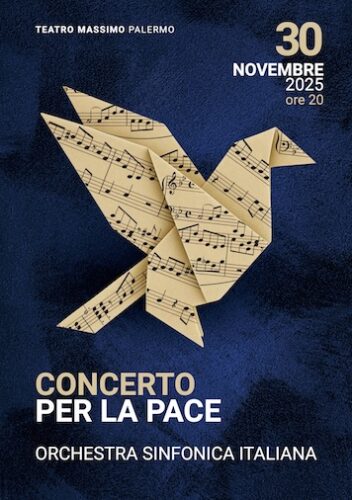
Sunday November 30, 8:00pm, Main Stage
Concert for Peace
Orchestra Sinfonica Italiana
Conductor Marek Wroniszewski
Violin Riccardo Obiso
Piano Gianfranco Pappalardo Fiumara, Giulio PotenzaOrchestra Sinfonica Italiana
The concert is organized by the Istituto Culturale Musicale Italiano Alessandro Scarlatti
Artistic Director Nicolò Fiorenza
Programme
Pëtr Il'ič Čajkovskij
Ouverture Solennelle 1812
Camille Saint-Saëns
Introduction and Rondò capriccioso for violin and orchestra, Op. 28
Solo Violin Riccardo ObisoFranz Schubert
La morte e la fanciulla
Revision for grand orchestra Giuseppe CrapisiFrancis Poulenc
Concerto for two pianos and orchestra in D minor
Soloists Gianfranco Pappalardo Fiumara, Giulio PotenzaThe Poster
info
Thursday December 11 2025, 6:00pm, Sala Onu
Talking about Opera – La bohème
This event is in Italian.
The art of storytelling is made up of intertwined threads that open up the enchantment of listening.
Beatrice Monroy tell us the story of the opera La bohème with Gigi Borruso and Sabrina Petix.
The wonderful story of Mimì, Musetta and the four boys in the Parisian attic comes to Puccini from Henry Muger’s play, Scènes de la vie de Bohème.
A story of young people, hopes and loves that don’t know how to move forward.
Stories that break the melodrama of heroes – they are just ordinary people without a penny. That’s life.
We have chosen to open and close with two poems by Baudelaire; when you hear them, you will find they are just right for the occasion.Tickets (3 euros) are available at the box-office and online.
You can access the Sala Onu through the stairs located in the stage door area (on the right side of the main entrance, close to Via Pignatelli Aragona).
An accessible pathway, with no steps and the elevator, is also available (ask the staff for guidance).About
The Project
Beatrice Monroy – with readings by Stefania Blandeburgo, Gigi Borruso, Rinaldo Clementi, Giuseppe Cutino, Consuelo Lupo, and Sabrina Petyx – recounts the plots of the Operas staged at the Teatro Massimo to the audience, as well as the historical and cultural references on which the librettists based their work.
Our aim is to bring to the audience the extraordinary stories that inspired the Masters to compose their masterpieces.